The Watch Patents That Revolutionised The History Of Timekeeping
Exploring the groundbreaking inventions that transformed mechanical watches through precision, durability and engineering brilliance
The history of watchmaking has always been shaped by those willing to challenge the limits of precision, reliability and imagination. Behind every great timepiece lies a series of breakthroughs that changed the way humans measure time, from mechanisms designed to fight gravity to innovations that made watches more durable and practical for everyday life.
While many watches are celebrated for their beauty, some of the most important milestones in horology came from patents that solved fundamental mechanical challenges. These inventions did not simply improve watches; they changed the direction of the entire industry. The story of horology is not only written through famous names and exceptional timepieces, but through the ideas that transformed the mechanics behind them. These revolutionary patents became the foundations upon which modern watchmaking continues to build.
Edouard Heuer’s Oscillating Pinion Patent
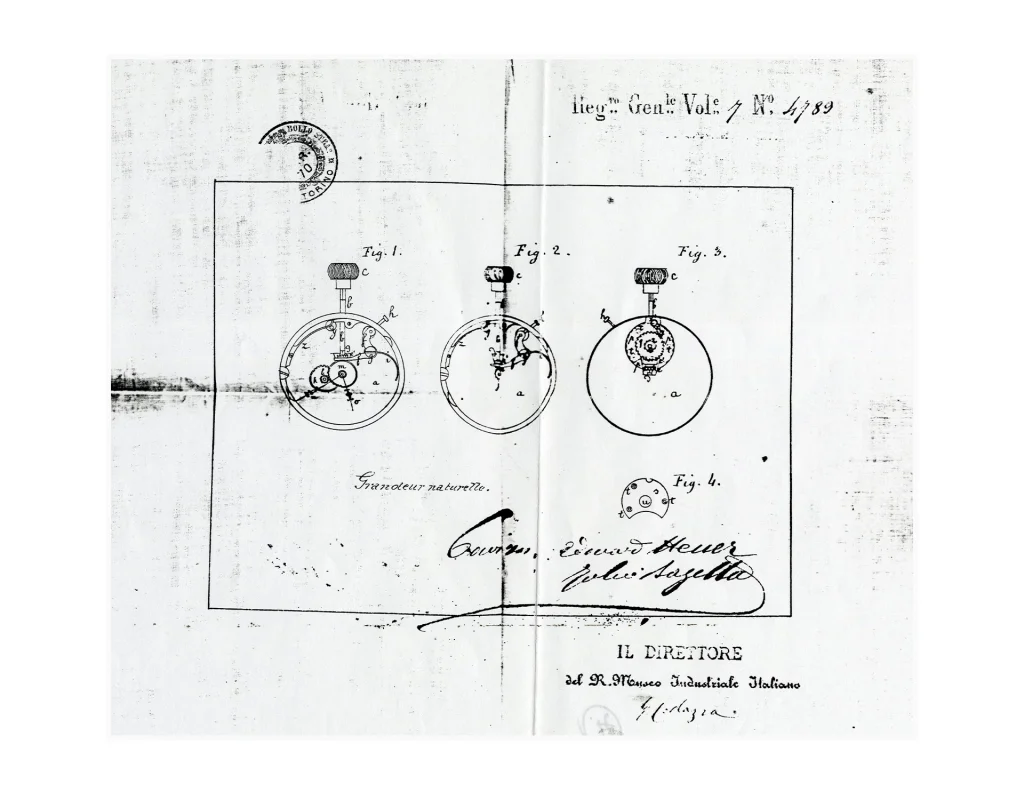
In 1887, Edouard Heuer patented the oscillating pinion, a compact mechanism designed to simplify the connection between the chronograph and the movement. Instead of using a large and complicated clutch system, the oscillating pinion used a small movable pinion that could swing into place when the chronograph was activated.
When the push-button was pressed, the pinion moved into contact with the movement’s running gear, allowing energy to flow immediately into the chronograph mechanism. When the function was stopped, the pinion moved away, separating the two systems. This simple yet ingenious design created a smoother and more efficient way to operate a chronograph.
Also Read: Inside Breguet’s Legacy: The Complications That Changed Timekeeping
Eterna’s Ball Bearing Rotor: The Birth Of Modern Automatic Winding
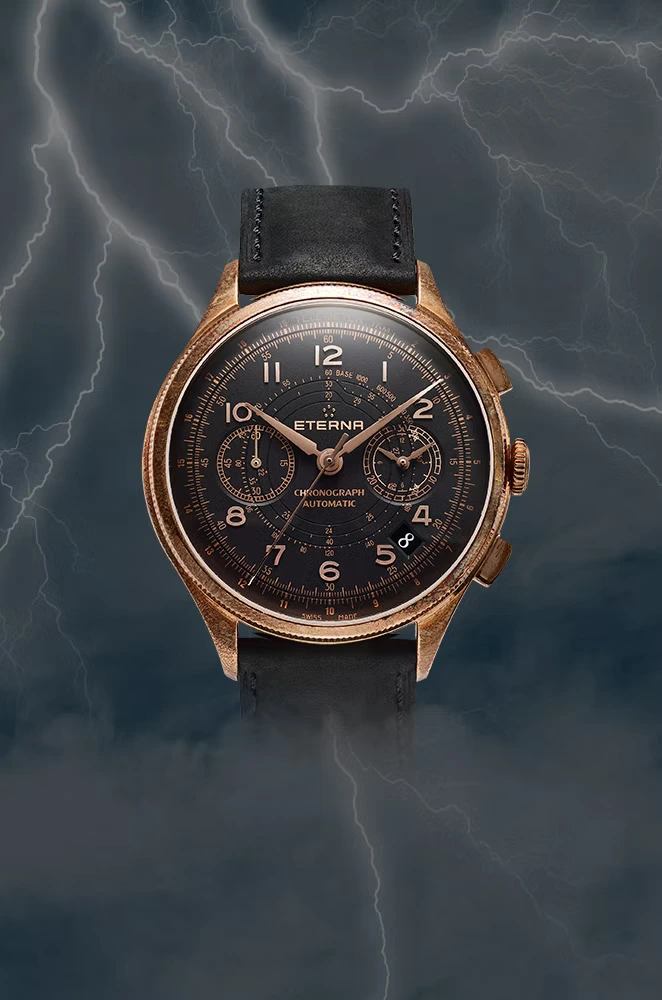
Automatic watches rely on one essential idea: converting the wearer’s movement into energy. But the efficiency of that system changed dramatically with a major innovation from Eterna. In 1948, Eterna patented the ball bearing rotor system, introducing a more efficient and stable way to support the oscillating weight inside automatic movements.
The tiny ball bearings reduced friction, allowing the rotor to move more freely while improving reliability and winding efficiency. This invention became one of the foundations of modern self-winding watches, influencing countless automatic movements that followed. The five ball bearings in Eterna’s logo became a symbol of this important contribution to mechanical watchmaking.
Rolex Oyster Case: The Watch That Challenged The Elements
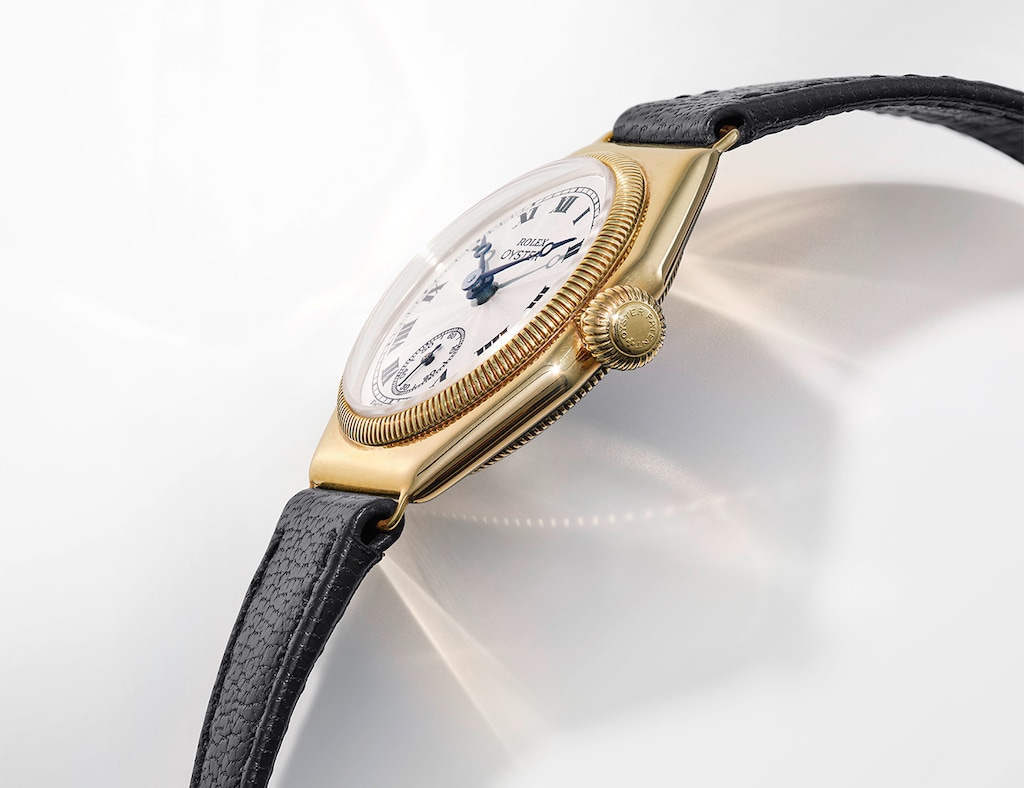
Before the arrival of the Oyster case, wristwatches were vulnerable to dust and moisture entering through the case, often damaging the delicate movement inside. In 1926, Rolex introduced the Oyster case, creating one of the most important protective designs in watch history. The patented system used a hermetically sealed case with a screw-down bezel, case back and winding crown, creating a protective shell around the movement. This transformed the wristwatch from a fragile accessory into a reliable instrument capable of handling demanding environments. The Oyster case later became central to Rolex’s reputation for durability and helped inspire the development of modern sports and dive watches.
Also Read: Cartier Prize For Watchmaking Talents Of Tomorrow: Nurturing The Future Of Haute Horlogerie
Omega Co-Axial Escapement: Reducing Friction In Mechanical Watches
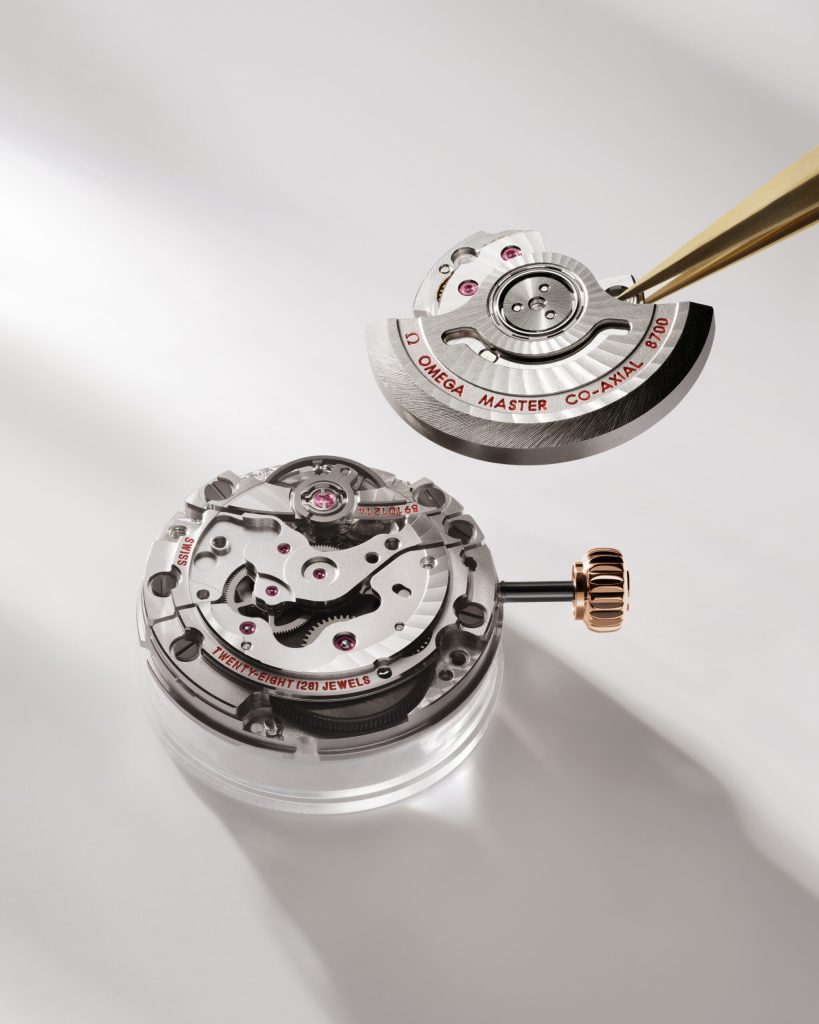
The escapement is the heart of a mechanical watch, controlling the release of energy from the mainspring to regulate timekeeping. For centuries, traditional lever escapements dominated watchmaking, but they created friction that affected long-term performance. Developed by English watchmaker George Daniels, the Co-Axial escapement was introduced into industrial watchmaking through Omega. The system reduced sliding friction between components by changing the way energy transferred through the escapement. The result was improved stability, reduced wear and longer service intervals. Introduced commercially by Omega in the late 1990s, the Co-Axial escapement became one of the most significant modern developments in mechanical watchmaking.
Patek Philippe Perpetual Calendar: The Complication That Followed Time Itself
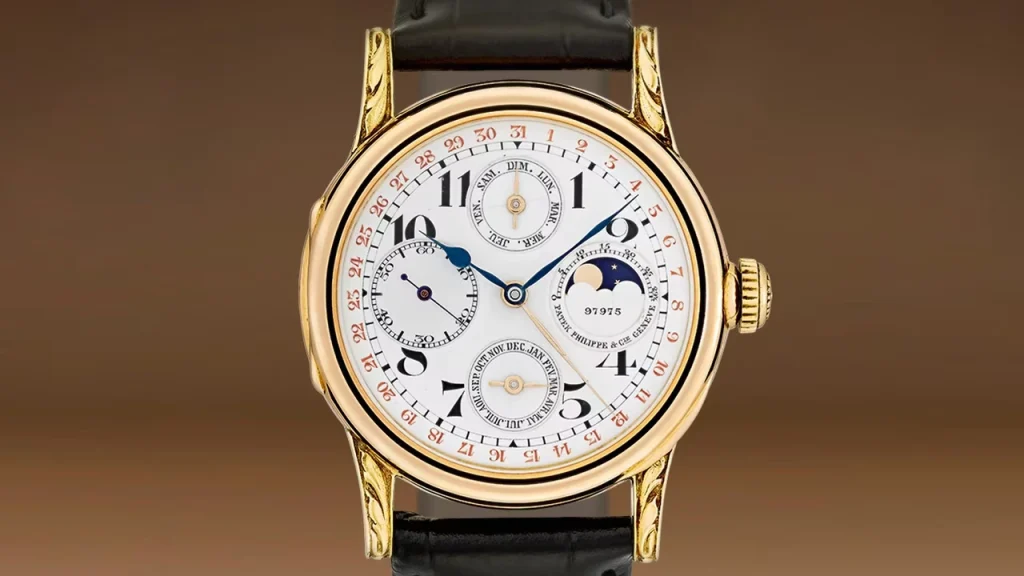
In 1889, Adrien Philippe, co-founder of Patek Philippe, patented a perpetual calendar mechanism that represented one of the greatest achievements in watchmaking. A perpetual calendar is designed to automatically account for the different lengths of months and even leap years, allowing the watch to display the correct date without manual adjustment for decades. At a time when mechanical watchmaking was still developing, this complication demonstrated extraordinary understanding of astronomy, mathematics and miniature engineering. The perpetual calendar became one of the most prestigious complications in haute horlogerie and remains a defining achievement of traditional watchmaking.