What Is Onyx? How This Deep-Black Stone Becomes a Luxury Watch Dial
A variety of chalcedony, related to quartz, known for its fine-grained structure, most famously deep, glossy black, but can also appear in white, brown, or banded forms (sardonyx)
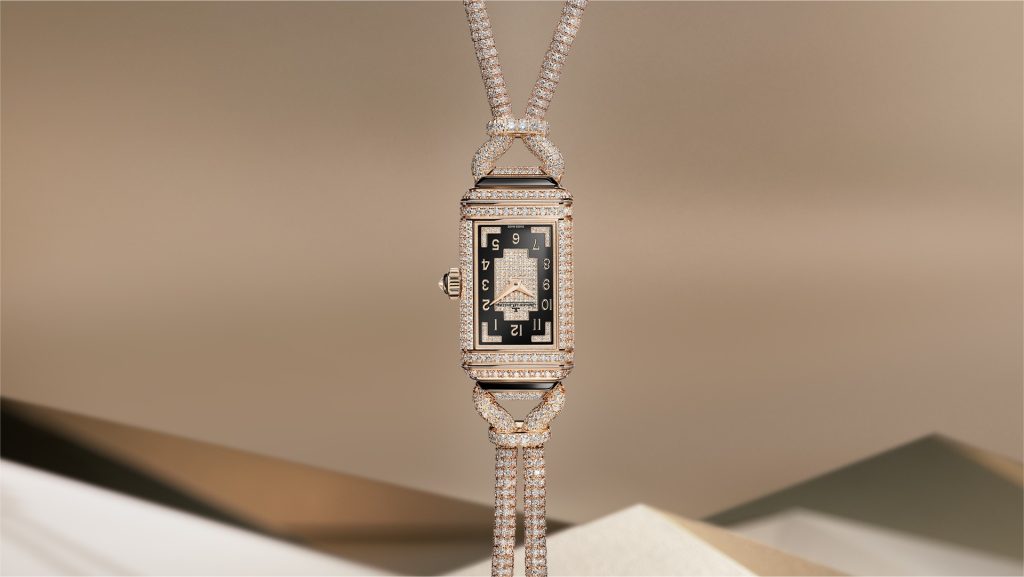
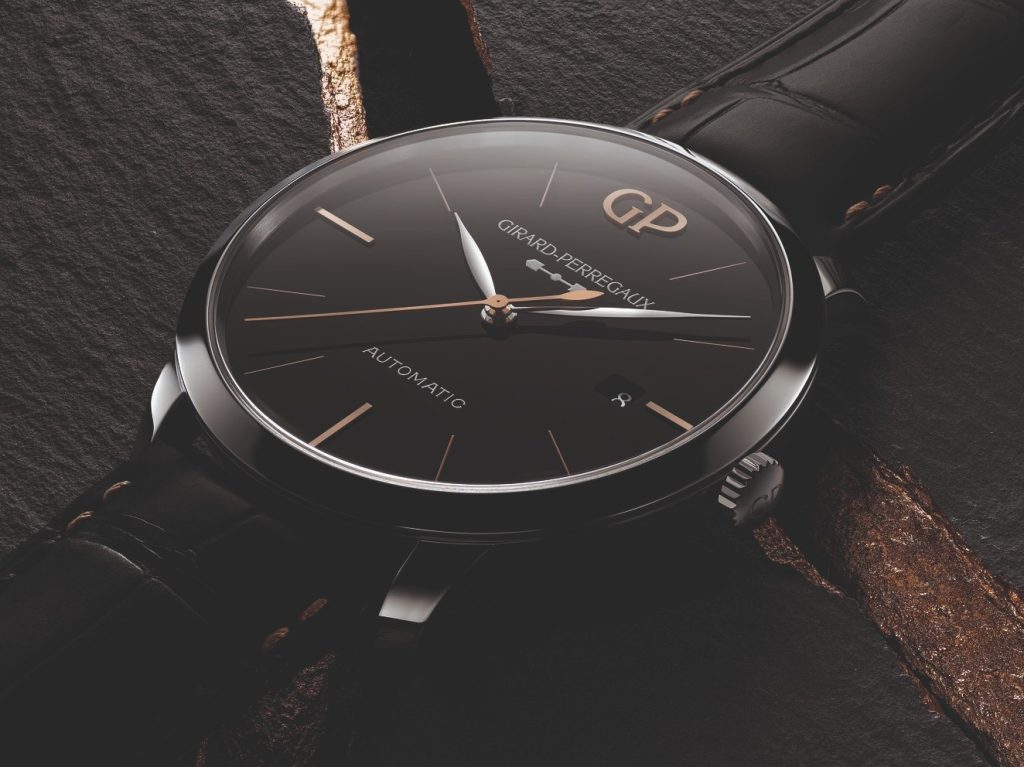
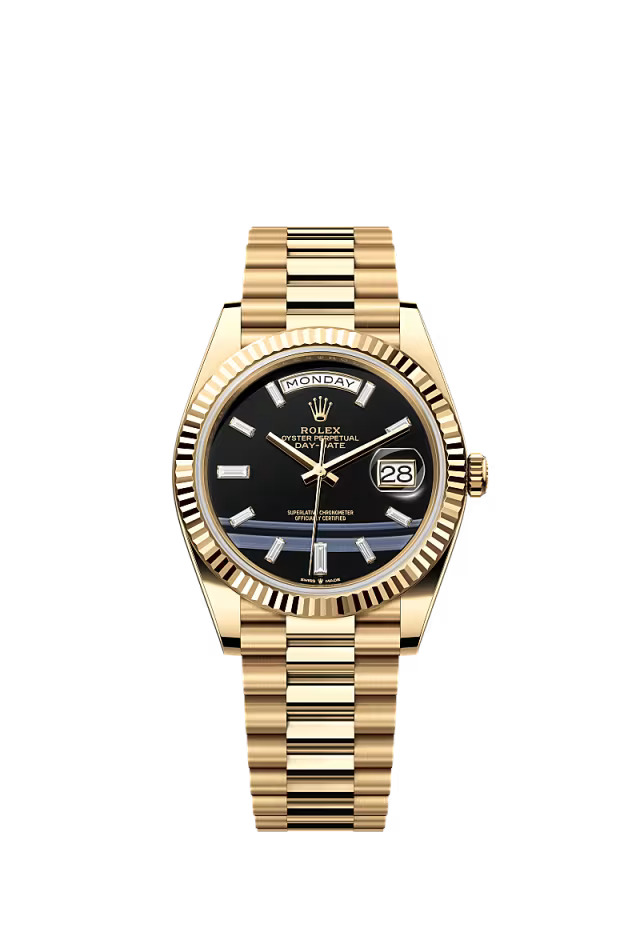
In a world where watch dials often chase shimmer, colour, and complexity, onyx does the exact opposite—and wins. Deep, velvety, and impossibly smooth, onyx dials exude a kind of quiet luxury that needs no embellishment. Their inky blackness absorbs light instead of reflecting it, giving timepieces a hypnotic calm and an aura of absolute refinement. As brands elevate natural stonework in watchmaking, onyx has emerged as the sleek, monolithic counterpoint—seductive, architectural, and pure. Here’s a closer look at what onyx is, how it’s transformed into dial form, and why this elegant gemstone continues to dominate the black-dial category in haute horlogerie.Onyx is a variety of chalcedony prized for its uniform, jet-black appearance and mirror-like surface once polished. Unlike other stones that flaunt layers or colour gradients, onyx is celebrated for its uninterrupted darkness—its purity of tone. This gives watch dials a sculptural, almost obsidian-like presence. The stone’s high density and fine grain allow it to take on an impeccable polish, creating a deep, glassy sheen that feels both modern and timeless.
Alsso Read: Top Salmon Dial Watches: The Best Models Every Collector Should Know
Onyx Composition And Natural Formation
Onyx is a cryptocrystalline quartz formed through the slow deposition of silica in gas cavities within lava. Its tight microstructure gives it strength and allows it to be carved with precision. While natural onyx can present banding, the prized variety for watchmaking is the rich, homogeneous black form with minimal imperfections. This geological composition is what enables the stone to deliver its signature smoothness and reflective depth once shaped and polished.
Which Countries Have The Best Onyx?
Onyx is found all over the world, although certain areas are especially well-known for their excellent resources. Italy, Turkey, Iran, Afghanistan, Mexico, and India are amongst the best countries when it comes to producing the finest quality of Onyx. The Onyx produced in these regions has its own unique, distinct characteristics which are influenced by their local geological conditions.

Also Read: Malachite Watch Dials Explained: How This Rare Green Stone Becomes A Luxury Timepiece
How Is Onyx Formed?
Onyx is formed through a slow, natural geological process that begins deep within volcanic environments. When silica-rich water seeps into the cracks, cavities, and gas pockets of cooling lava or basalt, it starts depositing microscopic layers of quartz over thousands—sometimes millions—of years. These layers build up gradually, creating the finely banded structure characteristic of chalcedony. The rich, jet-black colour associated with prized onyx forms when carbon or iron oxide impurities become trapped during this layering phase, giving the stone its dramatic depth and uniform darkness. Over time, geological pressure, heat, and continued mineral deposition solidify these layers into a dense, smooth, and highly polished gemstone. The result is onyx: a naturally occurring, fine-grained stone admired for its elegant darkness and its ability to be shaped into the sleek, glossy dials prized in luxury watchmaking.
Why Onyx Dials Endure In Modern Horology
As the watch world embraces a resurgence of dress watches and refined minimalism, onyx dials have found renewed relevance. Their stark beauty pairs effortlessly with both contemporary and classic aesthetics. For collectors, onyx represents a fusion of natural artistry and clean design—a dial that doesn’t just tell time but frames it. In an industry obsessed with detail, the enduring appeal of onyx lies in its simplicity, its mystery, and its unwavering elegance.