Why Hand Finished Watches Command Such Extraordinary Prices: What Makes These Luxury Watches So Expensive?
In an age where machines can build almost anything with astonishing precision, the world's finest watchmakers continue to spend hundreds of hours polishing, beveling and decorating components by hand, creating timepieces whose value lies as much in human artistry as mechanical excellence
There is a question that drifts through the world of watchmaking much like the answer in Bob Dylan’s famous song, blowing in the wind. Why, people ask, does a tiny mechanical watch cost as much as a house, a sports car, or in some cases, an entire fleet of sports cars? Yet collectors continue to spend fortunes on hand-finished watches. The reason is wonderfully irrational. Because these aren’t merely instruments for measuring time. They are miniature sculptures of human ingenuity, built, polished and perfected by craftsmen whose obsession with detail borders on madness. In a world increasingly dominated by machines, algorithms and mass production, a hand-finished watch remains one of the last great celebrations of the human hand, and that is precisely why the finest examples command prices that seem, at first glance, utterly absurd.
The Difference Between Manufacturing And Watchmaking
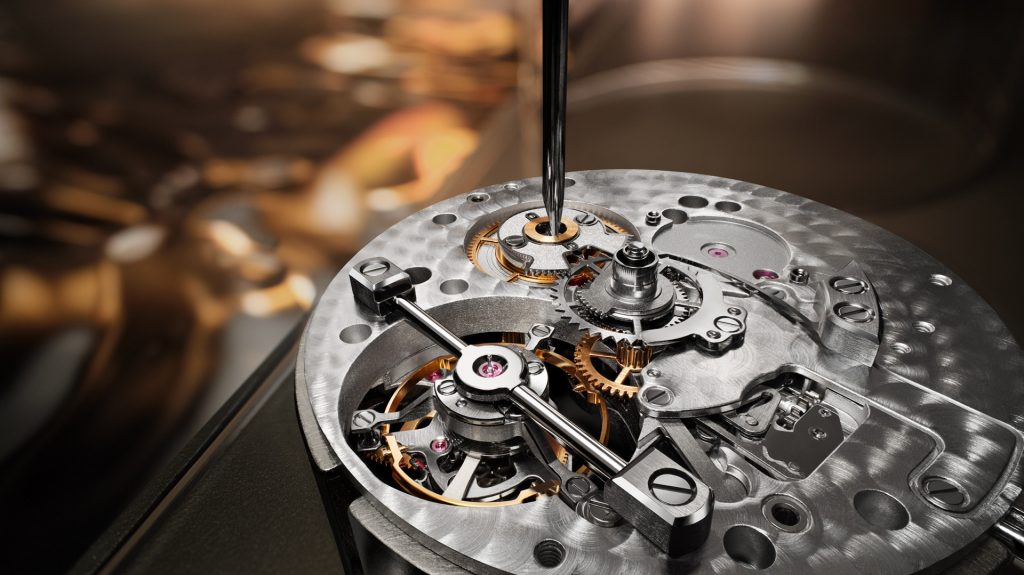
Modern manufacturing is obsessed with consistency. Robots stamp, cut and assemble components with microscopic tolerances. It is efficient, fast and remarkably accurate. Luxury watchmaking, however, often moves in the opposite direction.
A high-end movement may begin life through advanced machinery, but its transformation into a masterpiece occurs at a workbench under a loupe. Every bridge, wheel and lever becomes a canvas for human skill. Edges are bevelled by hand, surfaces are polished using wooden tools and abrasive pastes, and corners are finished in ways that machines simply cannot achieve. The irony is that many of these decorations do absolutely nothing to improve timekeeping. They exist purely because excellence demands them.
The Invisible Hours Hidden Inside The Movement
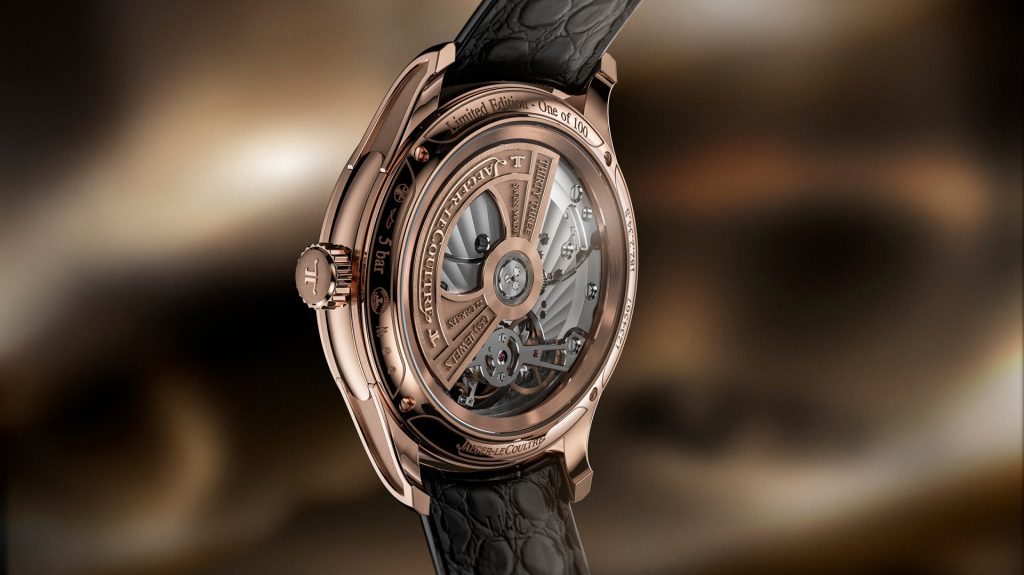
The extraordinary cost of hand-finished watches becomes easier to understand when you realise how much work is invested in parts that owners may never see. Take anglage, for example. This involves beveling and polishing the edges of movement components until they gleam like mirrors.
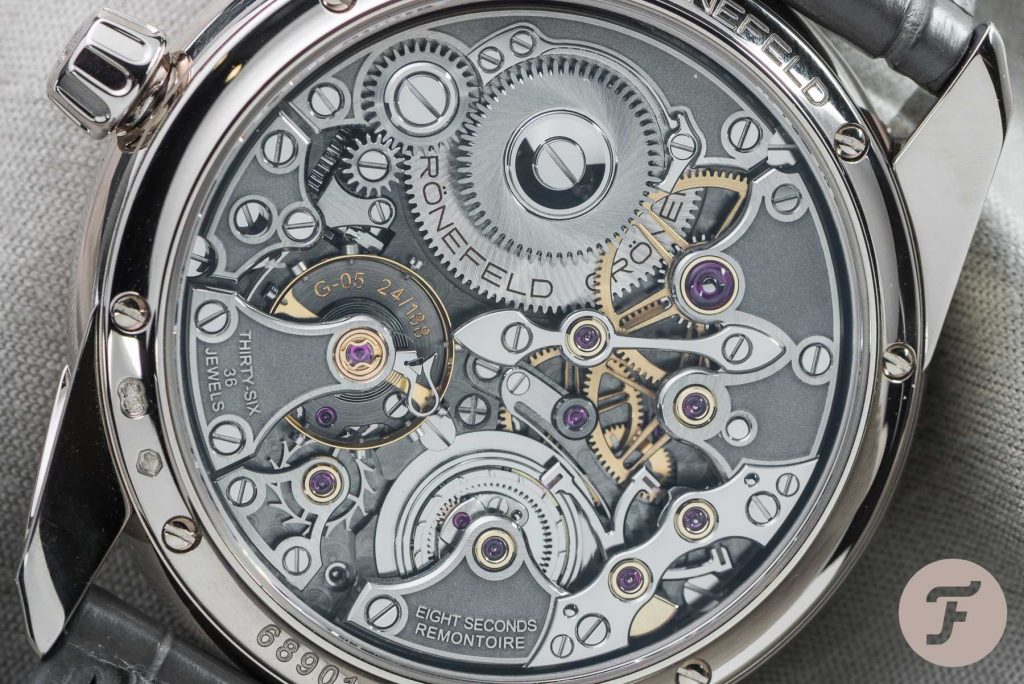
One sharp inward angle can require hours of painstaking work because no machine can perfectly finish it. The same applies to black polishing, where steel components are polished so perfectly that they appear black from certain angles due to light reflection. Then there are techniques such as perlage, Geneva stripes, frosting, engraving and hand-guilloché. Each demands specialised expertise acquired over years, sometimes decades, of practice. A single movement component may pass through multiple artisans before it is deemed worthy of final assembly.
Also Read: Top Decorative Finishes Used In Watches And Why They Matter To Collectors
Why Machines Still Cannot Replace Human Hands
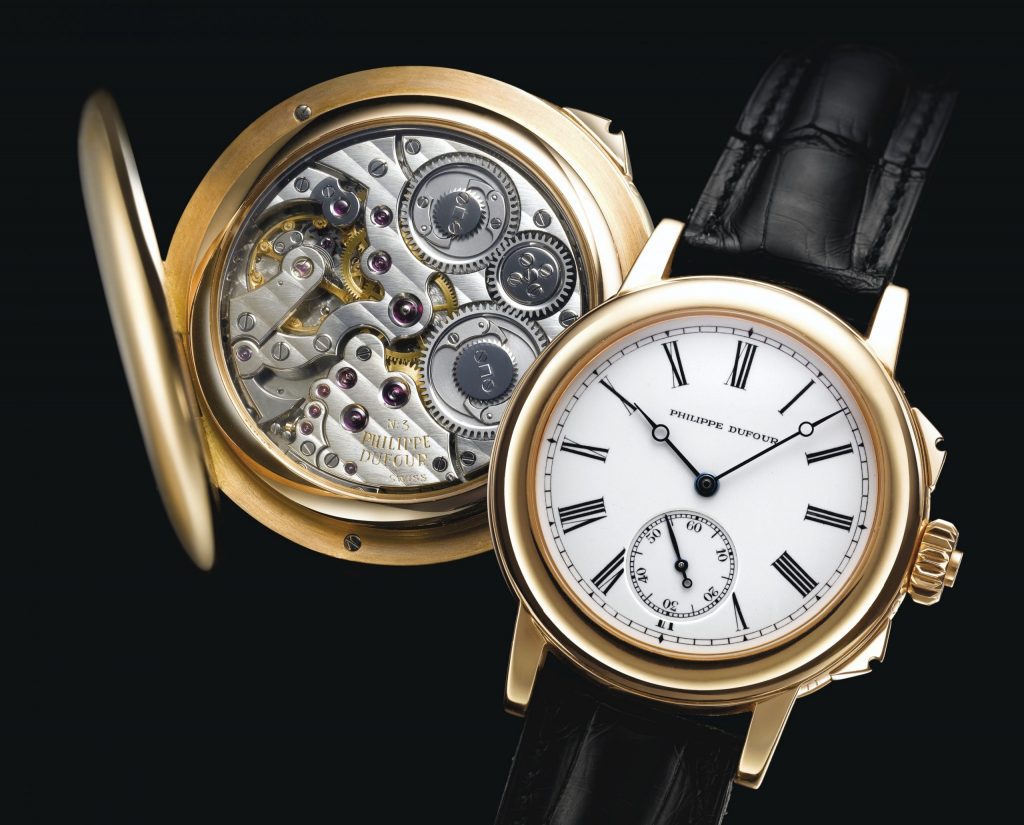
The obvious question is why watchmakers do not simply automate the process. The answer lies in perfection itself. Machines excel at repetition. They struggle with nuance. Hand finishing is not merely about achieving a result but about recognising subtle imperfections and correcting them in real time. A master finisher can adjust pressure, angle and technique instinctively, creating a level of refinement that remains incredibly difficult for automation to reproduce. This is why brands such as Patek Philippe, A. Lange & Söhne, Vacheron Constantin and Philippe Dufour continue to rely heavily on traditional finishing methods despite having access to the most advanced manufacturing technologies on earth.
Rarity Is Part Of The Equation
Hand finishing is also astonishingly slow. A highly complicated movement can require hundreds of hours of decoration before assembly even begins. Some independent watchmakers produce fewer than fifty watches annually because every component receives individual attention. Unlike mass-produced luxury products, these watches cannot simply be manufactured in larger quantities. The bottleneck is human expertise. Training a skilled finisher takes years, and true masters are exceptionally rare. That scarcity naturally drives value.
More Than A Watch
The fascinating thing about hand-finished watches is that their appeal extends far beyond mechanics. They represent something increasingly uncommon in the modern world: patience. In an era of instant production, overnight delivery and disposable technology, a hand-finished watch embodies the opposite philosophy. It is the result of countless hours spent perfecting details most people will never notice. That, ultimately, is why these watches command extraordinary prices. The cost is not measured by the weight of gold or the complexity of the movement alone. It is measured in human time, skill and dedication. And in the world of luxury, few things are rarer or more valuable than that.