

From Dessau in Tel Aviv, Bauhaus structures continue to shape the world’s architectural imagination. When we talk about modern design, the conversation often begins — and ends — with Bauhaus. Born in 1919 in the aftermath of World War I, the Bauhaus movement was more than a style; it was a radical philosophy that sought to unify art, craft, and technology. Founded by the visionary German architect Walter Gropius, the Bauhaus school in Weimar became the beating heart of modernism, reshaping how we think about architecture, interiors, and even everyday objects.
A Revolution in Simplicity and Function
The term Bauhaus translates roughly to “building house,” but the name belies the movement’s profound influence. At its core, Bauhaus rejected ornamentation and excess — everything had to serve a purpose. The guiding principle was clear: form follows function.
Instead of viewing architecture and design as separate from daily life, Bauhaus made them inseparable. The school taught that beauty could emerge from utility, and that even the simplest structures could inspire emotion through proportion, material, and light.
Artists and designers such as Paul Klee, Wassily Kandinsky, Josef Albers, and Marcel Breuer joined forces with architects under the Bauhaus banner. Together, they fostered a culture of experimentation — blending fine art with industrial production. The result was an aesthetic that prized clean lines, geometric precision, and functional elegance — qualities that still dominate design thinking today.
From Weimar to Dessau: The Birth of Modernism
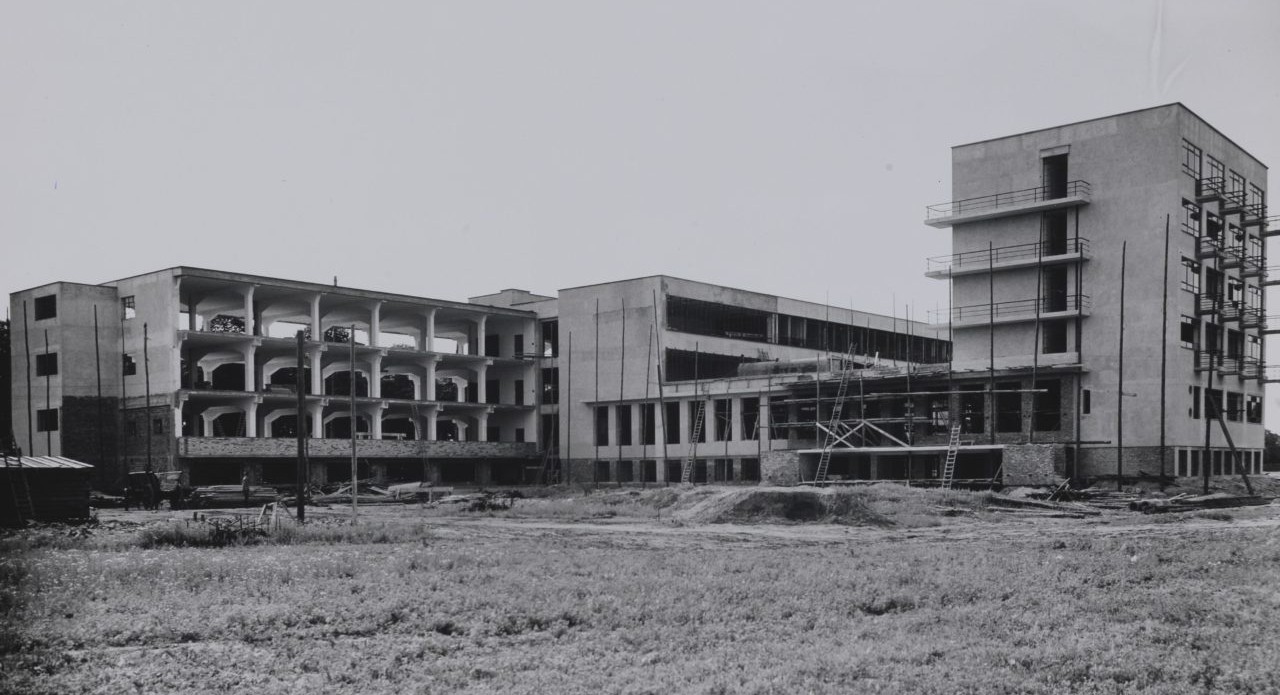
The Bauhaus began in Weimar, Germany, in 1919, but soon moved to Dessau in 1925 — a city that became synonymous with the movement’s architectural peak. The Bauhaus Dessau building, designed by Gropius himself, remains one of the most celebrated examples of modern architecture. Its use of glass curtain walls, exposed steel frames, and open interior spaces was revolutionary at the time and continues to inspire architects over a century later.
Despite its artistic success, the Bauhaus faced political hostility from conservative forces in Germany. By 1933, under pressure from the Nazi regime, the school was forced to close. But rather than marking an end, this closure sparked the global spread of Bauhaus ideas, as its teachers and students migrated across Europe and the United States.
The Global Reach of Bauhaus Ideals
As Bauhaus practitioners moved abroad, they carried its ethos with them. In the United States, Gropius taught at Harvard, while Mies van der Rohe became a leading voice of the International Style in architecture. In Tel Aviv, thousands of buildings built in the 1930s reflected Bauhaus ideals so vividly that the area became known as the “White City”, now a UNESCO World Heritage site.
From corporate skyscrapers in New York to minimalist homes in Los Angeles, the Bauhaus legacy reshaped city skylines. Its emphasis on functionality and human-centred design laid the groundwork for everything from IKEA furniture to Apple’s product philosophy.
Several iconic structures embody the Bauhaus spirit and continue to define its enduring legacy:
Bauhaus Dessau Building (Dessau, Germany)

The ultimate expression of Gropius’s design vision, a masterpiece of glass, steel, and proportion.
Haus am Horn (Weimar, Germany)
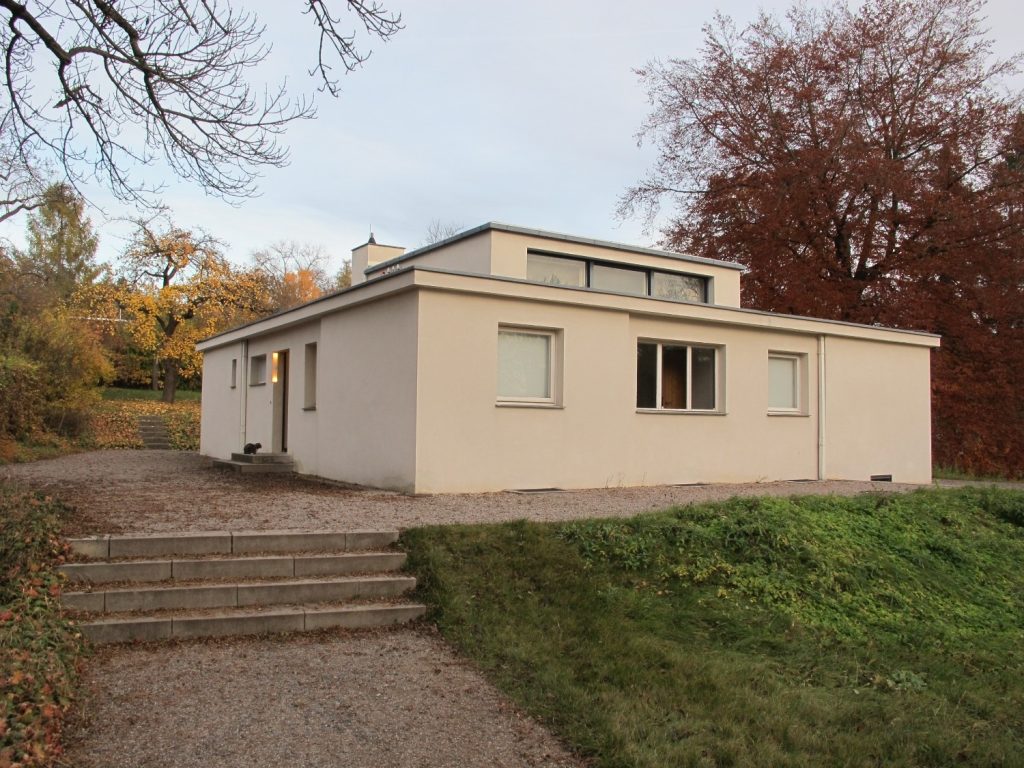
The first building built in true Bauhaus style, showcasing the marriage of practicality and beauty.
Fagus Factory (Alfeld, Germany)

Designed by Gropius and Adolf Meyer before the official founding of Bauhaus, it prefigured many of its core ideas.
Villa Tugendhat (Brno, Czech Republic)
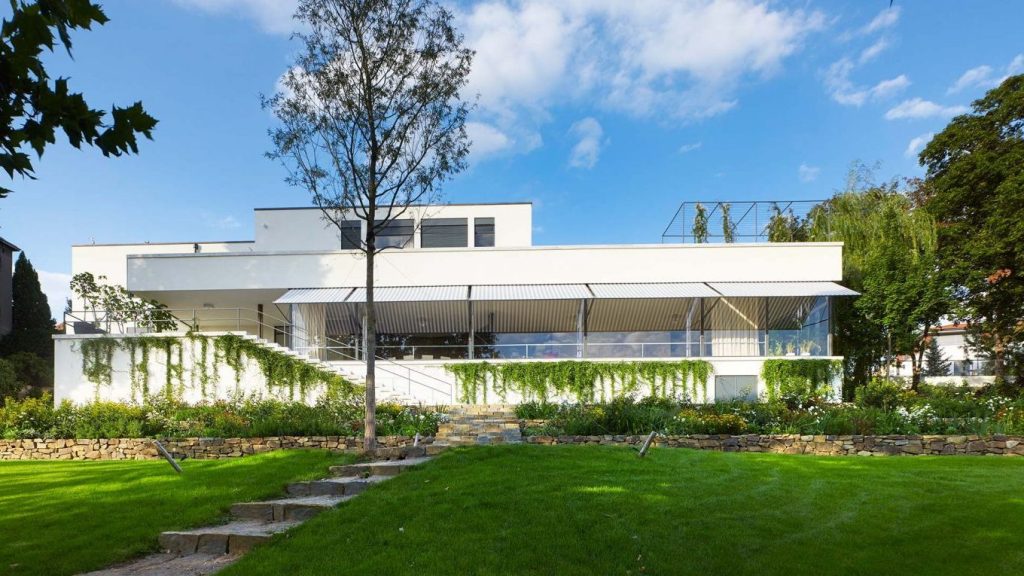
A Mies van der Rohe landmark, defined by open plans and modern materials.
White City (Tel Aviv, Israel)
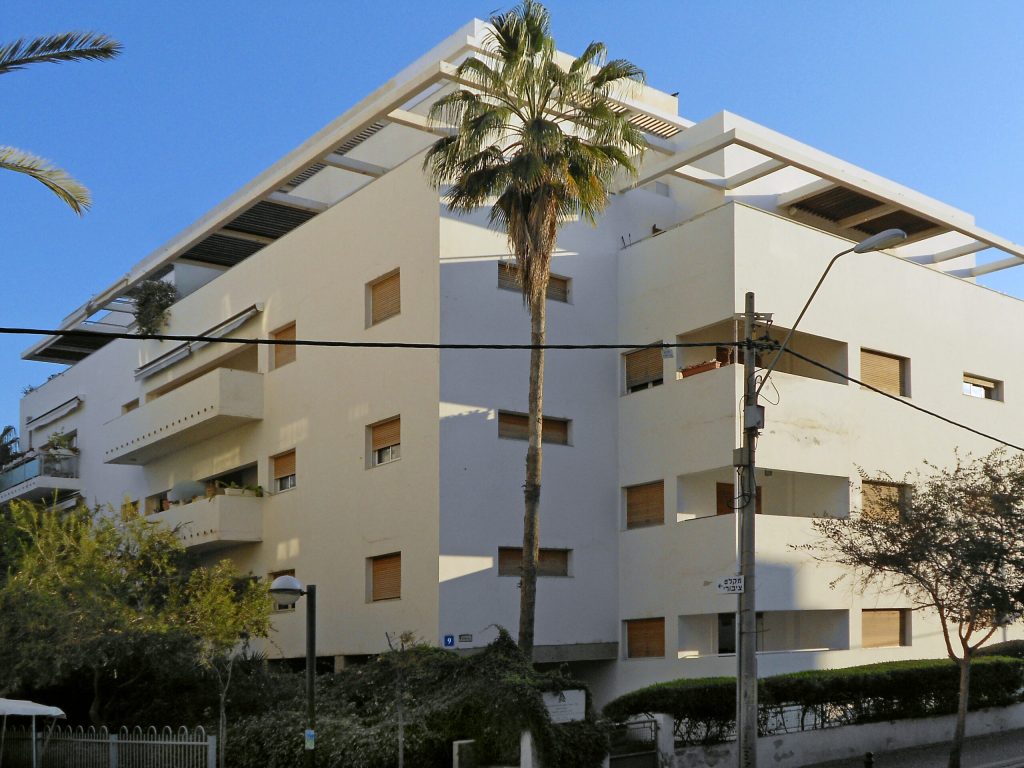
Over 4,000 Bauhaus-style buildings, forming one of the largest concentrations of modernist architecture in the world.
A Legacy That Shaped the Modern World
More than a century after its founding, Bauhaus remains more relevant than ever. Its principles of efficiency, simplicity, and harmony between art and technology continue to influence architects, product designers, and artists alike. In an era obsessed with aesthetics, Bauhaus reminds us that design is not decoration — it is a way of thinking, living, and creating.
As cities evolve and new technologies redefine the built environment, the Bauhaus vision still resonates — timeless, functional, and profoundly human.