

Scandinavian design in architecture emerged from the Nordic countries — Denmark, Sweden, Norway, Finland and Iceland — during the early to mid-20th century as a quiet revolution against excessive ornamentation and industrial rigidity. Influenced by the region’s landscape, light and climate, the movement sought to create spaces that were functional, honest and emotionally warm, reflecting a deep respect for craftsmanship and human well-being.
At its heart, Scandinavian design is guided by the principle that beauty and utility should coexist effortlessly. The movement aligns with democratic ideals — good design should be accessible to all, not a privilege of the elite. This humanistic approach extended beyond aesthetics to how architecture could improve everyday life, making Scandinavian modernism one of the most enduring global design philosophies.
Origins and Philosophy
The roots of Scandinavian design trace back to the early 1900s when Nordic architects and designers began moving away from historical revivalism toward functionalism and simplicity. The post-war period further shaped this ideology, as societies sought warmth, light and order amid the harsh Nordic winters.
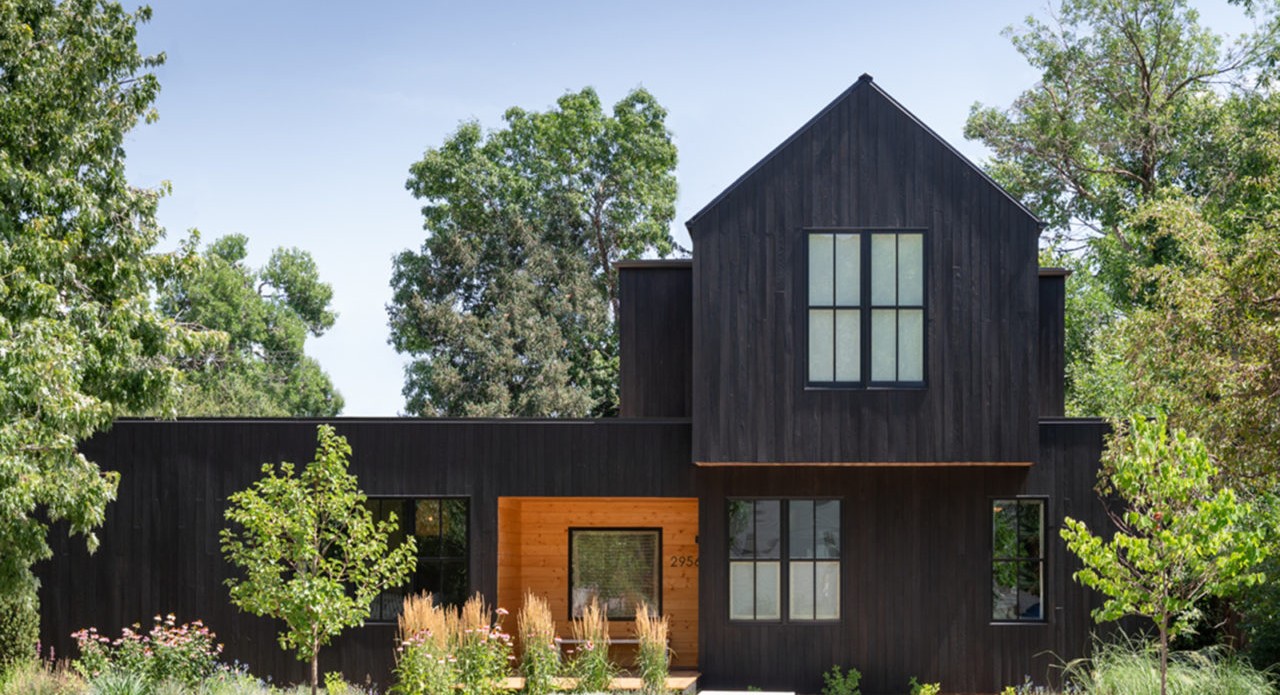
The guiding principle was “form follows function”, yet unlike the cold rationalism of some modernist schools, Scandinavian architecture infused humanity, texture and nature into its structures. Wood, stone, glass and natural light became essential elements, creating interiors that felt inviting even in minimal form.
Light — both natural and artificial — plays a central role. Large windows, open plans and pale surfaces maximise brightness during long winters, while organic materials and soft colours bring a sense of calm and comfort. The result is architecture that feels both modern and timeless, rooted in its environment yet universally appealing.
Prominent Buildings in Scandinavian Design
Villa Mairea, Finland
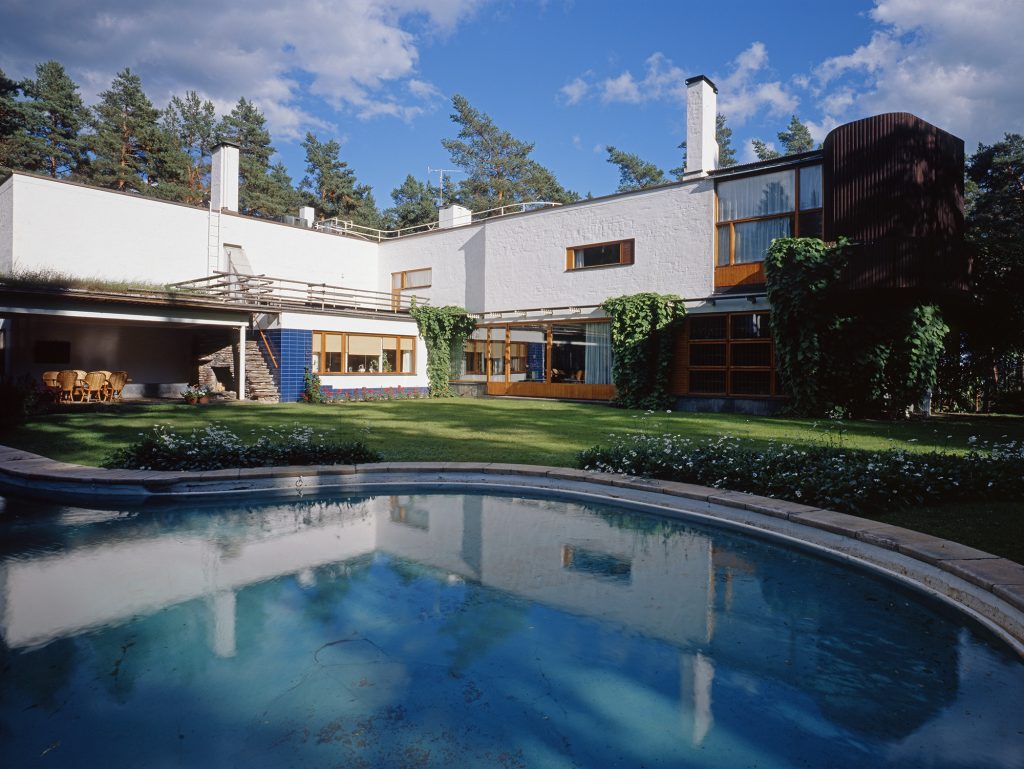
Built in 1939, the Villa Mairea is one of Alvar Aalto’s most celebrated works. It seamlessly merges modernist principles with organic forms, using wood, stone and glass to create a home that feels deeply connected to the surrounding forest. Every detail — from the staircase to the furniture — reflects a dialogue between craftsmanship and nature.
Sydney Opera House, Australia

While located far from Scandinavia, the Sydney Opera House is perhaps the most iconic example of Scandinavian design principles applied globally. Danish architect Jørn Utzon’s visionary structure combines sculptural expression with technical precision, echoing the natural rhythm of the sea and sky. Its soaring shells reflect Nordic modernism’s fascination with light, form and purity.
St. Catherine’s College, Oxford
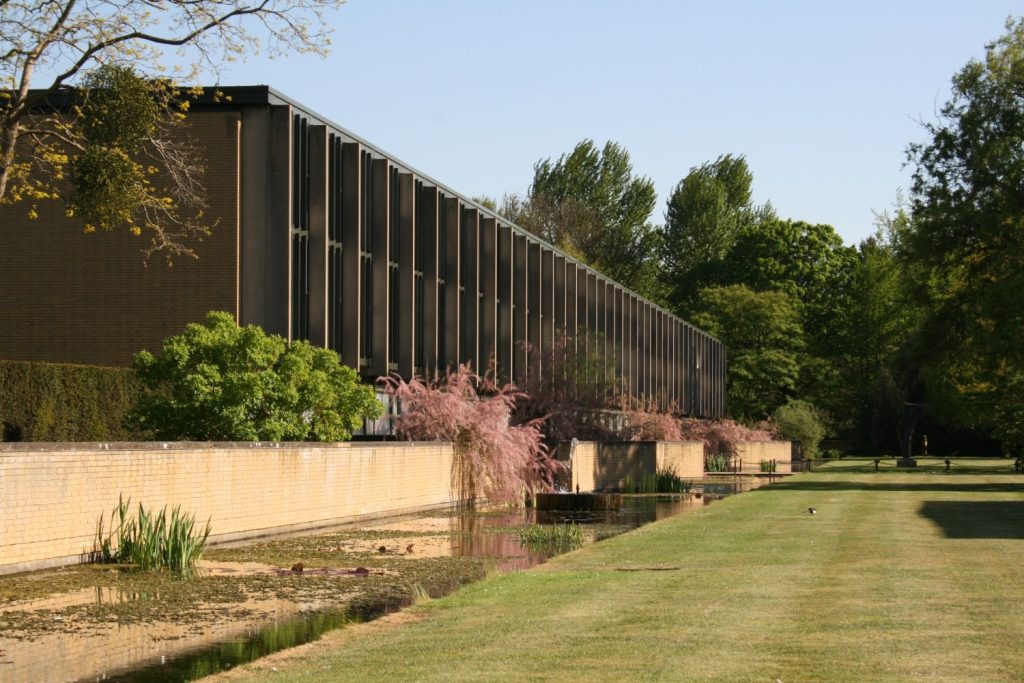
Designed by Danish architect Arne Jacobsen, this 1960s project demonstrates how Scandinavian design could adapt to institutional architecture without losing warmth. Clean geometric lines, modular planning and meticulous detailing embody the balance between discipline and human scale.
Helsinki City Hall, Finland
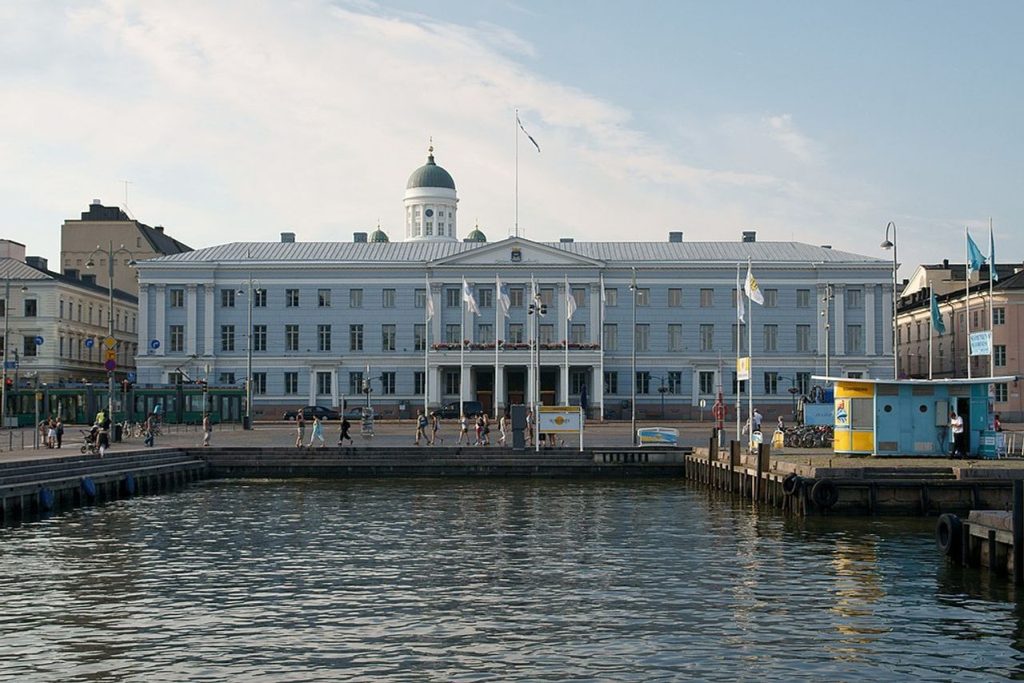
A symbol of Finnish identity, Helsinki City Hall combines neoclassical heritage with modernist renewal. Alvar Aalto’s interior redesign preserved the building’s civic dignity while introducing a light-filled, democratic space — a hallmark of Nordic architecture.
Prominent Names in Scandinavian Architecture
Alvar Aalto (Finland)

Widely regarded as the father of modern Scandinavian design, Alvar Aalto’s works blended organic form with modern functionality. His approach to materials and light created spaces that were both rational and deeply human. Notable works include the Finlandia Hall, Paimio Sanatorium and Villa Mairea.
Arne Jacobsen (Denmark)

A pioneer of Danish modernism, Jacobsen was an architect and designer known for his total design philosophy — he created everything from buildings to furniture, including the iconic Egg and Swan chairs. His architecture, such as SAS Royal Hotel, reflects the sleek elegance and efficiency of Scandinavian design.
Jørn Utzon (Denmark)
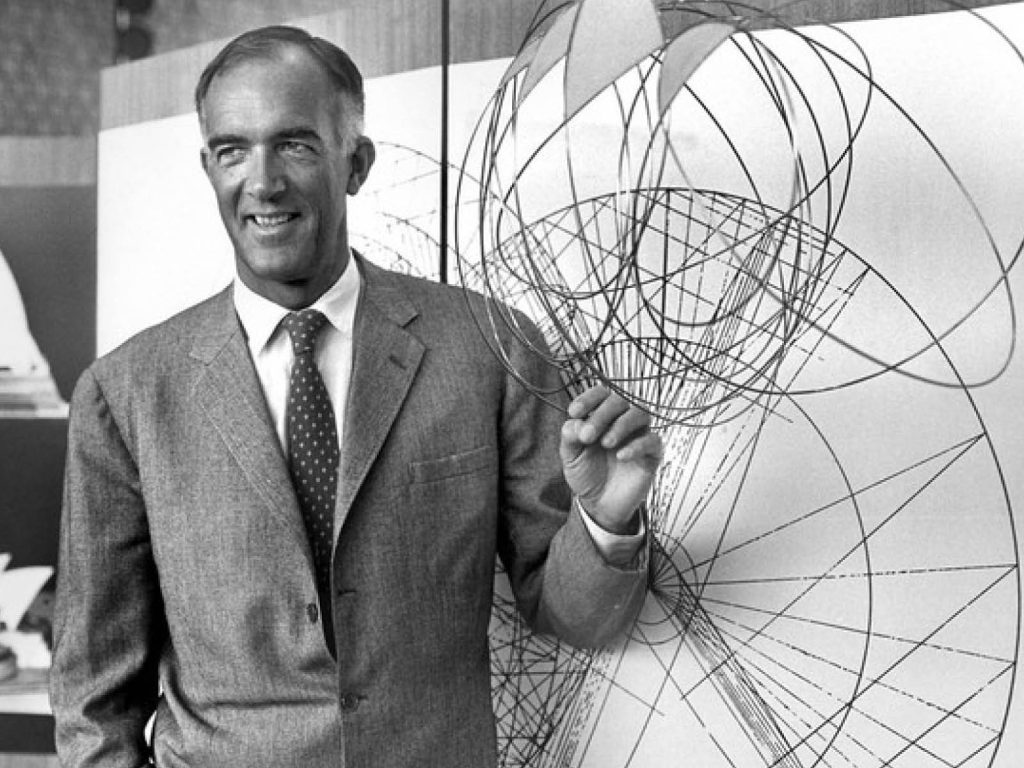
Best known for the Sydney Opera House, Utzon’s architectural philosophy celebrated organic shapes, structural honesty and harmony with nature. His later works in Denmark, such as Bagsværd Church, showcase his poetic understanding of space and light.
Sverre Fehn (Norway)
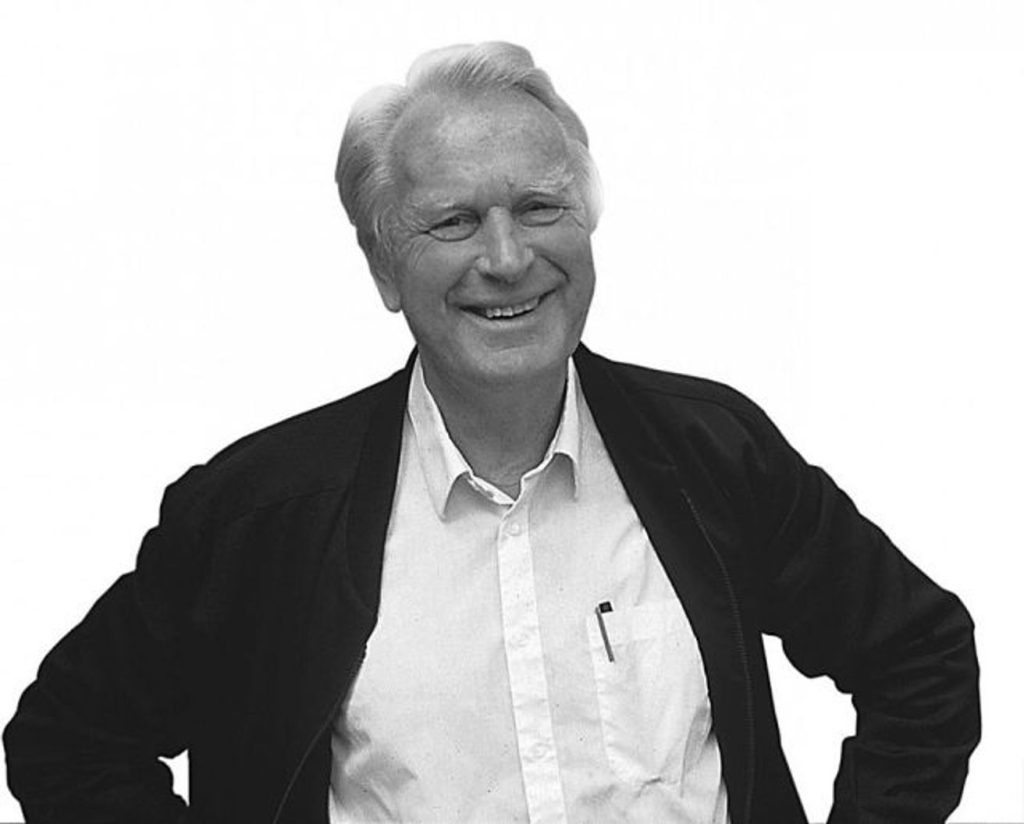
Norwegian architect Sverre Fehn is known for his thoughtful integration of modern materials within natural landscapes. His Nordic Pavilion at the Venice Biennale exemplifies the use of concrete and wood to achieve a meditative architectural atmosphere.
Gunnar Asplund (Sweden)
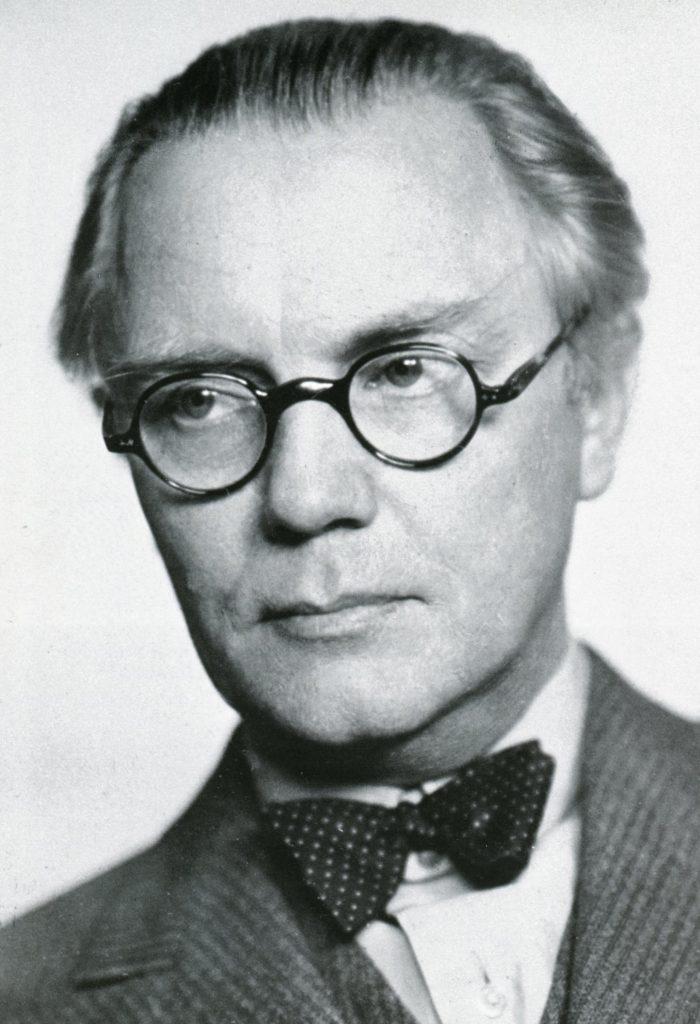
A key figure bridging classical and modern architecture, Asplund’s Stockholm Public Library and Woodland Cemetery display an elegant balance of geometry, proportion and human emotion — qualities that deeply influenced future Scandinavian architects.
The Legacy of Scandinavian Design
Scandinavian architecture continues to influence global design thinking, from minimalist interiors to sustainable urban planning. Its focus on light, nature and human comfort remains relevant in a world increasingly defined by complexity and speed.
In essence, Scandinavian design endures because it offers more than visual appeal — it offers a philosophy of living. It teaches that simplicity is not absence but presence, that functionality can coexist with beauty, and that the built environment, when thoughtfully crafted, can nurture the spirit as much as it serves the body. Just as the northern light transforms every landscape it touches, Scandinavian design transforms modern architecture by illuminating the profound elegance of simplicity.