

Queen Anne architecture is what happens when houses decide to stop behaving and start showing off. Straight lines were ignored symmetry was questioned and suddenly roofs twisted towers popped up and windows appeared wherever they felt like it. This was architecture with charm confidence and a refusal to be boring. In an age dominated by industrial repetition Queen Anne homes arrived like a breath of fresh air proving that domestic architecture could be playful expressive and proudly individual. These were not houses that whispered taste they laughed waved and invited you inside.

What Is Queen Anne Style Architecture
Queen Anne style architecture is a late nineteenth century residential style known for its asymmetry eclectic ornamentation and varied forms. Despite its name the style has little direct connection to the reign of Queen Anne. Instead it emerged as part of the Victorian era’s broader rejection of classical rigidity embracing creativity and artistic expression. The style flourished particularly in Britain and the United States becoming a favourite for suburban homes and affluent neighbourhoods.
The Historical Context Of Queen Anne Design
Queen Anne architecture developed during a period of rapid industrialisation and urban expansion. Advances in building technology and mass produced materials allowed architects to experiment freely with form and decoration. Influenced by medieval English architecture Arts and Crafts principles and regional vernacular styles Queen Anne design celebrated craftsmanship individuality and visual richness. It became a statement against uniformity in an increasingly mechanised world.
Also Read: Smart Homes of 2030: Blending Frank Lloyd Wright’s Organic Design with Modern Technology
Key Features Of Queen Anne Architecture
Queen Anne buildings are instantly recognisable by their asymmetrical facades steeply pitched roofs decorative gables and prominent towers or turrets. Wraparound porches bay windows and textured wall surfaces add depth and variety. Ornamentation includes patterned brickwork timber detailing stained glass and elaborate trim. Interiors often feature irregular floor plans fireplaces built in cabinetry and decorative woodwork reinforcing the sense of warmth and personality.

Queen Anne Architecture In Residential Life
The style found its greatest success in residential architecture where homeowners embraced its expressive nature. Queen Anne houses allowed families to display individuality status and taste through architecture. Each home could be uniquely composed even within the same neighbourhood. This flexibility made the style especially popular in suburban developments where visual diversity was valued.
The Enduring Appeal Of Queen Anne Architecture
Queen Anne architecture remains beloved for its charm character and sense of craftsmanship. Its expressive forms and rich detailing continue to inspire preservation efforts and contemporary reinterpretations. In an era of minimalism Queen Anne design offers warmth personality and a reminder that houses can be joyful works of art.
Top Queen Anne Buildings That Defined Expressive Domestic Architecture
Carson Mansion Eureka, California, United States
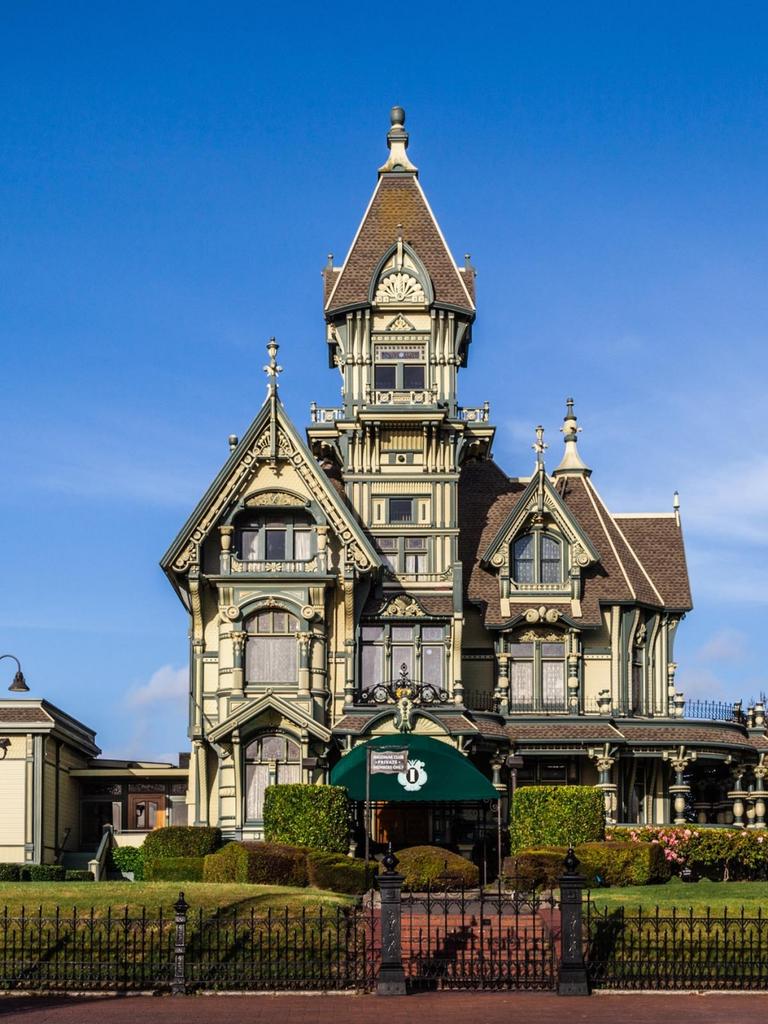
The Carson Mansion is widely regarded as the most extravagant and recognisable Queen Anne house ever built. Completed in the late nineteenth century this extraordinary residence features a complex roofline soaring towers ornate gables and lavish woodwork throughout. Every surface tells a story of craftsmanship ambition and artistic freedom. The building embodies the Queen Anne spirit of excess and individuality making it an icon of American residential architecture.
Bedford Park, London, England
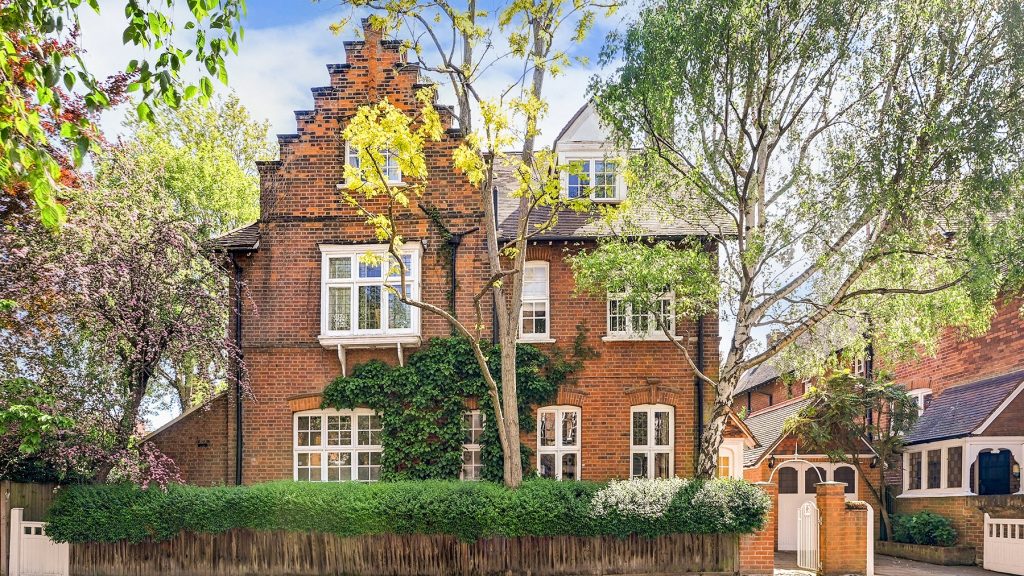
Bedford Park stands as one of the earliest garden suburbs and a landmark in Queen Anne residential planning. Designed primarily by Richard Norman Shaw the neighbourhood blends red brick facades gabled roofs and refined detailing. Unlike more flamboyant examples Bedford Park demonstrates the softer more restrained side of Queen Anne architecture. It remains influential for its balance of individuality community planning and architectural harmony.
The William G Low House Bristol, Rhode Island, United States
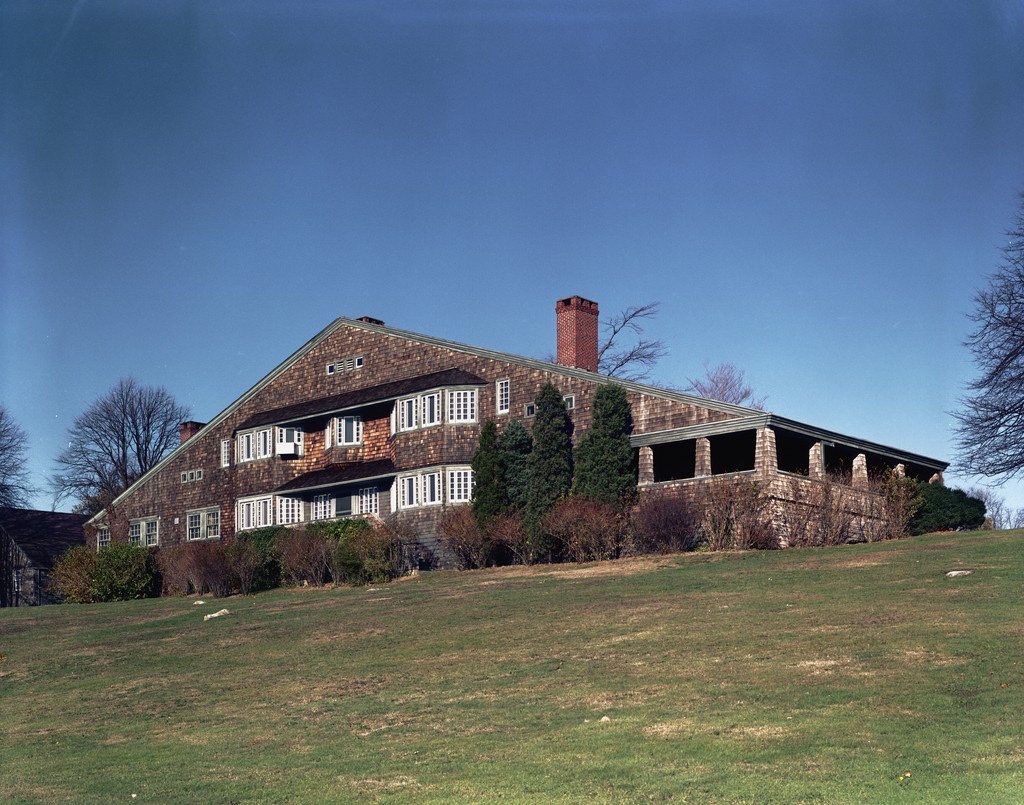
Designed by Henry Hobson Richardson this house represents a unique interpretation of Queen Anne architecture infused with Romanesque influence. Its sweeping roofline broad porches and carefully composed massing emphasise form and proportion over ornament. The building demonstrates how Queen Anne principles could be adapted by master architects to create architecture that was expressive yet intellectually rigorous.
Queen Anne Hill, Seattle, Washington D.C, United States
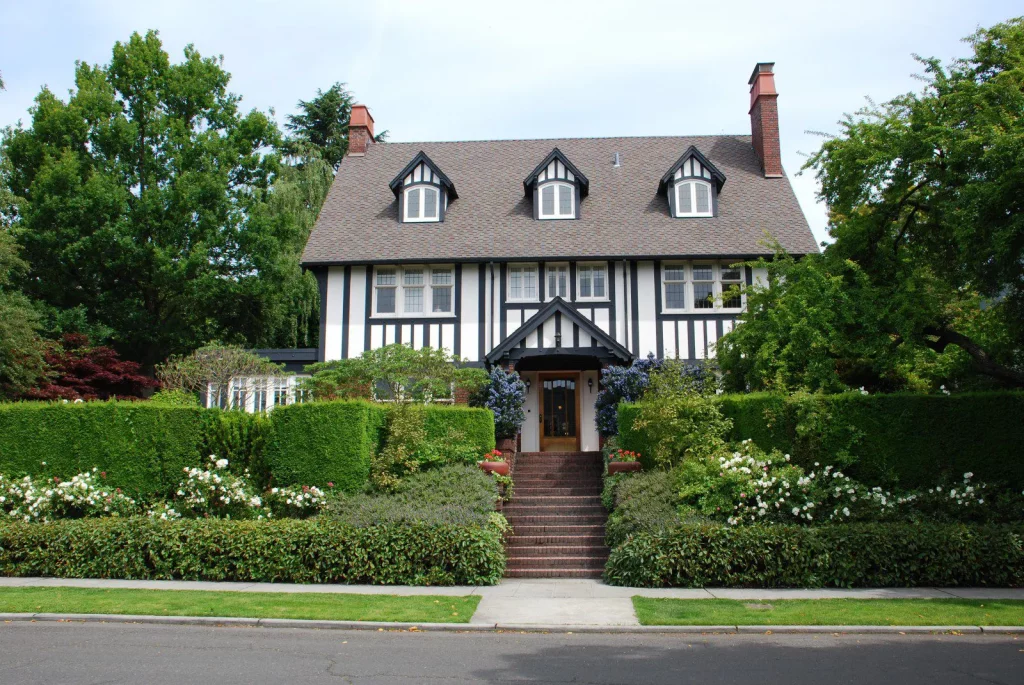
Queen Anne Hill is not a single building but a historic neighbourhood that collectively defines the style. Home to numerous Queen Anne houses featuring turrets wraparound porches and decorative detailing the area illustrates how the style shaped entire communities. The neighbourhood remains one of Seattle’s most desirable residential districts proving the lasting appeal of Queen Anne architecture in modern urban life.