For Gaurav Gupta, fashion has never been simply about clothes. His sculptural silhouettes, architectural forms and instinctive approach to couture have built a visual language that feels as much like art as it does fashion. Now, as his Fall 2026 eveningwear collection arrives in India following its showcase at Harrods, the designer finds himself at an intriguing new juncture, one defined not just by ambition, but by stillness, trust and transformation.
In conversation with Outlook Luxe, Gupta reflects on the evolution of his signature aesthetic, the creative impulse behind Fall ’26, and his journey from Delhi to the international luxury stage. He speaks about balancing centuries-old Indian craftsmanship with futuristic design for Isha Ambani’s Met Gala look, the universality of emotion in fashion, and his vision for building an unmistakably Indian luxury house with a global voice. For a designer who once found inspiration in intensity, the next chapter is perhaps about something more elusive: creating from a place of clarity, and ultimately, creating worlds rather than simply collections.
Here’s what GG had to say:
1. You’re bringing your Fall ’26 eveningwear collection to India after its showcase at Harrods. What does this moment mean to you?
It feels like a full-circle moment. Harrods is one of the world’s great luxury institutions, but bringing the collection home carries a different emotion. India has always been the source of the craftsmanship, the imagination and the energy behind everything we create. To present this chapter here feels less like a return and more like a conversation between where we began and where we’re headed.

2. Your sculptural silhouettes have become synonymous with the Gaurav Gupta universe. What are you trying to express through them today?
The sculpture has never been about making something dramatic for the sake of it. It’s about giving shape to emotion. Today I’m interested in expressing resilience, softness and transformation at the same time. The body becomes almost like a landscape where movement, memory and energy coexist.
Also Read: Favre Leuba Announces Collaboration With Renowned Indian Couturier Gaurav Gupta
3. What was the creative impulse behind Fall ’26, and how did the collection evolve?
Fall ’26 began with the idea of quiet power. I wanted glamour that felt lighter, more instinctive, almost effortless, while still carrying the precision our atelier is known for. As the collection evolved, it became about contrasts: fluidity against structure, softness against strength, and creating eveningwear that feels deeply emotional rather than simply decorative.

4. From Delhi to Paris and now Harrods, how has your understanding of the global luxury customer changed?
People often think luxury changes dramatically across markets, but I think emotion is universal. What has changed is that today’s customer wants authenticity. They aren’t buying into geography anymore, they’re buying into a point of view. That has given me even more confidence to lead with our own language instead of trying to adapt it.
5. Your work often sits at the intersection of fashion, art and architecture. Where does your imagination go when you begin a new collection?
It rarely starts with clothes. It begins with a feeling, a sculpture, light moving across a surface, a spiritual idea, or even silence. I collect these fragments until they start speaking to each other. Only then does the garment emerge.

6. You recently spoke with Gurudev Sri Sri Ravi Shankar. Has that conversation changed the way you think about creativity, ambition or success?
This was a very special moment for me. It reminded me that creativity flows best when you’re not forcing it. We spoke about presence, and I realised that ambition doesn’t disappear when you become calmer. It actually becomes clearer. Success feels much more meaningful when it comes from alignment rather than constant urgency.
7. Fashion can be an intensely demanding industry. What does stillness mean to you, and has it become part of your creative process?
Stillness has become essential. Earlier I thought creating required constant intensity, but I’ve realised some of the strongest ideas arrive in moments when I’m simply observing. Even during the chaos of a collection, finding small pockets of silence changes how I make decisions.

8. You’ve said that fashion can be bigger than clothes. What do you believe fashion can make people feel or experience?
Fashion can transform the way someone occupies space. It can make you feel courageous, vulnerable, liberated or deeply connected to yourself. When someone wears one of our pieces, I hope they don’t just feel dressed, I hope they feel expanded.
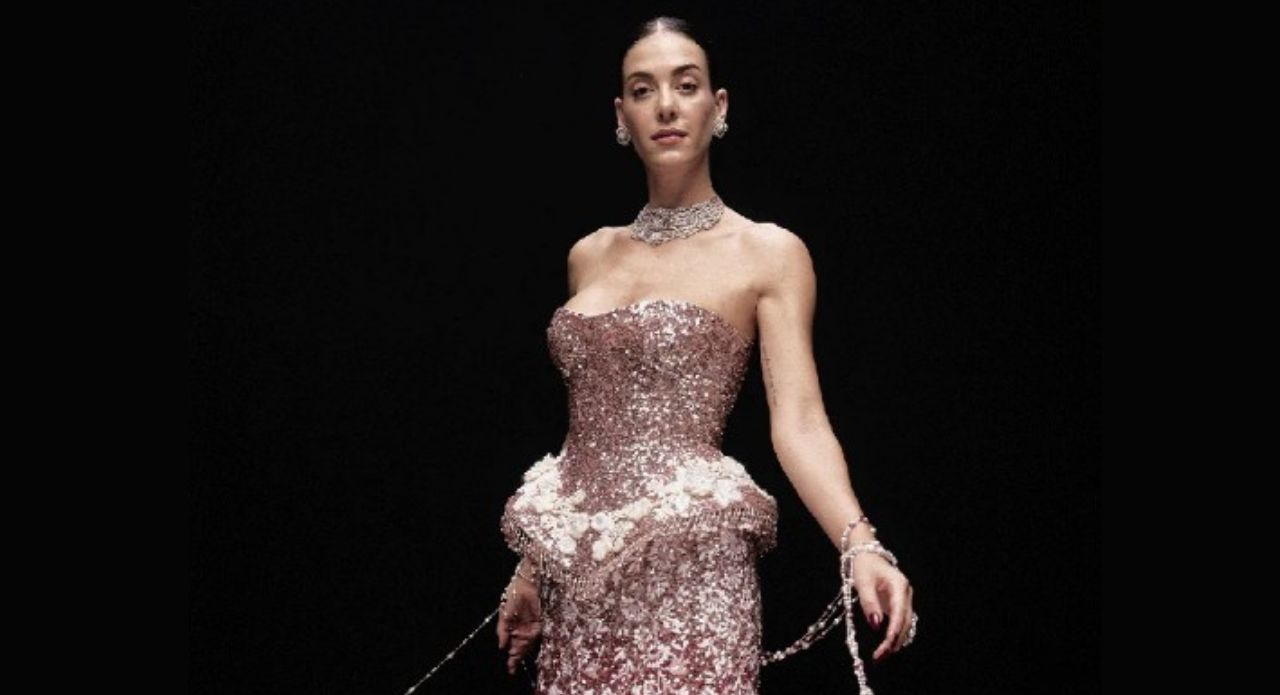
9. For Isha Ambani’s MET Gala look, how did you balance centuries-old Indian craftsmanship with your distinctly futuristic design language?
The balance came naturally because I don’t see tradition and futurism as opposites. The craftsmanship comes from techniques that have lived in India for generations, while the silhouette imagines where those techniques can travel next. The goal was to honour the intelligence of the craft without making it feel historical.
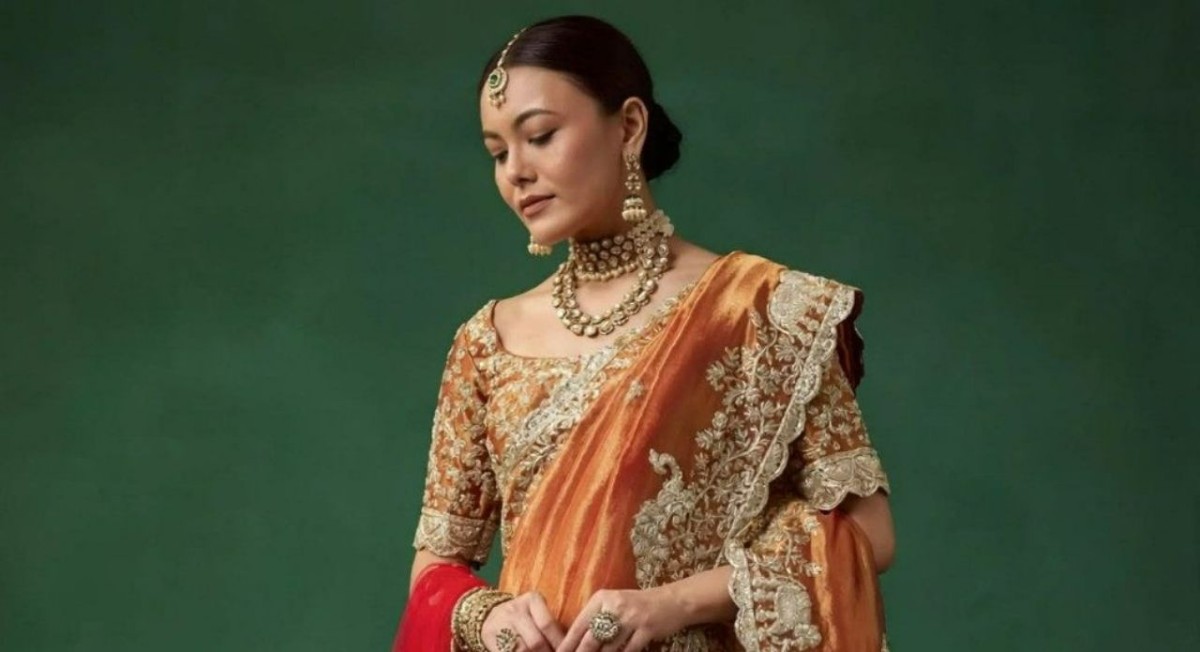
10. The sari became a sculptural canvas in your hands. What made you want to reinterpret one of India’s most iconic garments this way?
The sari is already one of the most contemporary garments ever created because it’s endlessly adaptable. I never wanted to replace its identity. I wanted to reveal another possibility within it. Sculpture became a way of extending its fluidity rather than restricting it.

11. From dressing global stars to showcasing at international fashion weeks, what does building a truly global Indian fashion house mean to you?
It means creating a brand that’s unmistakably Indian without feeling confined by geography. I want our craftsmanship, our philosophy and our imagination to travel freely. The dream has never been to imitate global luxury. It’s to contribute a new language to it.
12. Your clothes are larger than life and highly engineered, but you’ve also spoken about becoming calmer as a show approaches. Where does that sense of calm come from?
I think it comes from trust. Earlier I carried every detail mentally. Now I trust my team, my atelier and the process we’ve built together over the years. Once you’ve given everything to the work, there’s a point where you have to let it breathe.

13. As Gaurav Gupta enters this next chapter, what is the one creative frontier you still want to conquer?
I’m interested in creating worlds, not just collections. Whether that’s through couture, design, immersive experiences or architecture, I want people to step into an emotional universe that exists beyond the garment itself.
14. What is something you’ve learned outside fashion that has fundamentally changed the way you design?
I’ve learned that everything is energy. The way people move, the way light behaves, the way stillness feels, all of it influences design. Once I stopped looking only at fashion for inspiration, my work became much more intuitive and much more alive.