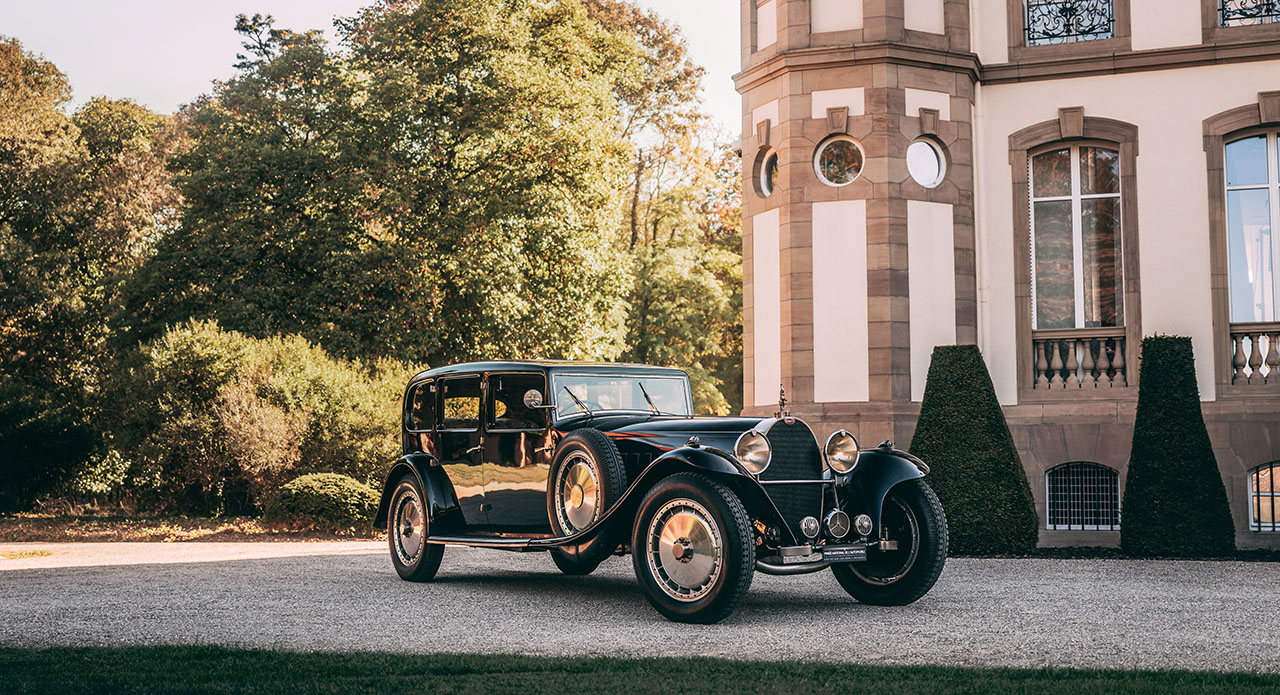


Every so often, an automobile arrives that seems to have been designed without reference to anything else on the road, and perhaps without much reference to common sense. A century ago, Ettore Bugatti set out to make exactly such a machine. He wanted something faster, more elegant and more luxurious than anything his contemporaries could offer, an expression of what the automobile could become when engineering, refinement and uncompromising craftsmanship came together as one. The result was the Bugatti Type 41 Royale, a car so large, so ambitious and so deliberately exclusive that it was intended for emperors, kings and queens. In June 1926, British reporting already described the still-mysterious machine as “The Golden Bugatti”, a name that proved as fitting as it was evocative. Only six Royales were ever built, and no two are alike. A hundred years later, they remain among the most extraordinary objects in motoring history, and their story is as much about vision and craft as about the cars themselves.
An Automobile Without Precedent
When presented in 1926, the Royale was the largest and most ambitious car Bugatti had ever built. It measured more than six metres in length, with a wheelbase of about 4.3 metres, and in series form it was powered by a 12.8-litre straight-eight producing around 300 PS. The first prototype went even further, with a straight-eight displacing roughly 14.7 litres before the definitive layout settled at 12.8. Beneath the immense bonnet lay advanced valve gear and dry-sump lubrication, designed to move a car weighing around 3.5 tonnes with remarkable authority. Bugatti records a ceiling of up to 200 km/h, astonishing for a machine of such scale in its era.
Also Read: Lamborghini Unveils Temerario Tettonero: A Bold New Edition Of Its Hybrid Supercar
A Canvas for the Coachbuilders
The Royale’s proportions offered a canvas for the finest coachbuilding of the period. Bodies came from Bugatti itself and from celebrated houses such as Weymann, Kellner, Weinberger, Binder and Park Ward. The mechanical concept was shared, but how each car took shape was left to the coachbuilder and, in some cases, to the individual who would own it. Almost a century before Bugatti Sur Mesure and Programme Solitaire, the Royale showed the marque’s instinct for tailoring each commission to its custodian.
The Coupé Napoléon
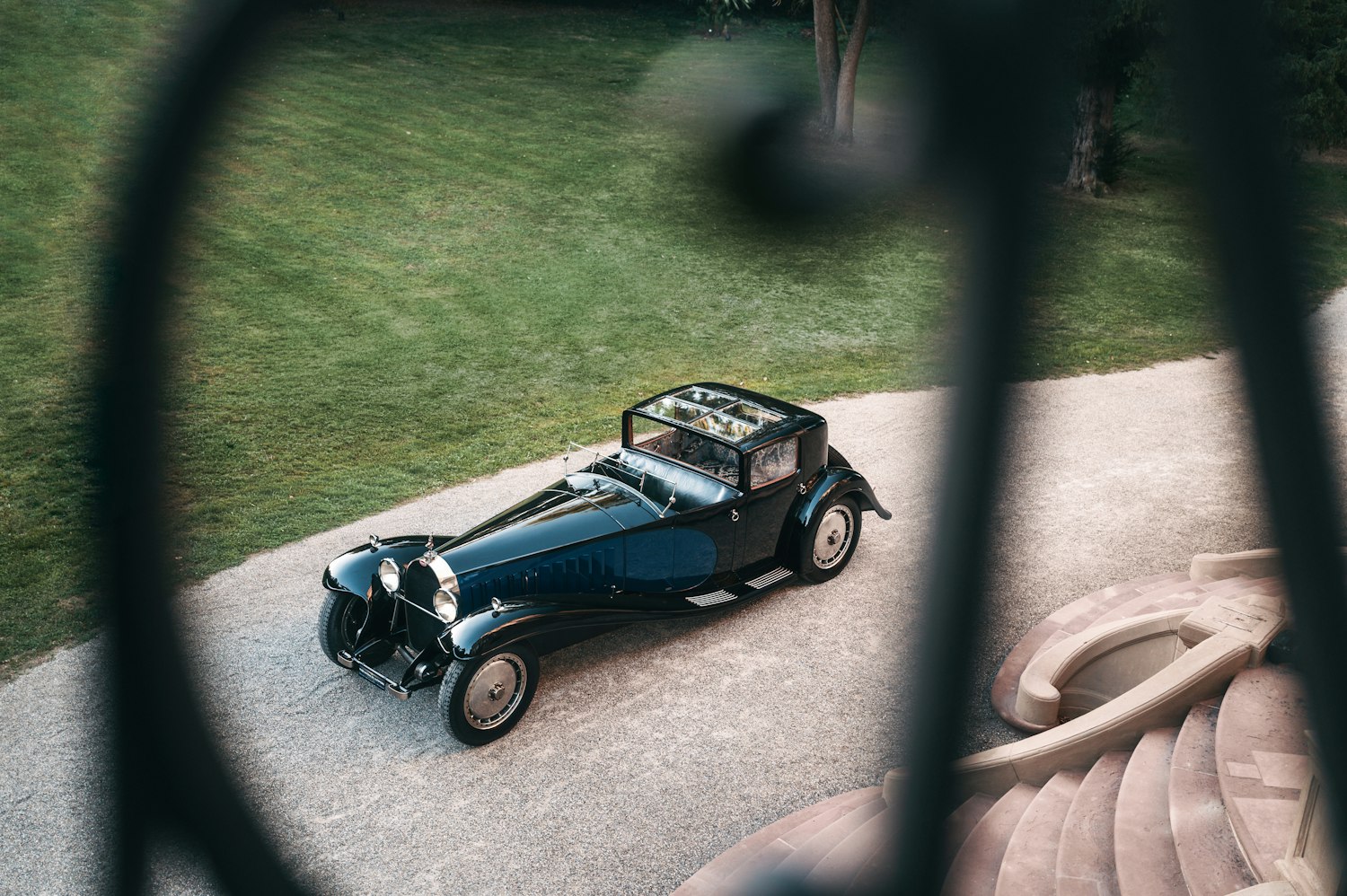
Few Royales illustrate that evolution as clearly as the prototype that became the Coupé Napoléon. Over its life, the car carried several bodies, including a graceful fixed-head coachwork by Weymann that was destroyed in a serious accident in the early 1930s. What followed was a masterwork. Jean Bugatti shaped the car into the Coupé Napoléon, balancing its imposing scale with purity and sophistication. A glazed roof bathed the rear compartment in light, while the chauffeur sat separately up front. It became Ettore Bugatti’s own car, still affectionately called the “Coupé du Patron,” and now resides in the Musée National de l’Automobile, Collection Schlumpf, in Mulhouse. It also stands as an early sign of the creative partnership between father and son.
A Roadster Without Headlights
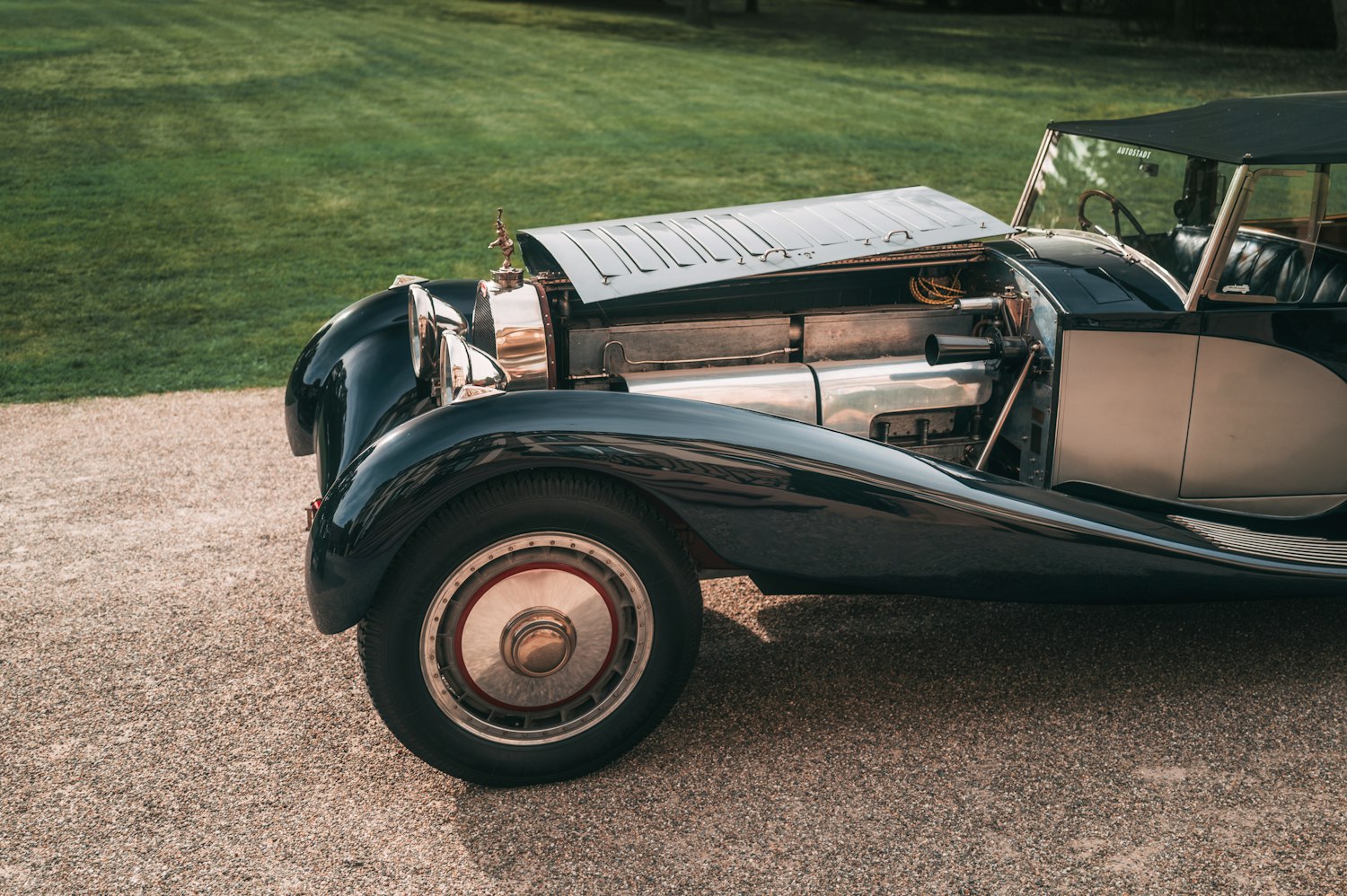
No two cars demonstrate individuality better than the Royale of Armand Esders. The Parisian textile industrialist became the first private customer, commissioning chassis 41111 with an elegant roadster body designed by Jean Bugatti. Esders planned to drive only in daylight, so headlights were deemed unnecessary and omitted altogether. In true Bugatti fashion, a functional request became an opportunity for greater elegance.
Horology on the Steering Wheel
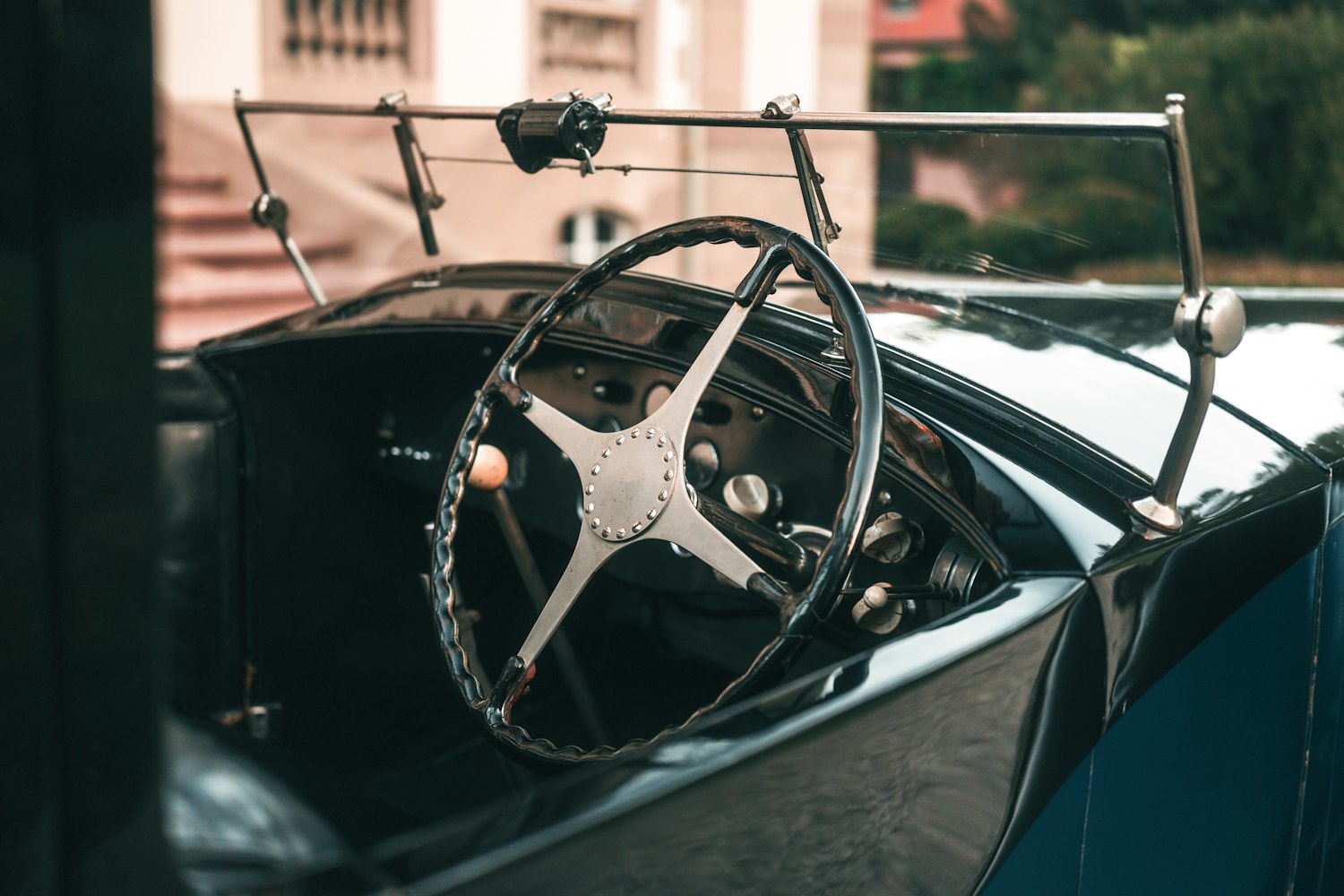
Even the smallest details reflected Ettore’s ambition. In 1932, he commissioned Breguet to create nine mechanical chronographs for the centre of the Royale’s steering wheel. Engraved “Spécial pour Bugatti,” they combined a chronograph, tachometer and eight-day power reserve, a meeting of automotive engineering and haute horlogerie long before such partnerships became fashionable.
Wrong Moment, Lasting Legend
For all its magnificence, the Royale arrived at precisely the wrong economic moment. The global financial crisis curtailed demand for a model reserved for an almost impossibly exclusive clientele, and Bugatti built six rather than the larger series Ettore had imagined. Yet what hurt sales in the period heightened its later status as one of the most coveted automotive masterpieces ever created. In November 1987, the Kellner-bodied Royale was offered by Christie’s at London’s Royal Albert Hall and sold for £5.5 million, a world record for an automobile at auction at the time.
A Reunion for the Centenary
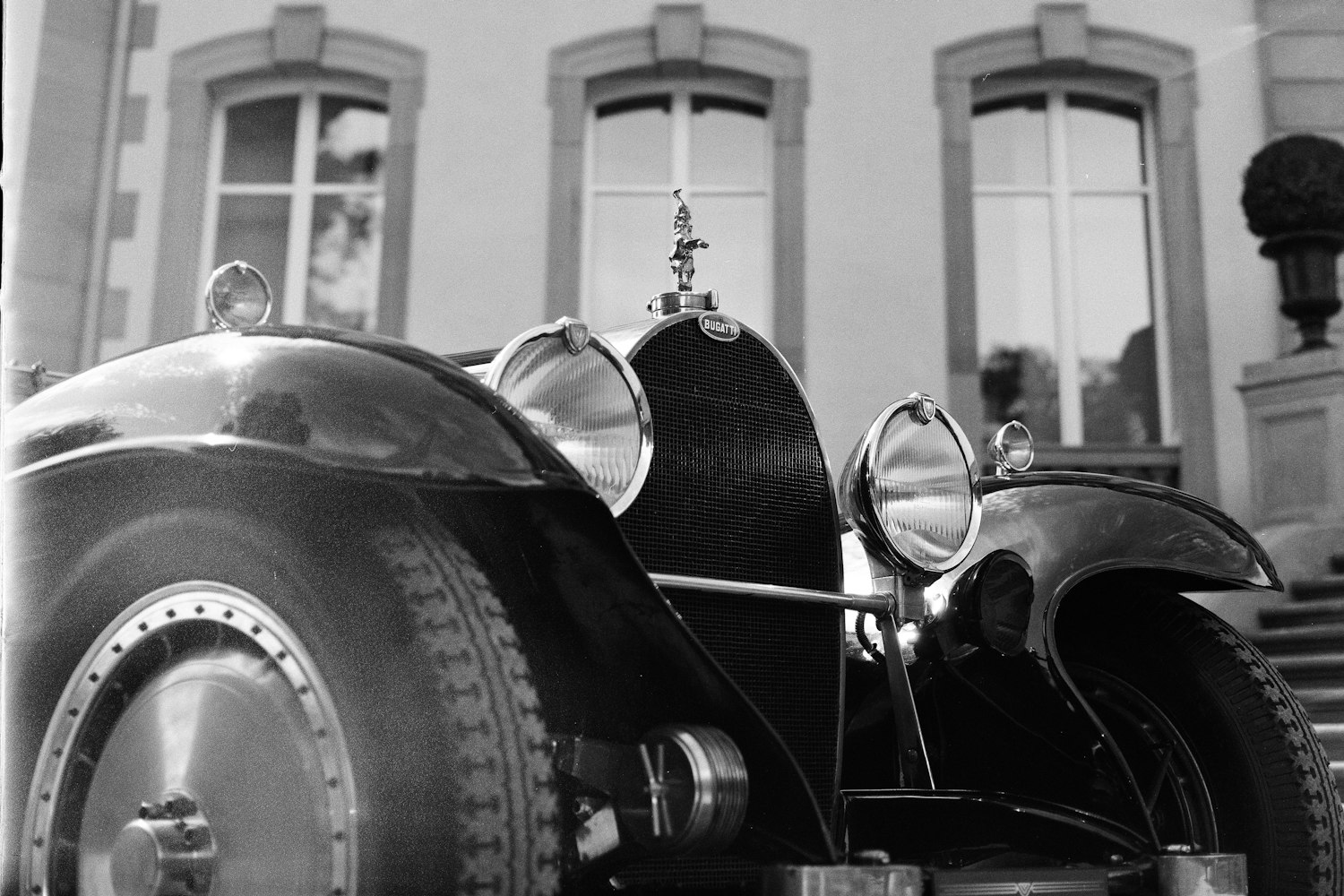
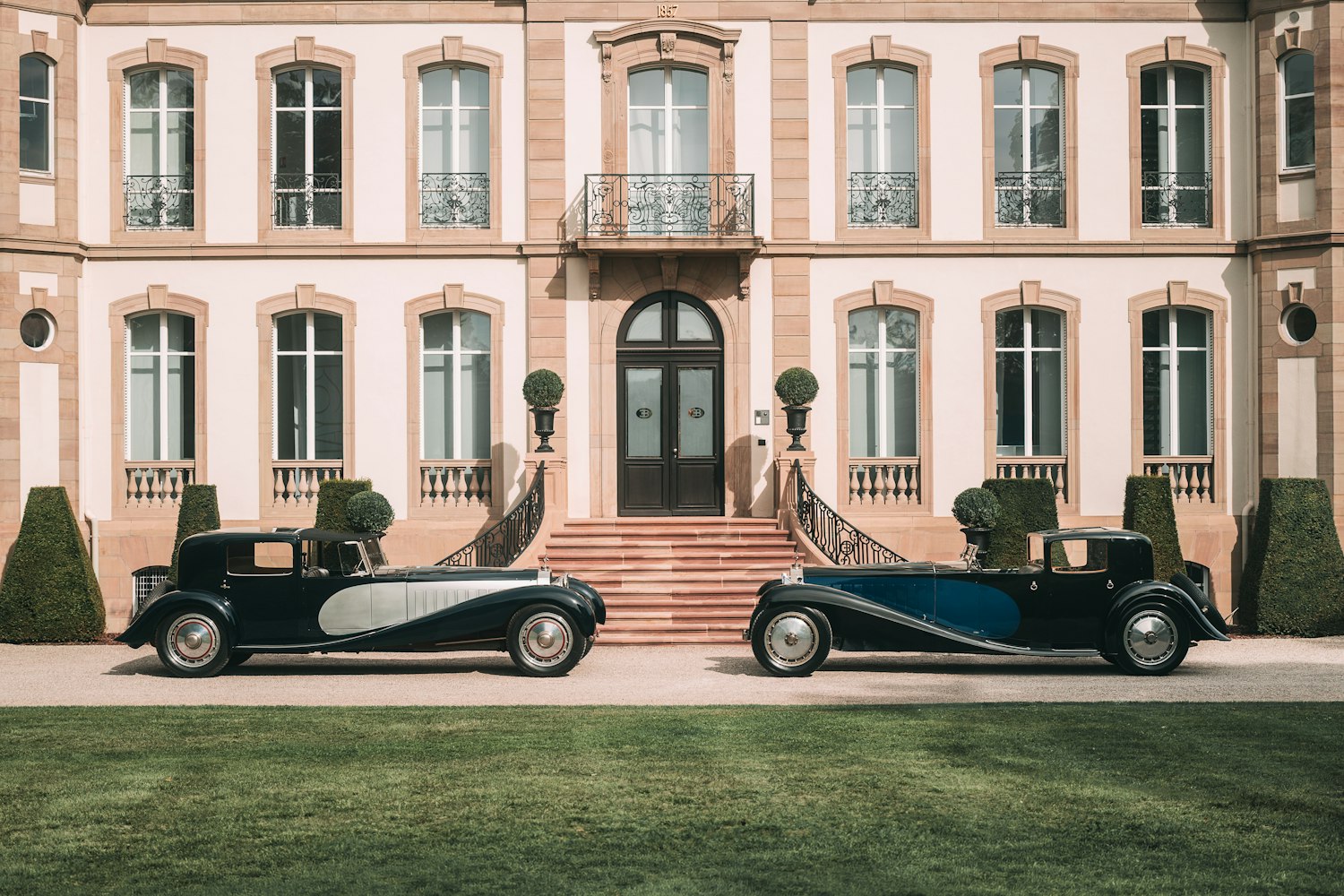
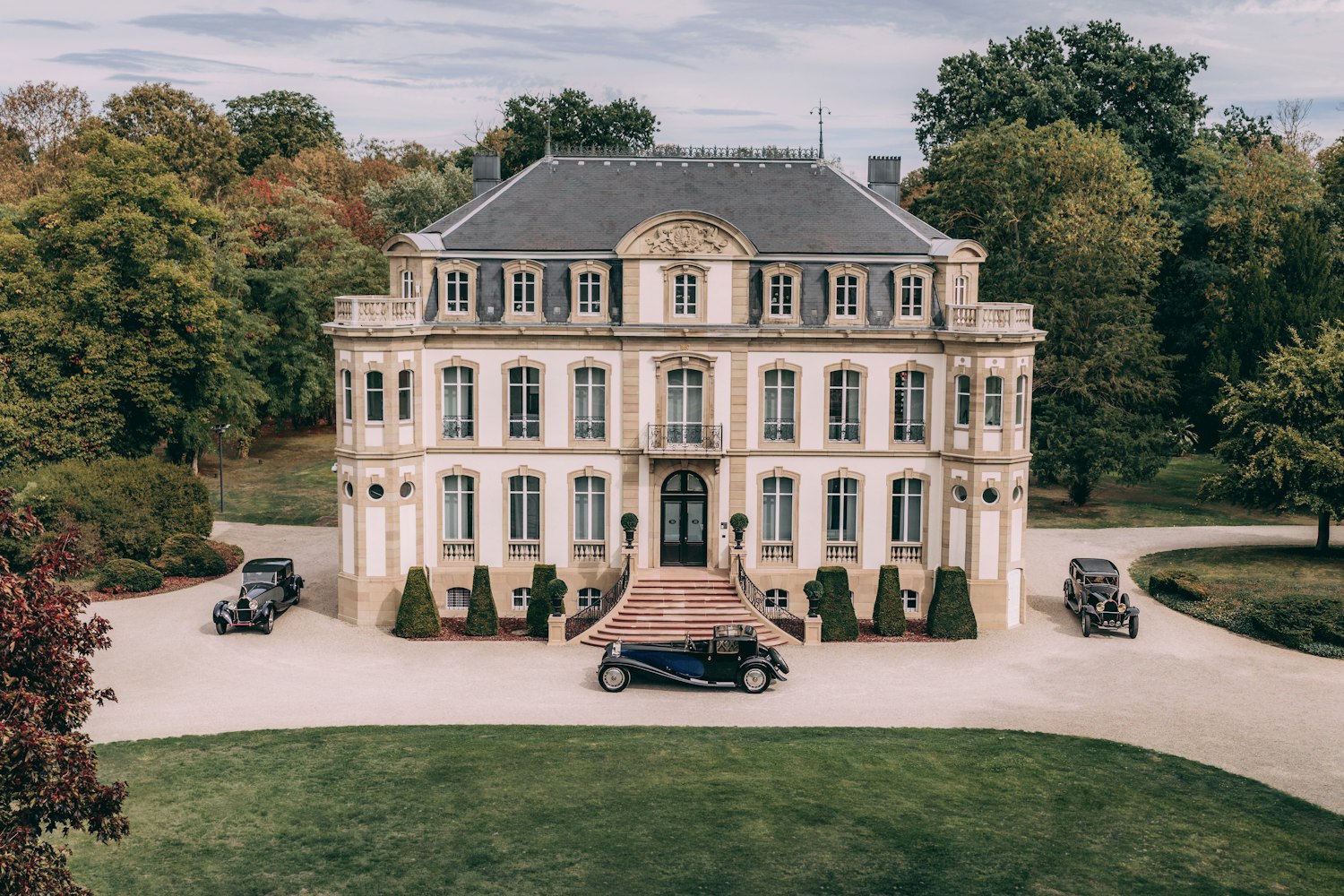
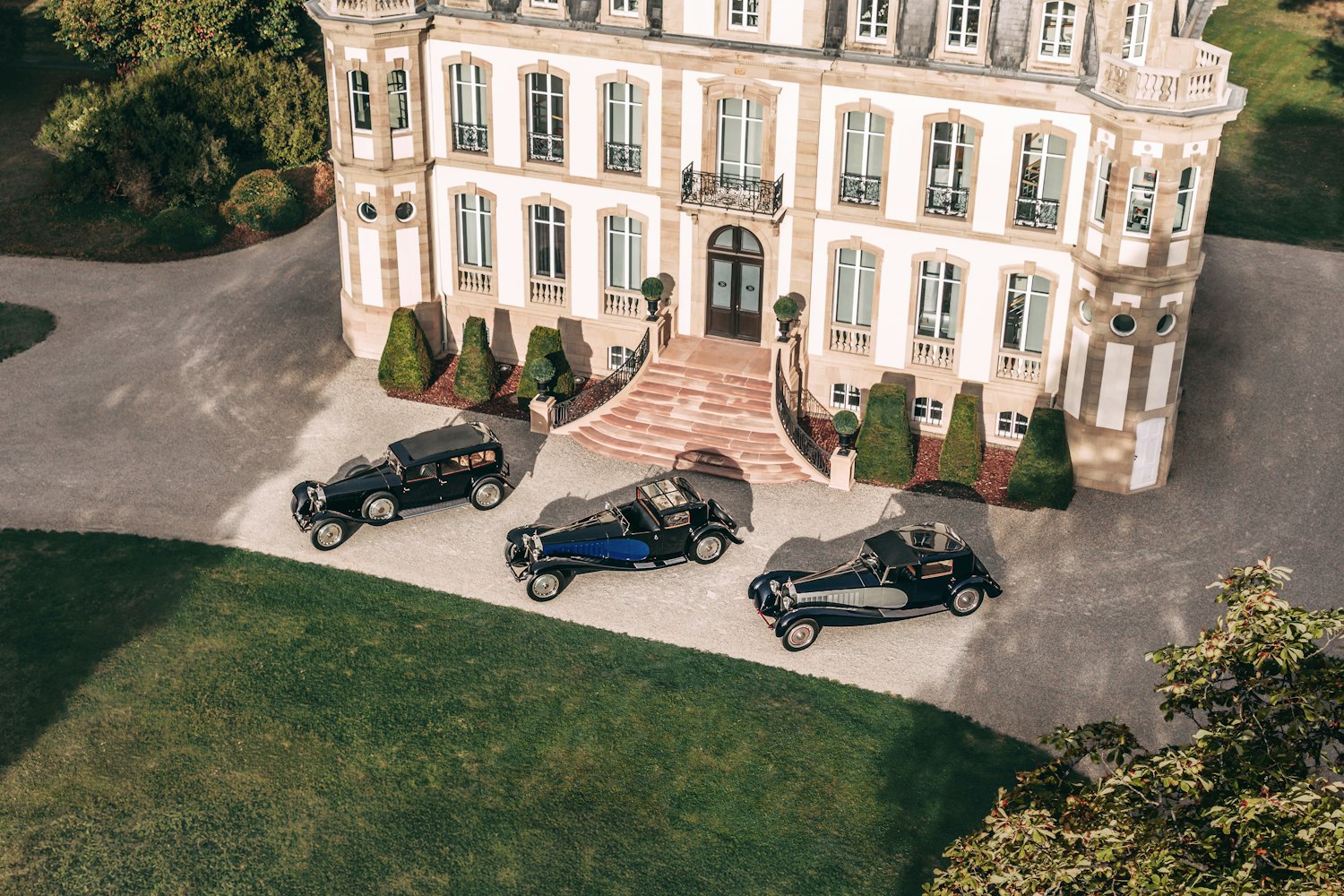
Bugatti marked the centenary in September 2026, when three of the six Royales were reunited at the brand’s home during the Bugatti Festival, for customers, collectors and enthusiasts from around the world. Alongside the Coupé Napoléon stood the Binder-bodied Royale from the Autostadt, which began as Esders’ roadster before Henri Binder reshaped it into an armour-plated Coupé de Ville, and the Park Ward limousine, delivered in 1933 to a British client. From walnut steering wheels to whalebone knobs, all share the same signature touches, and on each radiator stands the elephant sculpted by Ettore’s brother, Rembrandt. A century later, the ideas behind the Royale still guide Bugatti. From the Veyron and Chiron to the Tourbillon, the pursuit of performance continues alongside the same exacting attention to design and craftsmanship, celebrating the emotion an automobile can inspire.