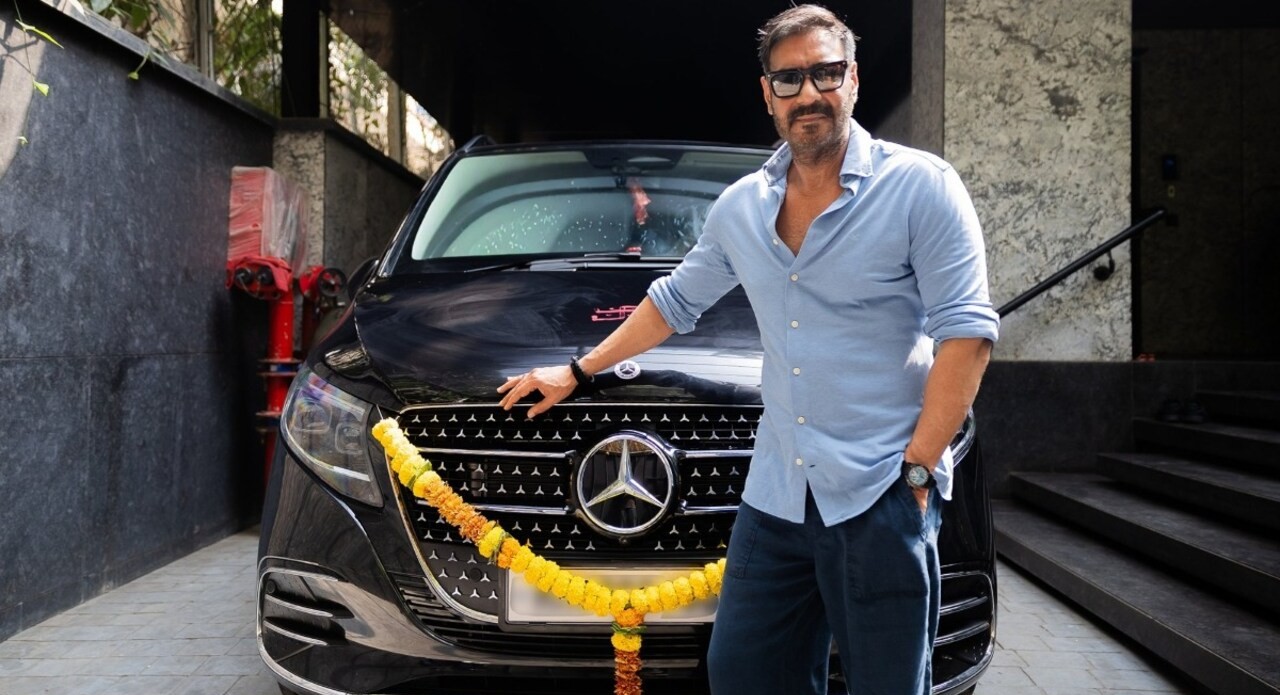


Picture this: early morning on Peddar Road or in Lutyens’ Delhi, a silver sedan glides by with a hum so subtle it barely startles the pigeons. No growl, no rev, no petrol in the air—just a poised, confident silence. Behind the wheel, a young entrepreneur sips his latte, AirPods in, cruising in his Audi e-tron. A few years ago, that quiet might have signalled restraint. Today, this silence feels expensive and it signals status. For India’s affluent, the electric revolution has shifted gears. No longer about environmental virtue or futuristic novelty, it’s now a statement of identity. What began as a refusal to pollute has become an exhibition of taste, technology, and tailoring.
For decades, India’s elite measured success in decibels—the deeper the engine roared, the higher the standing. But in 2025, that hierarchy has been rewired. The new elite embrace voltage and vision, turning their garages into showcases of design and innovation. The EV is no longer a pledge to save the planet; it is proof that their owners are a step ahead of it.
From silence to statement
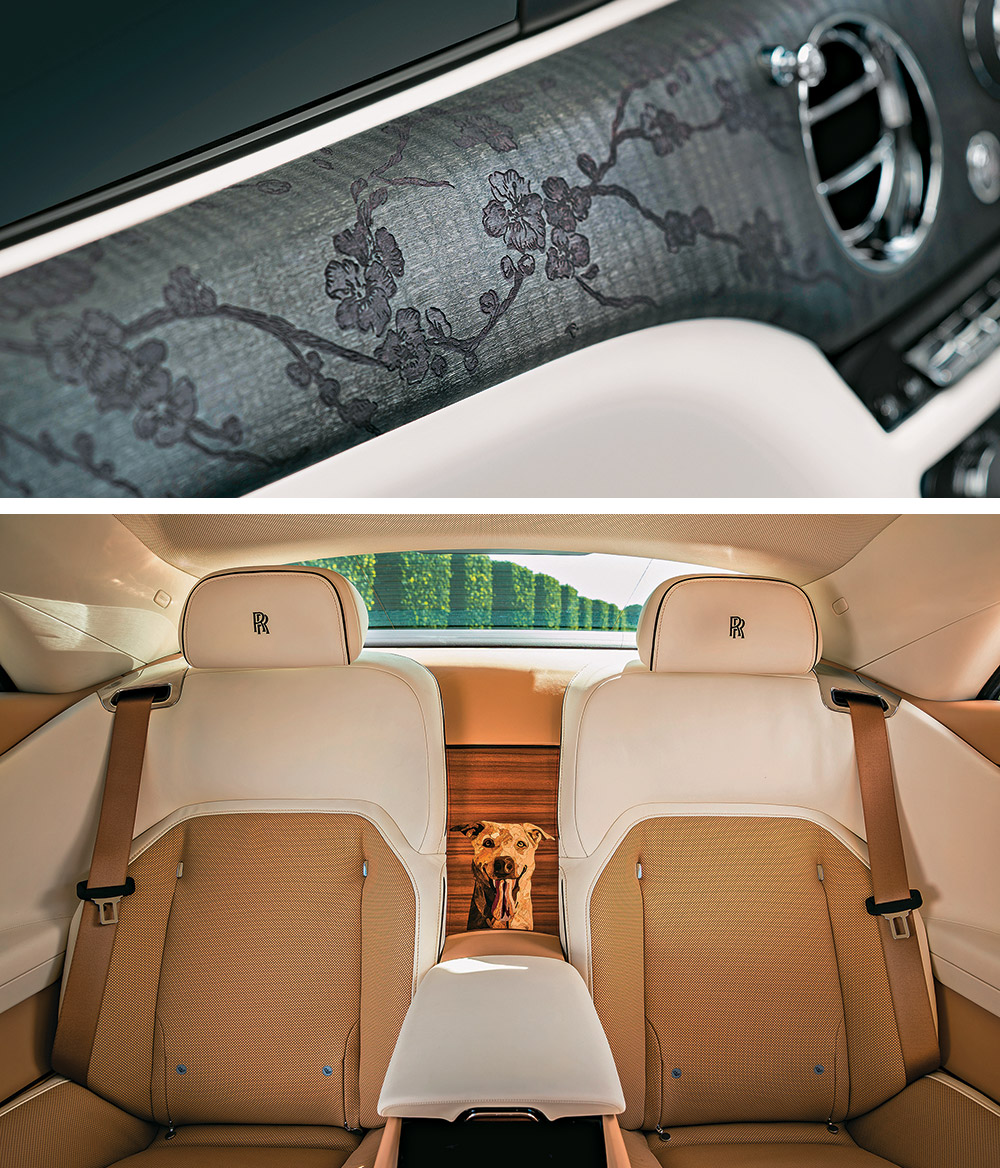
hen EVs first arrived in India, they were defined by what they lacked—noise, exhaust and character. Today, they’re celebrated for what they offer: calm, customisation and couture. What began as omission has evolved into obsession. The wealthy don’t just buy electric; they build electric. Mercedes-Benz clients in India personalise every detail, from hand-stitched Nappa leather as upholstery to ambient lighting that mimics the sunrise over the Aravallis. BMW’s Individual program lets buyers choose anything from metallic lilac to matte jade. A Hyderabad-based collector even ordered his Porsche Taycan in a shade inspired by his grandmother’s silk sari. Each quiet car becomes a personal sonnet, written in premium leather and light.
The price of prestige
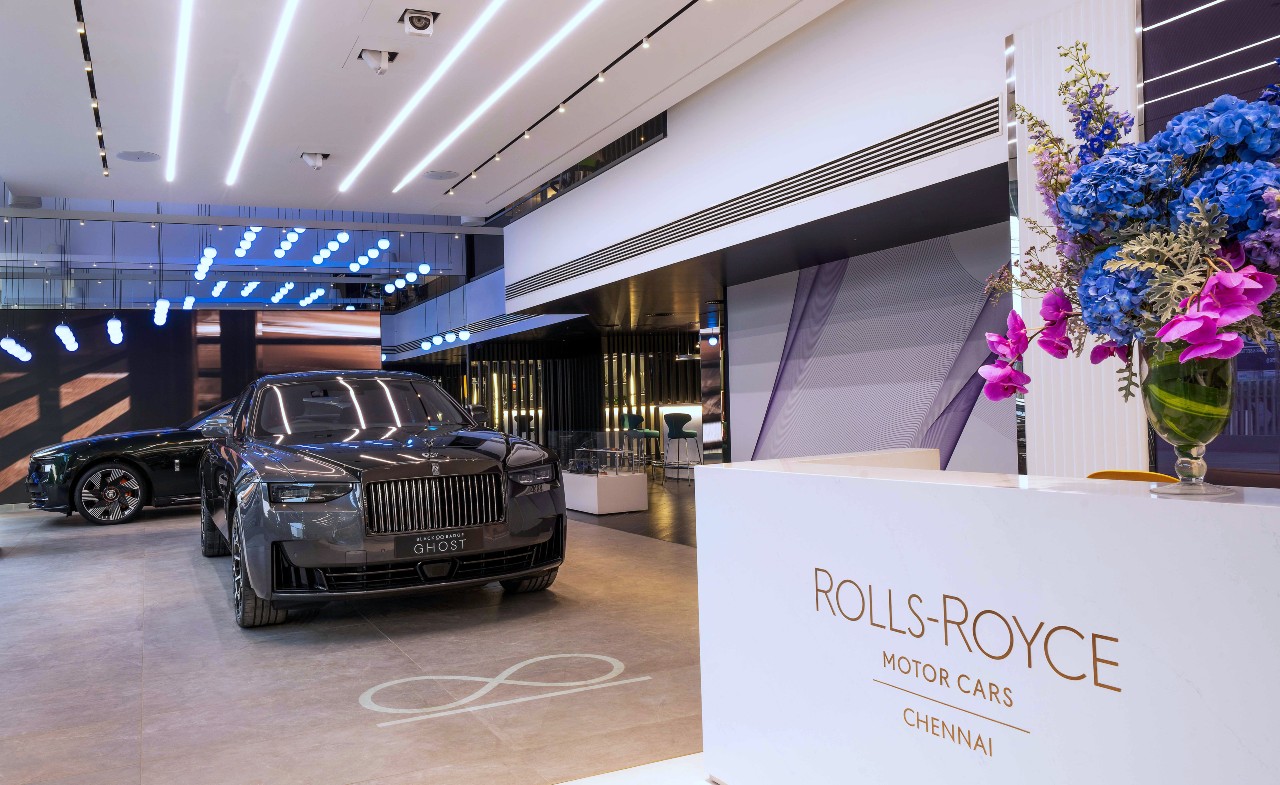
Luxury EVs in India typically start at around Rs 50 lakh and can soar well into crores depending on brand and build. At this level, the conversation shifts from efficiency to experience. Buyers aren’t asking how long it takes to charge—they’re asking which shade of grey pairs best with their interior trims. Mumbai-based Manan Shah, Managing Director of MICL Group, who owns a Porsche Macan EV and a Rolls Royce Spectre explains, “Even in the age of electrification, I believe the essence of luxury remains the same it should evoke a connection and have a soul. A great car reflects the passion of its creators, the attention to detail, and the joy of the drive.”
Mercedes-Benz reported that nearly 75% of its G-Class sales in India—a vehicle priced above Rs 2 crore—are personalised, with custom paint, unique trims, and name-engraved details. This appetite for exclusivity has given rise to hyper-customisation, with clients spending an additional Rs 60 lakh to Rs 1.5 crore on bespoke kits—from handcrafted upholstery to limited-edition wheels and sound systems. The absence of a traditional engine has opened literal and creative space for design innovation. Freed from old mechanical constraints, automakers are crafting sleeker forms and reimagined interiors.
The future of luxury, electrified
The luxury EV market’s surge has prompted global brands—BMW, Mercedes-Benz, Audi, Porsche, Jaguar, and Rolls-Royce—to expand their electric portfolios and local operations. The result is growing confidence that India’s luxury EV scene isn’t a passing trend but a lifestyle shift that is here to stay. It reflects how India’s elite now express themselves. For them, luxury is no longer about owning the loudest or fastest car—it’s about owning the smartest. Saying that one drives an EV today signals the same cultural capital as investing in art or organic farms. “I’ve always admired how every Rolls-Royce feels handcrafted around its owner, and the Spectre continues that legacy while embracing electrification with grace. What drew me was how it brings modern technology without losing the soul of motoring. The silence, the precision, and the effortless power it all feels like progress done right,” says Shah of his Rolls Royce Spectre.
Powertrains that define india’s quiet luxury
As luxury EVs take over India’s premium landscape, their powertrains have become the true storytellers of this silent revolution—proving that performance doesn’t have to roar to be remarkable:
BMW iX1
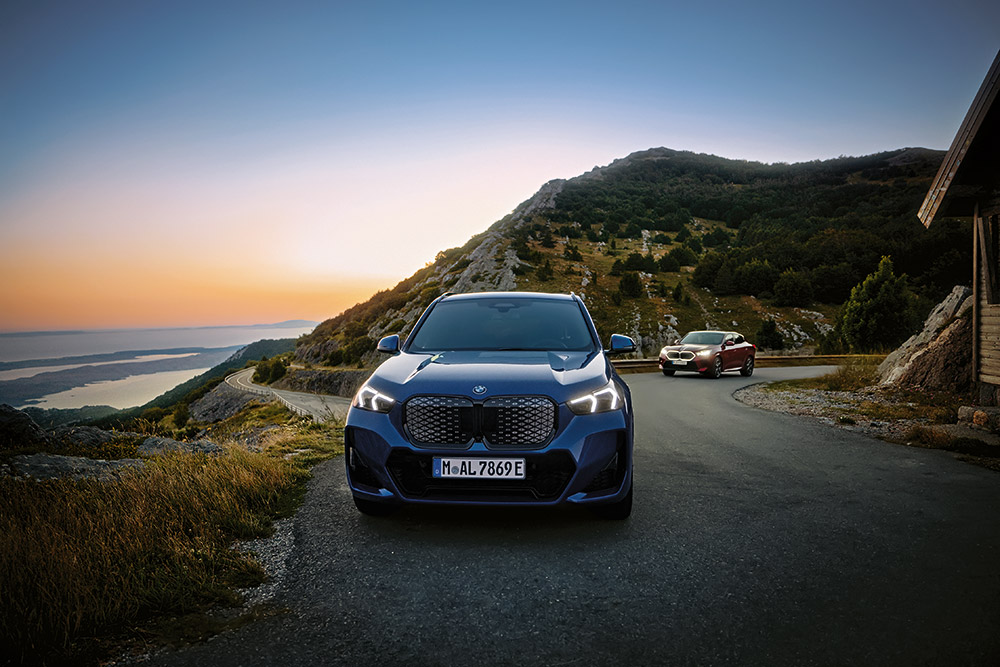
A 66.4 kWh lithium-ion battery powers a front-mounted motor delivering 150 kW (~204 bhp) and 250 Nm of torque. With a range of up to 531 km and 130 kW DC fast-charging (10–80% in 30 minutes), it’s the quiet achiever of the segment.
Volvo XC40 Recharge
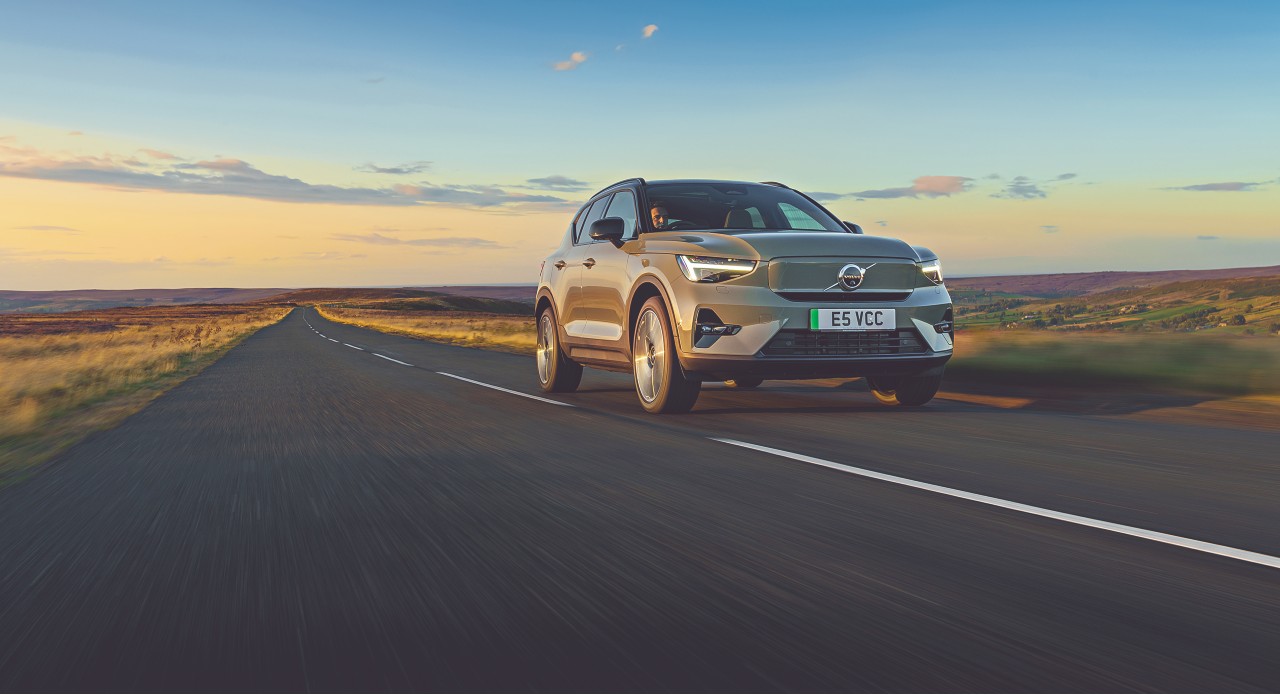
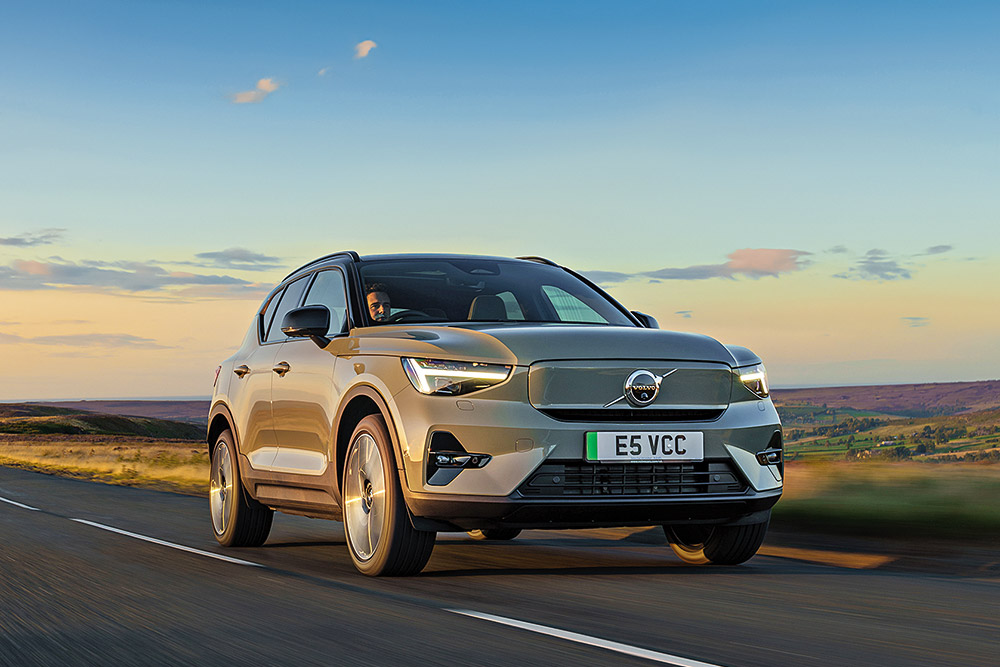
A dual-motor AWD setup produces 408 hp and 660 Nm of torque from a 78 kWh battery, offering rapid acceleration and a 400–500 km real-world range — Scandinavian serenity meets electric punch.
Audi Q8 e-tron
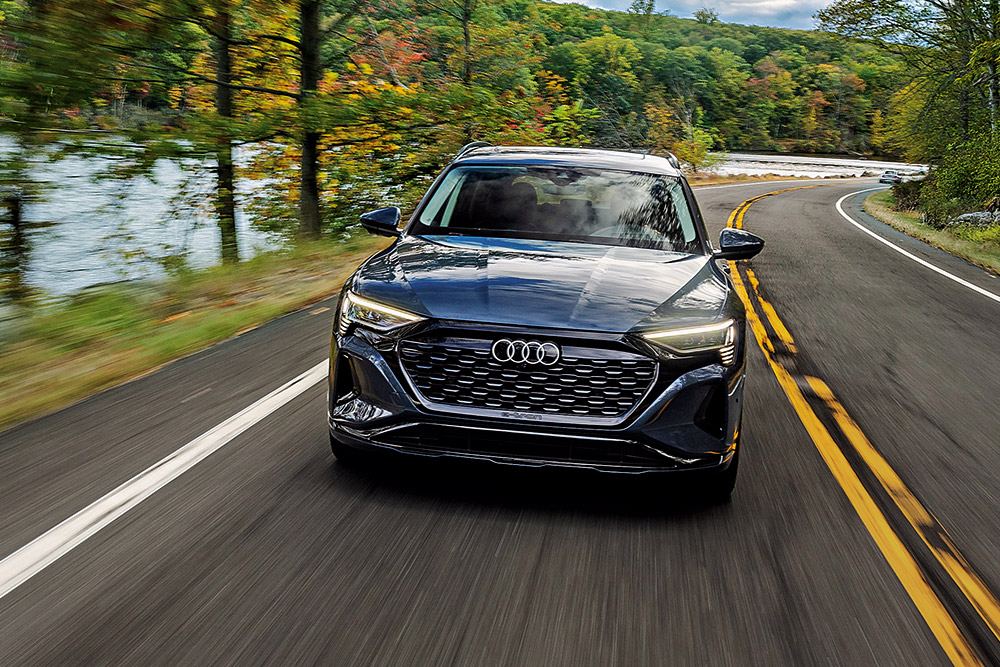
Its 114 kWh battery and dual motors deliver 402 bhp and 664 Nm of torque, with a WLTP range of ~582 km and fast charging up to 170 kW. The quattro system ensures a cushioned drive that epitomises quiet authority.
2025 Porsche Taycan
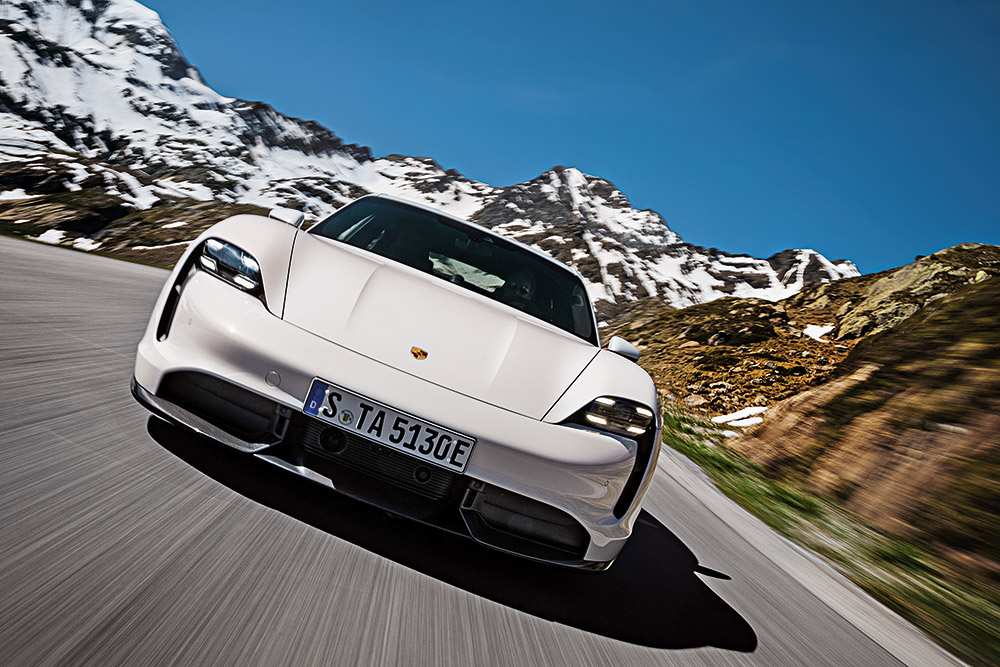
With dual motors, a 93.4 kWh battery, and up to 872 bhp depending on variant, the Taycan’s two-speed gearbox turns silence into exhilaration — performance reimagined.
Rolls-Royce Spectre
The pinnacle of electric luxury, the Spectre’s dual-motor AWD setup delivers 900 Nm of torque from a 102 kWh battery, achieving 0–100 km/h in 4.5 seconds and a 530 km range. It transforms electric propulsion into effortless grace — the ultimate expression of the power of quiet.