

Imagine fiddling under the hood of a 1930s car, popping out a spark plug only to find it cracked, scorched and ready to die — that was standard fare until Helen Blair Bartlett casually strode into the world of combustion engines and said: “Hold my ceramics.” While most inventors chased flashy gadgets or new bodywork, Bartlett quietly rewrote a core rule: make the ignition inside a gasoline engine tougher, hotter and more reliable. Her weapon wasn’t chrome or horsepower — it was science. And thanks to that science, vehicles of the last century ran smoother, longer, and far less likely to leave drivers stranded. No fanfare. No headlines. Just resilience and reliability. That’s Bartlett for you.

Early Life And Scientific Formation
Helen Blair Bartlett was born in 1901, and she pursued geology at a time when female geologists were rare. After graduating with a B.Sc. in geology from Ohio Wesleyan University in 1927, she went on to earn a Ph.D. in mineralogy from Ohio State University in 1931. Her grounding in petrology and mineralogy gave her a deep understanding of materials — how they behave under heat, pressure, and stress. This scientific training set the stage for what would become a surprisingly influential career in automotive engineering, even though she began as a geologist.

Turning Ceramics Into Automotive Gold
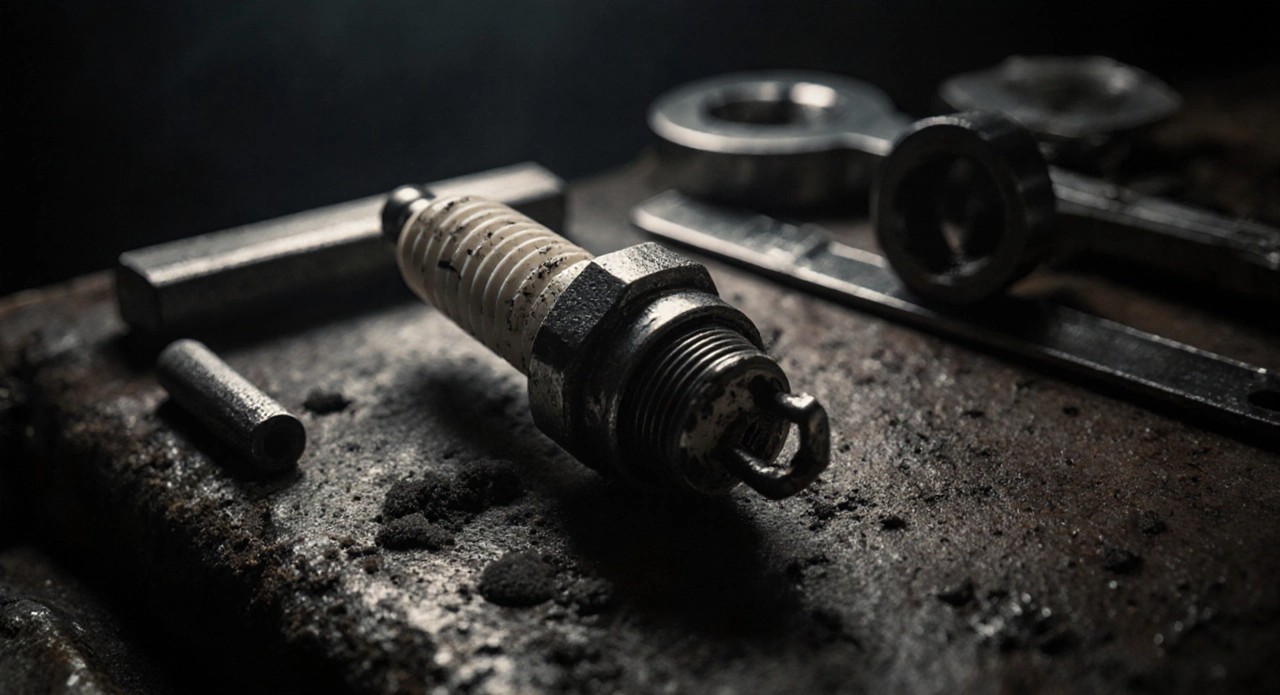
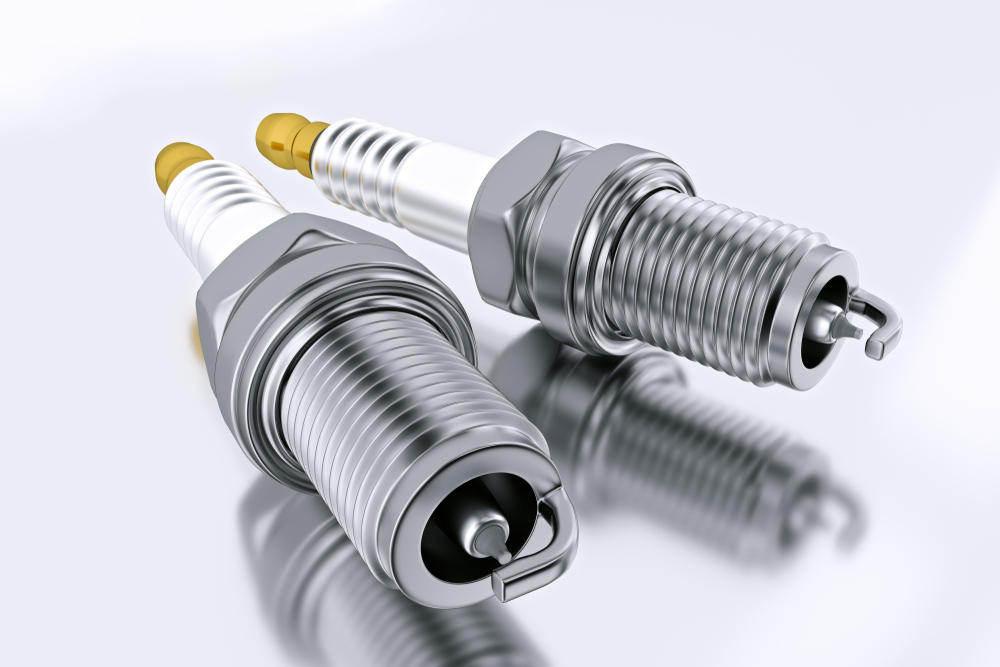
In the early days of automotive ignition systems, spark plug insulators were made of stacked layers of mica or fragile porcelain molded on potter’s wheels — materials that cracked easily under the repeated high heat and voltage inside an engine. When engines became more demanding and fuel quality fluctuated (especially with leaded fuels), these old insulators often failed, decreasing engine efficiency and reliability. Bartlett recognised this as a materials problem at its core. Drawing on her mineral-science background, she pioneered the use of high-alumina ceramic compounds as insulation material for spark plugs, significantly upgrading their heat resistance, durability, and longevity.
From Laboratory to Roads: Her Contribution To Everyday Driving
Working for the AC Spark Plug Division of what became part of General Motors (GM), Bartlett applied her research to real-world automotive needs. Her ceramic spark plug insulators made vehicles more dependable — engines fired consistently, ignition was stable even under stress, and maintenance intervals extended drastically compared to older designs. What this means in simple terms: thanks to her work, millions of vehicles over decades ran more reliably. Breakdowns caused by cracked insulators — particularly under heavy load or extreme weather — became far less common. Her contribution quietly underpinned improved automotive reliability long before modern electronics or fuel-injection technologies came to dominate.
Breaking Barriers As A Woman In Auto Engineering
In the 1930s and beyond, automotive engineering and related research fields were overwhelmingly male-dominated. Bartlett’s ascension from geologist to patented automotive innovator challenged deeply entrenched norms. Her success is a testament not only to her technical acumen but also to her perseverance. She became a pioneering female figure in an industry where women’s contributions were rarely recognised. By combining rigorous science and practical engineering, she carved a path for women in automotive research and innovation, inspiring future generations.
Legacy: Why Spark Plug Insulation Still Matters
Nearly a century later, Bartlett’s ceramic insulator innovation remains foundational. Modern spark plugs — in cars, motorcycles, small engines — still rely on materials and design principles she pioneered: high-alumina ceramics that endure extreme heat and voltage, deliver consistent performance, and reduce maintenance demands.
Without her work, internal combustion engines might have required more frequent maintenance, suffered more misfires, or remained less reliable under demanding conditions. For everyday drivers and the automotive industry at large, her quiet but critical breakthrough enabled the internal combustion engine to become more robust, dependable, and long-lived. Her legacy isn’t about a flashy invention — it’s about a quiet upgrade that made millions of vehicles better, safer, and more durable.