

A car can have a powerful engine, intelligent electronics and the most advanced suspension system in the world, but the final connection between all that technology and the road comes down to four small patches of rubber. Tyres are often the most overlooked part of a vehicle, despite being responsible for every launch, every corner and every braking moment. But rubber is not a material that simply performs at its best from the moment you start driving. It needs to reach the right temperature to unlock its full potential.
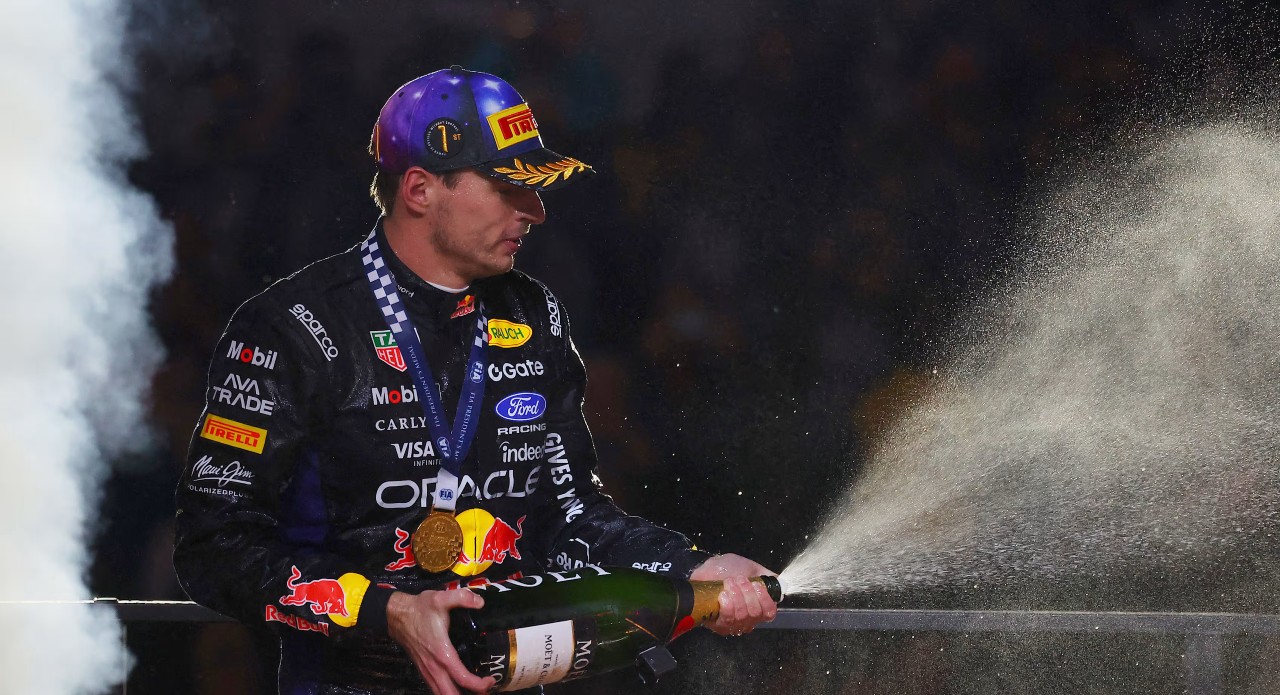
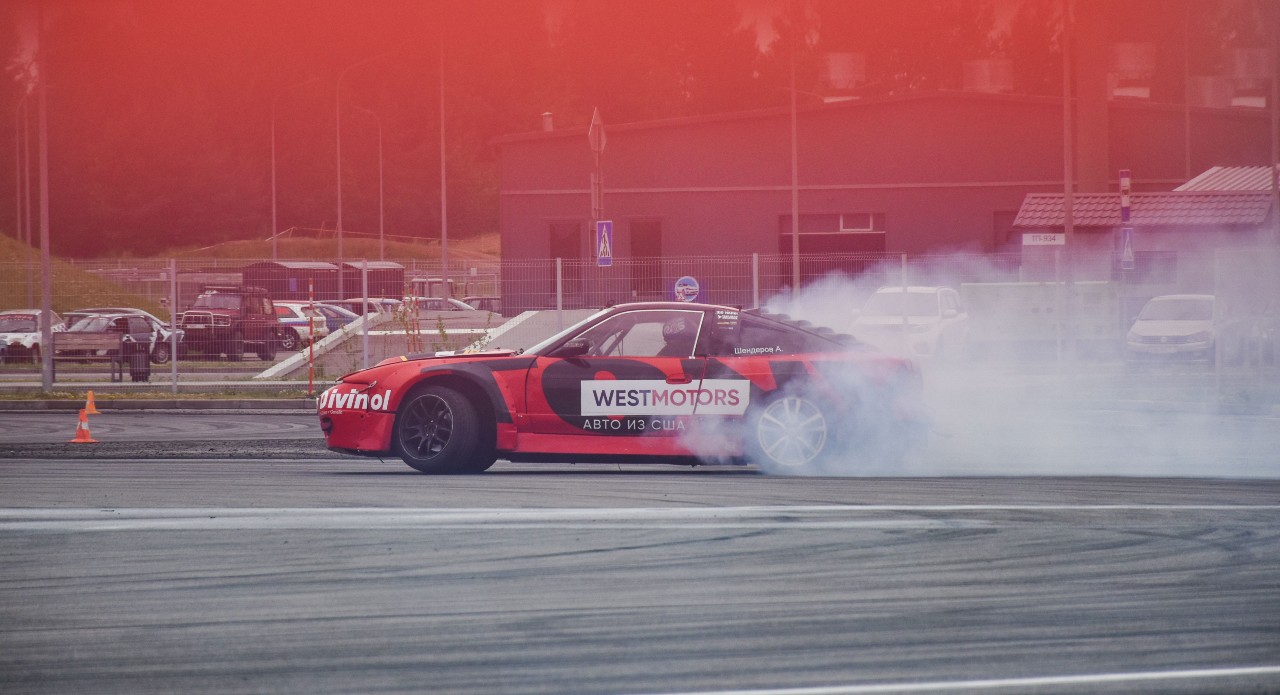
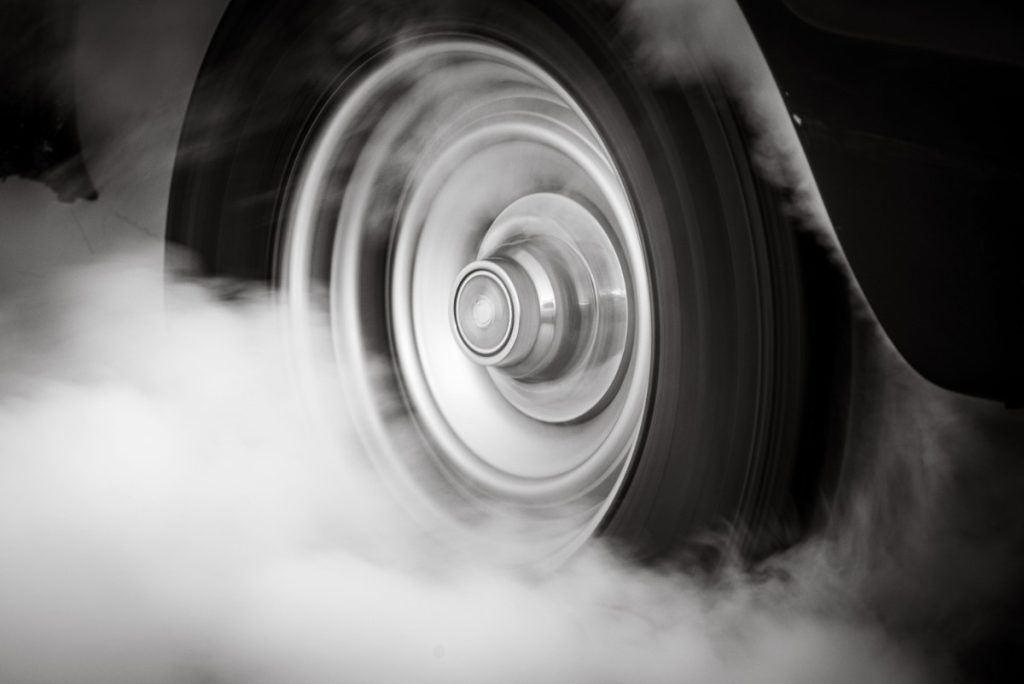
This is why performance drivers and racing teams pay so much attention to tyre temperatures before pushing a car to its limits. In motorsport, a cold tyre can mean lost grip and slower lap times, while a tyre operating in its ideal range can transform the entire behaviour of a machine. Even the dramatic tyre warm-ups seen on race tracks, where drivers perform aggressive steering movements or controlled burnouts, have a purpose: generating heat and bringing the rubber closer to its optimal working condition.
As tyres warm up, their compounds become softer, more flexible and better able to interact with the microscopic texture of the road surface. The rubber begins to mould itself to the asphalt, increasing the contact area and allowing the tyre to transfer more power, braking force and steering input. But there is a delicate balance involved. Too little heat and the tyre remains stiff and unresponsive; too much heat and the rubber can degrade, lose consistency and reduce grip. The science behind warm tyres is therefore not just about adding temperature, but about reaching the perfect window where physics, engineering and performance come together.

Rubber Is A Living Material
Unlike metal components that remain relatively consistent, tyre rubber changes behaviour depending on temperature. A cold tyre is generally stiffer. Its compound has less ability to deform and conform to the tiny imperfections of the road. While it may still provide adequate grip for normal driving, it cannot deliver the same level of traction as a tyre operating within its ideal temperature range. As heat builds through friction, braking and cornering forces, the rubber becomes more compliant. This flexibility allows the tyre to create a larger and more effective contact patch, improving its ability to transfer forces between the car and the road.
Also Read: EV Tyres vs Regular Tyres: What’s the Difference?
The Contact Patch: Where Performance Actually Happens
The entire performance of a tyre comes down to a small area known as the contact patch. This is the only part of the vehicle touching the road, yet it controls everything from acceleration to cornering stability. When a tyre reaches its designed temperature, the rubber can better grip the surface, increasing mechanical adhesion. The result is sharper steering response, stronger braking performance and improved confidence behind the wheel. It is a simple idea: better rubber contact means better control.
Why Racing Tyres Need Heat
In motorsport, tyre temperature is treated almost like another performance parameter alongside engine power and aerodynamics. Formula 1 cars, endurance racers and high-performance machines use specially developed compounds designed to operate within specific temperature windows. Too cold, and the tyre becomes hard and loses grip. Too hot, and the rubber can become unstable, wear faster or lose performance. The challenge for engineers is finding the perfect balance where the tyre delivers maximum traction without overheating.

The Difference Between Road And Track Tyres
Everyday road tyres are designed with a much wider operating range because they must perform in changing weather, traffic and temperatures. Performance and racing tyres, however, are often built with softer compounds that deliver exceptional grip once warmed but may sacrifice some longevity. This is why a tyre that is brilliant on a circuit may not be ideal for a daily commute. Every compound is a compromise between grip, durability and practicality.
The Heat Behind The Grip
The next time a racing driver warms their tyres before attacking a corner, remember that there is no magic involved. It is simply the science of materials working at their best. A warm tyre is not just softer rubber; it is a carefully engineered surface designed to transform energy into control. Because in the world of performance driving, the difference between victory and a mistake can come down to a few degrees of temperature.