

For more than a century, tyres have quietly played one of the most important roles in the automobile world. They are the only connection between a machine weighing over a tonne and the road beneath it, responsible for every acceleration, every corner and every emergency stop. Yet they rarely receive the attention given to engines, transmissions or design. Then electric cars arrived and changed the rules of the game. Suddenly, the humble tyre had to deal with a completely different set of challenges.
An EV does not roar, it does not shift gears and it delivers power in a way that feels almost unnatural compared with a traditional combustion engine. It can launch forward with instant torque, carry the weight of enormous battery packs and operate in near silence, making every sound and vibration far more noticeable. The result is a new generation of tyres engineered specifically for electric vehicles, where strength, efficiency, grip and refinement must exist together. Because when the engine disappears from the conversation, the tyre becomes the star of the show.
The Weight Problem: EVs Are Heavier Machines
The first major difference comes from weight. Traditional petrol and diesel cars carry engines, fuel tanks and mechanical components, but electric vehicles pack large battery systems beneath the floor. These battery packs can add hundreds of kilograms, meaning EV tyres must handle significantly higher loads.
Manufacturers design EV-specific tyres with reinforced structures and stronger sidewalls to support this additional mass while maintaining stability. Because a heavy vehicle travelling at speed creates greater forces during braking and cornering, the tyre becomes a crucial part of controlling that extra weight.
Also Read: Regenerative Braking Explained: The Technology That Recharges Your EV
Instant Torque: The Electric Car’s Party Trick
A petrol engine builds power gradually. An electric motor, however, behaves like it has been waiting impatiently all its life. Press the accelerator in many EVs and maximum torque arrives almost instantly. This makes electric cars feel incredibly quick, but it also puts more stress on the tyres. EV tyres are engineered to manage this sudden surge of power without excessive wheel slip or faster wear. The challenge is simple: deliver all that silent electric muscle to the road without turning the tyres into expensive dust.
Also Read: Bugatti And Honma Unveil An Ultra-Exclusive Luxury Golf Collection
Silence Is The New Luxury
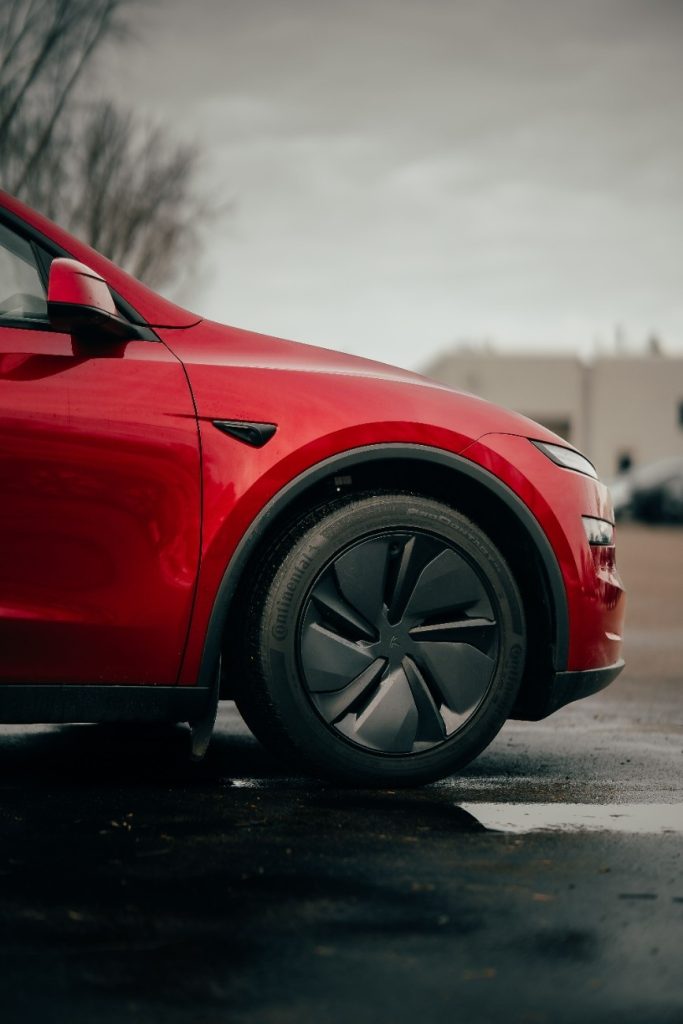
One of the strangest things about electric cars is what you do not hear. Without a traditional engine rumbling away, road noise becomes far more noticeable. The sound of tyres meeting asphalt suddenly becomes the soundtrack.EV tyres often feature special tread designs and materials aimed at reducing rolling noise, helping create the quiet, refined cabin experience expected from electric vehicles. In an EV, a noisy tyre is no longer just annoying; it is a luxury problem.
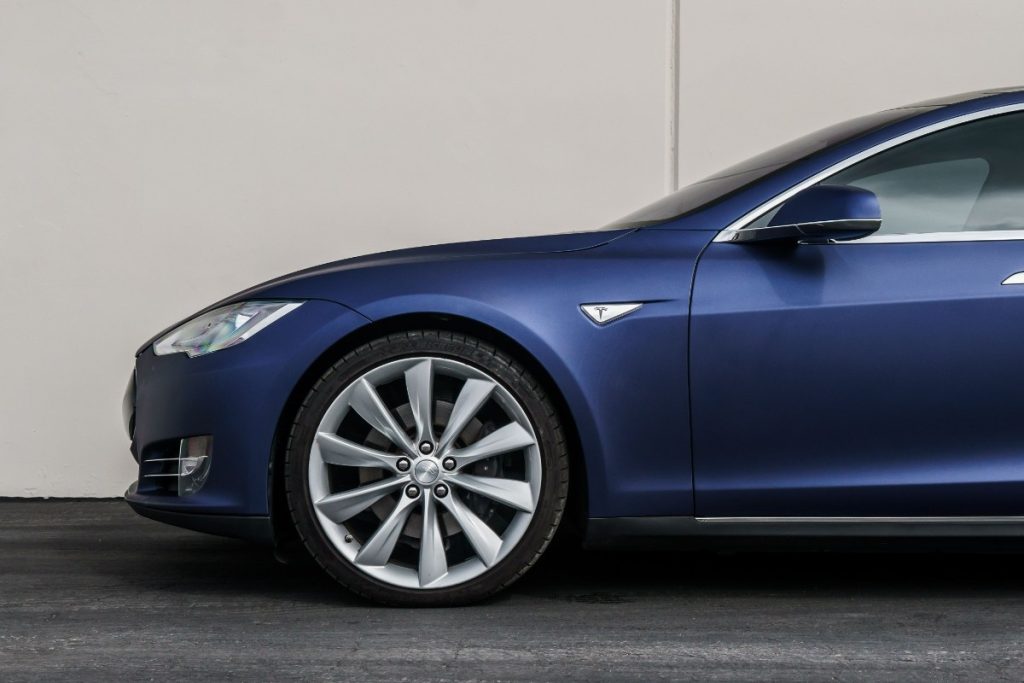
EV Tyre Longevity Do Electric Car Tyres Really Last Longer?
The arrival of electric vehicles brought an obvious question for drivers: with heavier batteries and instant torque, would EV tyres wear out faster than traditional tyres? It would seem logical. After all, an electric motor can deliver its full force the moment you touch the accelerator, putting greater demands on the rubber beneath the car.
But the reality is far more interesting. Modern EV tyres are specifically engineered to handle these unique pressures. Built with reinforced sidewalls, advanced tread compounds and designs focused on managing additional weight and torque, many EV tyres are developed to maintain durability while still delivering efficiency and performance.
However, longevity is not simply a matter of technology. Like any tyre, lifespan depends heavily on how the vehicle is driven and maintained. Aggressive launches, sharp cornering, poor wheel alignment or incorrect tyre pressure can quickly reduce performance and wear down even the most advanced EV tyre. In other words, electric cars may have changed the way we drive, but the old rule still applies: treat your tyres well, and they will take you much further.