

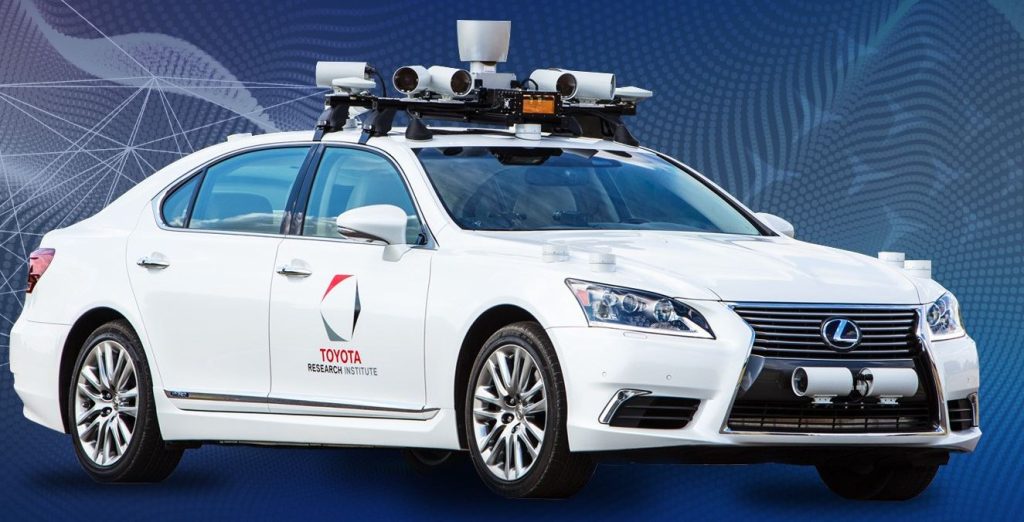
Imagine giving your car the visual abilities of a bald eagle, a fighter jet, and a NASA rover—all at once. That, in essence, is LiDAR. It’s the bit of technology that looks like a tiny rotating lighthouse on autonomous prototypes, firing millions of laser pulses every second as if it’s trying to interrogate the entire world. While radar is the reliable old chap who guesses distances by radio waves and cameras are the nervous artists that squint at lane markings, LiDAR is the smug genius that maps everything with mathematical certainty. It doesn’t just see the road; it measures it—every curb, every pedestrian, every stray dog with ambitions of crossing the street. If ADAS systems are the co-pilot, LiDAR is the unblinking, caffeine-proof scanner that ensures the car knows exactly where everything is. It’s precise, it’s fast, and it’s so futuristic that even science fiction is starting to feel underqualified.
What Exactly Is LiDAR
LiDAR—short for Light Detection and Ranging—is a sensing technology that uses rapid-fire laser pulses to create detailed 3D maps of the environment. Unlike cameras that rely on light and clarity, or radar that measures using radio waves, LiDAR throws out bursts of laser light, waits for them to bounce back, and then calculates distances with frightening accuracy. The result? A high-resolution, depth-aware, point-by-point reconstruction of the world around the car.
This 3D perception is what makes LiDAR incredibly valuable in advanced driving technologies. It gives vehicles spatial awareness—allowing them to identify obstacles, detect road edges, judge distances and anticipate hazards with millimetre-level precision. It’s an essential tool in autonomous driving, but even in modern driver-assist systems, LiDAR dramatically improves how well a car understands the road.
How LiDAR Works Behind The Scenes
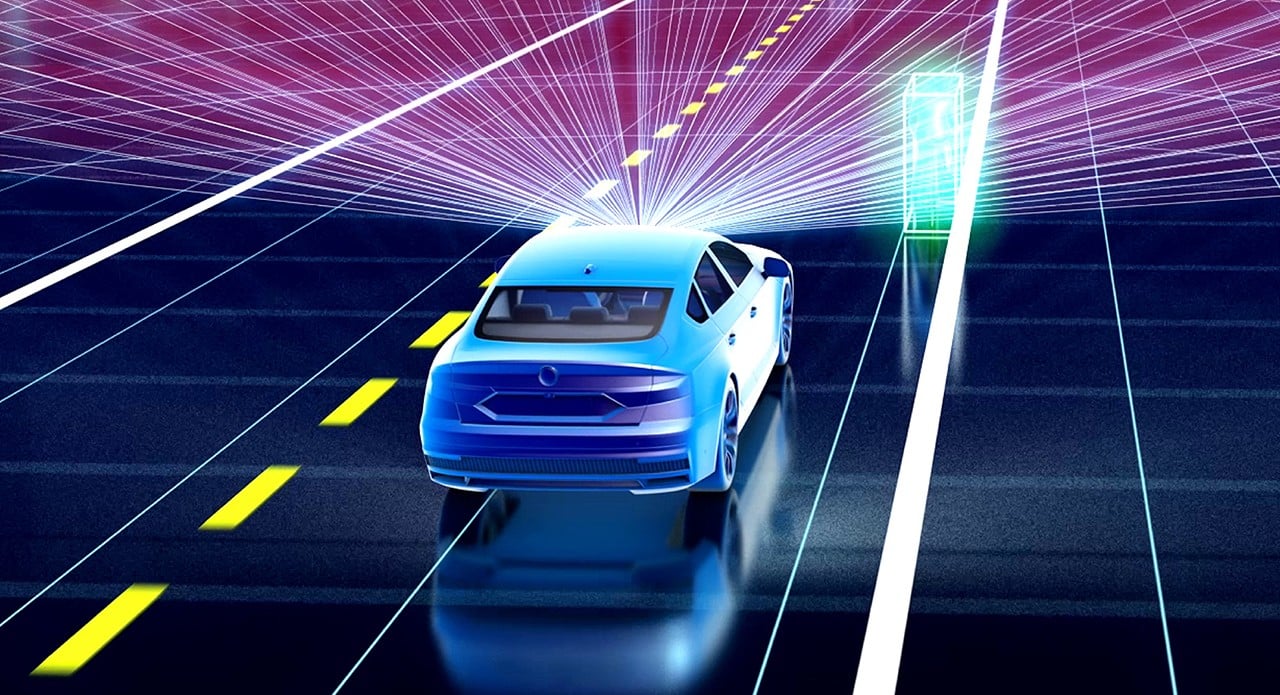
LiDAR sensors spin or sweep thousands—even millions—of laser beams per second across the surroundings. Each beam hits an object, reflects back to the sensor, and is timestamped with microsecond-level accuracy. The system calculates how long that return journey took, converts it into distance, and repeats the process faster than you blink.
All of this data is stitched together to form a 3D point cloud—a digital replica of the environment, complete with dimensions, shapes, textures and terrain. Software then analyses this cloud, identifying cars, pedestrians, objects on the road, and their positions relative to the vehicle. The beauty of LiDAR is that it works in day or night, handles complex geometry, and perceives depth like a machine possessed.
Key Features Of LiDAR In Modern Cars
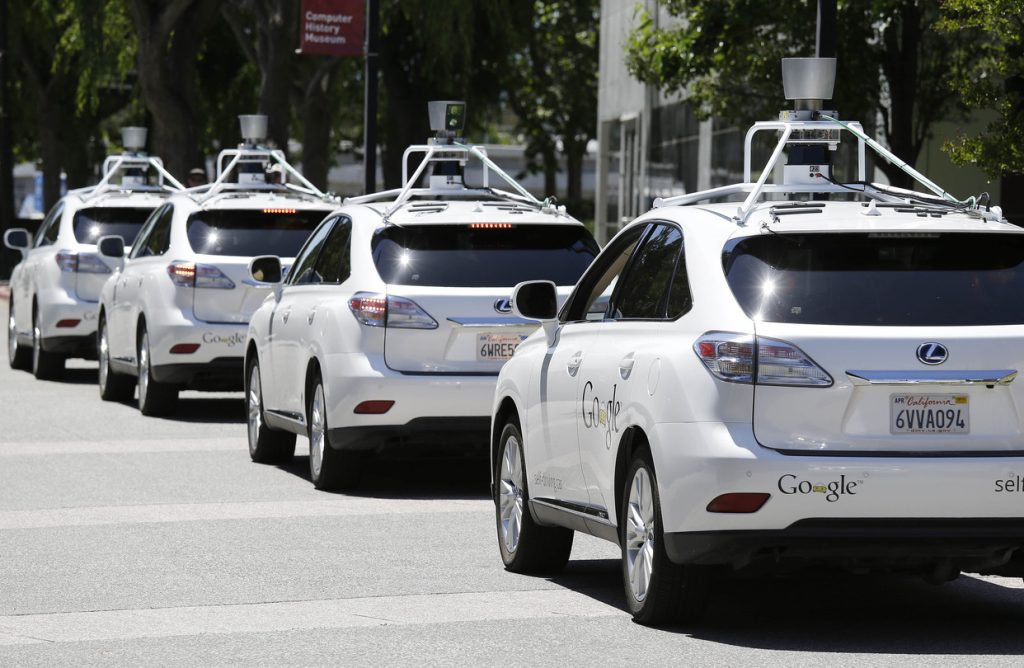
LiDAR brings an impressive set of abilities to modern vehicles, acting as the razor-sharp layer of perception that other sensors simply can’t match. It offers incredibly high-resolution mapping, capable of detecting small obstacles, road edges, kerbs and even lane boundaries that cameras might miss on a foggy or dimly lit day. Its precision depth perception lets vehicles calculate distances with centimetre accuracy, turning blind spots into clearly defined geometry rather than vague guesses. LiDAR also excels in dynamic object detection—spotting moving pedestrians, cyclists and traffic with remarkable confidence, predicting their paths before most drivers would even register them. Its 360-degree scanning coverage creates a bubble of real-time spatial awareness, ensuring the car isn’t just looking ahead but understanding everything around it. And unlike cameras, which sulk in low light, or radar, which struggles with fine detail, LiDAR remains gloriously reliable in a range of challenging conditions. Together, these capabilities make it one of the most advanced, dependable sensing technologies in the automotive world.
What Happens When LiDAR Is Active
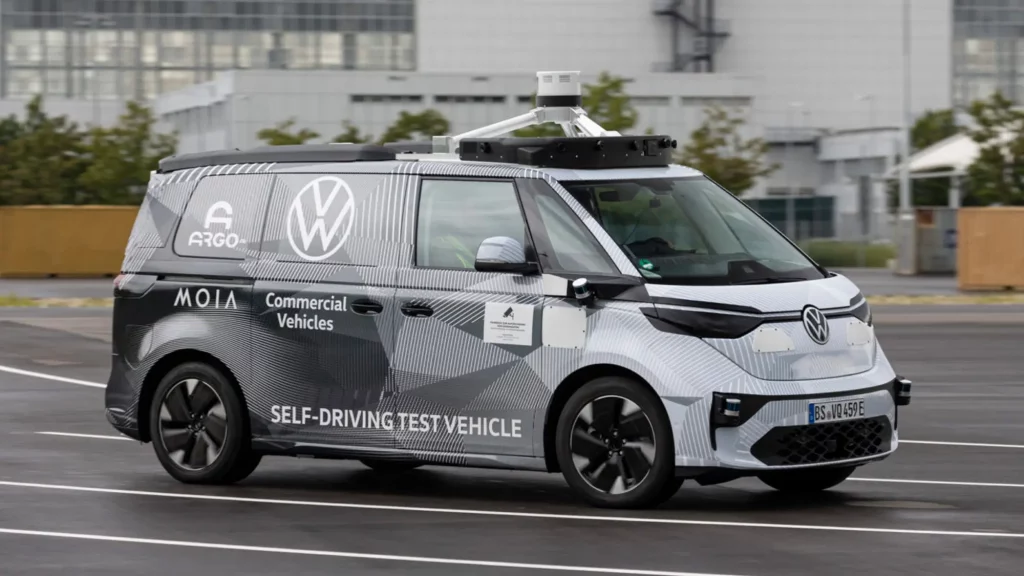
With LiDAR online, the vehicle becomes a hyper-aware machine that can “see” its surroundings with unmatched clarity. It continuously builds 3D maps, tracks obstacles, and works hand-in-hand with ADAS functions: enabling smoother lane guidance, more confident braking, and smarter avoidance manoeuvres. On semi-autonomous systems, LiDAR helps the car choose safer lanes, measure gaps in traffic, and handle complex environments like roundabouts and crowded city intersections with far greater intelligence. It’s like having a robot co-pilot with flawless depth perception.
What Happens Without LiDAR
Take LiDAR out of the equation and the car suddenly relies heavily on cameras and radar—still capable, but nowhere near as precise. Depth perception becomes less accurate, small or oddly shaped obstacles may be harder to detect, and the vehicle’s ability to react confidently in low-light or cluttered environments decreases. Cameras can get dazzled; radar can’t see fine detail; but LiDAR sees everything. Without it, an autonomous or advanced driver-assist system loses one of its sharpest senses, making decision-making slower, less detailed, and more dependent on algorithmic guesswork.