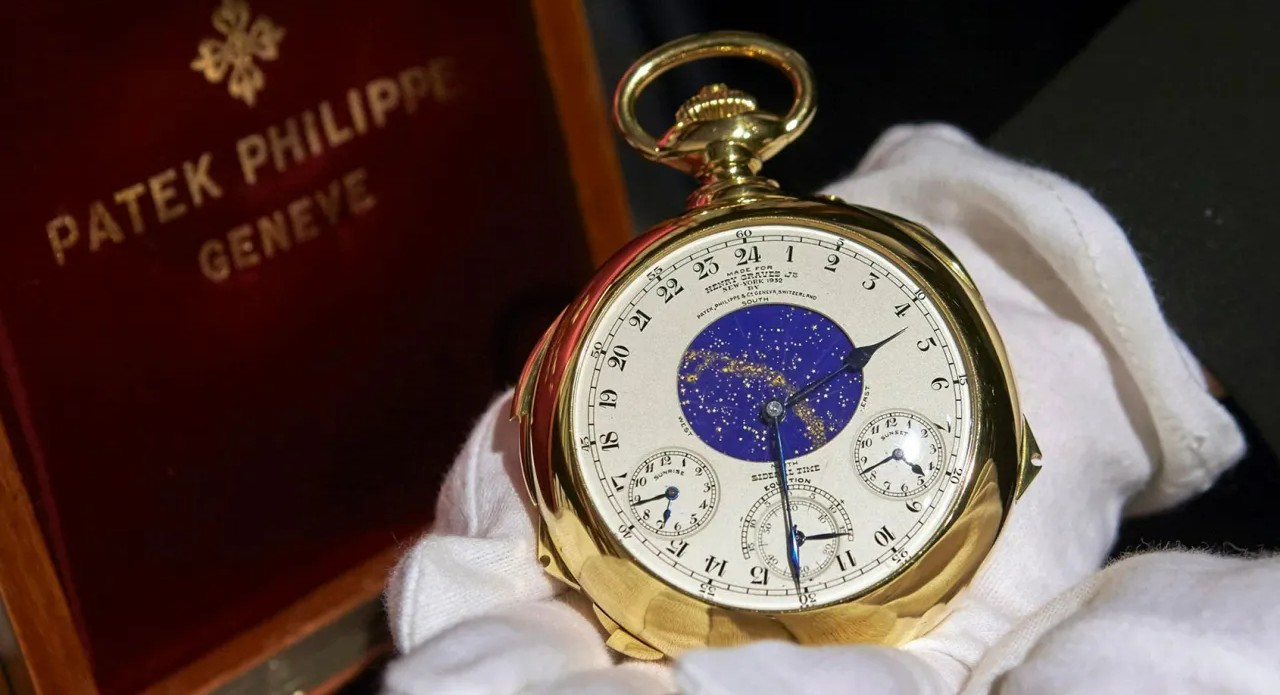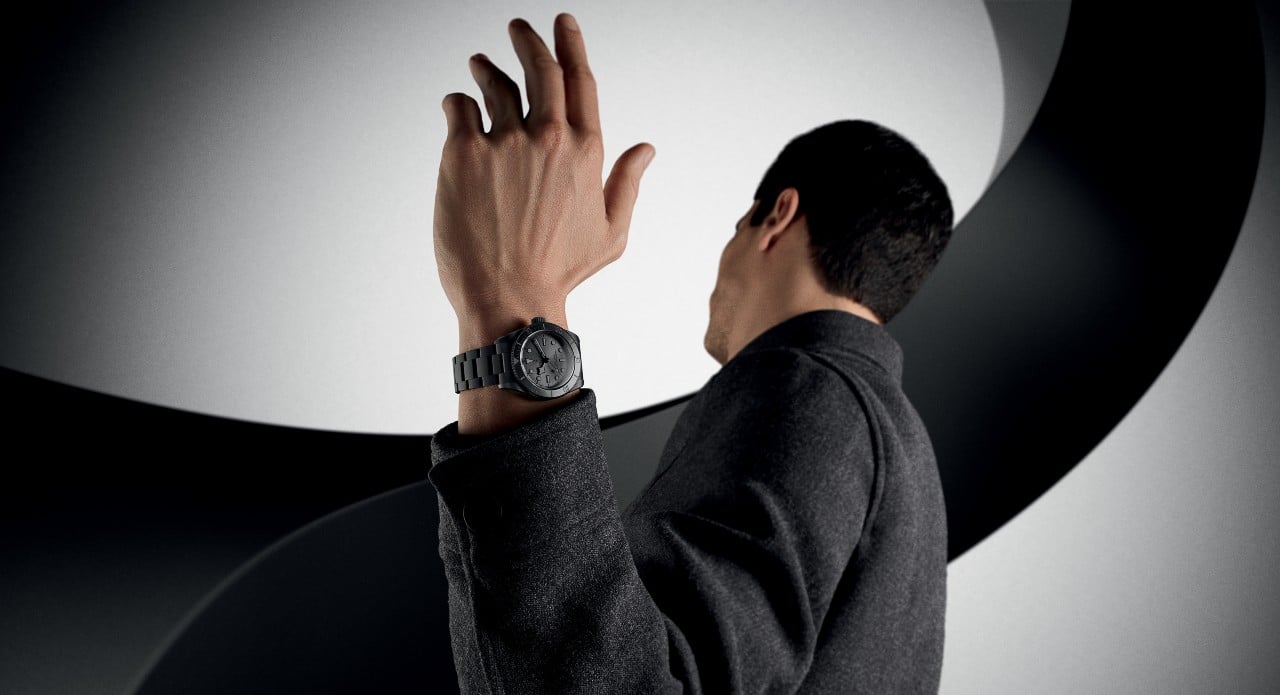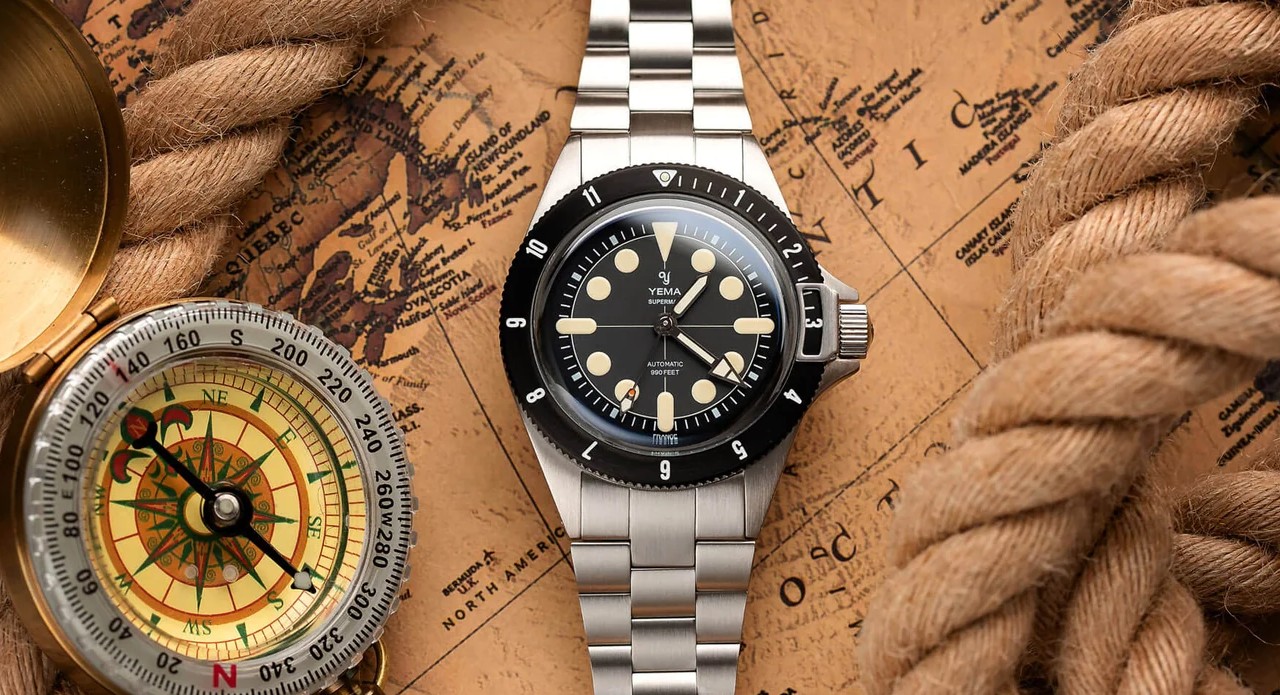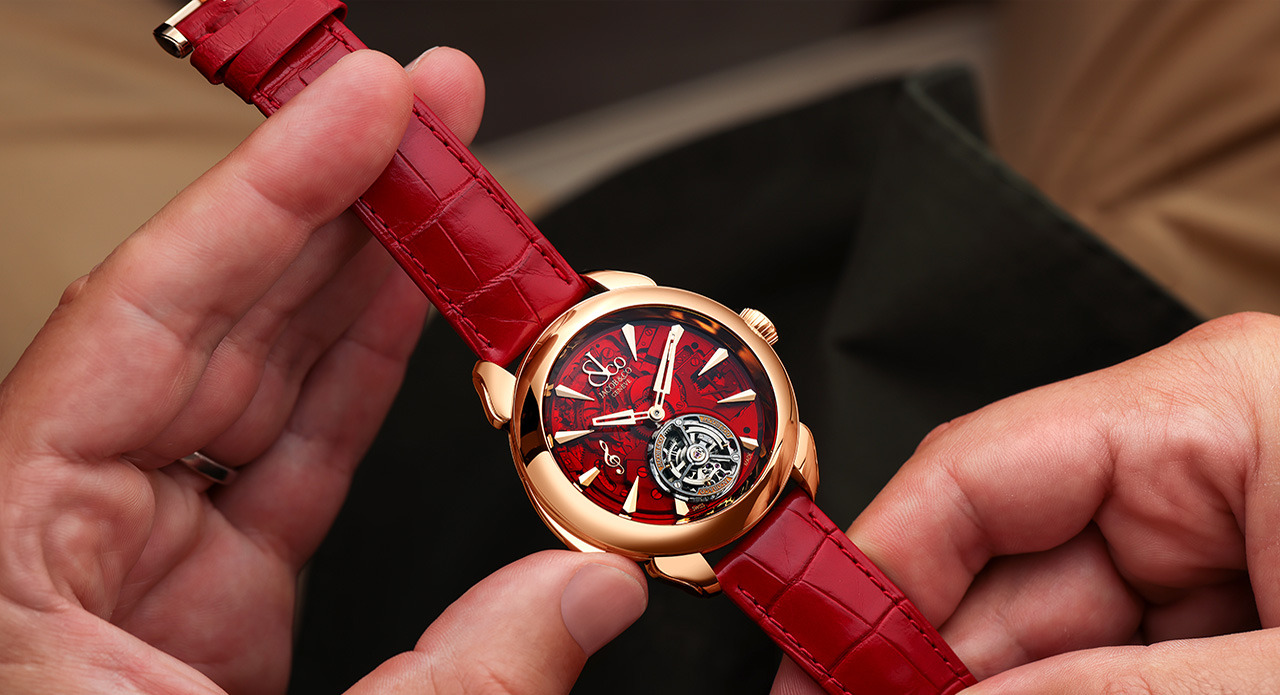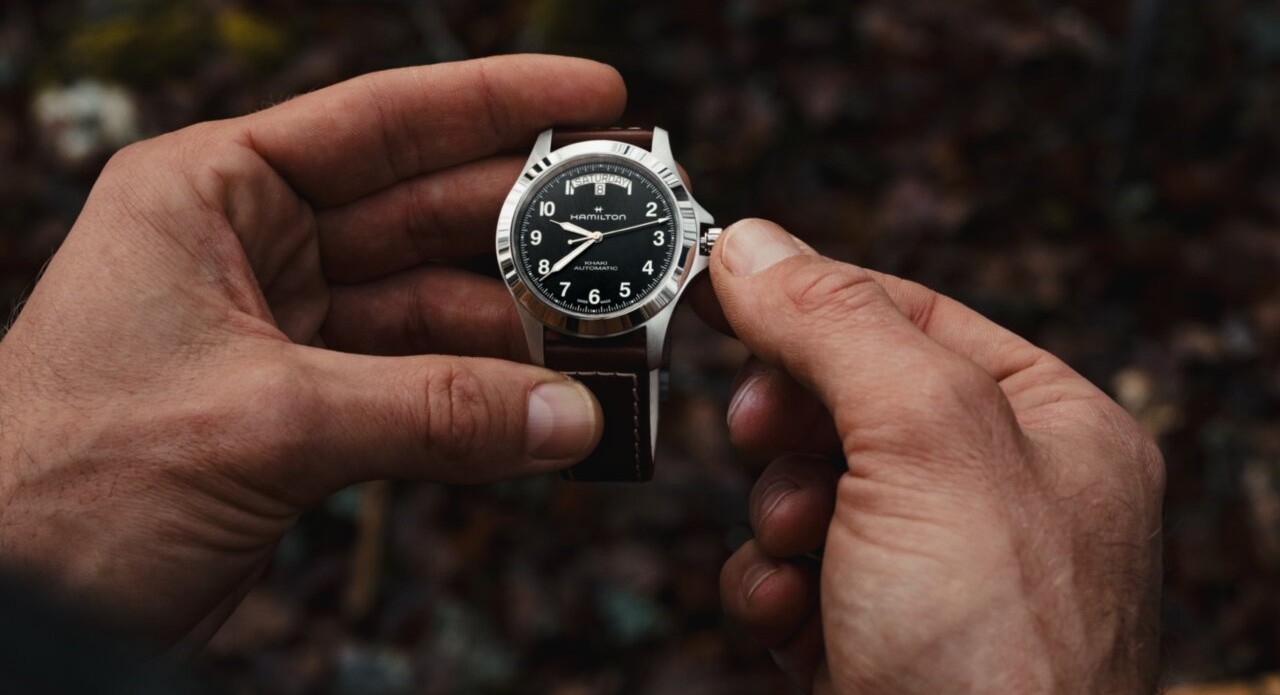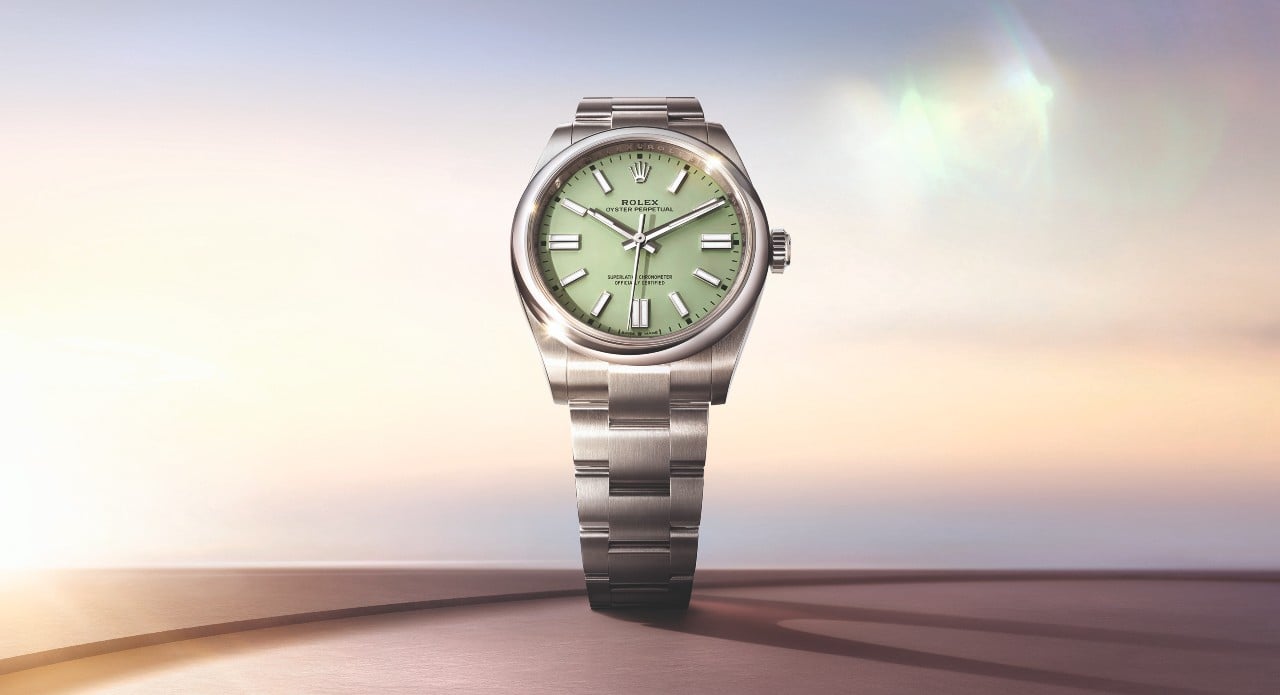


Travelling across time zones is already confusing enough. You land, you’re tired, your phone says one thing, your body says another, and room service has mysteriously stopped serving breakfast. Enter the GMT and the world timer—two watch complications designed to stop your brain from melting somewhere over the Atlantic. On paper, they sound similar. Both track multiple time zones. Both make you feel terribly important. But in reality, they’re about as alike as a jet fighter and a cruise ship. One is lean, focused, and built for quick jumps across borders; the other is a glorious, spinning map of global time that makes you feel like you should own a briefcase and negotiate treaties. Understanding the difference is less about reading manuals and more about knowing how you travel—and how much drama you want on your wrist.
How A GMT Watch Works
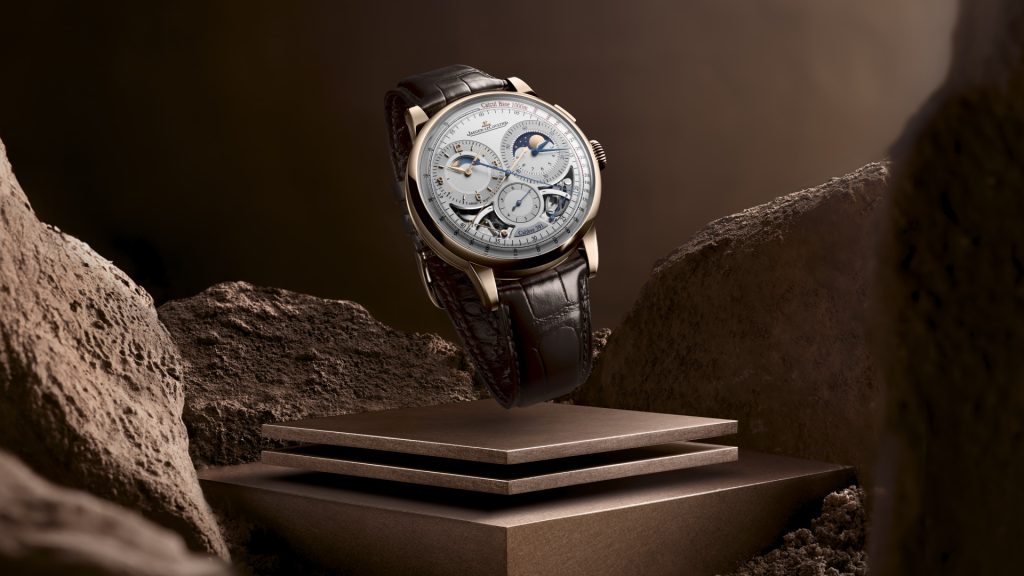
A GMT watch is built around practicality. At its core is an additional 24-hour hand that circles the dial once per day, usually pointing to a 24-hour scale. This hand allows the wearer to track a second time zone—typically home time—while the standard hour and minute hands display local time.
In more advanced “traveller’s GMT” movements, the local hour hand can be adjusted independently in one-hour jumps, without stopping the watch or disturbing the minutes and seconds. This makes crossing time zones quick, intuitive, and precise. The 24-hour hand remains steady, preserving home time, while the local hour hand hops forward or backward as needed. It’s efficient, legible, and ruthlessly functional—perfect for pilots, frequent flyers, and anyone who prefers clarity over spectacle.
The World Timer’s Grand, Global Approach

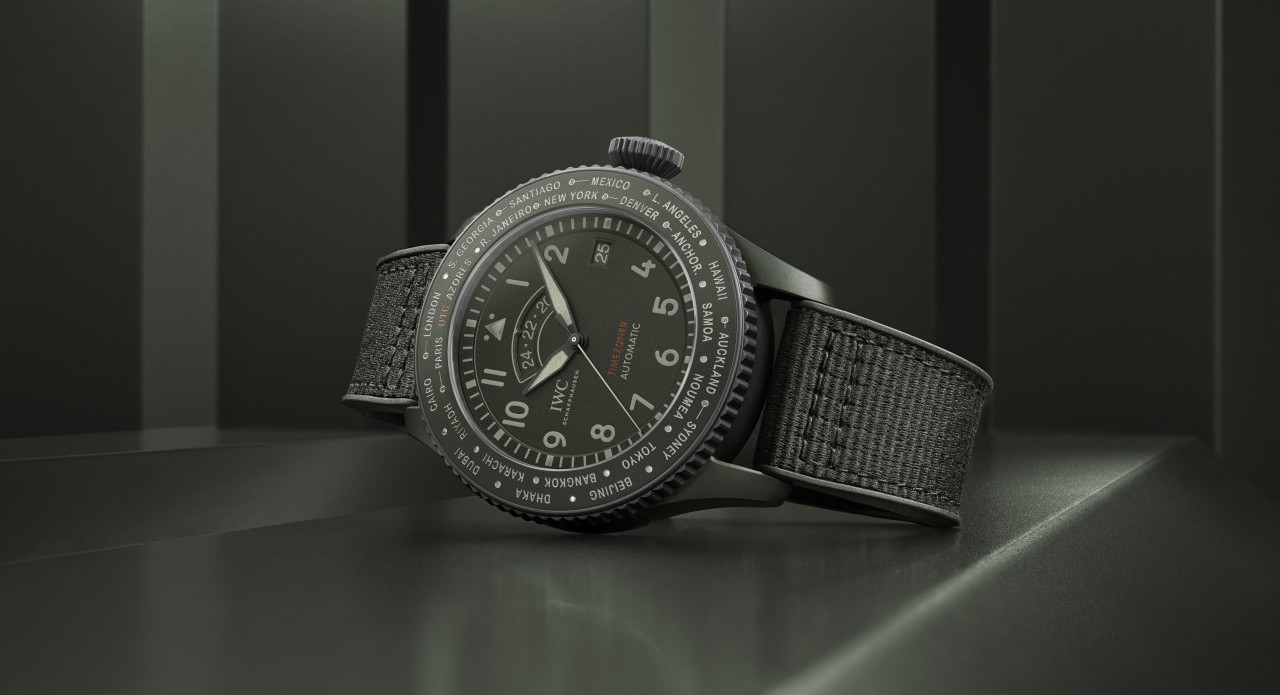
The world timer takes a very different approach. Instead of tracking just one additional zone, it displays all 24 global time zones simultaneously. Typically, this is achieved through a rotating 24-hour ring paired with a fixed city disc representing major world cities. Align the city corresponding to your location with the current time, and every other city instantly reveals its local hour.
The brilliance of the world timer lies in its immediacy. One glance and you know whether it’s morning in Tokyo, lunchtime in London, or far too late to call New York. There’s no adjustment, no jumping hands—just a beautifully choreographed rotation that mirrors the planet’s movement. It’s less about speed and more about perspective. A world timer doesn’t rush; it surveys.
Legibility vs Theatre
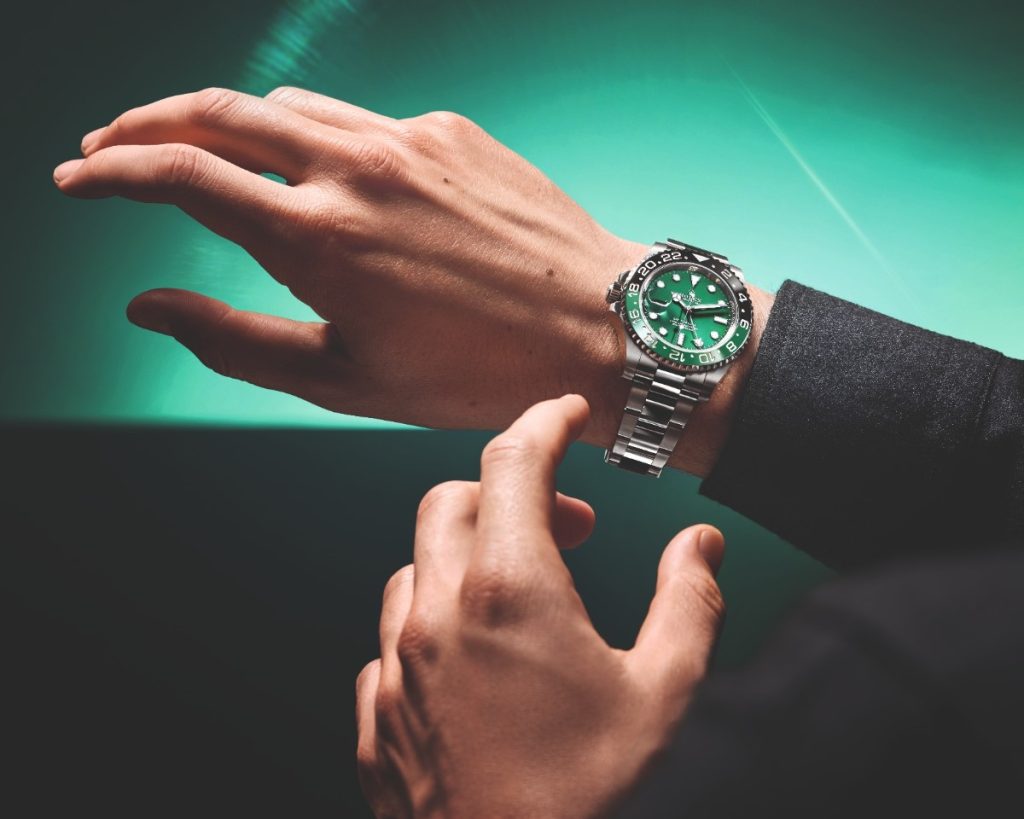
This is where the philosophical divide becomes obvious. GMT watches prioritise legibility and speed. They are designed for action—quick glances, rapid adjustments, and real-world use in transit. World timers, by contrast, revel in complexity. Their dials are busier, more decorative, and often more difficult to read precisely at a glance. But that complexity is the point. A world timer isn’t merely a tool; it’s a statement. It turns the wrist into a miniature globe, reminding the wearer that time is happening everywhere, all at once.
Which One Matters More Today?
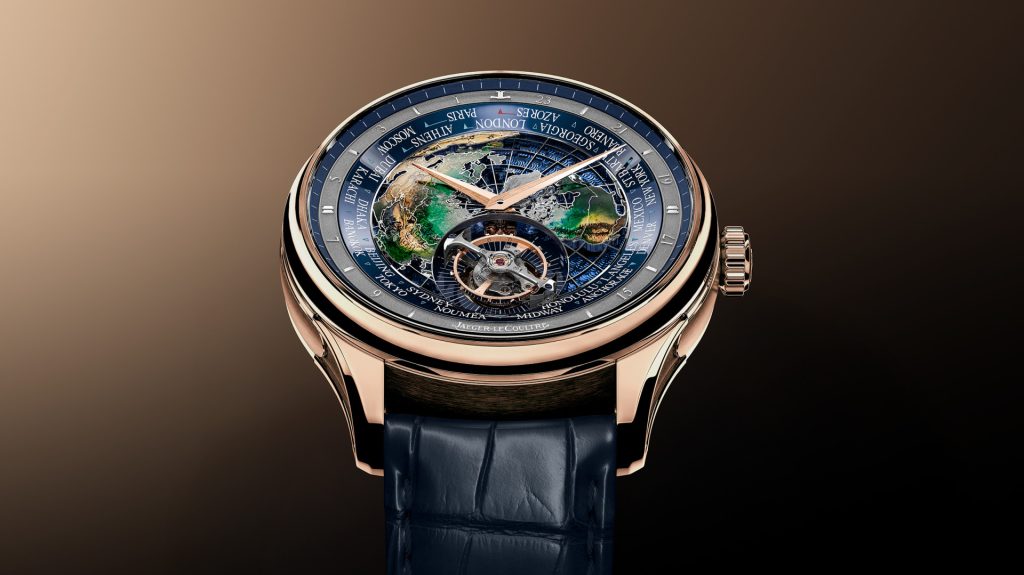
In today’s digital age, both complications could be dismissed as redundant. Smartphones handle time zones effortlessly. Yet both GMTs and world timers endure because they offer something technology cannot: mechanical storytelling. A GMT is about personal travel—where you are versus where you belong. A world timer is about global awareness—seeing the world move in synchrony.
Two Complications, Two Ways To Travel
Choosing between a GMT and a world timer isn’t about which is better; it’s about how you experience the world. If you live out of a suitcase and cross borders weekly, the GMT is your loyal co-pilot. If you enjoy understanding the rhythm of global time from a single glance, the world timer is your command centre.
Either way, both complications prove that when horology tackles the problem of global time, it doesn’t just solve it—it turns it into something worth wearing.