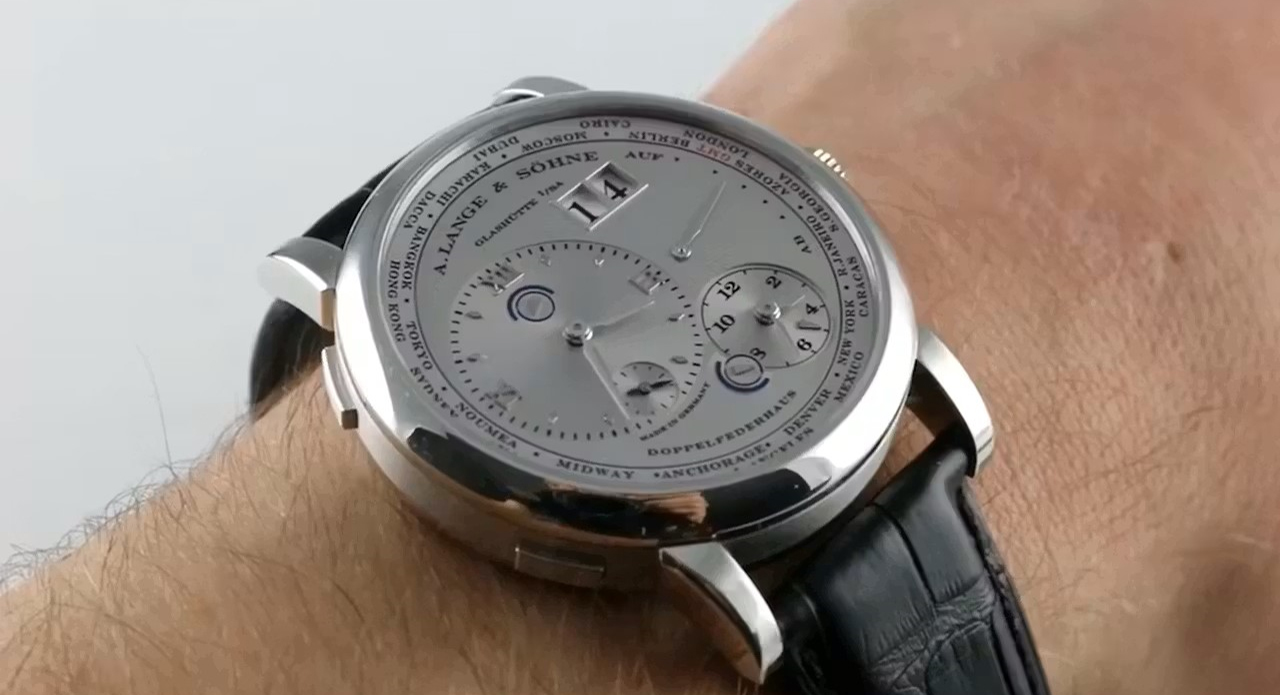


Mention a date window at a watch gathering and someone will sigh loudly. It ruins symmetry. It interrupts the dial. It is unnecessary they say while secretly checking their phone for today’s date five minutes later. The truth is brutally simple. The date complication is the most used feature on any mechanical watch. Not the chronograph not the moonphase not the tourbillon. The date. Boring. Useful. Relentless.
What It Actually Does
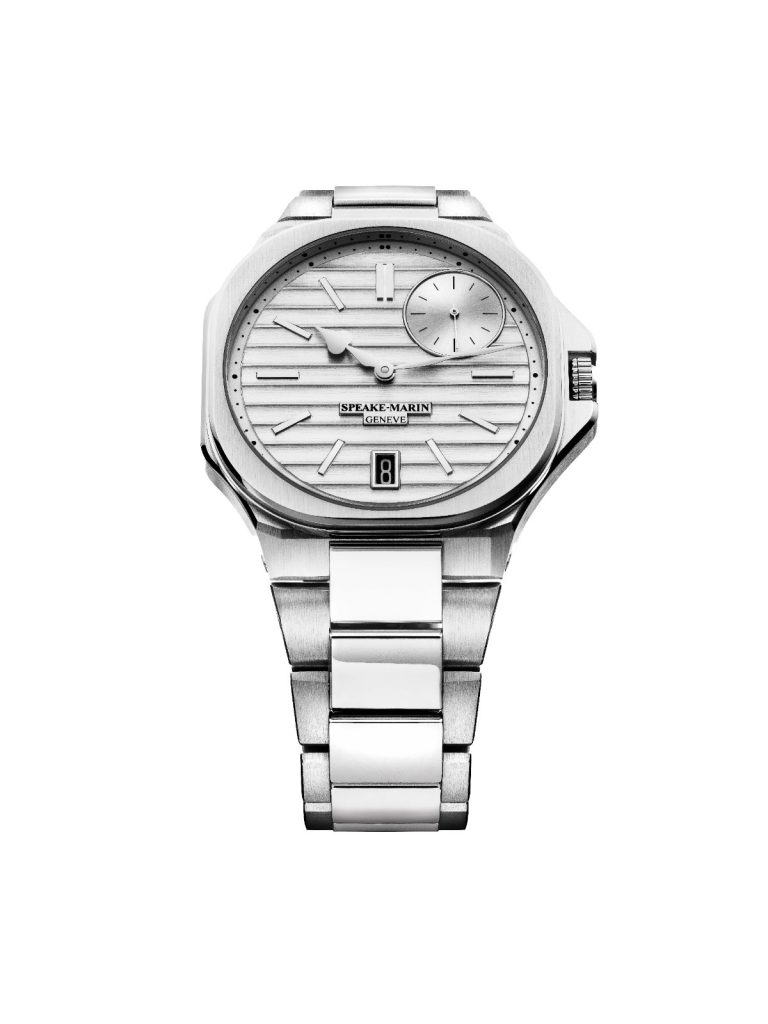
At its core the date complication is just a numbered disc sitting beneath the dial. Once every 24 hours a finger or jumper advances that disc by one step. This happens thanks to the hour wheel which completes one rotation per day. A small tooth engages the date mechanism and nudges it forward at around midnight. Simple in theory. Less so in practice.
Why Midnight Is A Dangerous Time
Date changes concentrate energy. Springs load up during the day and release it in a brief mechanical event. This is why watches can be damaged if you manually change the date during the danger zone usually between late evening and early morning. Some watches change slowly creeping forward like they are unsure. Others snap instantly at midnight with theatrical precision. Both approaches require careful engineering to avoid broken teeth and bent levers.
The Quickset Revolution
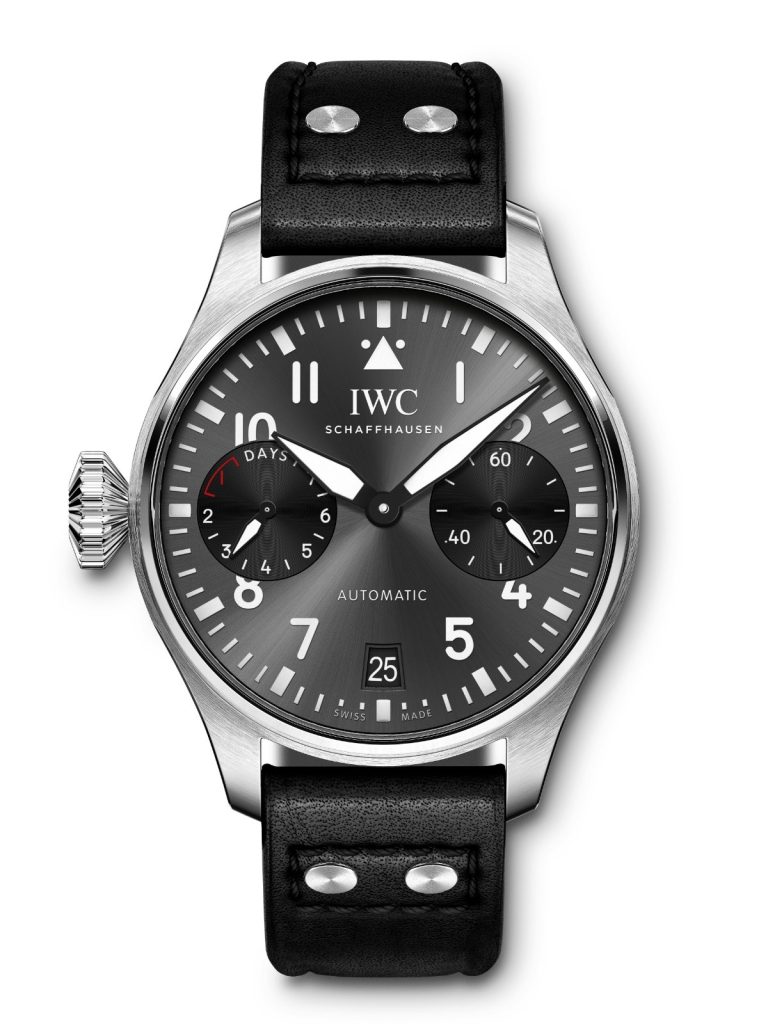
Early date watches were deeply annoying. To change the date you had to rotate the hands through 24 hours again and again. Miss a few days and you could be there until retirement. Quickset date mechanisms fixed this by allowing the crown to advance the date independently. Pull turn done. One of the greatest quality of life upgrades in horology and still wildly underappreciated.
Cyclops And Other Arguments
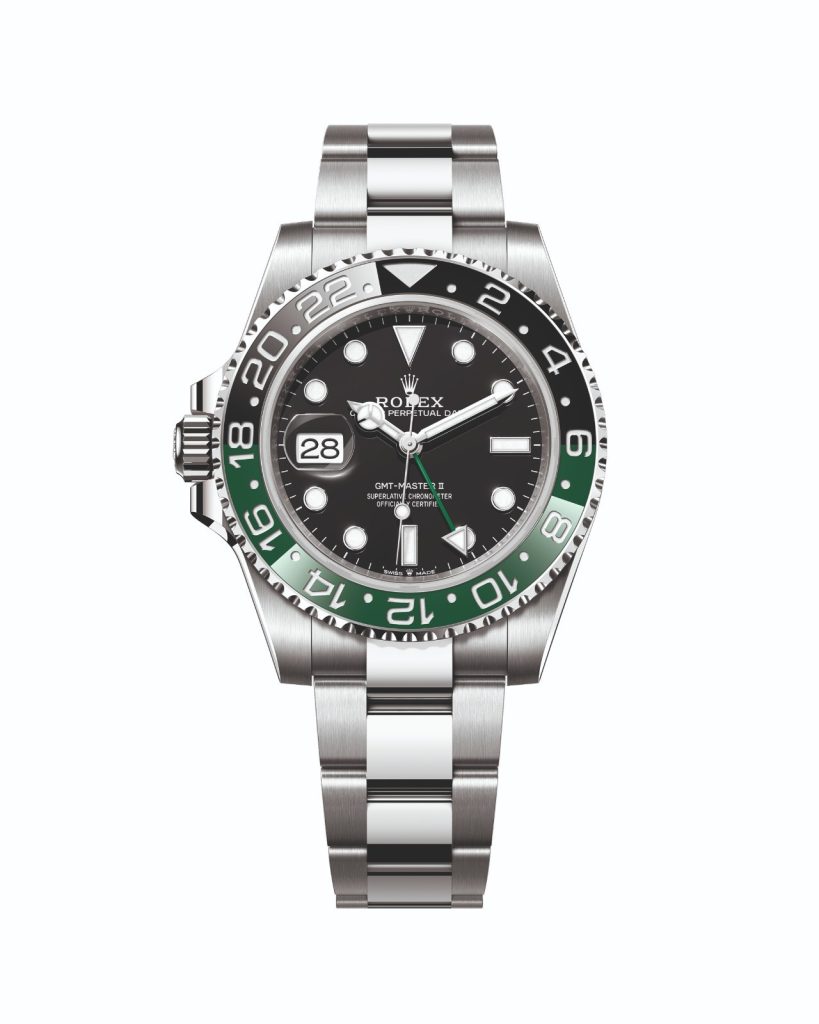
Magnifiers exist because date windows are small and humans insist on ageing. Rolex popularised the Cyclops and watch people have been arguing about it ever since. Love it or hate it the logic is sound. If a date is useful it should be legible. Everything else is aesthetic philosophy pretending to be engineering.
The Date And Accuracy
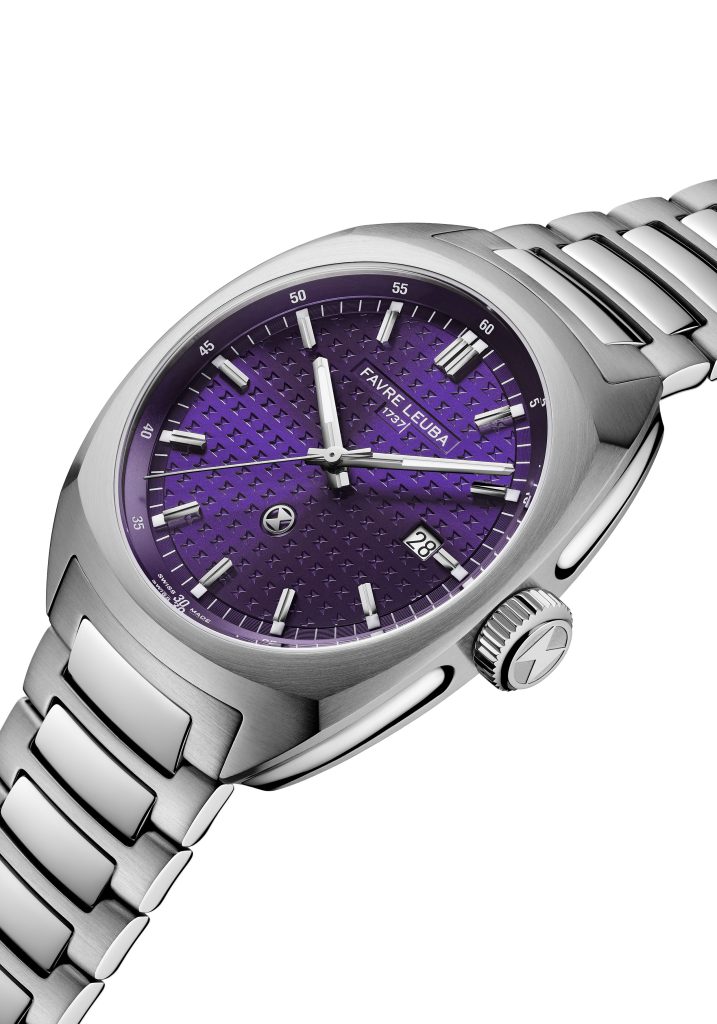
Here is something rarely mentioned. A date complication actually reveals how well regulated a watch is. If the date changes consistently near midnight your watch is keeping proper time. If it creeps early or late something is drifting. In this way the date window becomes a daily report card for the movement.
Why It Endures
The date complication survives because it adds genuine function with minimal mechanical cost. It requires little energy takes up little space and delivers constant everyday benefit. This is why even the most hardcore tool watches keep it. When stripped of romance and marketing the date simply makes life easier.