

When Audemars Piguet unveiled the Royal Oak in 1972 the idea bordered on heresy. Luxury watches were supposed to be slim discreet and preferably made of precious metals. Steel was for tools and sports pieces not something you wore with a suit. Yet the Royal Oak arrived in stainless steel with an industrial case exposed screws and a bracelet that flowed seamlessly from the case. It was loud confident and unapologetic at a time when the watch world was shrinking into conservatism.
The man behind this design was Gerald Genta who was given an overnight brief to imagine something entirely new. His inspiration came from a diving helmet seen through the lens of high horology. The octagonal bezel secured by visible screws the sharp angles and the integrated bracelet were all radical departures from tradition. Even the dial was different featuring a textured pattern that gave depth and character unlike anything else on the market.
At launch the Royal Oak was not immediately understood. Purists scoffed and traditionalists frowned. But a new generation of buyers saw something thrilling in its boldness. It represented confidence modernity and a refusal to follow old rules. Slowly the Royal Oak gathered momentum and began to define an entirely new category known today as the luxury sports watch.
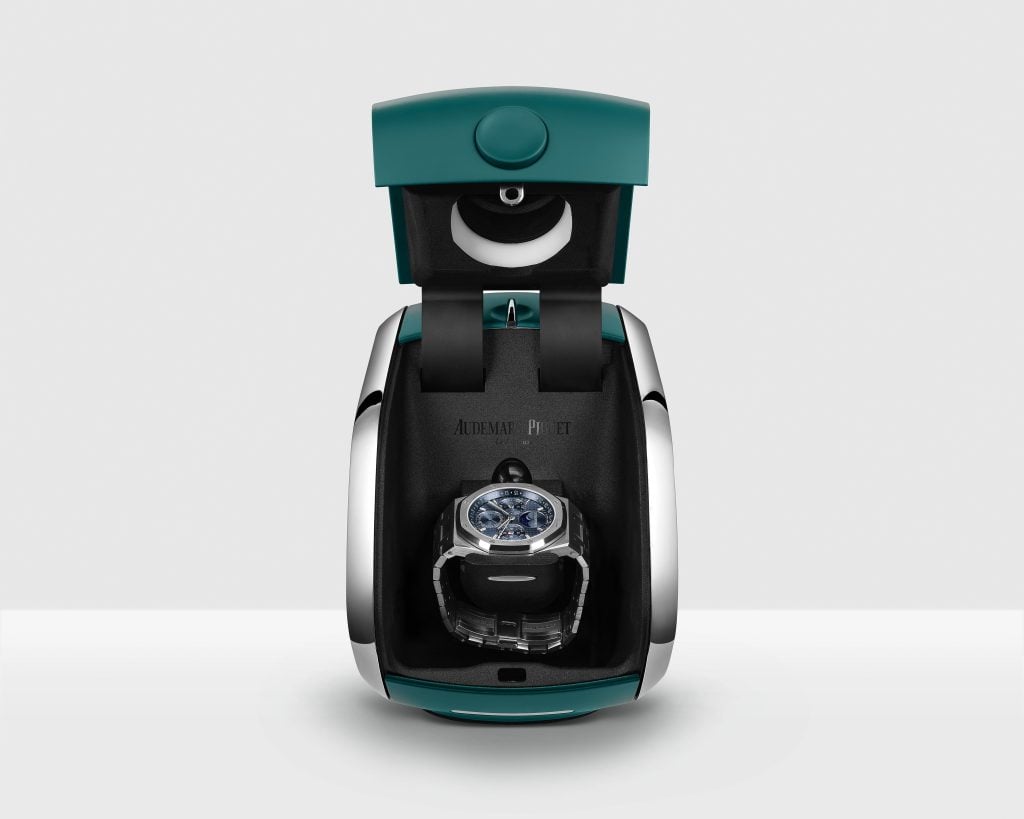
Through the late nineteen seventies and eighties the Royal Oak evolved while staying true to its original design language. New sizes materials and complications were introduced yet the core identity remained intact. The integrated bracelet became smoother more refined and unmistakably comfortable. The ultra thin movement showcased Audemars Piguet’s technical prowess proving that sportiness and refinement could coexist.
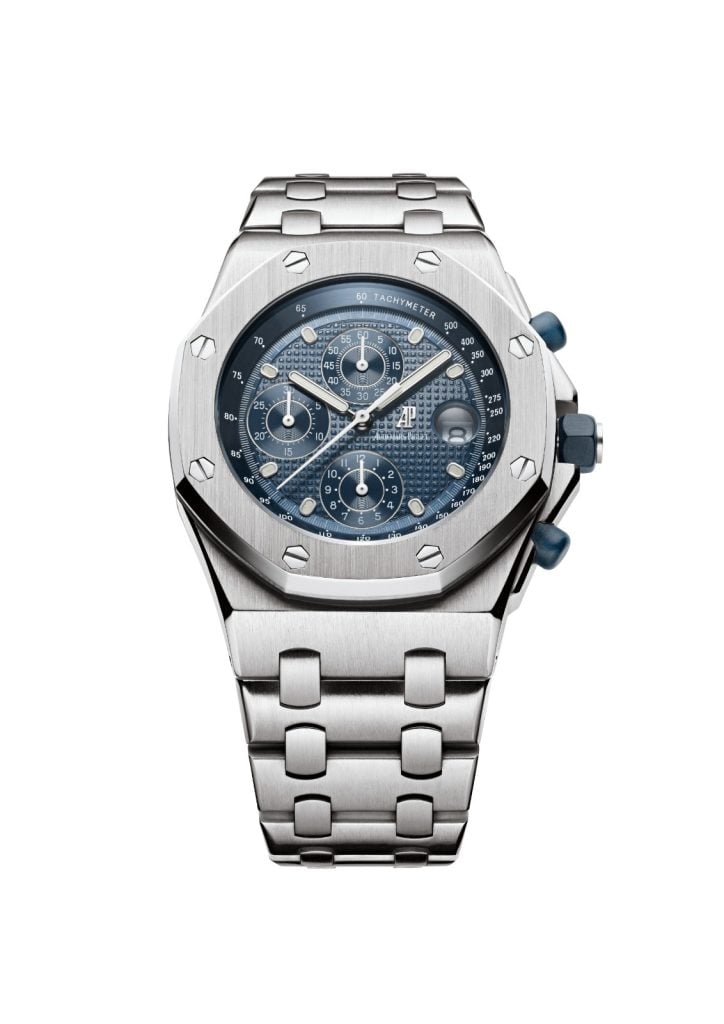
The real turning point came in 1993 with the launch of the Royal Oak Offshore. Larger bolder and unapologetically aggressive it pushed the Royal Oak into a new era. At a time when oversized watches were becoming fashionable the Offshore delivered presence and attitude in abundance. It attracted athletes celebrities and collectors who wanted a statement piece that still carried serious horological credibility.
As the new millennium arrived the Royal Oak continued to expand its universe. Complications such as perpetual calendars chronographs and tourbillons found a home within its angular case. Materials evolved to include titanium ceramic platinum and gold combinations. Skeletonised dials revealed intricate movements turning the watch into a wearable piece of mechanical theatre.
Despite countless variations the essence of the Royal Oak never changed. The exposed screws the octagonal bezel the textured dial and the bracelet architecture remained sacred. This consistency is what allowed the Royal Oak to become more than a watch. It became a design icon recognised instantly across the world.

Today, the Royal Oak sits at the very top of modern watchmaking culture. Demand far exceeds supply and waiting lists stretch into years. Vintage models are fiercely collected while contemporary references dominate conversations in boardrooms and collector circles alike. It is no longer just a product but a symbol of taste confidence and mechanical authenticity.
From its risky birth in 1972 to its present day status as an untouchable icon the Audemars Piguet Royal Oak tells a story of courage vision and refusal to compromise. It proved that luxury could be bold that steel could be precious and that breaking the rules is sometimes the only way to make history.