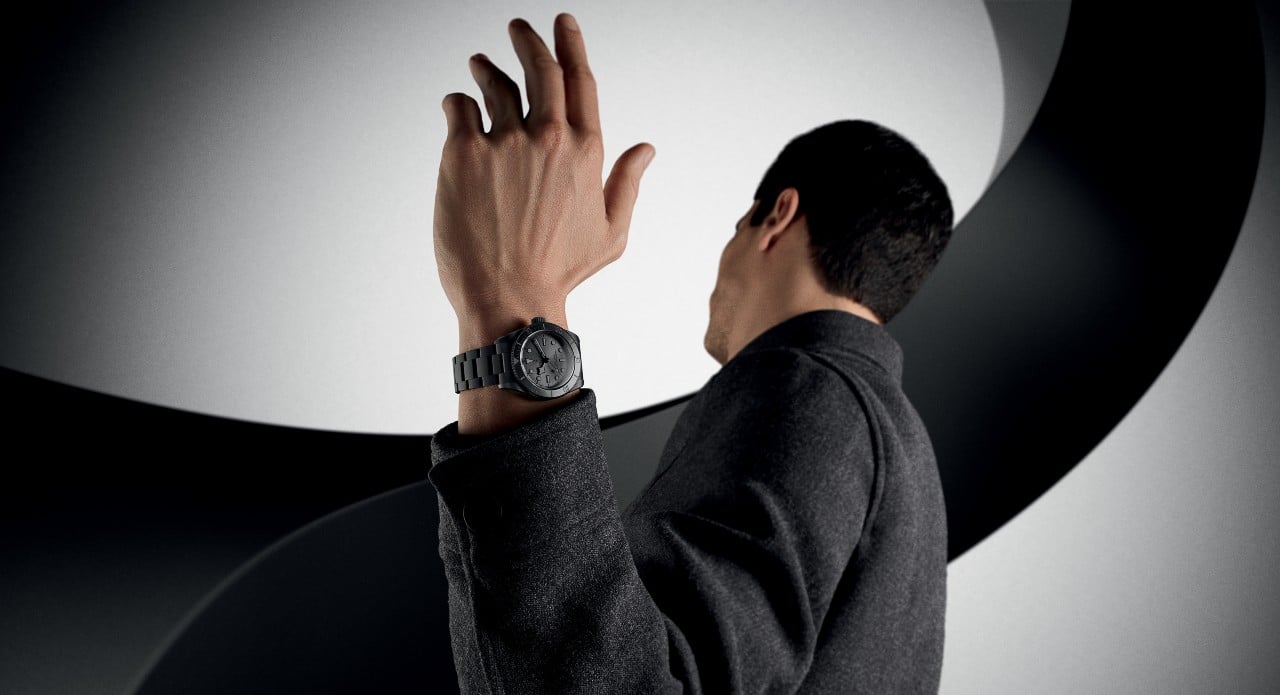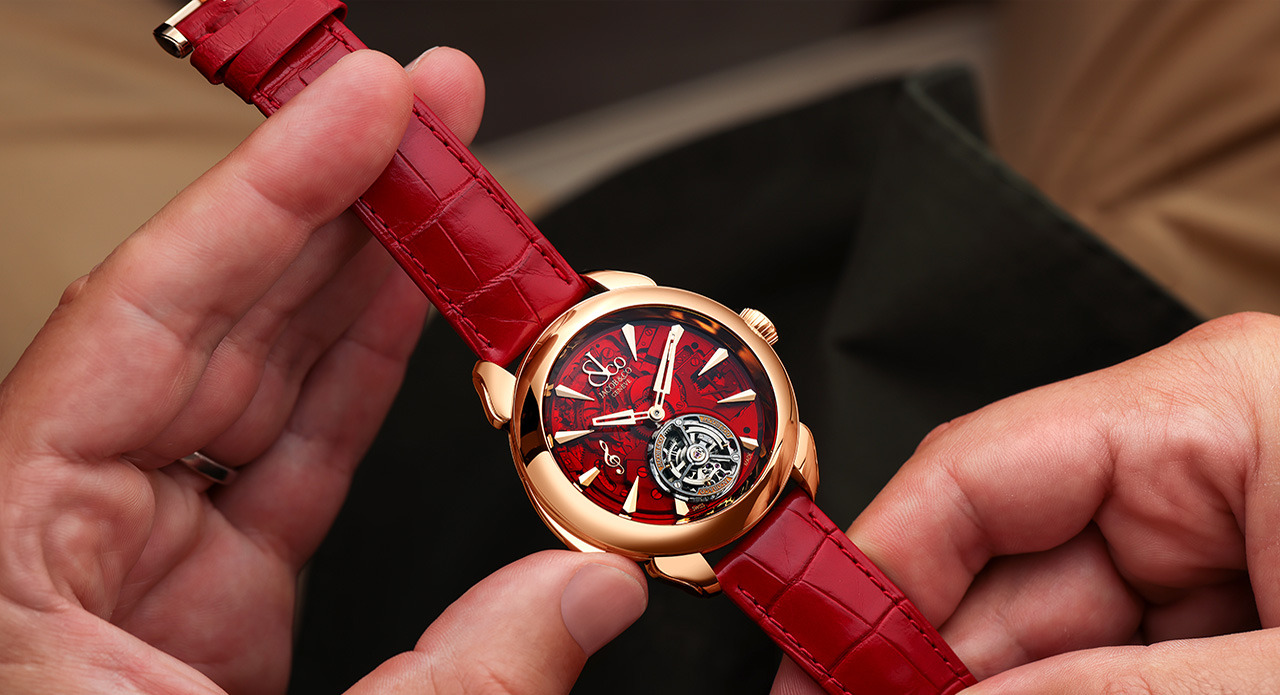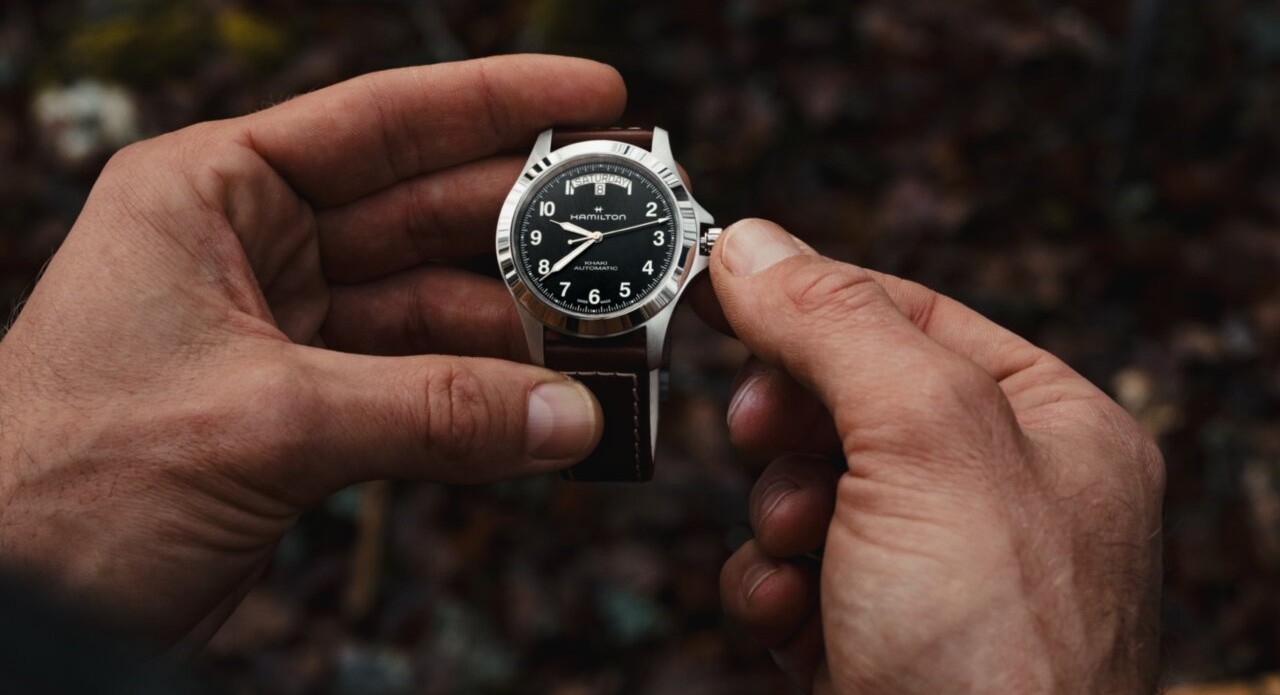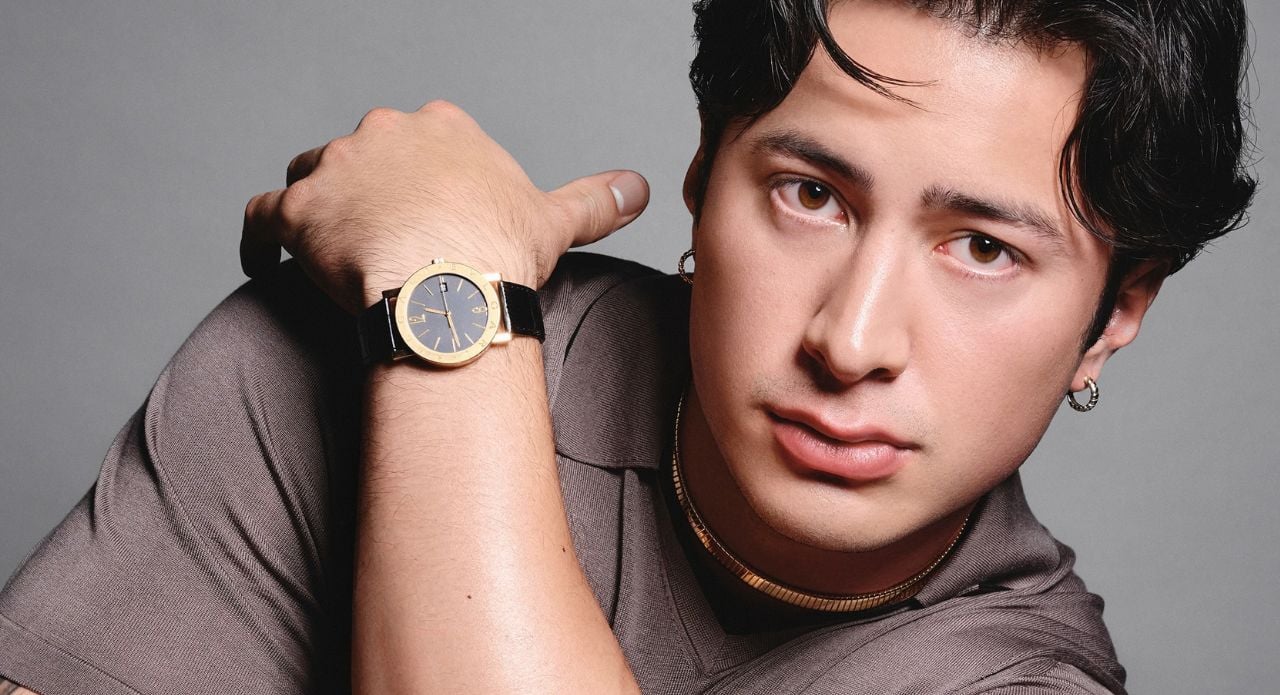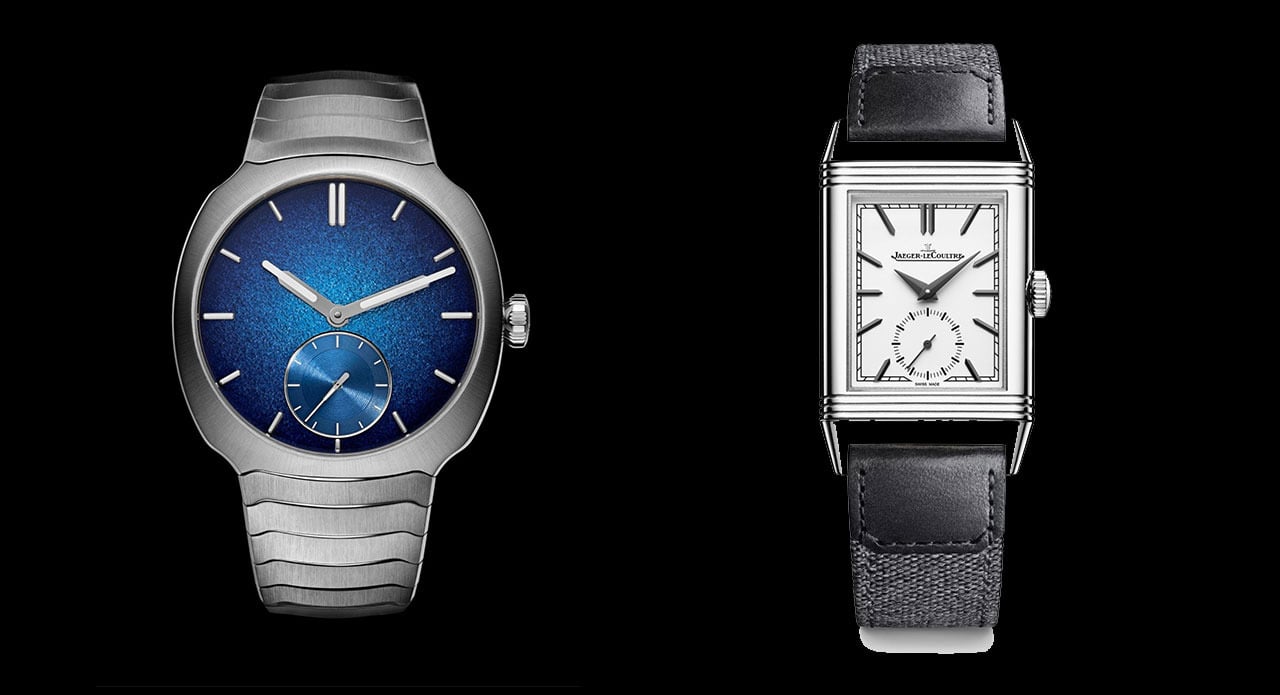


At a glance, the seconds hand seems like the least important player on the dial. Hours tell you where you are in the day. Minutes decide whether you are early or late. Seconds, supposedly, are just there for reassurance. Yet in mechanical watchmaking, where nothing is placed without reason, the position of that hand reveals how a movement is built, how it delivers power, and what the watch is trying to say about itself.
This is not styling. This is mechanics made visible.
Central Seconds
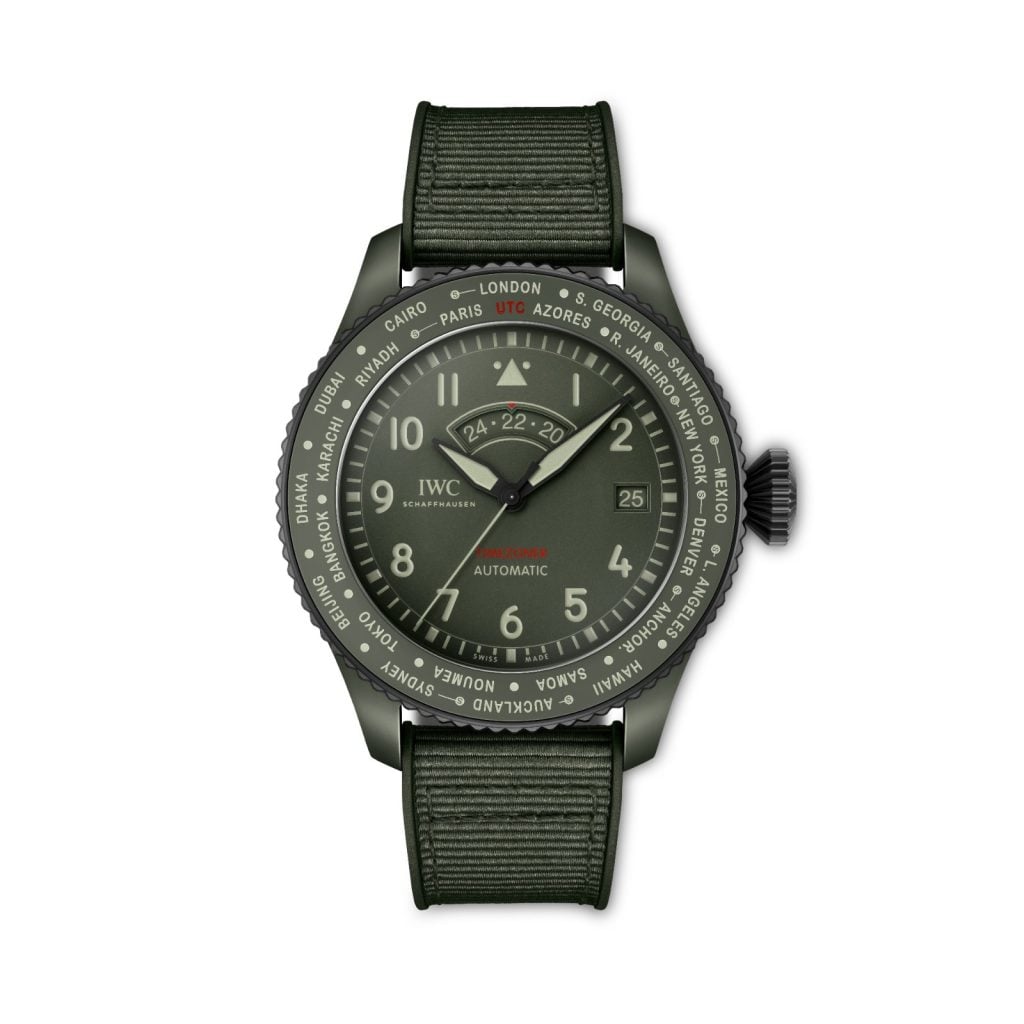
The natural home of the seconds hand in a traditional movement is not the centre of the dial. To place it there, watchmakers must intervene. Power from the fourth wheel, which rotates once every minute, has to be transmitted back to the centre through additional gearing. This introduces complexity, friction and the need for careful regulation to ensure the hand moves smoothly and consistently.
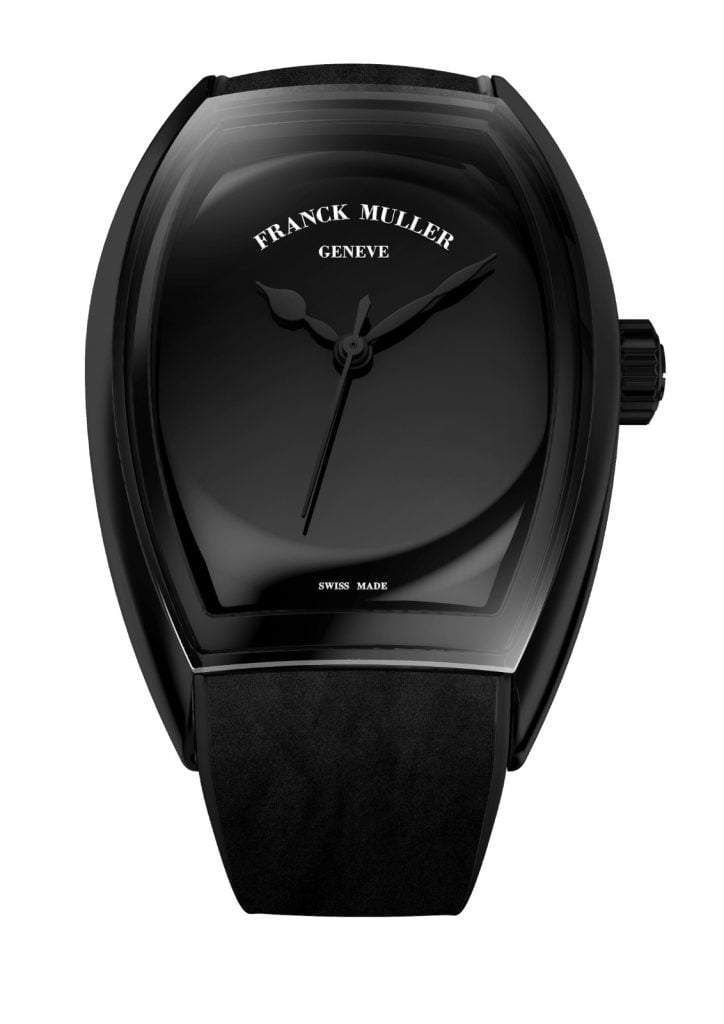
When executed well, central seconds offers clarity above all else. The hand is long, reaches the outer track of the dial and makes reading precise time intuitive. This is why it became essential for tool watches, pilot watches and chronometer rated pieces, where accuracy must be immediately visible. The continuous sweep also creates a sense of energy, reinforcing the idea that the watch is always in motion, always working. From a technical perspective, central seconds signals modern engineering confidence. It shows that the movement has been designed or adapted to prioritise legibility and performance, even if that means adding parts and complexity to achieve it.
Also Read: Inside Date Complication: The Most Practical Watch Feature Explained
Small Seconds
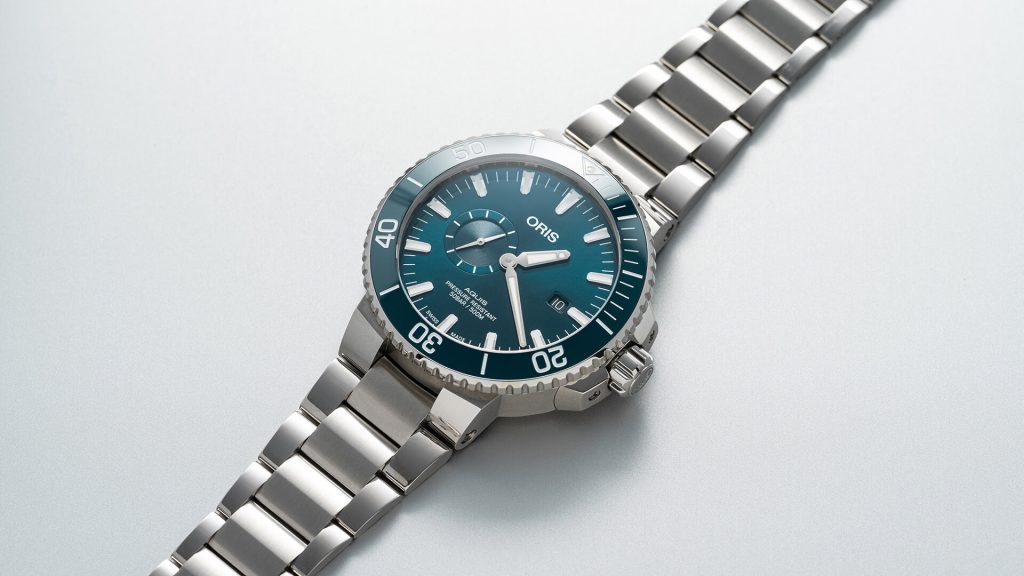
Small seconds follows the movement rather than forcing the movement to follow the dial. In classic mechanical architecture, the fourth wheel sits off centre, making it the most efficient place to display seconds. No extra transmission, no added stress on the gear train, just a direct and honest expression of how the movement is laid out.
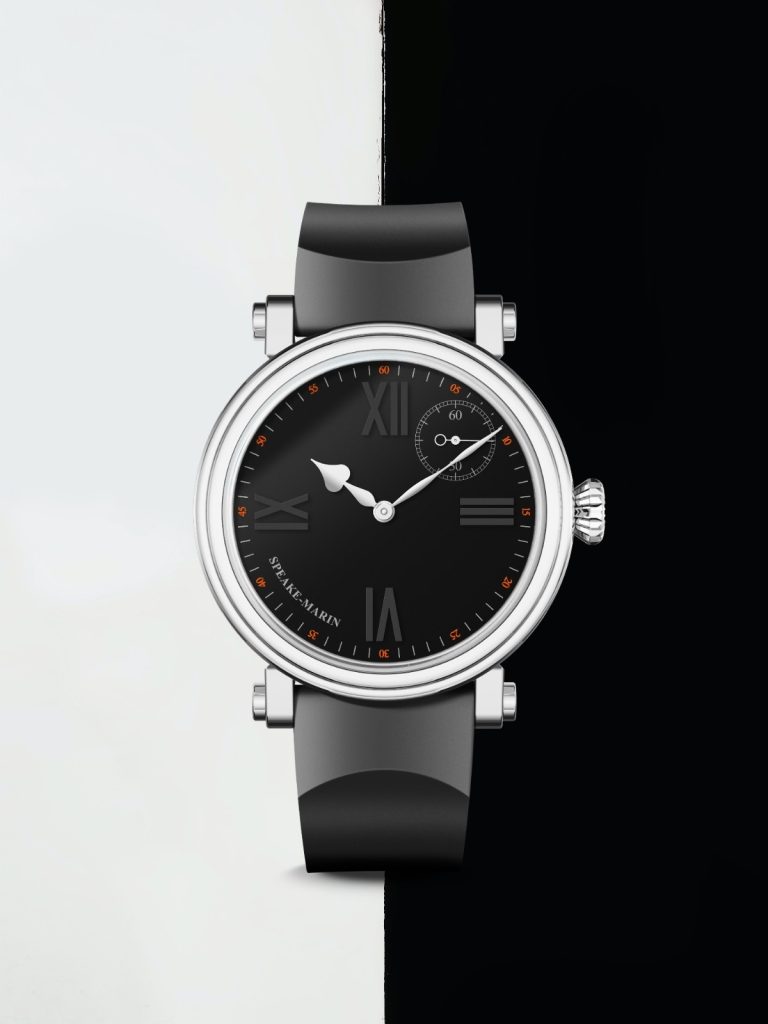
Visually, this creates a different rhythm. Hours and minutes dominate the dial while seconds tick away in their own sub register, often at 6 o clock. The separation slows the perception of time. The watch feels calmer, more deliberate, and more formal. Small seconds is deeply tied to traditional watchmaking. Pocket watches, early wristwatches and high horology dress pieces all embraced it because it respected mechanical logic and visual balance. Even today, choosing small seconds often reflects a desire to showcase purity of construction rather than technical bravado.
What It Ultimately Says
Neither placement is better. Each is a decision with consequences. Central seconds emphasises precision, immediacy and technical ambition. Small seconds highlights structure, proportion and mechanical honesty. In a world where complications compete for attention, seconds placement remains one of the most quietly revealing choices on a watch. It is the moment where engineering meets philosophy, and where the movement beneath the dial gently introduces itself to anyone paying close enough attention.