Architects Who Have Mastered The Art Of Brick Architecture
A refined look at architects who turned brick into a language of permanence restraint and quiet power shaping some of the most enduring buildings of the modern era
Brick is one of the oldest building materials on the planet and also one of the most misunderstood. Too often it is dismissed as ordinary familiar or even boring. But in the right hands brick becomes something else entirely. It carries weight memory texture and time. It weathers gracefully it belongs to the street and it never tries too hard. Architects who truly understand brick do not use it for nostalgia or comfort. They use it because it lasts because it feels human and because it quietly outperforms trend driven materials every single time. The following five architects mastered brick not by romanticising it but by respecting it.
Louis Kahn
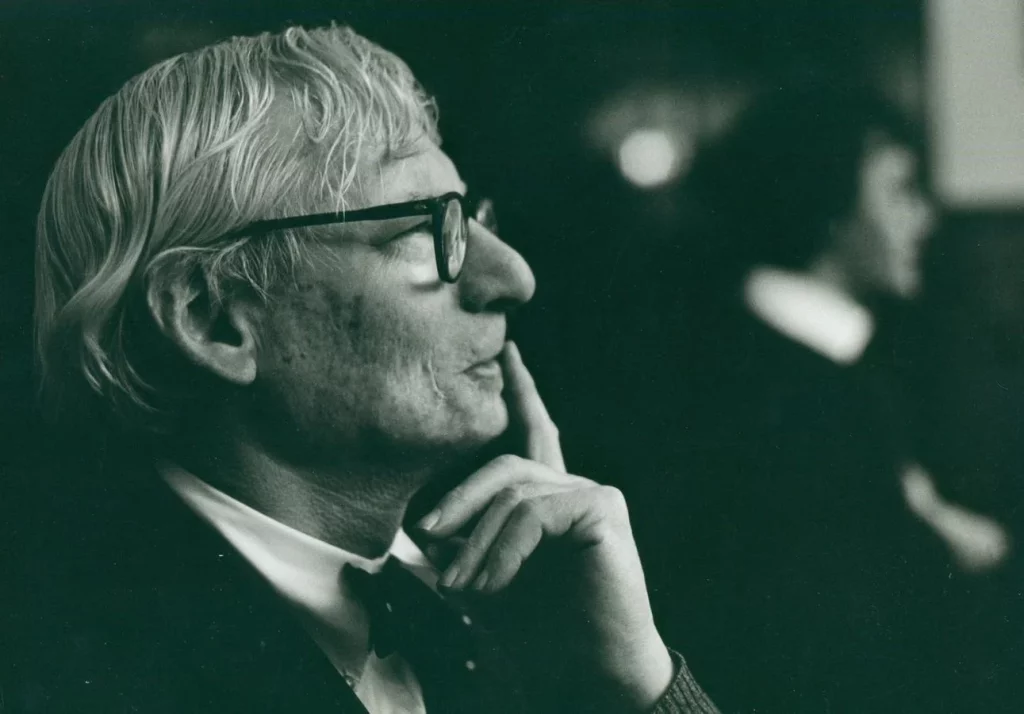
Louis Kahn did not treat brick as a surface. He treated it as a thinking material. His buildings feel monumental calm and timeless because brick was allowed to express its own logic. Projects like the Indian Institute of Management in Ahmedabad and the Exeter Library show brick used with gravity rhythm and clarity. Kahn famously spoke of asking brick what it wanted to be and then actually listening. The result was architecture that feels inevitable enduring and deeply serious without ever feeling cold.
Álvaro Siza
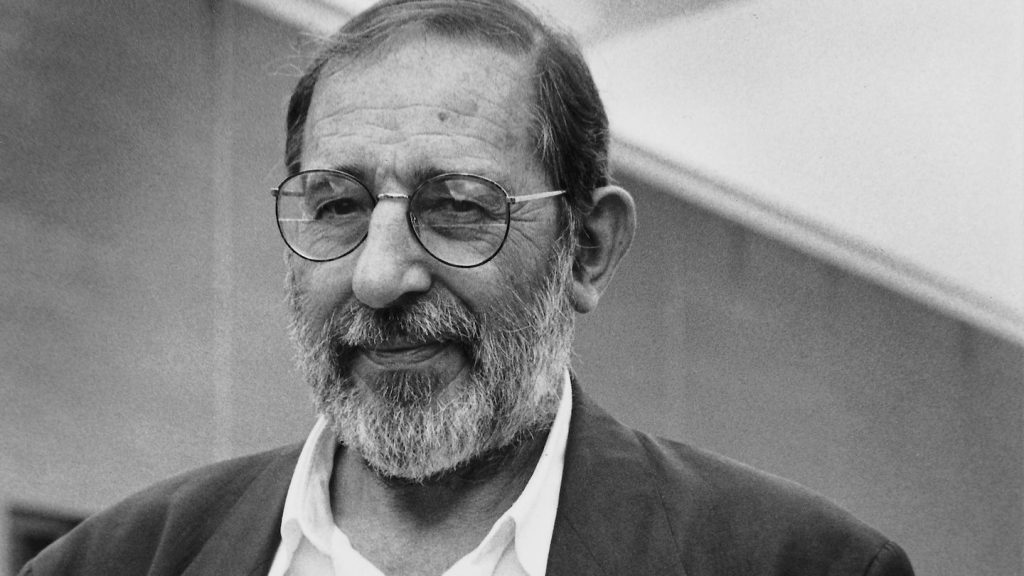
Álvaro Siza uses brick with extraordinary sensitivity. His work never overwhelms and never feels forced. Brick becomes a quiet partner rather than a statement. Whether working in housing museums or civic buildings Siza allows proportion light and context to guide the design. Brick in his hands feels soft measured and human. It belongs to its surroundings rather than dominating them which is precisely why his buildings age so well.
Herzog and de Meuron
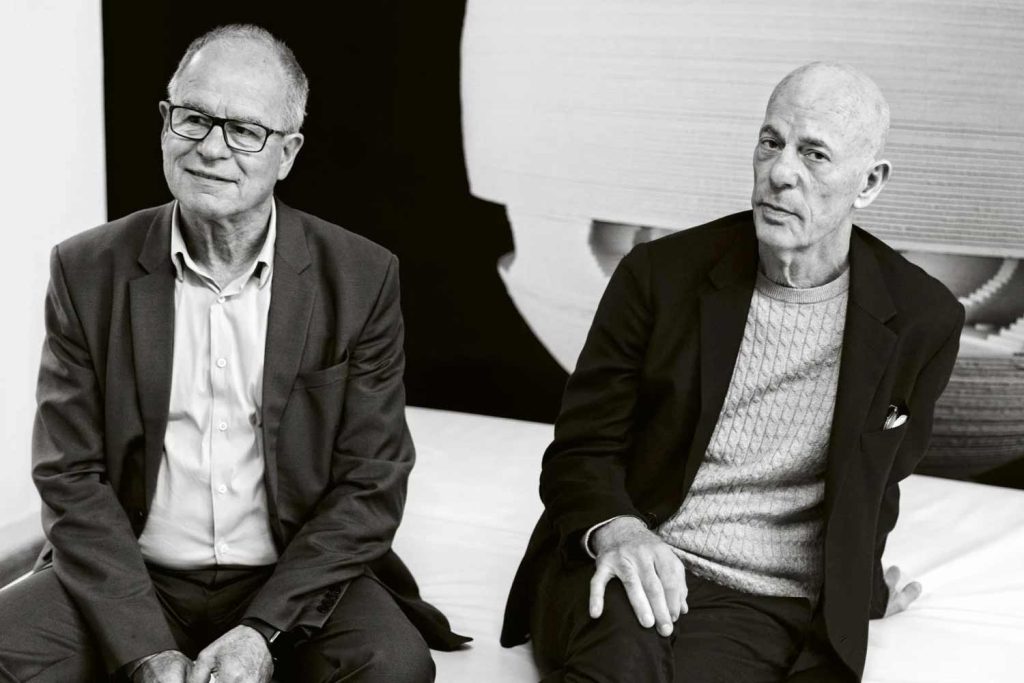
Herzog and de Meuron took brick and asked a different question. What if the most traditional material could behave in unexpected ways. Through pattern texture layering and surface experimentation they redefined how brick could be perceived. Their buildings often appear familiar from a distance and radical up close. They proved that brick can be contemporary inventive and intellectually challenging without losing its sense of permanence.
Rogelio Salmona
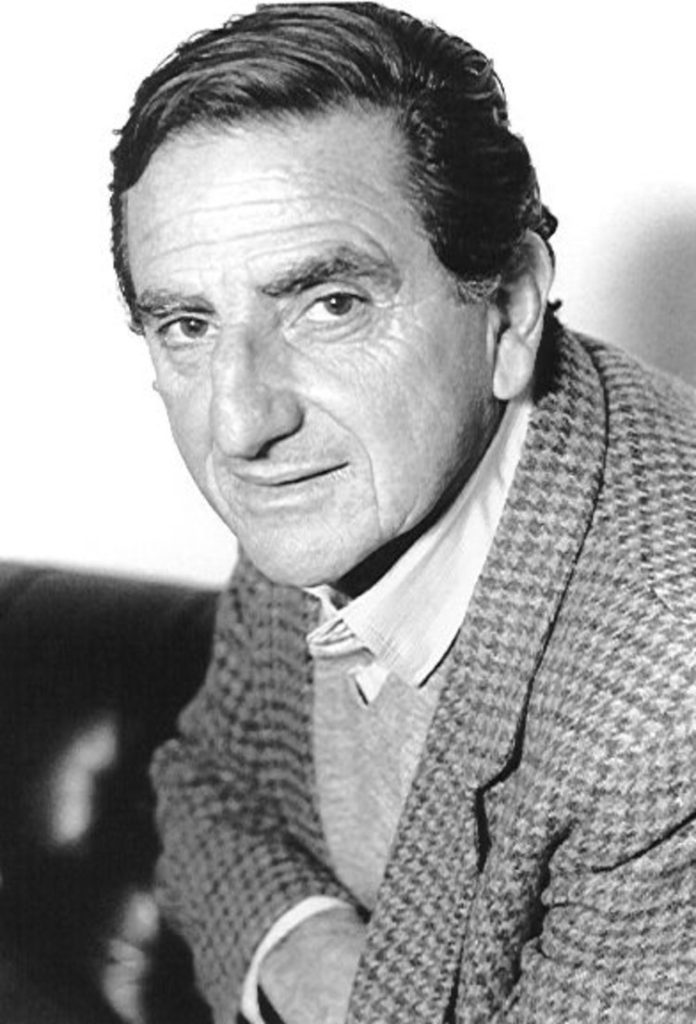
Rogelio Salmona built an entire architectural language from brick. His buildings flow curve and open into courtyards creating spaces that encourage movement conversation and reflection. Brick in Salmona’s work feels warm generous and civic. It shapes cities rather than objects. His legacy shows how brick can define public life and cultural identity at the same time.
Peter Zumthor
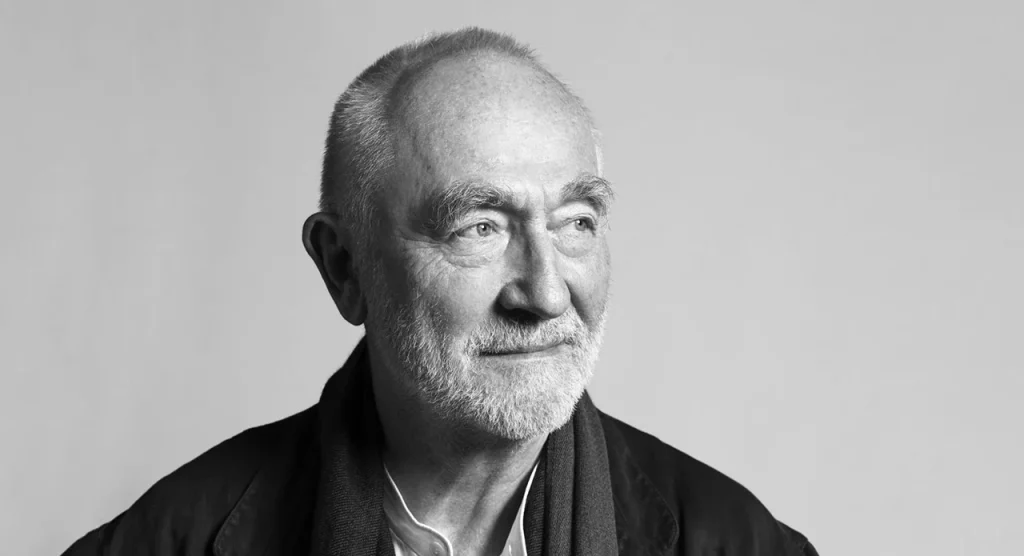
Peter Zumthor approaches brick with almost monastic seriousness. Every joint texture and proportion is considered. His buildings are less about visual impact and more about atmosphere. Brick becomes tactile emotional and immersive. Zumthor demonstrates that when treated with patience and respect brick can create spaces that feel timeless deeply grounded and profoundly moving.