How Vincent Van Duysen Redefined Contemporary Architecture Through Minimalism
In an era obsessed with architectural theatrics and Instagram-ready landmarks, Vincent Van Duysen has built a global reputation by doing precisely the opposite, creating spaces where silence, light, materiality and restraint become the ultimate luxury
There are architects who build buildings. Then there are architects who build monuments to their own egos. You know the type. They design structures that resemble exploded spaceships, folded napkins or something a toddler accidentally made with a box of Lego and too much confidence. The result is often spectacular, certainly photogenic, and occasionally completely unliveable. And then there is Vincent Van Duysen. A man who looked at modern architecture’s endless obsession with shouting for attention and quietly said, “No thank you.” Born in Lokeren, Belgium, in 1962 and trained in the deeply disciplined Flemish tradition of craftsmanship, Van Duysen has spent decades proving that architecture does not need to scream to be noticed. It merely needs to endure. While much of contemporary design has chased trends like a Labrador chasing a tennis ball, Van Duysen has pursued something far more difficult: timelessness. His work is not architecture designed for social media. It is architecture designed for life.
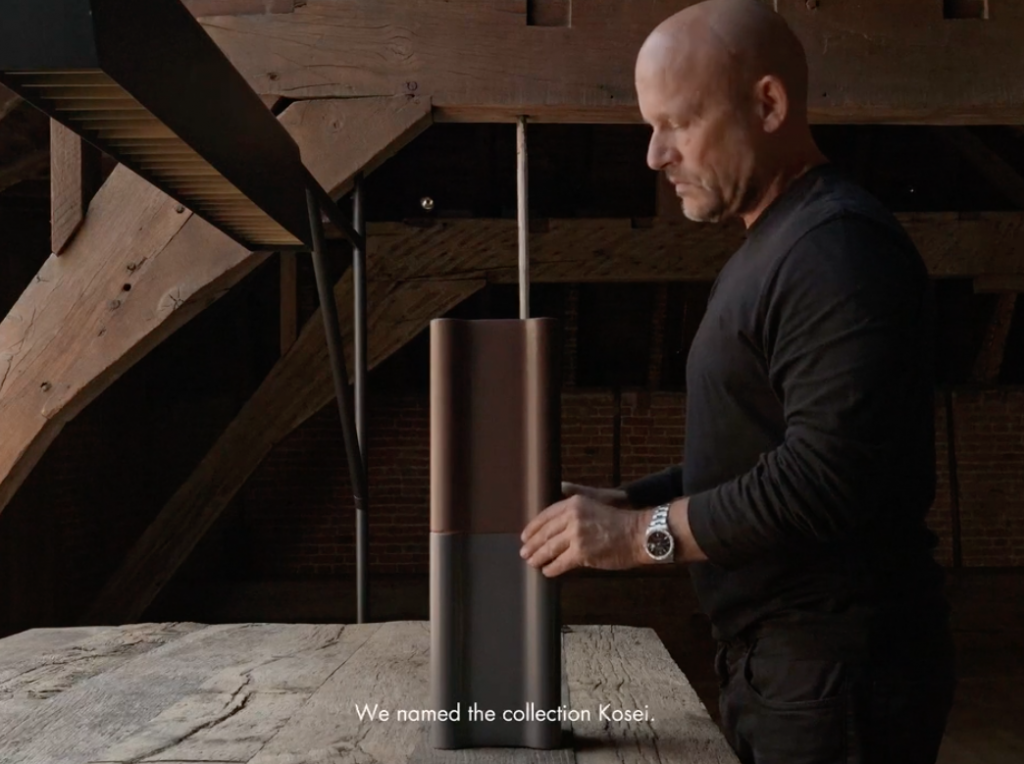
The Power Of Doing Less
The remarkable thing about Van Duysen’s projects is how little they appear to be trying. There are no dramatic flourishes. No unnecessary curves. No gravity-defying statements intended to dominate a skyline. And yet they possess a magnetic quality. Walk into one of his spaces and you immediately notice what isn’t there. Noise. Clutter. Distractions. Every element feels considered, every material purposeful. Stone feels like stone. Wood feels like wood. Light becomes as important as any physical structure.
This is architecture stripped back to its essentials. In a world drowning in visual overload, Van Duysen has built a career around subtraction rather than addition. His philosophy is simple: reveal more by building less. It sounds easy. It isn’t. Creating simplicity is often far more complicated than creating excess.
Also Read: Bijoy Jain And Studio Mumbai: The Indian Architect Redefining Sustainable Luxury Design
Casa M: A Masterclass In Architectural Silence
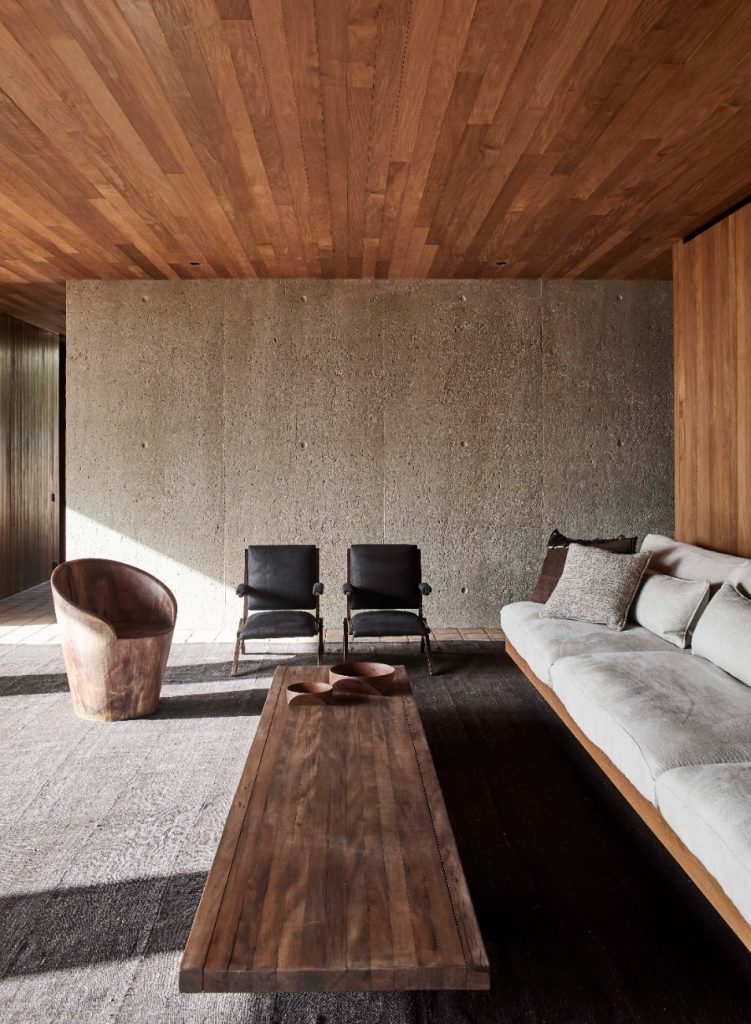
Perhaps no project captures Van Duysen’s philosophy better than Casa M in Melides, Portugal. Set within the rugged Alentejo landscape, Casa M feels less like a house and more like a natural geological formation that has always existed there. The structure emerges quietly from the terrain, respecting rather than dominating its surroundings. Large openings frame the landscape like living paintings. Natural materials age gracefully under the Portuguese sun. Interiors are calm, restrained and deeply connected to nature.
Nothing feels forced. The house does not compete with the landscape. It collaborates with it.
And that’s the genius of Van Duysen. While many architects try to conquer a location, he allows the location to shape the architecture. The result is not merely a luxury residence. It is an experience of stillness.
JNcQUOI Beach Club: Luxury Without The Showmanship
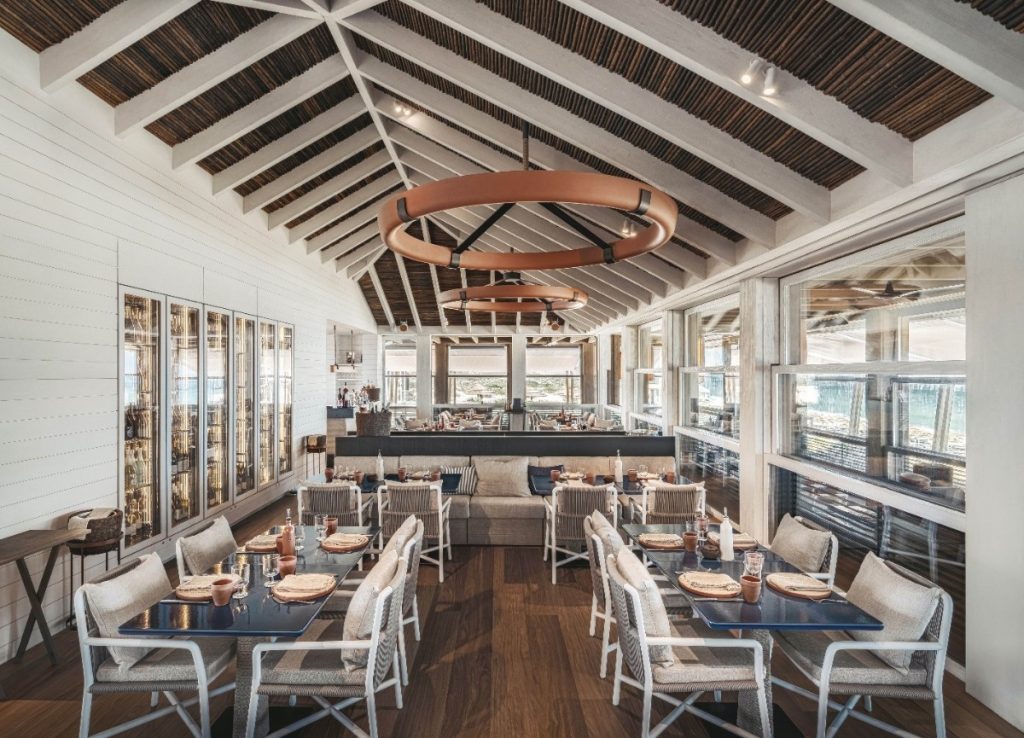
A short distance away in Comporta sits another defining project: the JNcQUOI Beach Club. Now, beach clubs are usually exercises in excess. Loud music. Louder design. Endless attempts to remind everyone how important they are. Van Duysen took a different route.
Nestled among dunes, pine forests and the Atlantic coastline, the Beach Club feels remarkably natural. Materials are tactile and authentic. Volumes remain understated. The architecture gently settles into the landscape rather than imposing itself upon it. It is luxurious, unquestionably. But it is a luxury born from atmosphere rather than extravagance.
The project demonstrates that contemporary hospitality design does not require endless ornamentation. Sometimes the most powerful statement is restraint.
Why His Architecture Feels So Relevant Today
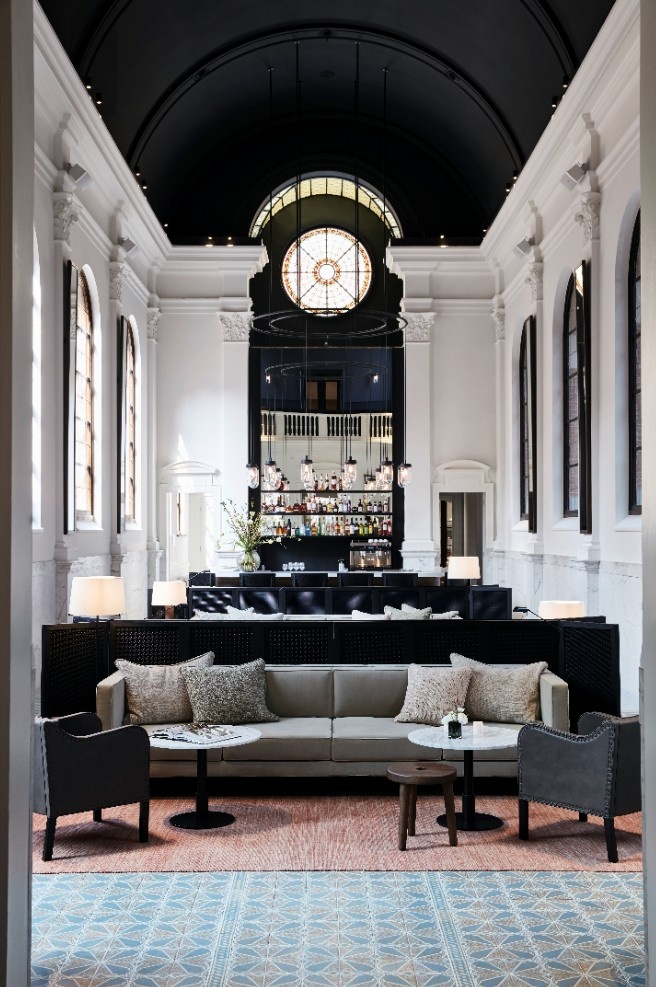
The reason Vincent Van Duysen matters now more than ever is because the world has changed. For years, luxury was defined by visibility. Bigger houses. Larger yachts. More dramatic architecture. Today, the conversation is shifting. People increasingly crave authenticity. Calm. Privacy. Permanence. They want homes and spaces that feel human rather than performative. Van Duysen understood this long before it became fashionable.
His projects are rooted in emotional comfort rather than visual spectacle. They focus on how a space feels at different times of day. How materials age. How light moves across surfaces. How architecture can quietly improve everyday life. That level of thinking creates buildings that remain relevant long after trends disappear.
The Legacy Of Living Timelessness
Perhaps the greatest achievement of Vincent Van Duysen is that he has made minimalism feel warm. For many architects, minimalism can become cold, sterile and detached. In Van Duysen’s hands, it becomes deeply human. His work reminds us that true luxury has very little to do with excess. It is about precision. About craftsmanship. About creating environments that improve with age rather than deteriorate under changing fashions. In an architectural era obsessed with being noticed, Vincent Van Duysen has built a career proving that the most enduring buildings are often the quietest. And that may be the most radical idea in modern architecture.