How Wine Cellars Evolved Into Stunning Architectural Showpieces
Today, wine cellars combine precision climate engineering with exceptional craftsmanship, transforming wine storage into immersive spaces where architecture, design and the ritual of collecting converge
For centuries, the finest wines were hidden from view. Buried beneath monasteries, castles and country estates, early wine cellars were designed with one purpose alone: to protect precious bottles from heat, light and time. Thick stone walls, cool underground temperatures and carefully controlled humidity created the perfect environment for wine to mature quietly over decades. There was little concern for aesthetics because these were working spaces rather than destinations. Today, however, the modern wine cellar has undergone one of architecture’s most remarkable transformations. No longer concealed beneath the home, it often occupies its most prominent location, becoming a dramatic centrepiece that reflects both personal taste and architectural ambition. Encased in glass, illuminated like an art gallery and engineered with extraordinary precision, contemporary wine cellars celebrate the collection as much as the wine itself. They blur the boundaries between engineering, interior design and hospitality, creating immersive spaces where every bottle tells a story and every material has been chosen with purpose. In the world’s finest residences, the wine cellar is no longer an afterthought. It has become an architectural experience that embodies craftsmanship, luxury and the timeless pleasure of collecting.
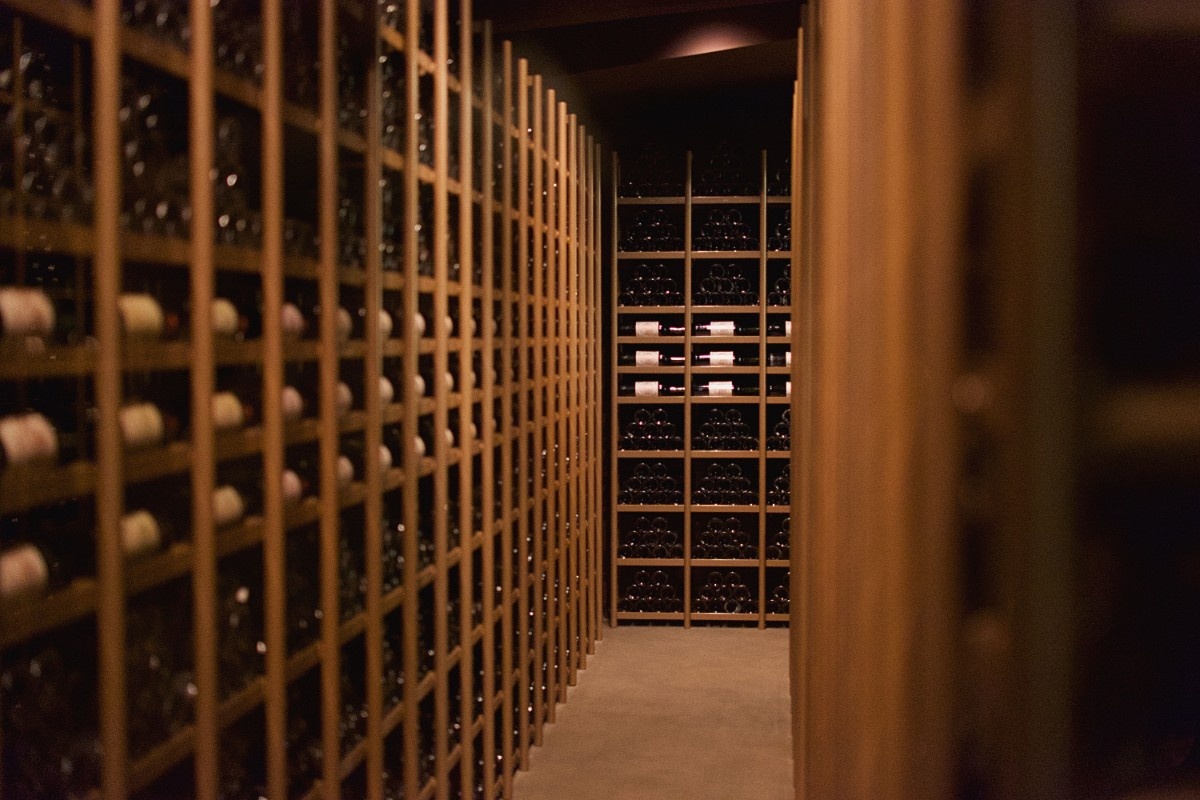
From hidden vaults to architectural icons
The earliest wine cellars emerged from necessity rather than luxury. Before refrigeration existed, underground chambers offered naturally stable temperatures and humidity levels essential for preserving wine. European monasteries, medieval castles and aristocratic estates relied on vaulted stone cellars where bottles could mature undisturbed for years. These spaces were deliberately simple, prioritising function over appearance. As wine collecting became associated with wealth and cultural sophistication, however, the cellar gradually evolved from a hidden storage room into a reflection of its owner’s appreciation for craftsmanship and fine living.
Also Read: How Atelier ARS Became One Of Mexico’s Most Influential Architectural Practices
Architecture celebrates the collection
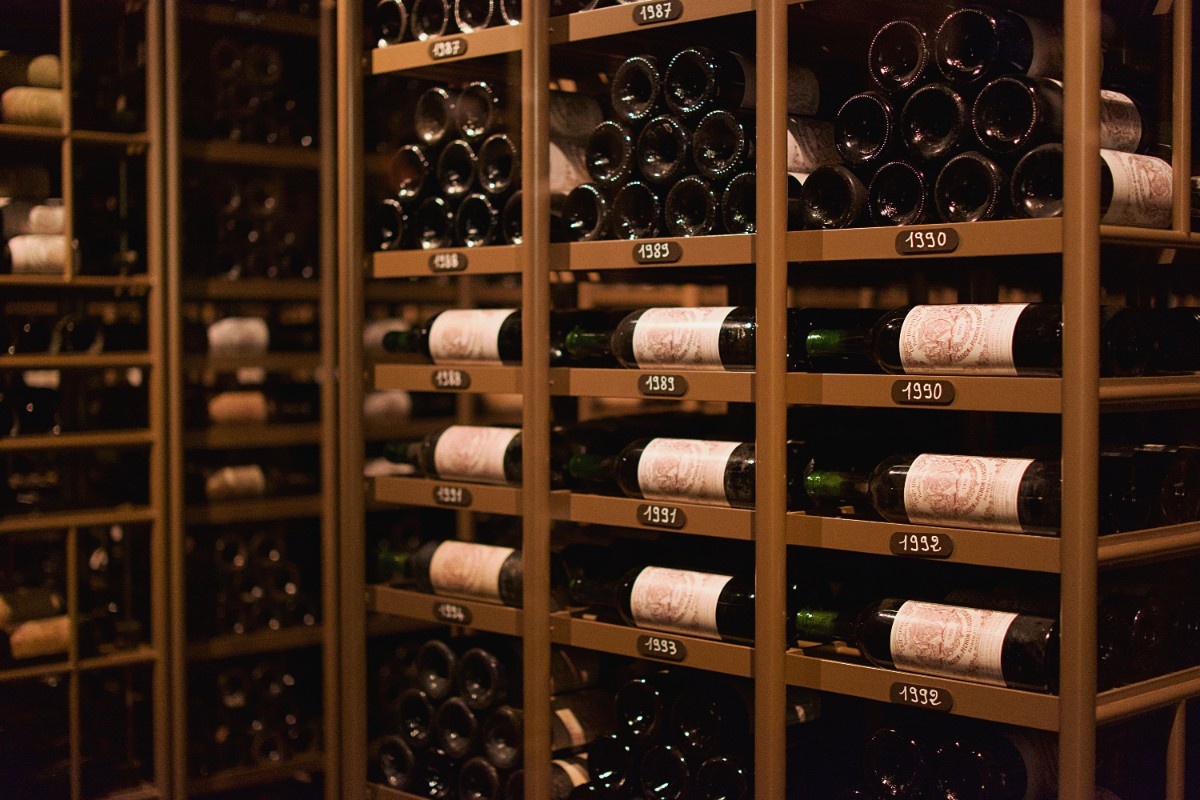
Contemporary wine cellars have moved from the basement into the heart of the home. Architects increasingly position them beside dining rooms, living areas or entrance halls, allowing carefully curated collections to become part of the everyday architectural experience. Floor to ceiling glass enclosures replace solid masonry walls, offering uninterrupted views while maintaining precise environmental control. Rather than hiding valuable vintages, modern design transforms them into living exhibitions where every bottle contributes to the visual composition of the interior.
Precision hidden behind every bottle
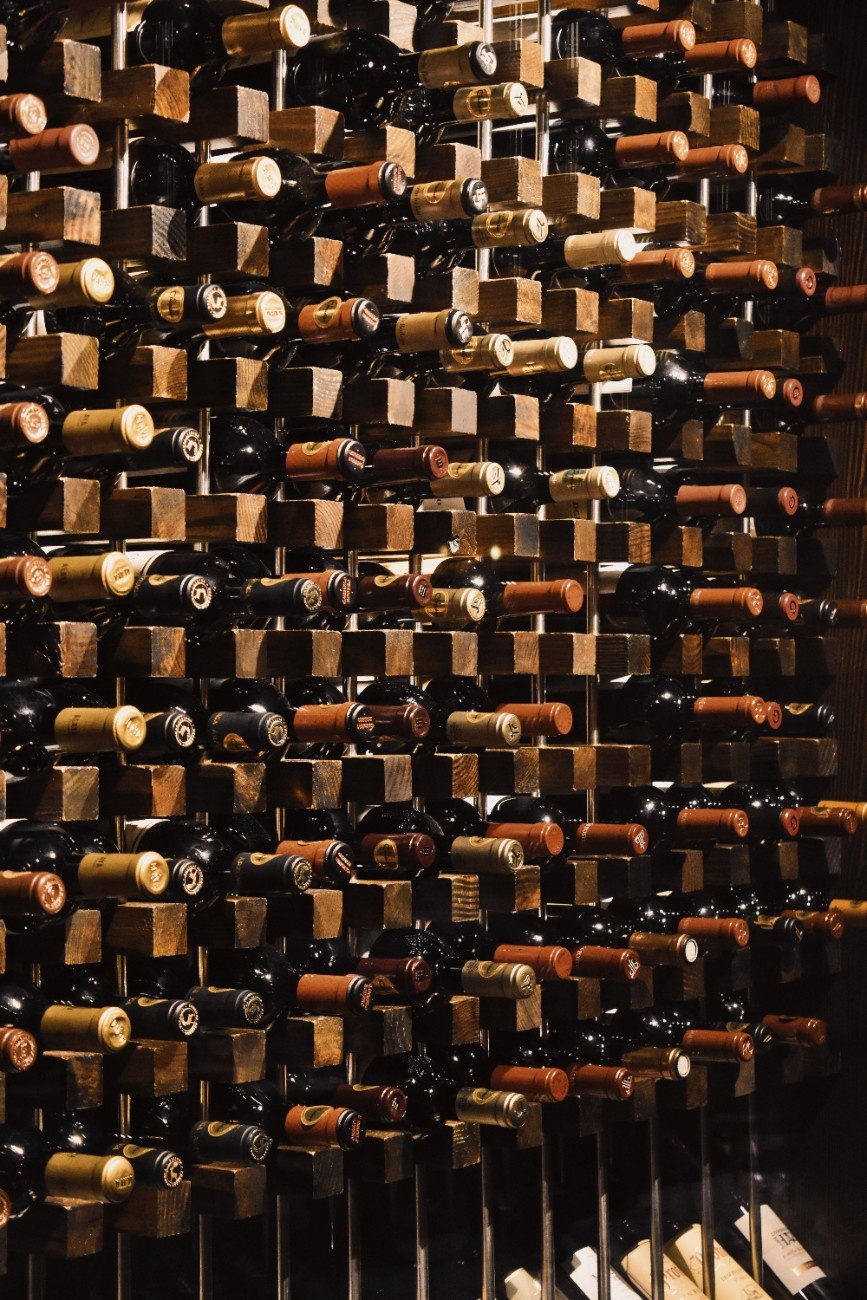
Behind every remarkable wine cellar lies an equally sophisticated engineering system. Maintaining consistent temperatures, balanced humidity and minimal vibration remains essential for protecting valuable collections over decades. Architects collaborate closely with climate specialists to integrate cooling systems, insulation and ventilation discreetly within the design, ensuring technology never distracts from the architectural experience. The result is a seamless balance where invisible engineering preserves the wine while visible craftsmanship defines the space.
Also Read: Spiral Staircases: The Design Secret Behind Timeless Luxury Homes
Craftsmanship shapes the experience
The finest wine cellars rely on honest, timeless materials that reinforce their connection to tradition while complementing contemporary design. Natural stone introduces permanence and thermal stability, while richly grained timber adds warmth and references the oak barrels central to winemaking itself. Steel, bronze and glass introduce precision and transparency, allowing collections to become focal points without overwhelming the surrounding architecture. Carefully integrated lighting completes the experience, highlighting bottles, textures and materials with the restraint of a museum gallery rather than the brightness of a retail display.
More than storage, a destination

Luxury residences increasingly extend the wine cellar beyond storage to create complete hospitality environments. Private tasting rooms, intimate lounges, cigar spaces and bespoke dining areas now surround carefully curated collections, encouraging owners and guests to experience wine where it is stored. These environments celebrate the rituals of collecting, opening and sharing great vintages, transforming the cellar into one of the home’s most memorable social spaces.
A timeless expression of luxury
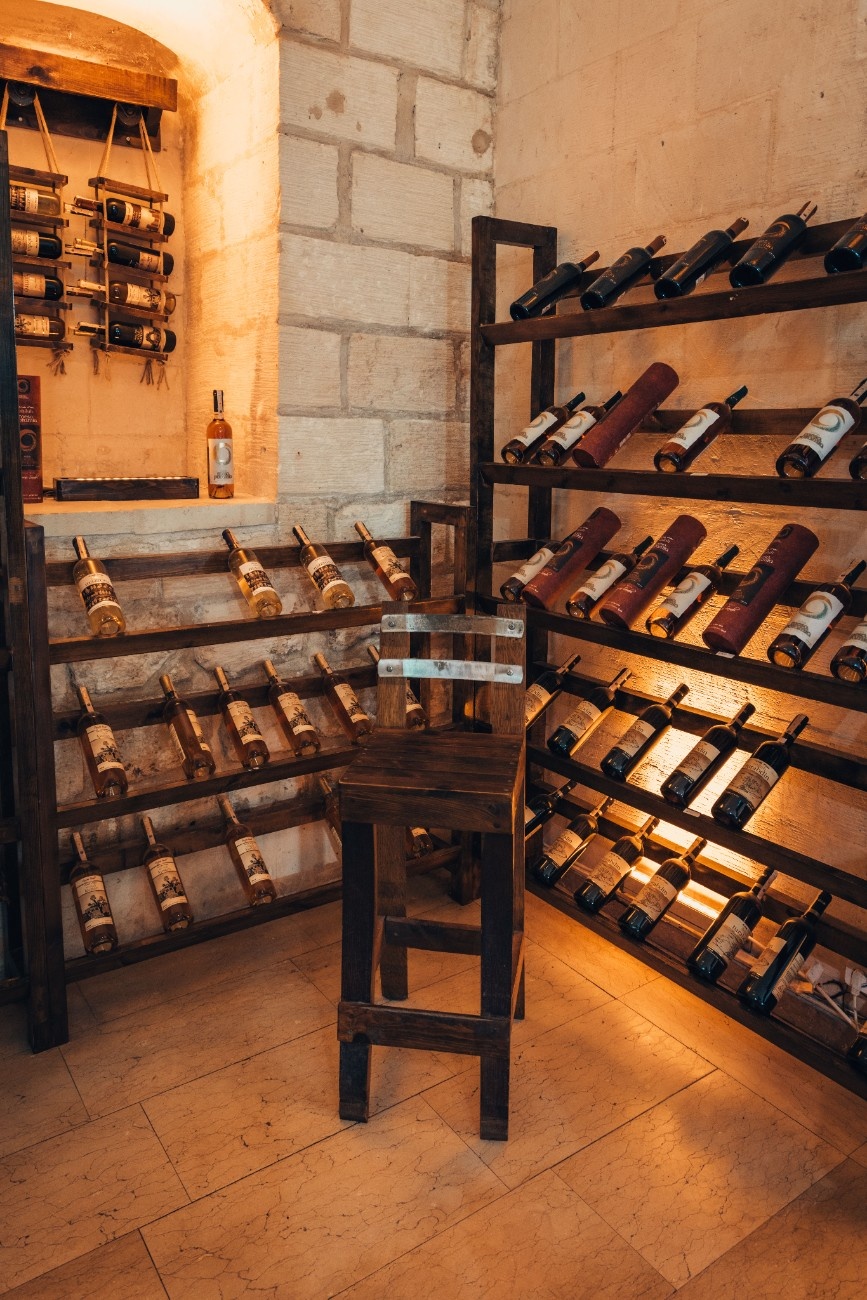
Few spaces combine science, craftsmanship and emotion as elegantly as a well designed wine cellar. It preserves history while creating new memories, balancing technical precision with sensory experience and architectural beauty with practical function. As luxury homes continue to embrace personalised living spaces, the wine cellar has emerged as far more than a room for bottles. It stands as a lasting expression of patience, connoisseurship and thoughtful design, proving that architecture is often at its finest when it elevates life’s quietest pleasures.