Who Is Mickey Muennig? Exploring the Legacy Of America’s Organic Architect
An architect who believed buildings should grow from the land rather than dominate it, Mickey Muennig turned mountains, forests and deserts into living architectural canvases
Architecture has always had a complicated relationship with nature. For centuries, humans built walls, towers and monuments to prove they could conquer landscapes. Then came Mickey Muennig, an architect who looked at a mountain, a forest or a desert and asked a much simpler question: why fight what already exists? To Muennig, the greatest buildings were not objects placed on land but extensions of it. His homes did not arrive with the confidence of a skyscraper announcing its presence. They appeared almost as if they had always belonged there, quietly emerging from the earth like a natural formation. In a world where luxury architecture often means bigger, louder and more dramatic, Muennig created something far more difficult: buildings that disappear into their surroundings while becoming unforgettable.
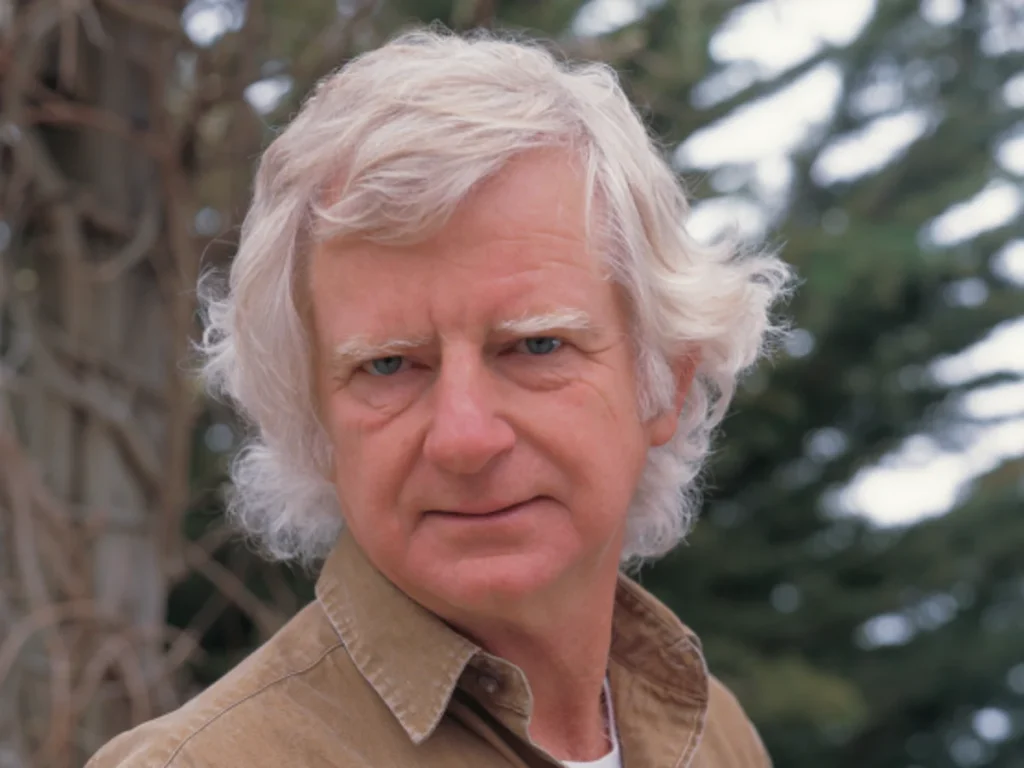
Mickey Muennig Created Architecture That Grew From Its Surroundings
Born in 1927, Mickey Muennig became one of America’s most important figures in organic architecture, a design philosophy that focuses on harmony between human spaces and the natural world. While many architects treated land as a blank canvas, Muennig viewed every location as something already complete. A mountain slope, a desert landscape or a forest clearing had its own identity, and the role of the architect was to discover it. His designs responded to the natural conditions of each site. The position of the sun influenced the placement of rooms, the terrain shaped the structure and materials were selected to create a visual connection between the home and its environment. The result was architecture that felt less constructed and more discovered.
Also Read: Kongjian Yu: How China’s Leading Landscape Architect Is Redefining Sustainable Cities
His Philosophy Was Inspired By Nature Rather Than Decoration
Muennig’s approach was influenced by the principles of Frank Lloyd Wright, particularly the belief that architecture should reflect its surroundings rather than overpower them. However, Muennig developed his own interpretation of organic design. He focused on creating emotional connections between people and places. Instead of adding unnecessary ornamentation, he relied on texture, natural materials and carefully designed spaces. A stone wall was not just a structural element. It was a continuation of the landscape. A window was not merely an opening. It was a frame connecting the interior world with the outdoors. For Muennig, architecture was not about creating a perfect object. It was about creating a perfect relationship.
The Legacy Of Organic Architecture Shaped His Greatest Designs
The ideas behind organic architecture were famously explored by Fallingwater, where the building was designed as an extension of its natural surroundings. Muennig followed a similar belief that architecture should respect the character of the land. But his work pushed the concept further by making nature an active participant in the design process. His buildings often worked around existing trees, followed the curves of hills and used natural materials that aged with time. Instead of freezing a landscape in a particular moment, Muennig allowed his architecture to evolve with it.
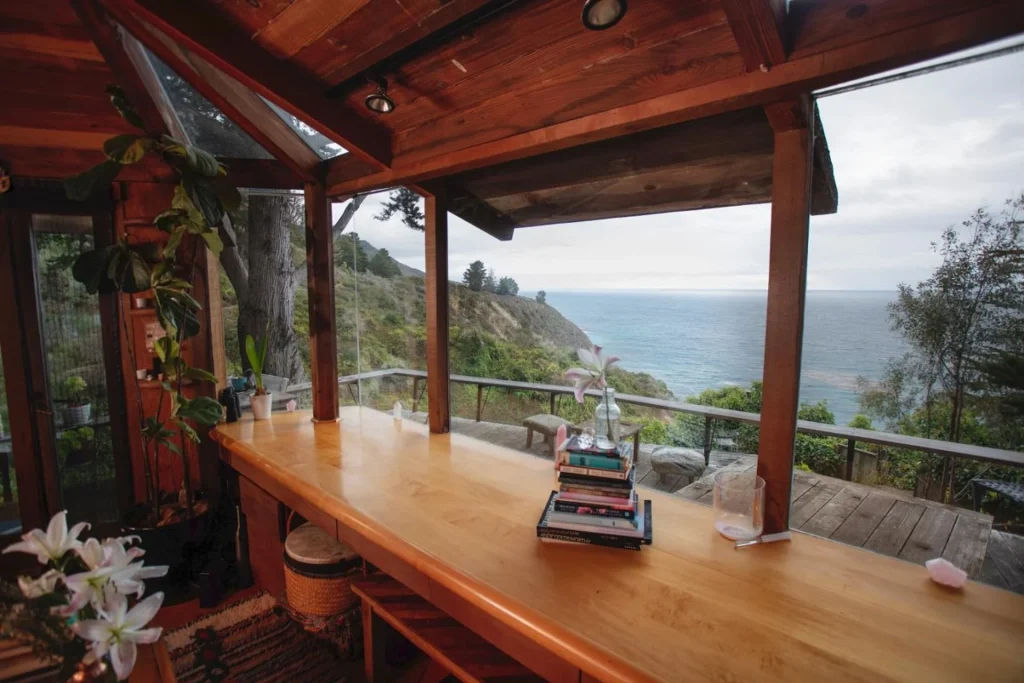
Mickey Muennig’s Influence Continues In Sustainable Design Today
Today, as architects search for ways to create environmentally responsible spaces, many of Muennig’s ideas feel remarkably current. The principles he followed decades ago, using local materials, respecting landscapes and reducing the distance between humans and nature, now form the foundation of sustainable architecture. His work reminds the industry that sustainability is not only about technology. It is also about understanding. A building does not always need to dominate its surroundings to be remarkable. Sometimes the greatest achievement is creating something that feels as though nature itself designed it. And that may be Mickey Muennig’s greatest contribution: proving that the future of architecture was always hidden in the landscape.