The Rise Of Soft Luxury: Plush Forms, Calm Colours And Comfort-First Design
Luxury today is no longer about being seen, but how it’s felt, quietly, intuitively, over time. Soft luxury reflects a shift towards homes that prioritise comfort, emotional ease and beauty over visual performance
The concept of luxury has evolved over the years. Luxury today is not about being noticed but being felt. It’s in the way a space lets you settle into it; how it supports everyday life without asking for attention. It’s quieter, intuitive and far more personal. I often think of it as soft luxury- a design language rooted in comfort, restraint and emotional ease. This shift has changed the way I think about design and what I value most in the homes we create
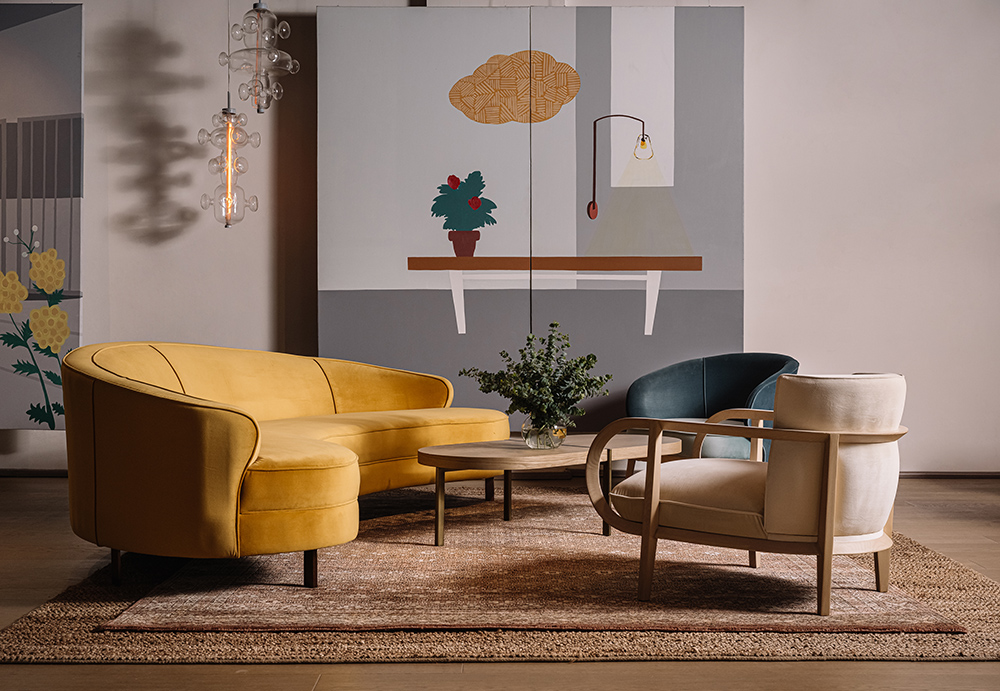
The Timeless Appeal Of Soft Luxury
For me, soft luxury isn’t about the first impression. It’s about the second, third and hundredth time you walk into a space. It’s the way a room makes you exhale after a long day. The chair you instinctively gravitate towards. The materials that don’t ask to be handled with caution but simply lived with.
Our relationship with our homes has evolved. They have quietly taken on multiple roles- workplace, retreat, gathering space, place for reflection; often all at once. We’re no longer drawn to spaces that perform or impress. We’re looking for homes that support us gently, without constant visual demand. Spaces that feel grounding, intuitive and easy to live with.
One of the clearest signs of this shift to soft luxury is in plush forms. Furniture today seems fuller, rounder, more generous. Sofas sink instead of standing stiff, edges soften and seats deepen. These shapes feel human. They encourage lounging, conversation, afternoon naps and long, unplanned moments, the kind that don’t fit into rigid, formal layouts.
Also Read: Turning Discarded Wood Into Art: The Sustainable Journey Of A Naga Design Duo
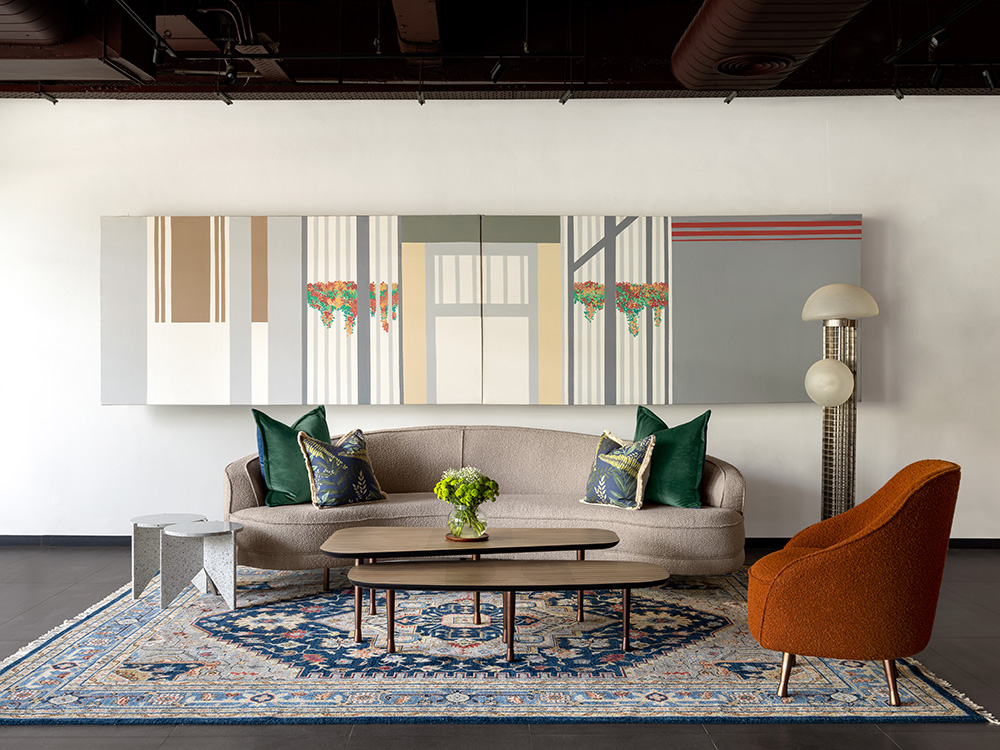
The Art Of Comfort-Maxxing
Comfort is no longer an afterthought, but the focal point. A chair that supports you well or a sofa that adapts to the way people actually sit isn’t casual, it’s considerate. To me, that’s real luxury; design that understands daily life and makes it easier, not more precious or intimidating.
Colour also plays a crucial part. There’s a calmness settling into our palettes; warm whites, muted greys, earthy neutrals, soft pastels. These colours don’t shout, they settle and create visual quiet, allowing the space to breathe. What I love most about these tones is their longevity. They age better and transition easily through seasons and moods, making room for personal objects, art and memories to take centre stage- the things that actually give a home its soul.
Then there’s materiality, perhaps the most tactile expression of soft luxury. We’re gravitating towards textures that invite touch. Linen that creases, wood that deepens over time and fabrics that soften with use. There’s a growing acceptance that perfection is overrated. Patina and subtle imperfections aren’t flaws but proof of life.
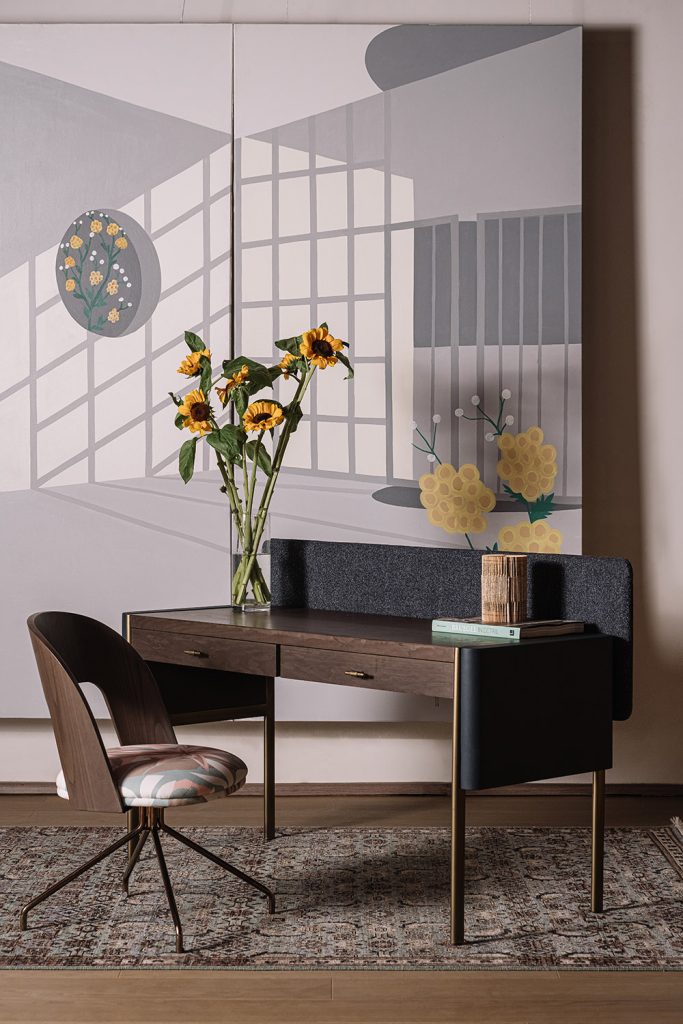
With the advent of soft luxury, design is moving away from display and towards experience. Materials are chosen not just for how they look on day one, but for how they respond to light, time and daily interaction. A surface that carries stories feels infinitely richer than one that remains untouched.
What Is Comfort-First Design?
At its heart, comfort-first design is deeply emotional. Soft luxury considers how people move through their homes, where they pause, where they unwind, where they gather without thinking. It recognises that emotional comfort just as much as aesthetics. A home should feel safe, familiar and intuitive, where design becomes a quiet support system rather than a statement.
It is also why overly polished interiors are beginning to feel less relevant. Today, there’s a renewed appreciation for homes shaped by daily habits and everyday rituals. A chair nudged closer to the window. A dining table marked by everyday meals. A sofa that shows usage. Soft luxury allows spaces to evolve, instead of freezing them in time. It grows with the people inside them, adapting to changing needs and rhythms. There’s something deeply honest and sustainable about that. This way of thinking also brings with it a sense of mindfulness. Fewer things, chosen well. Pieces that last, that remain relevant, that quietly add value to everyday life instead of demanding attention.
In many ways, soft luxury aligns with a slower, more intentional way of living. It’s about balance, between beauty and practicality. Luxury no longer needs to announce itself. You feel it in the way a space works for you, day after day.
Also Read: Why Home Styling Is The Final And Most Crucial Step
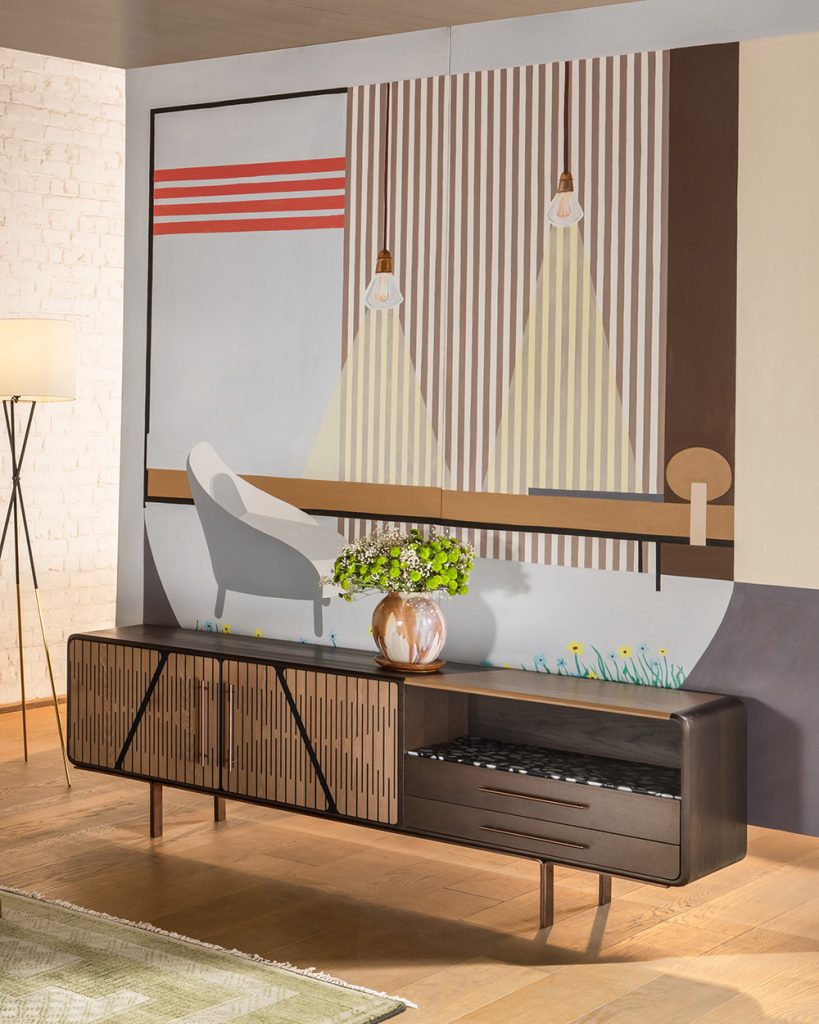
Looking ahead, I don’t see soft luxury as a passing trend. It reflects a deeper shift in values. As homes become more personal, design will continue to prioritise comfort, adaptability and emotional resonance. Perhaps true luxury today is quiet. It’s found in spaces that age well, adapt easily and make room for the people who inhabit them. When a home supports everyday life without announcing itself, design becomes something you don’t have to think about and that, to me, is where it matters most.
Ruchika Baid is the Managing Director of Sunday Design