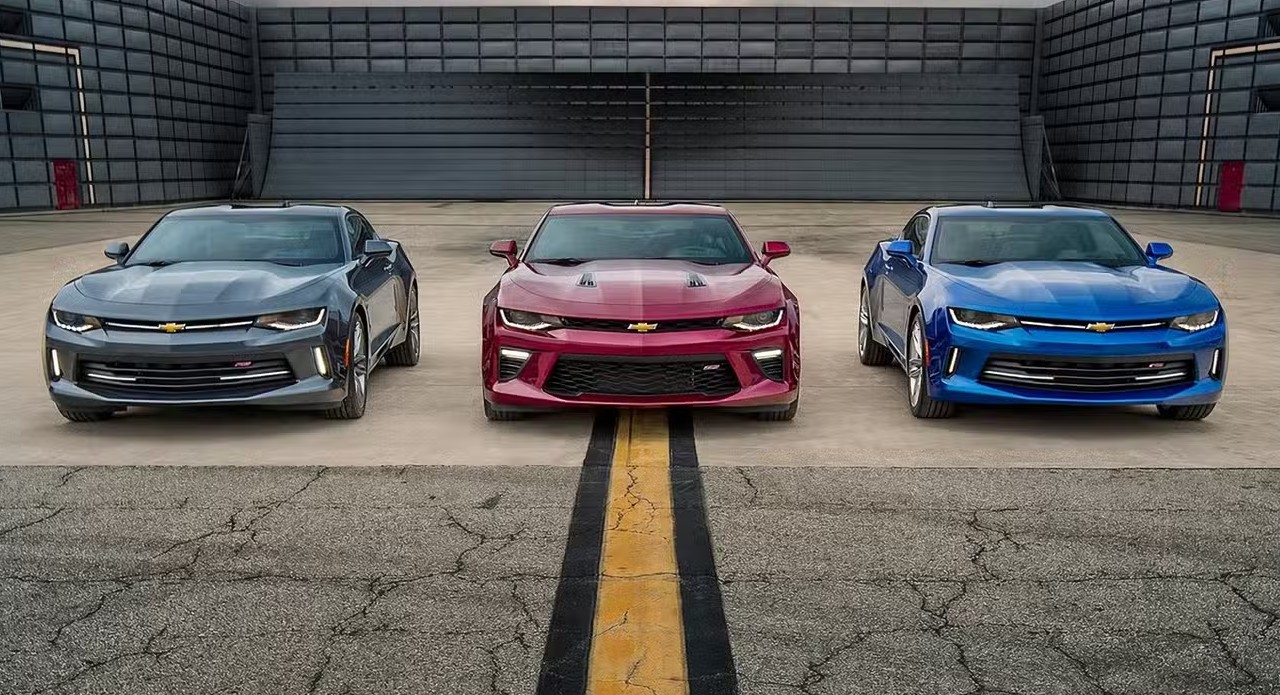


This is not a rivalry born of polite disagreement or marketing spreadsheets — this is a feud forged in tyre smoke, burned fuel, and bruised egos. When the Ford Mustang burst onto the scene in 1964, it didn’t just create a new segment; it embarrassed Chevrolet into retaliation. The Camaro arrived two years later with one mission: beat the Mustang at its own game, preferably while sounding louder and looking angrier. What followed was a rolling arms race of cubic inches, stripes, spoilers, and bragging rights that would define American muscle culture for generations. Camaro versus Mustang isn’t just about cars — it’s about identity, allegiance, and the deeply held belief that your V8 is better than theirs.
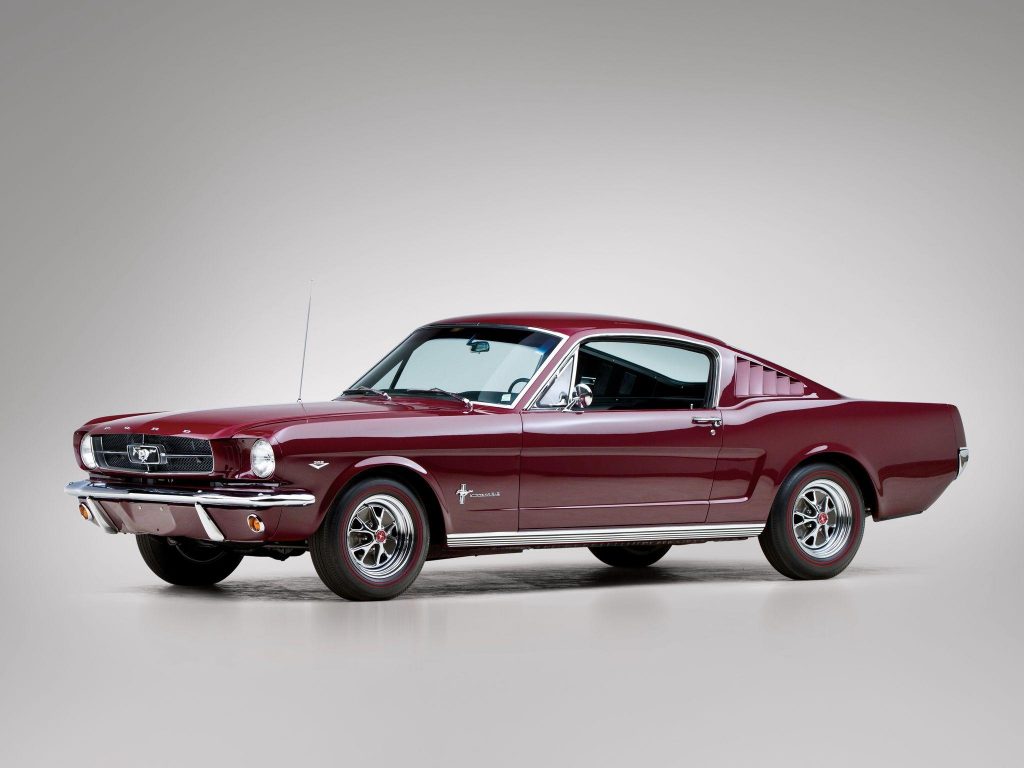
The rivalry began in the mid-1960s, when Ford stunned the automotive world with the Mustang — a stylish, affordable performance car aimed squarely at young buyers hungry for speed and individuality. It was an instant success, selling over a million units in its first two years. Chevrolet, caught flat-footed, responded in 1966 with the Camaro, a car engineered specifically to challenge the Mustang’s dominance. From the very beginning, this was a reactionary rivalry — every move by one brand provoking an immediate counterpunch from the other.
Also Read: The Real Impact of Constant Lane Changing On Car Performance And Safety
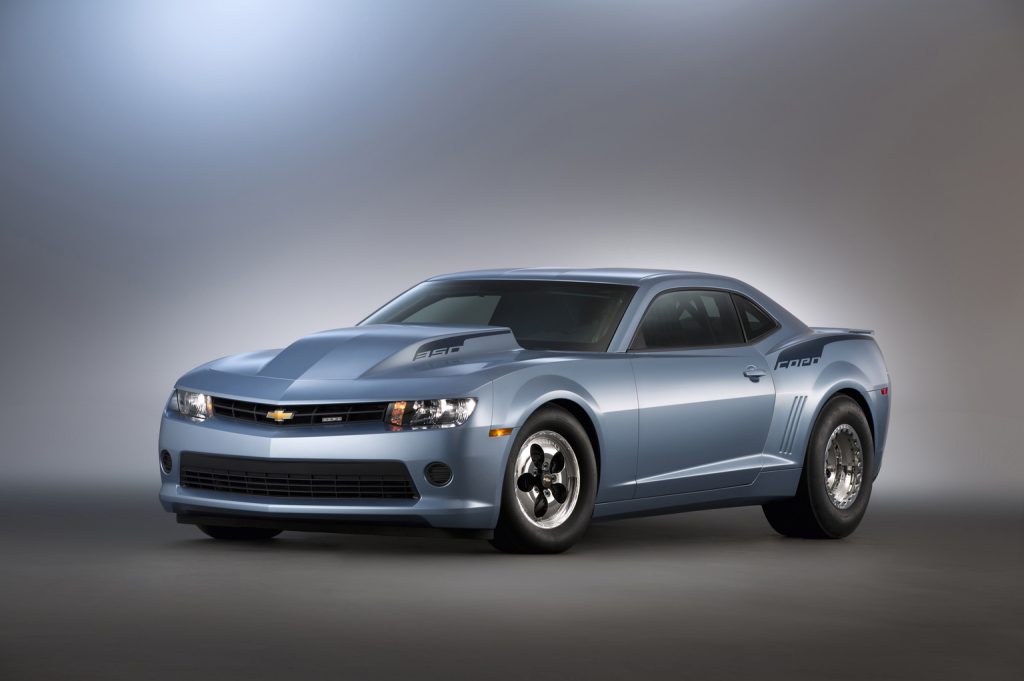
The late 1960s marked the golden age of muscle. Both cars grew more powerful, more aggressive, and more unapologetic. Big-block engines, track-focused variants, and homologation specials turned the rivalry from showroom competition into motorsport warfare. Ford unleashed the Boss 302 and Boss 429; Chevrolet answered with the Z/28 and COPO Camaros. Racing series like Trans-Am became battlegrounds where Mustang and Camaro fought wheel-to-wheel, cementing their rivalry in both performance and mythology.
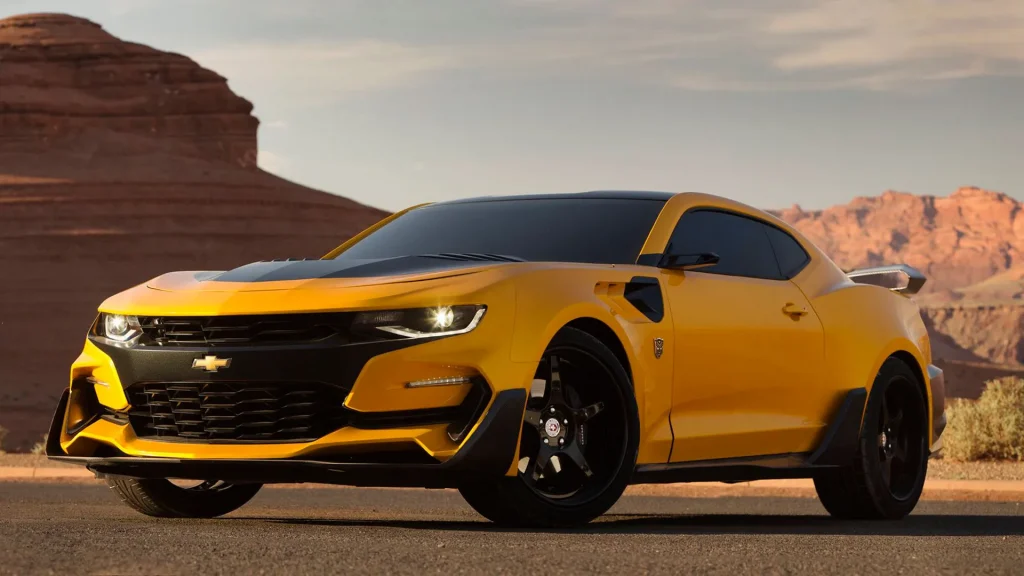
The 1970s brought change — and compromise. Emissions regulations, fuel crises, and insurance crackdowns forced both cars to shed power and rethink their identities. The Mustang survived by evolving into smaller, more efficient forms, while the Camaro leaned into bolder styling and presence. Though performance dipped, the rivalry endured, carried forward by design, brand loyalty, and cultural relevance.
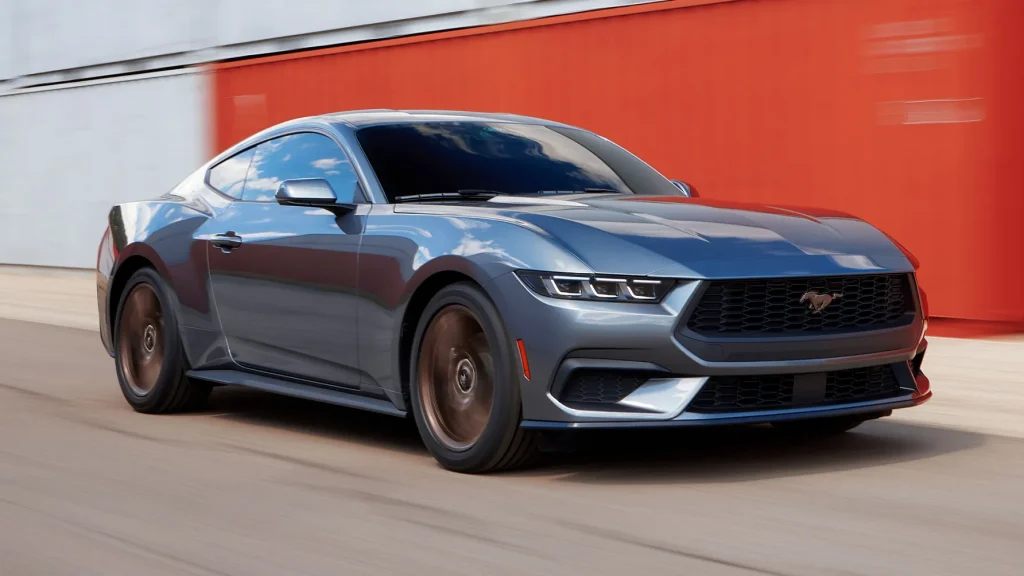
By the 1980s and 1990s, technology reshaped the fight. Fuel injection, improved chassis dynamics, and modern V8s brought performance back into focus. The Mustang’s 5.0-liter era became legendary, while Camaro countered with increasingly capable performance trims. Yet by 2002, declining sales forced Chevrolet to pull the Camaro from production — a move that seemed to hand Ford an uncontested victory.
That victory didn’t last. In 2010, Chevrolet resurrected the Camaro, launching it with retro-inspired styling and modern engineering that reignited the rivalry overnight. Ford responded with sharper Mustangs, independent rear suspension, and globally focused performance. The modern era became less about raw power alone and more about balance — handling, technology, and track credibility joining horsepower as weapons of choice.
Today, Camaro vs Mustang stands as one of the longest-running rivalries in automotive history. Each generation reflects its era’s priorities, yet the core mission remains unchanged: outperform the other. Whether on drag strips, racetracks, or suburban streets, this rivalry continues to define American performance — loud, emotional, and gloriously competitive. Because in the end, choosing between Camaro and Mustang isn’t about logic. It never was. It’s about which side of the noise you stand on.