

Formula 1 never really leaves a place like Istanbul Park. It simply pauses, waits, and then returns with the sort of inevitability reserved for thunderstorms and Ferrari strategy errors. Because some circuits are not just venues on a calendar. They are proving grounds. Places that demand respect from both machine and driver, where a racing car is not merely fast, but tested, questioned, and occasionally humiliated. That is exactly why Istanbul Park matters.
Recep Tayyip Erdoğan, President, Türkiye, said, “Formula 1 ranks among the world’s foremost sporting events, distinguished by its spectacle, its young fan base, and its leadership in automotive technologies. In our country, too, Formula 1 enjoys a broad following across all age groups – especially among our youth – with a truly passionate fan base. The races reach nearly 19 million people in our country, while around 7.5 million follow them closely on social media. We have hosted Formula 1 a total of 9 times: 7 races between 2005 and 2011, and two races during the COVID period in 2020 and 2021. Istanbul Park – particularly famous for its Turn 8 and a favourite among racing enthusiasts. I regard Türkiye’s return to the Formula 1 calendar as a clear reflection of the strong confidence placed in our country – in our robust organisational capacity, in our modern sports and healthcare infrastructure, and, of course, in the renowned hospitality of the Turkish Nation.”
Stefano Domenicali, President & CEO, Formula 1, said, “We are delighted to be returning to the incredible and vibrant city of Istanbul from 2027 to thrill all our fans in Türkiye and around the world on one of the most exciting and challenging circuits in Formula 1. As a city, Istanbul represents a cultural gateway between Europe and Asia, offering a unique blend of history and tradition with a forward-thinking approach to sport, business, and entertainment.”
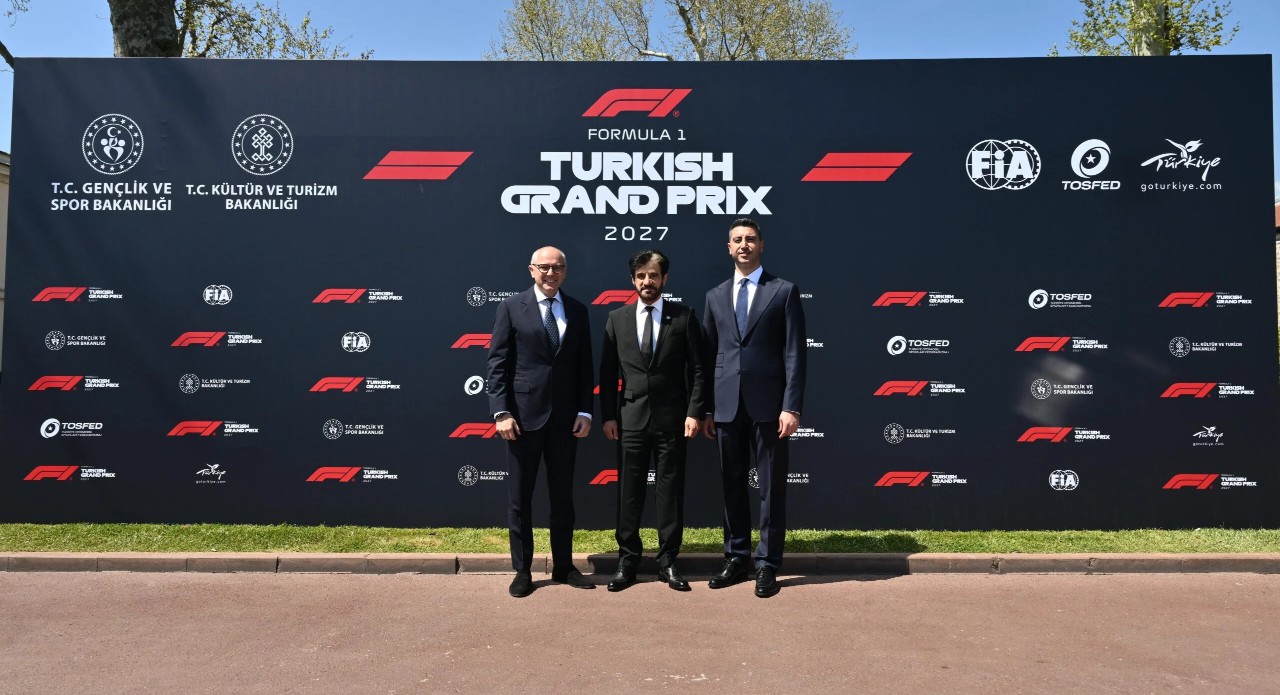
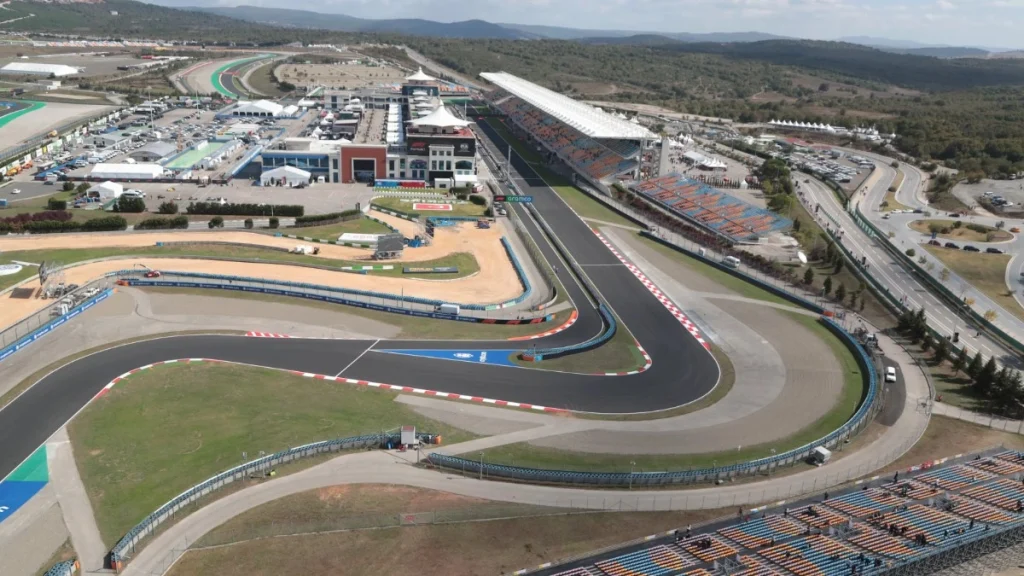
From 2027, the Turkish Grand Prix returns to the FIA Formula One World Championship under a new five year agreement running through 2031, and frankly, it feels less like an announcement and more like common sense finally catching up. Formula 1 belongs at circuits with personality, and Istanbul Park has personality in abundance. It does not flatter drivers. It interrogates them. When the track first arrived in 2005, it quickly earned a reputation as one of the most technically demanding circuits on the calendar. At 5.33 kilometres, it combines dramatic elevation changes with corners that seem to stretch logic itself. It flows rather than stops and starts, rewarding rhythm, bravery, and mechanical precision. This is not a place for half measures. And then, of course, there is Turn 8.
Also Read: Camaro vs Mustang: The Complete History of America’s Greatest Muscle-Car Rivalry
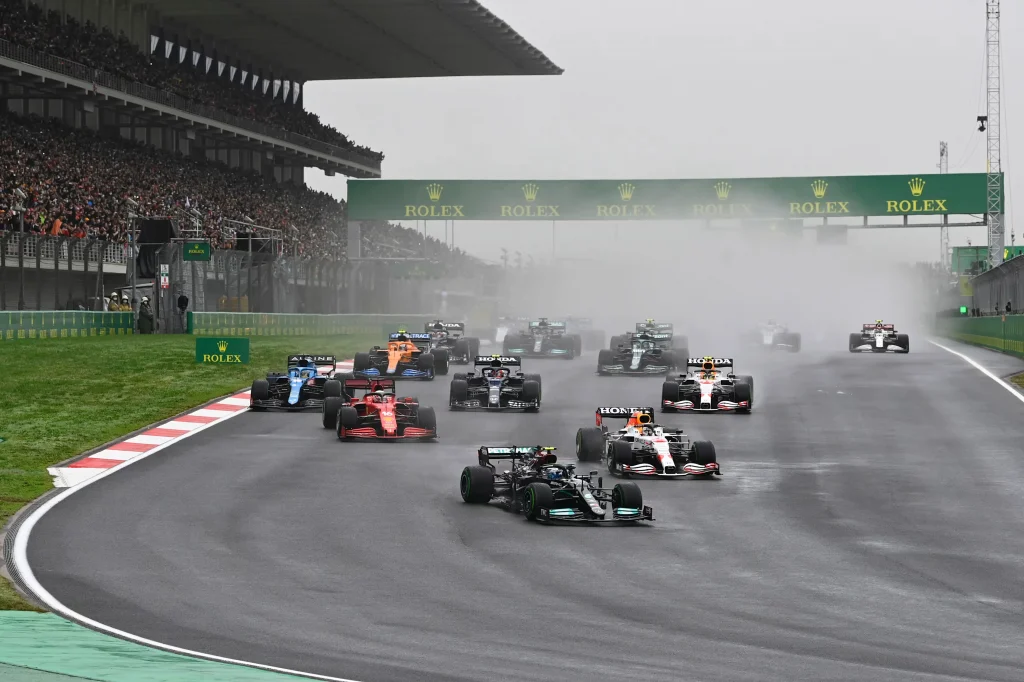
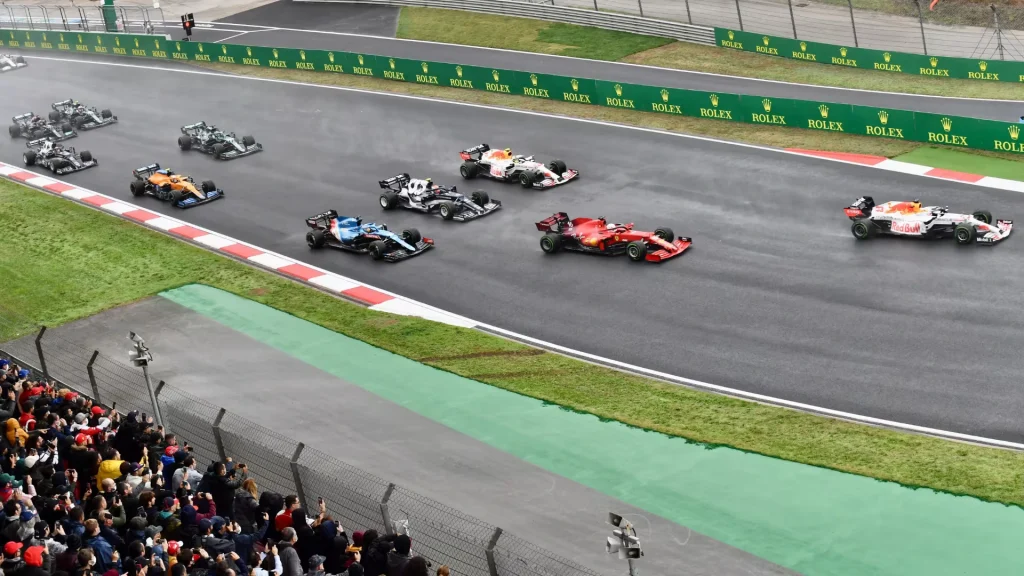
Turn 8 is the kind of corner engineers mention with the same expression people use when discussing tax audits. A long, sweeping, multi apex left hander, it is a relentless test of balance, tyre management, and nerve. Drivers must carry speed through it while maintaining composure, and the margin for error is about as generous as airline legroom. It is one of those rare corners where talent cannot hide. The Turkish Grand Prix also carries history. In 2020, Lewis Hamilton claimed his seventh world championship here, matching the record of Michael Schumacher in conditions so slippery they looked better suited to jet skiing. It was one of those races that reminded everyone why great drivers are different. In 2021, Valtteri Bottas took victory for Mercedes, becoming the most recent winner at the venue.
Historically, however, Istanbul belonged to Felipe Massa. Between 2006 and 2008, driving for Scuderia Ferrari, he won three consecutive races there, turning the place into his personal theatre. Other winners include world champions like Kimi Räikkönen, Sebastian Vettel, and Jenson Button, which tells its own story. This is not a circuit that hands out trophies by accident. What makes the return even more significant is the audience waiting for it. Formula 1 continues to grow rapidly in Türkiye, with more than 19 million fans and millions more following the sport across digital platforms. This is not nostalgia. It is demand. The sport has found a passionate home here, and bringing the Grand Prix back is not just about history, it is about momentum.
Because Formula 1 works best when it races in places that feel alive. Not sterile expanses of tarmac beside anonymous buildings, but real circuits with consequence, memory, and corners capable of ending a championship before dessert. Istanbul Park is one of those places. It asks difficult questions of drivers and offers no easy answers. It rewards bravery, punishes hesitation, and reminds everyone that speed alone is never enough. With its return from 2027, Formula 1 is not just adding another race to the calendar. It is bringing back one of the rare circuits that still feels like a genuine challenge. And somewhere, Turn 8 is already waiting, quietly reminding the grid that respect is never