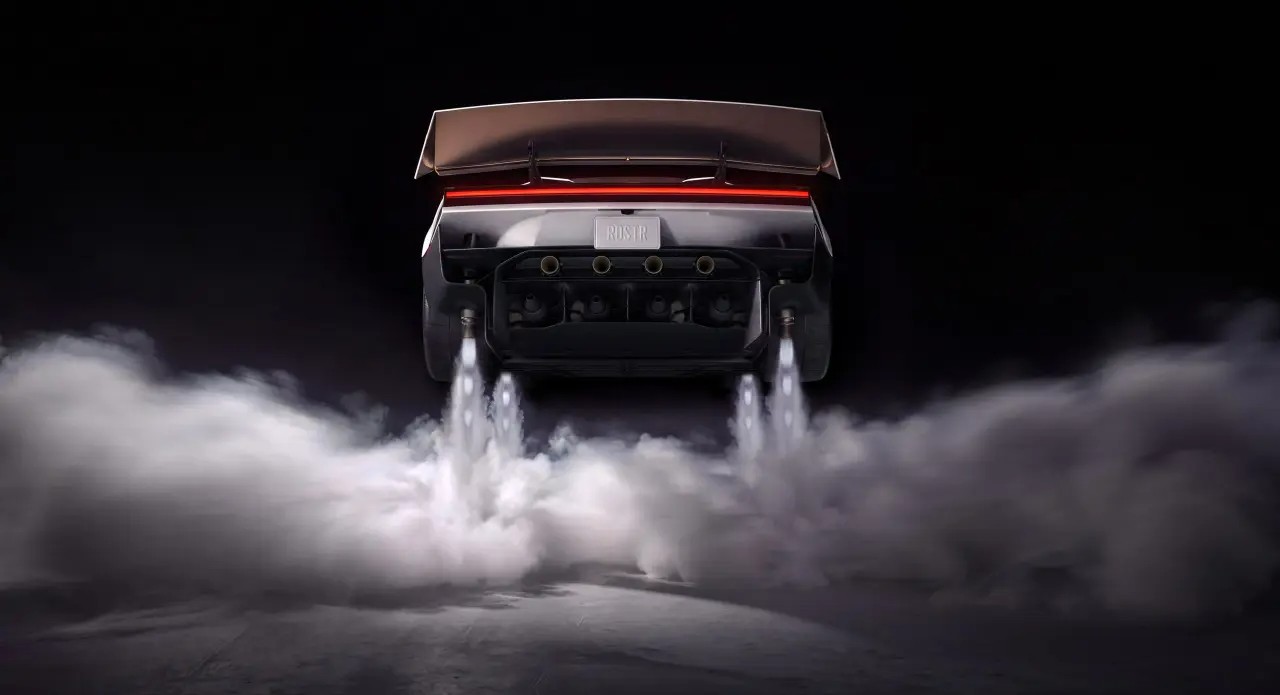


Most people hear an engine climbing past 4,000 RPM and immediately assume something is going wrong. There is a common belief that higher revs automatically mean more wear, more stress, and eventually more damage. But that idea is often misunderstood. RPM, or revolutions per minute, simply measures how fast your engine’s crankshaft is spinning. Higher RPM means the engine is operating at a greater speed, not necessarily suffering greater harm. Modern engines are built to function across a wide range, and high RPM is part of that design. Used correctly, occasional higher revs can actually be beneficial. The real issue is not high RPM itself, but how and when it is used. Timing, maintenance, and mechanical sympathy make all the difference.
Engines Are Designed for It
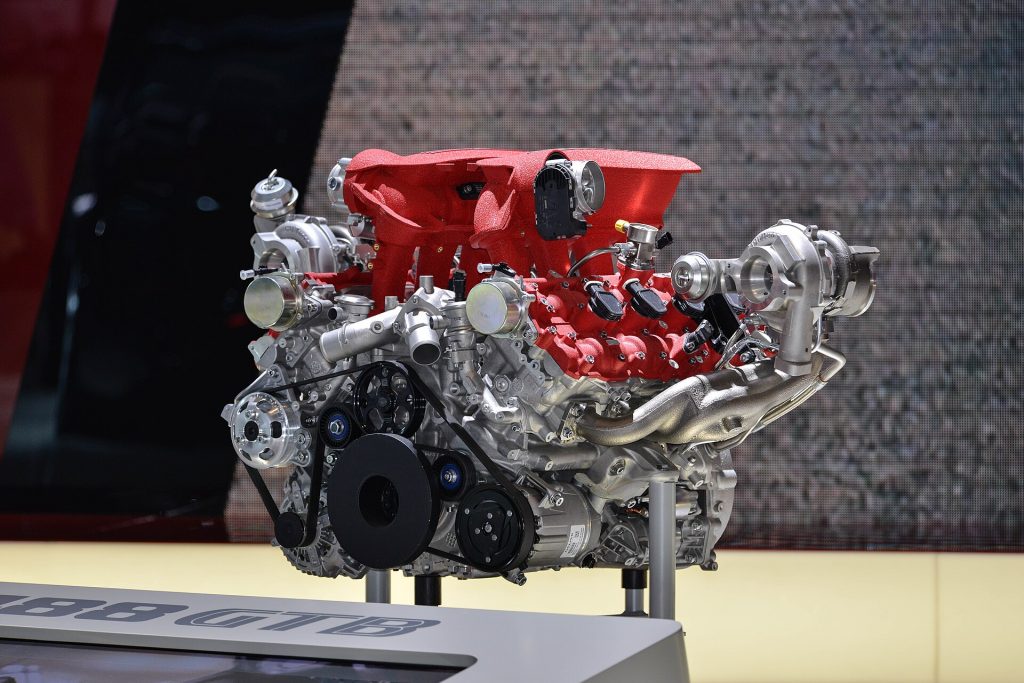
Modern engines are engineered to handle high revs safely. Manufacturers design them with the materials, cooling systems, tolerances, and lubrication required to operate below the redline without issue. That is why the upper range of the tachometer exists in the first place. Whether it is overtaking on the highway, merging quickly, or simply enjoying a more engaging drive, occasional high RPM is completely normal. As long as the engine is within its intended operating range, it is doing exactly what it was designed to do. Problems usually come from never allowing the engine to reach that range at all, rather than visiting it occasionally.
Higher RPM Helps Burn Carbon Deposits
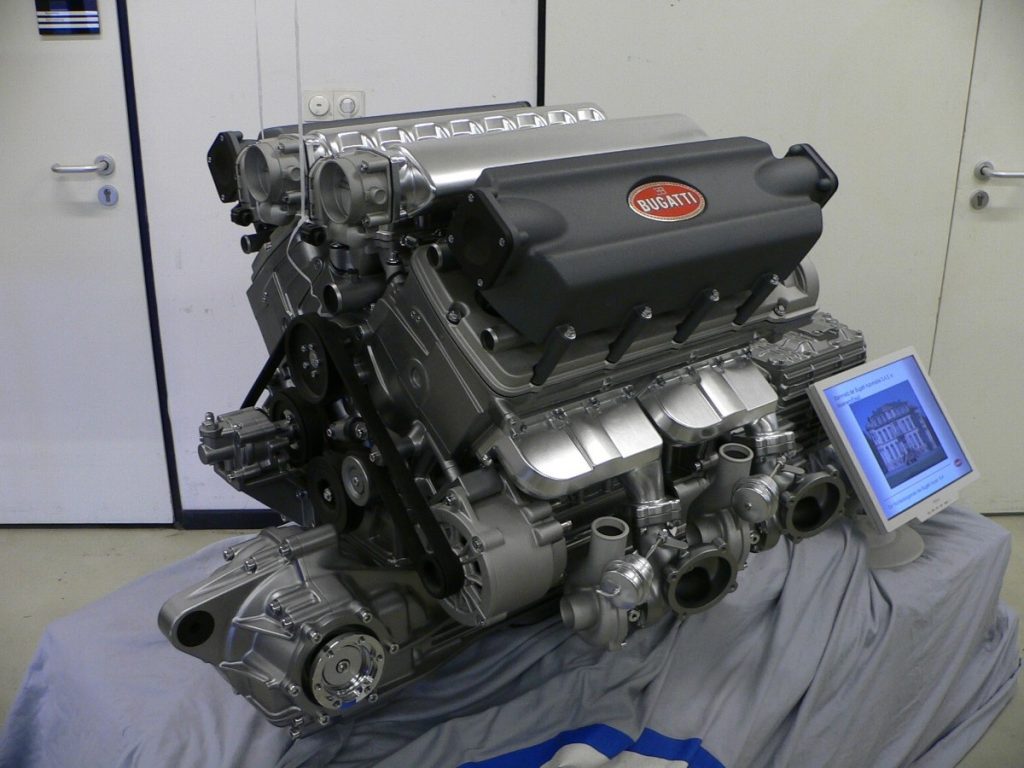
This is where the idea of the “Italian tune up” becomes relevant. It refers to briefly driving the car harder, allowing the engine to reach higher load, temperature, and RPM. Higher revs improve combustion efficiency by increasing airflow and temperature inside the engine. This can help burn off light carbon deposits that often build up from repeated short trips, low speed commutes, and constant gentle driving. Engines that spend most of their lives in stop start traffic or at low RPM can develop buildup in the intake, combustion chamber, and exhaust system. Occasional spirited driving helps reduce some of this minor accumulation and keeps the engine operating more cleanly. It does not repair damage or replace servicing, but it can support overall engine health.
Also Read: Legendary Cars That Were Too Advanced for Their Time: Innovation Before Its Era
Better Oil Circulation and Lubrication
At higher RPM, oil pressure rises and oil moves more quickly through the engine. This improves lubrication for moving parts such as bearings, camshafts, and valve components, all of which rely on a steady oil supply for protection. Better oil circulation helps reduce wear and ensures that vital engine components remain properly protected, especially during active driving. Of course, this only works if the engine has the correct oil level and the oil itself is in good condition. Proper maintenance remains essential.
Prevents Lazy Engine Behaviour
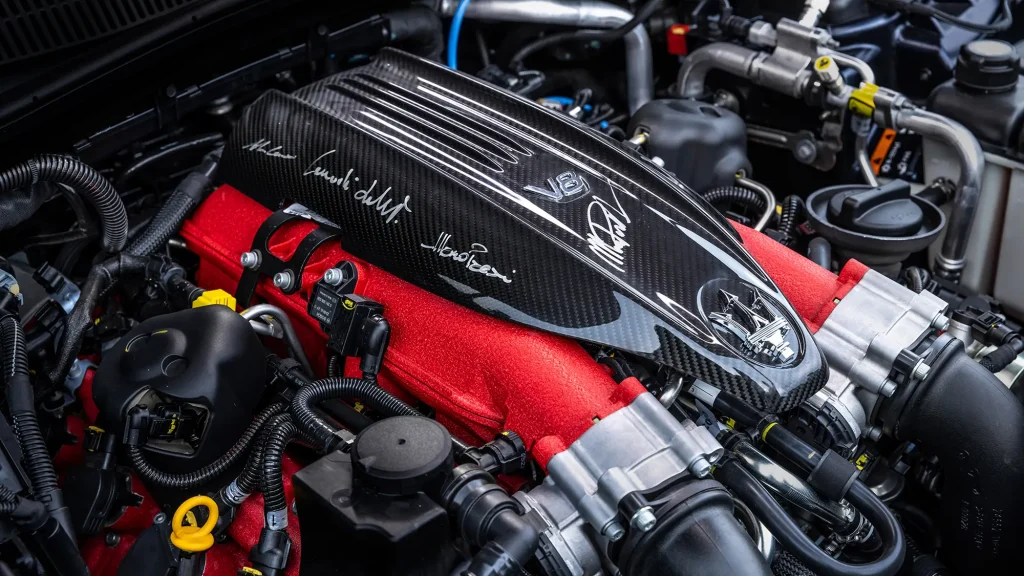
Driving gently all the time may seem like the safest approach, but constant low RPM use can lead to reduced responsiveness over time. Carbon deposits can build up, throttle response may feel less sharp, and systems like turbochargers, variable valve timing, and EGR systems may not operate across their full intended range. Occasional higher revs help keep these systems active. They restore responsiveness, improve throttle feel, and allow the engine to perform as intended. Cars are designed to be used across their full operating range, not just at the lowest end of it.
When High RPM Becomes Harmful
High RPM becomes a problem when it is used incorrectly. Revving a cold engine is one of the worst examples. When the engine is cold, oil is thicker and lubrication is not yet at its most effective level. Internal components also need time to reach proper operating temperature. Pushing the engine hard too early increases wear significantly. It is also harmful when oil levels are low, oil quality is poor, or the engine is repeatedly pushed to high RPM under heavy load for long periods without reason. That is not beneficial driving, it is unnecessary stress. Constant abuse, poor maintenance, and ignoring service requirements will always create problems, regardless of RPM.
The Smart Rule
The simple truth is this: occasional high revs are healthy, constant abuse is harmful. Use higher RPM only after the engine is fully warmed up. Keep it occasional rather than constant. Short bursts are far better than prolonged strain. Most importantly, ensure the car is properly maintained so that the engine can safely operate as intended. Your engine is not built to fear RPM. It is built to handle it. A car is not meant to be driven gently forever. It is meant to be used properly. Sometimes, that means allowing it to work harder, breathe properly, and perform the way it was engineered to.