Why Rare Indoor Trees Are the New Luxury Statement in Designer Homes
Rare indoor trees are becoming the latest luxury statement in designer homes, combining sculptural beauty, rarity and biophilic design to elevate contemporary interiors
Sunlight streams through floor-to-ceiling windows, where a sculptural Ficus Bonsai, meticulously trained over decades, commands attention beside a minimalist seating arrangement. Nearby, a rare Dragon Blood Tree anchors a quiet reading corner with its striking silhouette, while an elegant Adenium Bonsai introduces colour and sculptural form to the space. Here, nature is no longer an accent but an integral part of the design, bringing warmth, movement and character to every corner.
This growing appreciation for botanical statement pieces is redefining luxury home styling by bringing nature to the forefront of interior design. Across contemporary residences, rare indoor trees are replacing conventional houseplants as symbols of refined taste, offering scale, rarity and architectural beauty. From private villas to penthouses, these extraordinary specimens have become an essential part of designer home decor, proving that the most luxurious investment in a home can sometimes be alive.
Also Read: Edible Interiors: Herb Walls And Kitchen Gardens In Urban Luxury Homes
Living Masterpieces
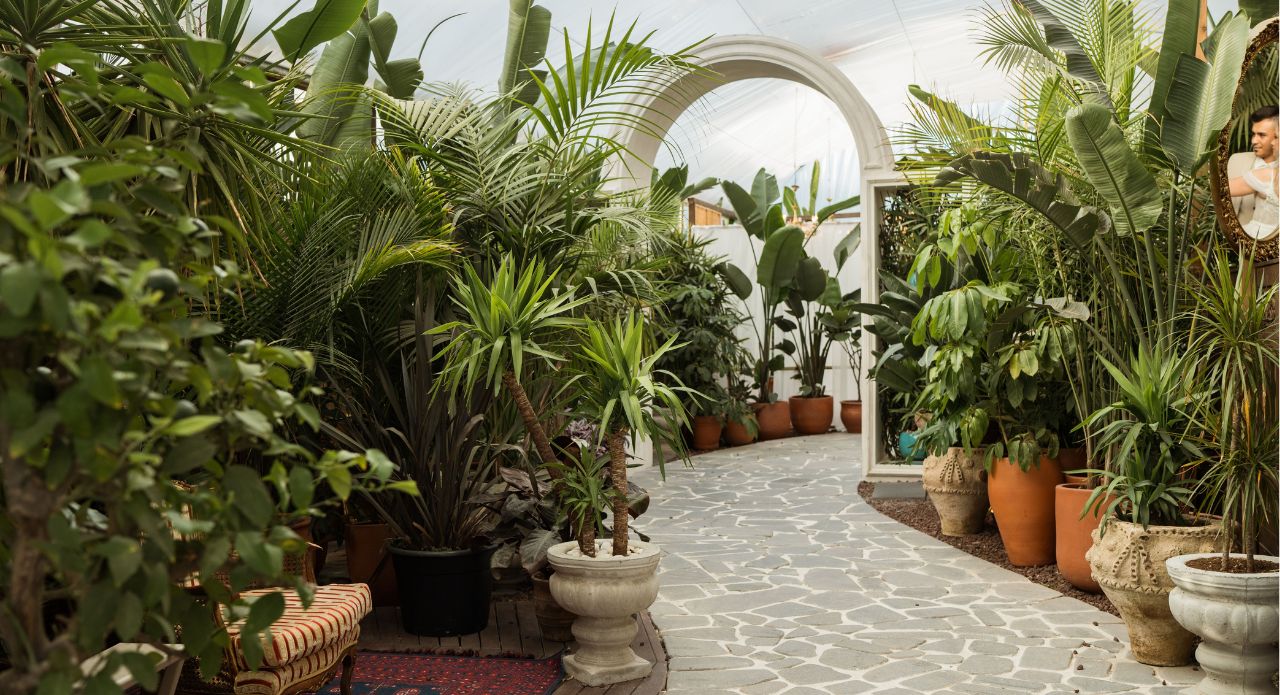
Unlike conventional houseplants, statement indoor trees introduce scale, movement and architectural interest. Their dramatic trunks, textured foliage and organic forms create striking focal points in double-height living rooms, entrance foyers and serene wellness spaces. As luxury indoor plants, they complement stone, wood and metal finishes while adding warmth to luxury living spaces.
Interior designers are increasingly pairing these trees with handcrafted ceramic and stone planters, transforming them into sculptural installations rather than simple greenery.
Luxury Pairings
The appeal extends beyond the tree itself. Designer planters have become an integral part of luxury home styling, elevating every specimen into a curated design object.
Ficus Bonsai
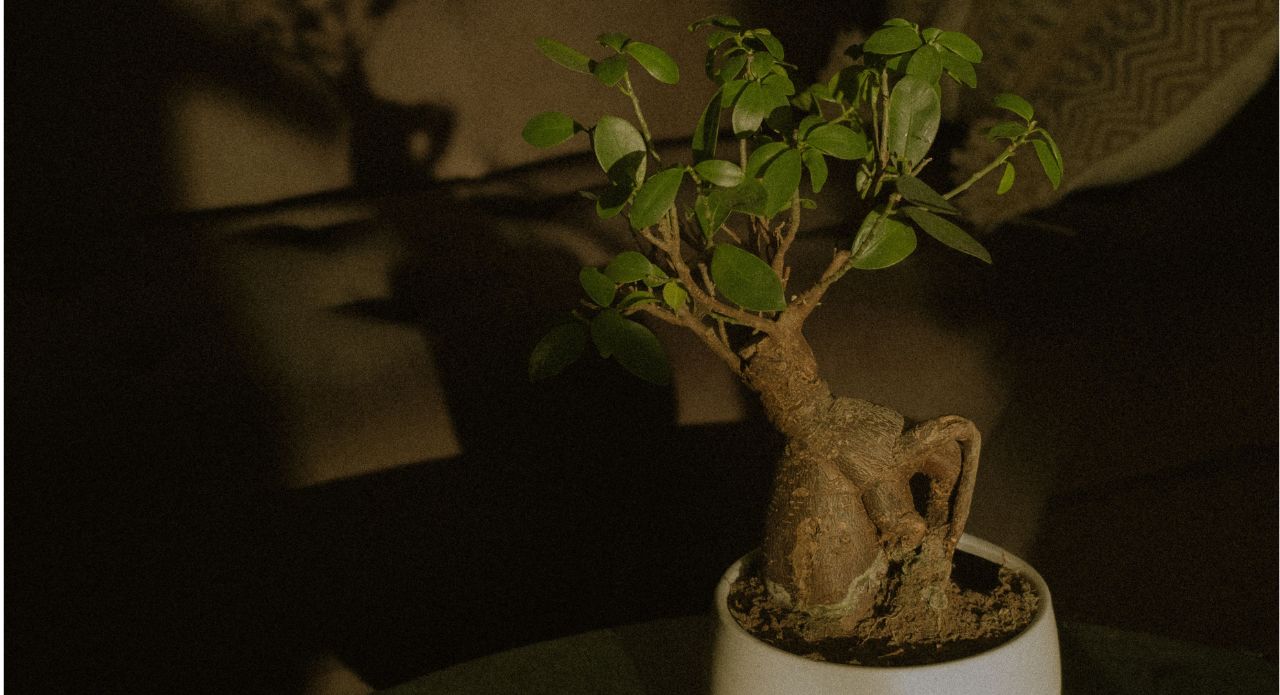
Among the most prized botanical collectibles in India, century-old Ficus Bonsai is shaped over decades into living sculptures. Valued for their age, intricate branching and craftsmanship, exceptional specimens are traded through specialist bonsai exhibitions and private collections in cities such as Mumbai and Bengaluru, where prices can range from (approx.) INR 15 lakh to INR 25 lakh.
Ginseng Ficus
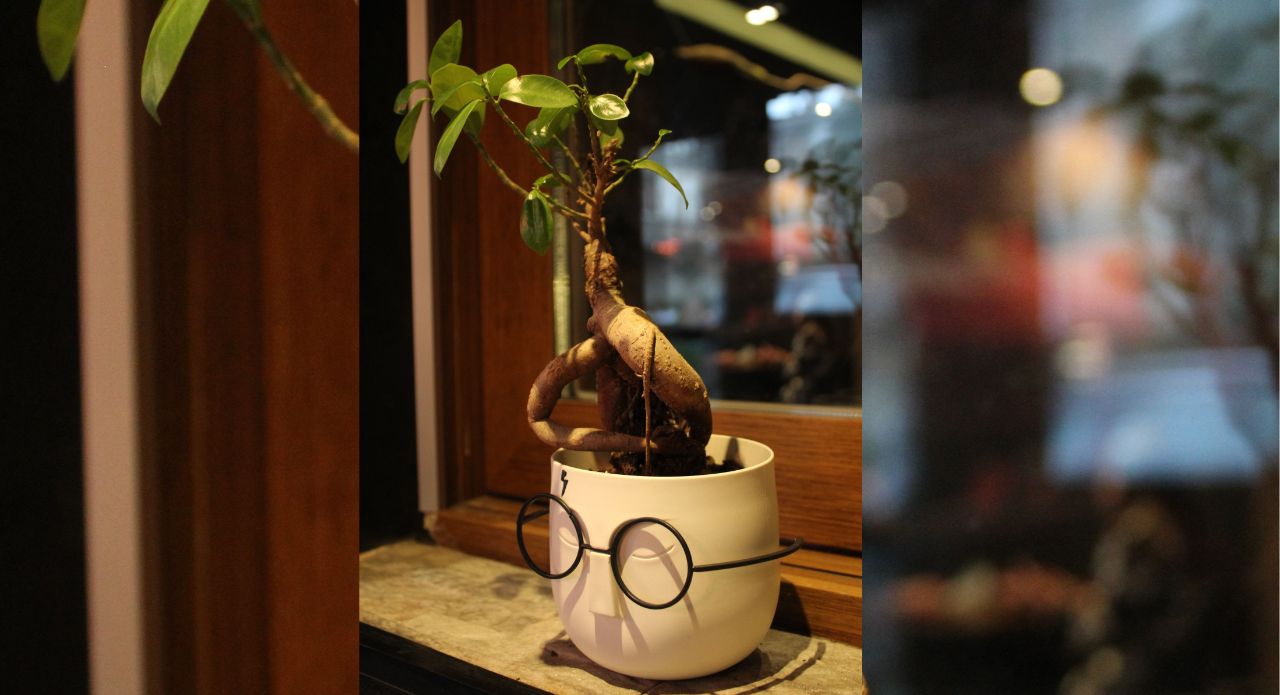
Known for its dramatic exposed roots wrapped around stone, the Ginseng Ficus is a favourite among luxury collectors and Vastu-conscious homeowners. Carefully trained over many years, well-developed specimens start from (approx.) INR 50,000, with prices increasing based on age, root formation and overall artistry, making each tree a one-of-a-kind statement piece.
Adenium Bonsai (Desert Rose)
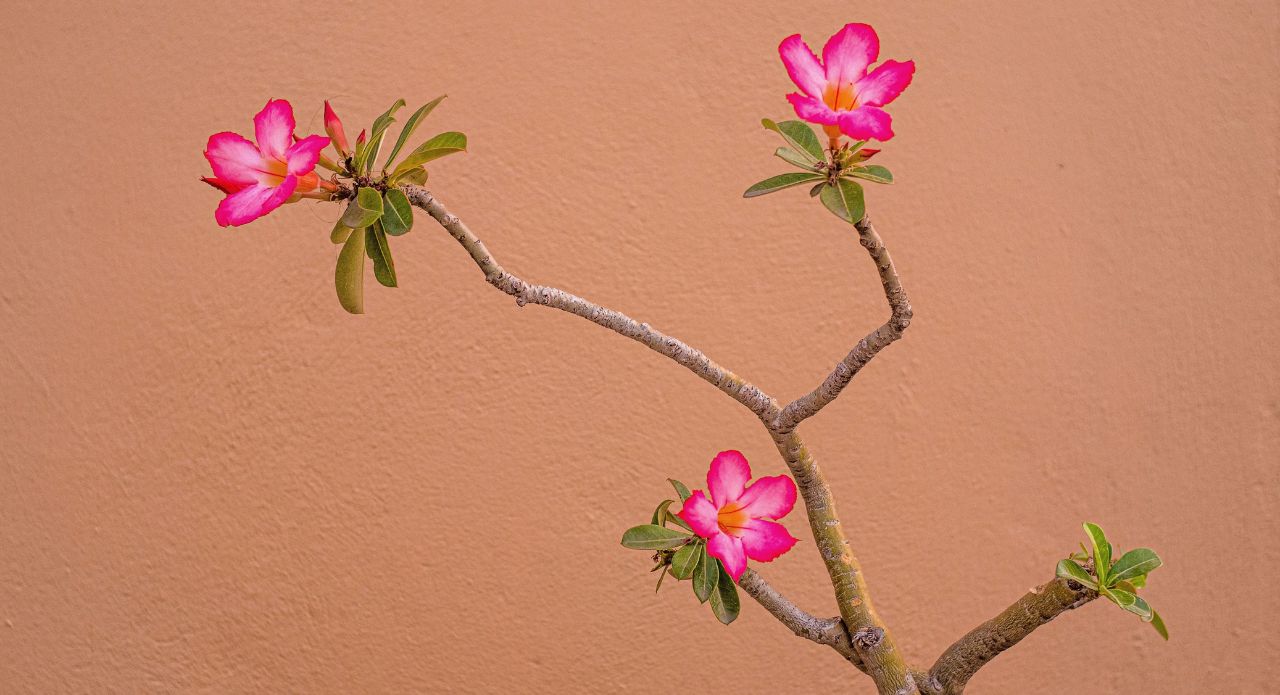
With its sculptural swollen trunk and vibrant seasonal blooms, the Adenium Bonsai combines botanical rarity with artistic cultivation. Premium Thai cultivars and multi-grafted specimens are especially sought after by collectors. Collector-grade specimens are reported to fetch (approx.) INR 50,000 to INR 3 lakh at specialist nurseries, exhibitions and private sales across India.
Also Read: Why Designer Home Décor Collaborations Are Worth Collecting
The growing demand for premium houseplants reflects a broader shift towards biophilic high-end interior design, where natural elements are treated as collectible investments rather than decorative accessories. Complemented by appropriate lighting, integrated irrigation and artisanal planters, indoor tree decor has become a defining feature of modern interior landscaping.