Skincare Trends That Stayed, Fads That Faded In 2025
2025 marked a shift from loud, experimental skincare to routines rooted in consistency, barrier health, and long-term skin resilience. Trends that lasted focused on biology and sustainability, while fads demanding extremes quietly fell away
Every year, skincare claims it has reinvented itself. But 2025 didn’t feel like reinvention; it felt like a reckoning. After years of hyper-consumption, “routine maximalism,” and viral product roulette, people started asking an important question: Is this change actually making my skin better?
Trends stayed because they made skin healthier, more resilient, and easier to care for consistently. Fads faded because they demanded extremes: extreme steps, extreme textures, and extreme promises.
Trends That Stayed
Barrier repair became the default, not the “special routine”
Barrier-first skincare didn’t just survive 2025; it became the baseline. The conversation matured from “use a ceramide cream” to understanding why your skin gets reactive, why inflammation makes everything look worse, and why your actives don’t perform when your barrier is compromised. In short: people stopped treating barrier care like a phase and started treating it like hygiene.
Also Read: Thermal Glow: When Light, Heat And Ice Rewire How Skin Behaves
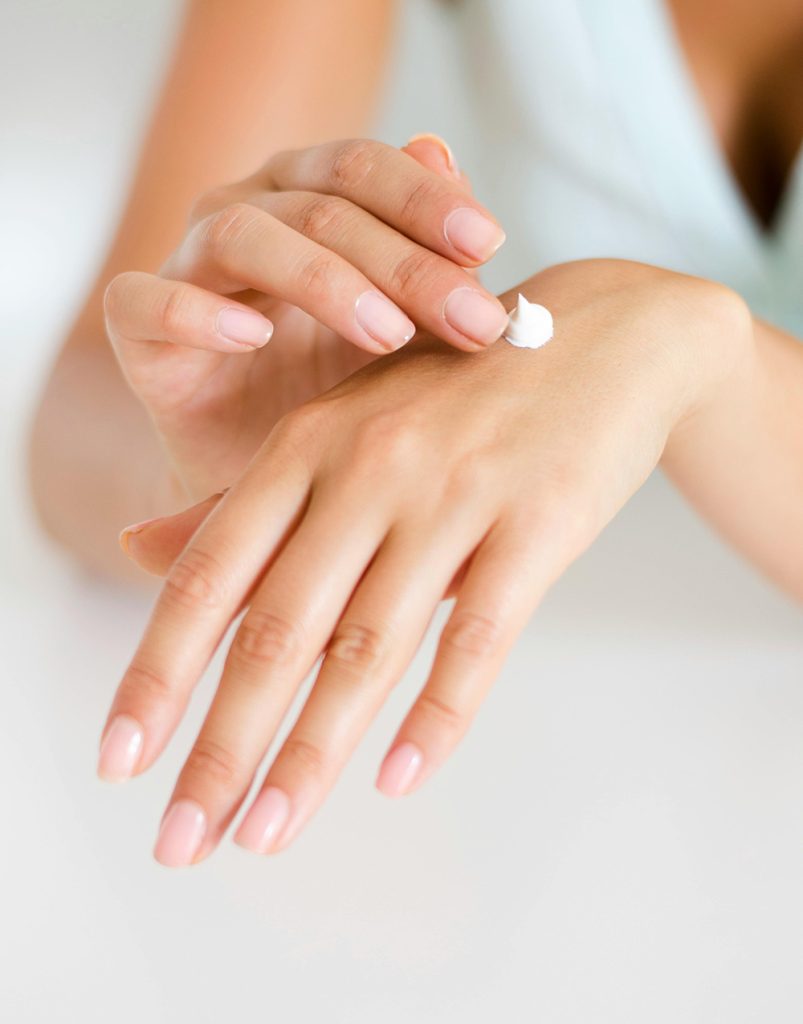
Skinimalism won because consistency is the real luxury
2025 didn’t kill ritual; it killed chaos. The routines that stuck were the ones people could repeat for months: cleanser, targeted active, moisturizer, and sunscreen. Not because consumers got lazy, but because they got smarter. The new status symbol wasn’t a 12-step shelfie. It was calm, stable skin.
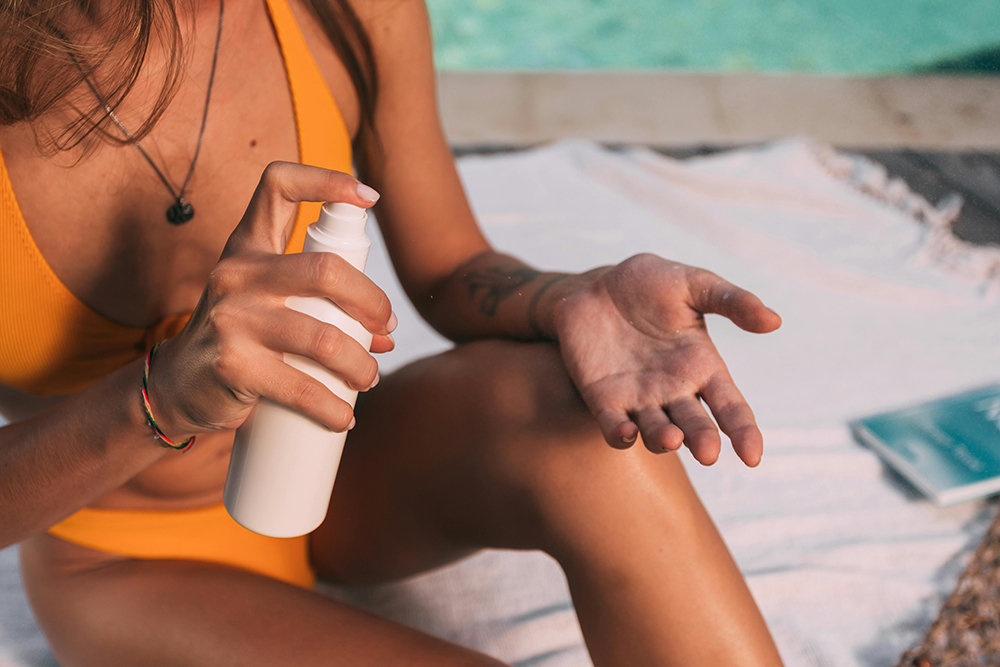
Wearable sunscreen evolved into something people actually enjoy using
The biggest shift wasn’t new filters; it was new behaviour. Sunscreen kept improving in texture, finish, and layering, which made compliance easier. In 2025, “daily SPF” moved from an aspirational habit to a normal one, especially as more formulas started behaving like skincare and makeup primers at the same time.
Also Read: Winter Survival Guide For Dry Skin: 7 Dermatologist-Approved Rituals For Silky, Soft, Radiant Skin
At-home devices, especially LED, moved into the mainstream
Devices stopped feeling niche. People became more comfortable investing in tools that feel measurable, structured, and repeatable, particularly red light therapy. The appeal is obvious: it fits into real life, doesn’t rely on constant product cycling, and supports that 2025 theme of “results without drama.”
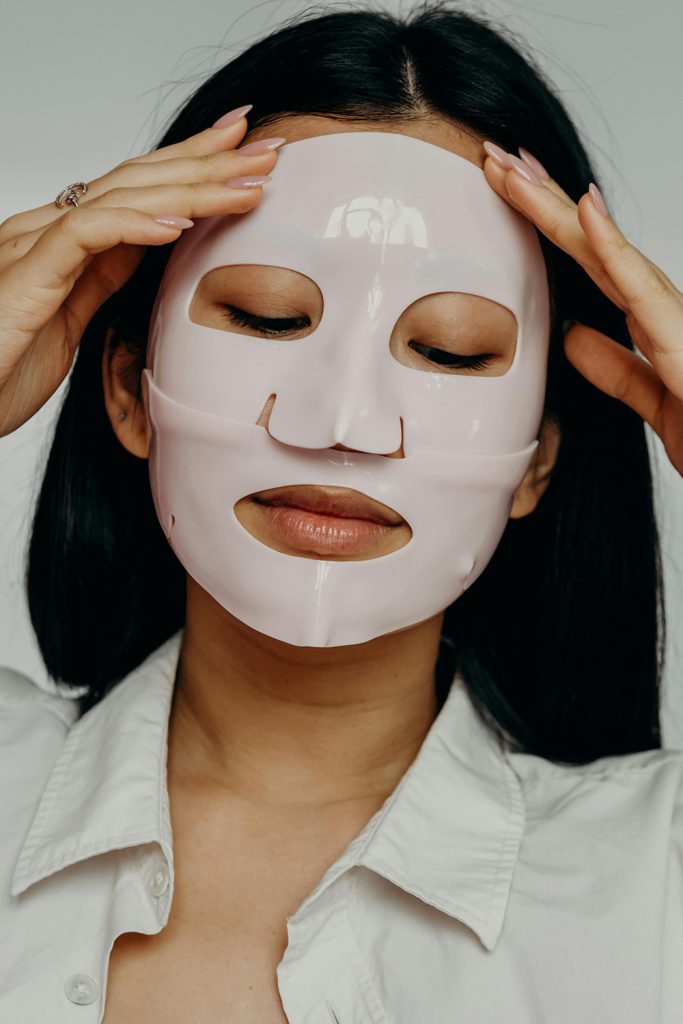
Biotech fascination stayed, but the audience got more discerning
The “regenerative” conversation, PDRN, exosome-adjacent claims, and growth-factor-style marketing remained magnetic. But 2025 brought a more educated consumer: curiosity stayed, but blind hype didn’t. The winners weren’t the loudest claims; they were the formulas that felt credible, gentle, and long-term.
Peptides earned real “core active” status
Peptides continued their rise because they fit modern skincare values: supportive, repair-minded, and generally easier to tolerate than aggressive correction routines. In a year obsessed with longevity skin, peptides felt like the intelligent middle path.
Fads That Faded
DIY sunscreen and kitchen-lab skincare lost their charm
If 2024 flirted with homemade everything, 2025 sobered up. People realized you can’t “manifest” reliable sun protection in a mixing bowl. The risk-to-reward ratio simply didn’t make sense anymore.
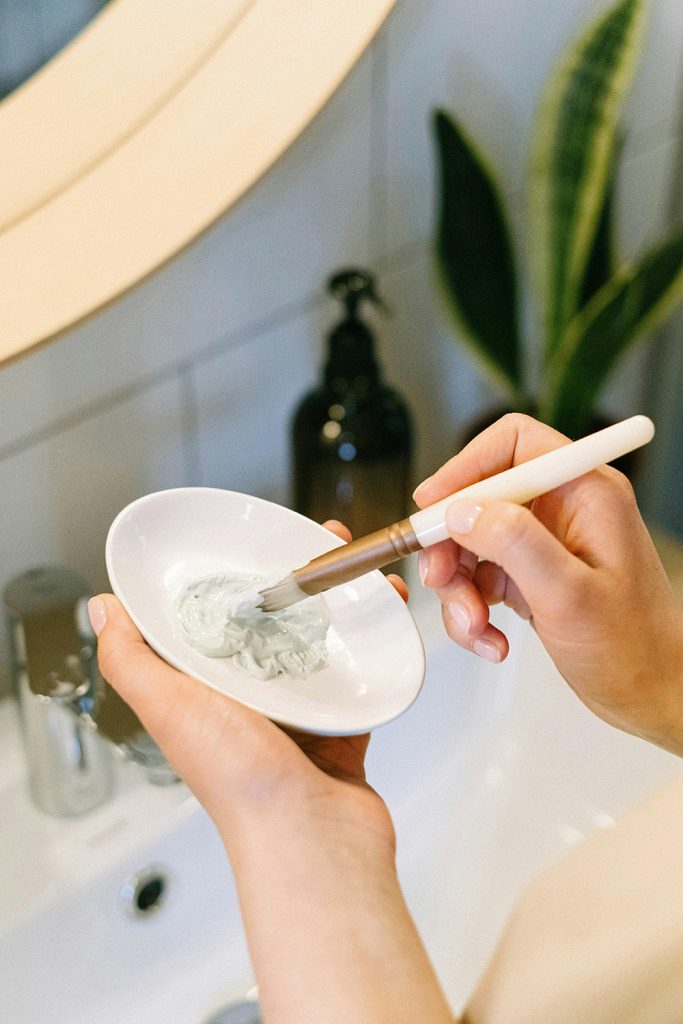
Beef tallow skincare stayed viral but became increasingly questioned
It didn’t vanish overnight, but the shine wore off. For many, it was too heavy, too unpredictable, and too easily confused with “natural, therefore better.” 2025 reminded us that skincare isn’t a food trend; it is formulation science.
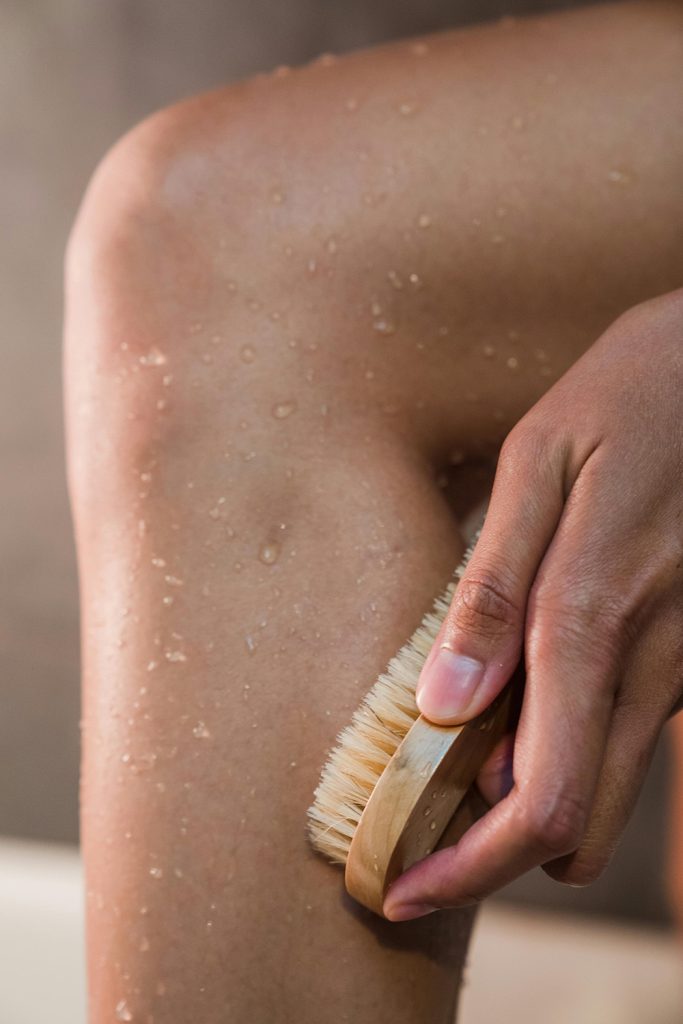
Over-exfoliation stopped being fashionable
The glass-skin obsession finally met its consequences: sensitivity, redness, and texture that looked worse, not better. This year pushed exfoliation back into its rightful place—useful, controlled, and supported by recovery.
Hydration extremes cooled down
“Skin flooding” and universal slugging didn’t disappear; they just gained context. People learned that more layers don’t automatically mean more hydration; sometimes they mean more congestion.
2025 didn’t reward the most exciting routine. It rewarded the most sustainable one. And if that’s the tone going into 2026, I’m not mad about it. Skin doesn’t need constant novelty. It needs consistency, restraint, and a little more respect for biology.
Also Read: 8 Japanese Skincare Products I Bought (And Loved) In Japan: Local Favourites, Dermatologist-Approved