Fendi’s Couture Homecoming Turns Rome Into the Season’s Most Powerful Runway
Maria Grazia Chiuri's first haute couture collection for Fendi brought the maison back to Rome, blending archival craftsmanship, cultural identity and contemporary elegance
Haute couture is often defined by spectacle and fantasy, but Fendi’s Fall Haute Couture 2026 presentation demonstrated that the most compelling stories can also be rooted in heritage, craftsmanship and a sense of place. For her first haute couture collection for the Roman house, Maria Grazia Chiuri, who returned to Fendi earlier this year after an acclaimed tenure at Dior, transformed Rome into both muse and stage, presenting a collection that was as much about cultural identity as it was about exceptional craftsmanship.
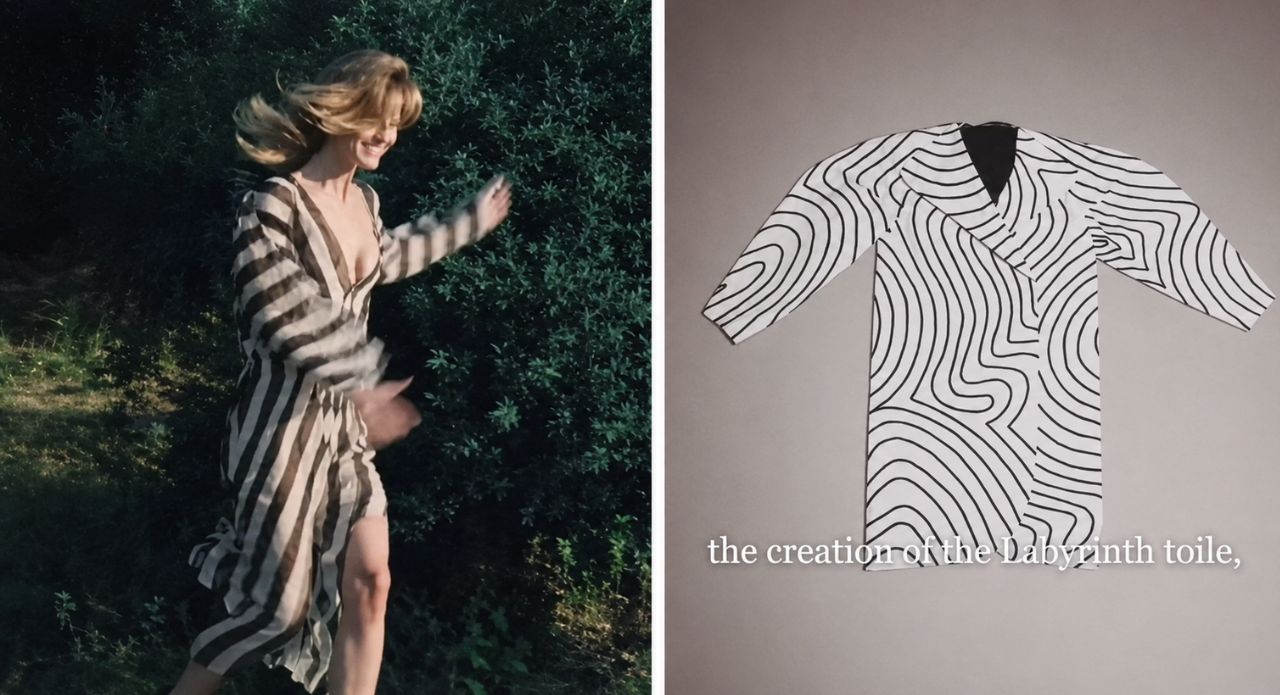
Echoing the dialogue between history and modernity, the collection featured flowing capes, black lace gowns, kimono-inspired silhouettes and ecclesiastical references that created a wardrobe that felt unmistakably Roman without becoming nostalgic. Fur, long synonymous with Fendi, returned through carefully restored archival pieces, underscoring longevity and craftsmanship rather than excess.
Also Read: Paris Haute Couture Week Opens With Creative Shake-Up and Couture Spectacle
Rather than unveiling the collection in Paris, Chiuri chose Rome’s Galleria Nazionale d’Arte Moderna e Contemporanea, reinforcing the maison’s deep ties to the Eternal City. The setting reflected her broader ambition to position Italian fashion within the country’s artistic and cultural narrative, arguing that couture deserves the same institutional recognition as painting, sculpture and architecture. Alongside the runway presentation, Fendi revived Karl Lagerfeld’s landmark 1985 exhibition and showcased couture creations from the house’s archives, linking its storied legacy with a new creative chapter.
Contemporary Vision Defines Debut
Chiuri’s couture debut arrives during a pivotal year for Fendi. Since taking over the creative direction earlier this year, she has consistently championed collaboration over individual authorship, a philosophy first introduced in her ready-to-wear debut through the phrase “Less I, More Us.” Her couture collection extends that idea by celebrating the artisans, ateliers and cultural institutions that shape a luxury house beyond the designer’s signature.
Also Read: Paris Haute Couture Week 2026: From Manish Malhotra’s Maa to Pierpaolo Piccioli’s Balenciaga Debut
The presentation also reflected a broader shift in luxury, where heritage brands are increasingly positioning themselves as cultural custodians rather than purely fashion labels. Instead of relying on spectacle alone, Fendi anchored its narrative in craftsmanship, archival excellence and artistic dialogue, offering collectors an experience that transcended the garments themselves.
In a couture season defined by theatrical debuts and experimental silhouettes, Fendi chose quiet confidence. By bringing haute couture back to Rome and framing it through the lens of art, history and enduring craftsmanship, Chiuri demonstrated that luxury’s greatest statement may no longer lie in reinvention alone, but in giving heritage a renewed sense of purpose.