History of Paris Fashion Week: The Designers and Models Who Defined an Icon
From haute couture legends to supermodels who became global symbols, the story of Paris Fashion Week is a journey through creativity, rebellion and fashion’s most influential moments
Fashion has always been more than clothing. It is a reflection of time, culture and ambition stitched into fabric. A dress can capture an era, a silhouette can change the way the world sees beauty and a runway can become a stage where creativity rewrites the rules. Few places understand this better than Paris, a city that has spent centuries turning style into an art form.
Paris Fashion Week did not become legendary overnight. It was built through decades of designers who challenged conventions, ateliers that protected the secrets of craftsmanship and models who transformed the runway into a global theatre. What began as a celebration of French elegance grew into one of the most powerful cultural events in the world. Today, Paris Fashion Week is not simply where fashion is presented. It is where fashion history is created.
The Birth Of Paris As The Capital Of Fashion
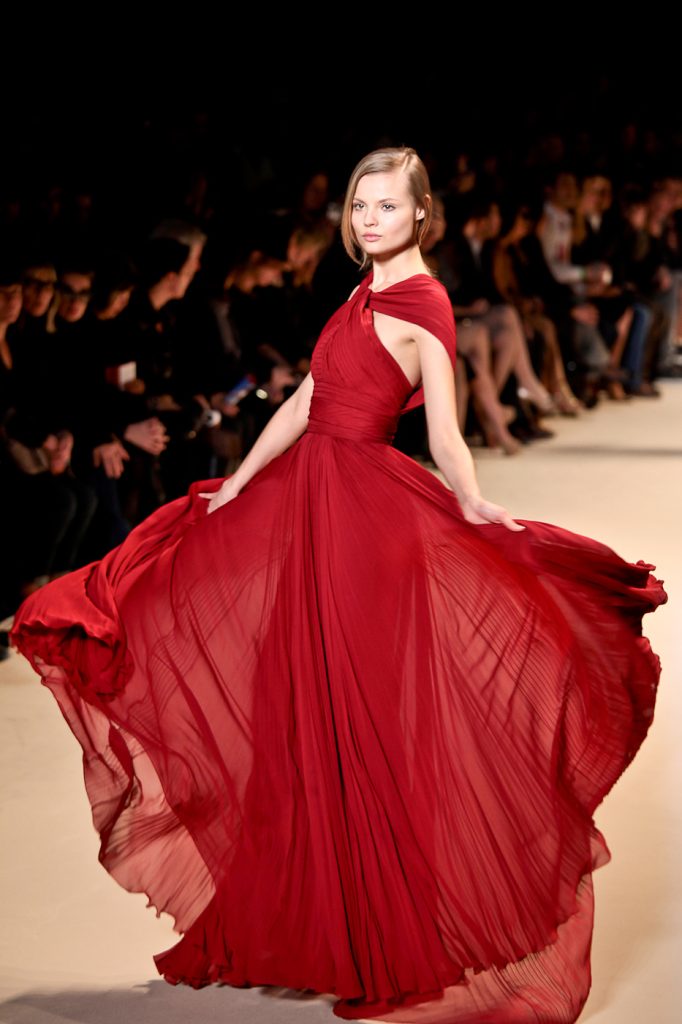
Long before Paris Fashion Week became a global spectacle, the city had already established itself as the centre of luxury and style. The roots of Parisian fashion can be traced back to the rise of haute couture, where designers created custom garments for individual clients using extraordinary craftsmanship. The French capital became home to designers who believed clothing could be treated like architecture, with every cut, stitch and detail carefully considered. Paris became the place where fashion moved beyond practicality and entered the world of imagination.
Coco Chanel
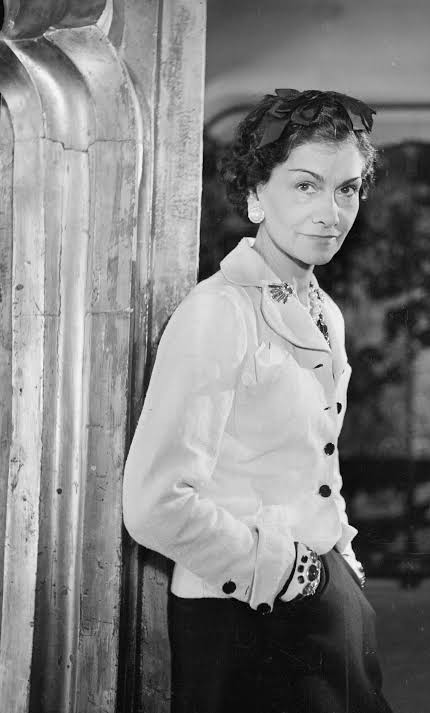
Few names have influenced fashion as deeply as Coco Chanel. She challenged the restrictions of traditional womenswear by introducing simplicity, comfort and a new idea of sophistication. Her approach replaced excessive decoration with clean lines and effortless style. Chanel proved that elegance did not need to announce itself loudly. Her influence continues through modern fashion, where minimalism and confidence remain among the most powerful forms of luxury.
Also Read: Paris Couture Week 2026: How Indian Designers Are Emerging As Global Luxury Fashion Power Players
Christian Dior
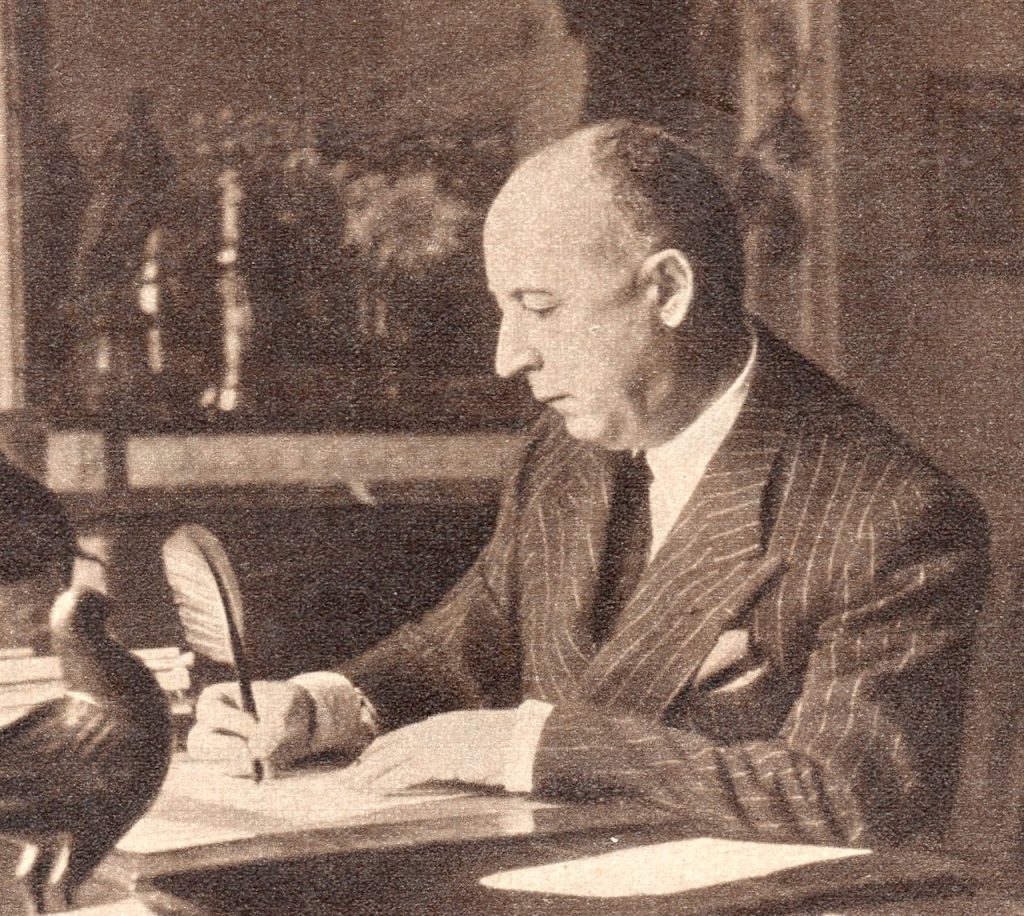
After the Second World War, Christian Dior reshaped the fashion landscape with a vision that celebrated femininity and elegance. His famous New Look transformed silhouettes with dramatic shapes, structured tailoring and a renewed sense of luxury. Dior reminded the world that fashion could be a form of optimism. His designs represented a return to beauty at a time when society was rebuilding itself.
Yves Saint Laurent
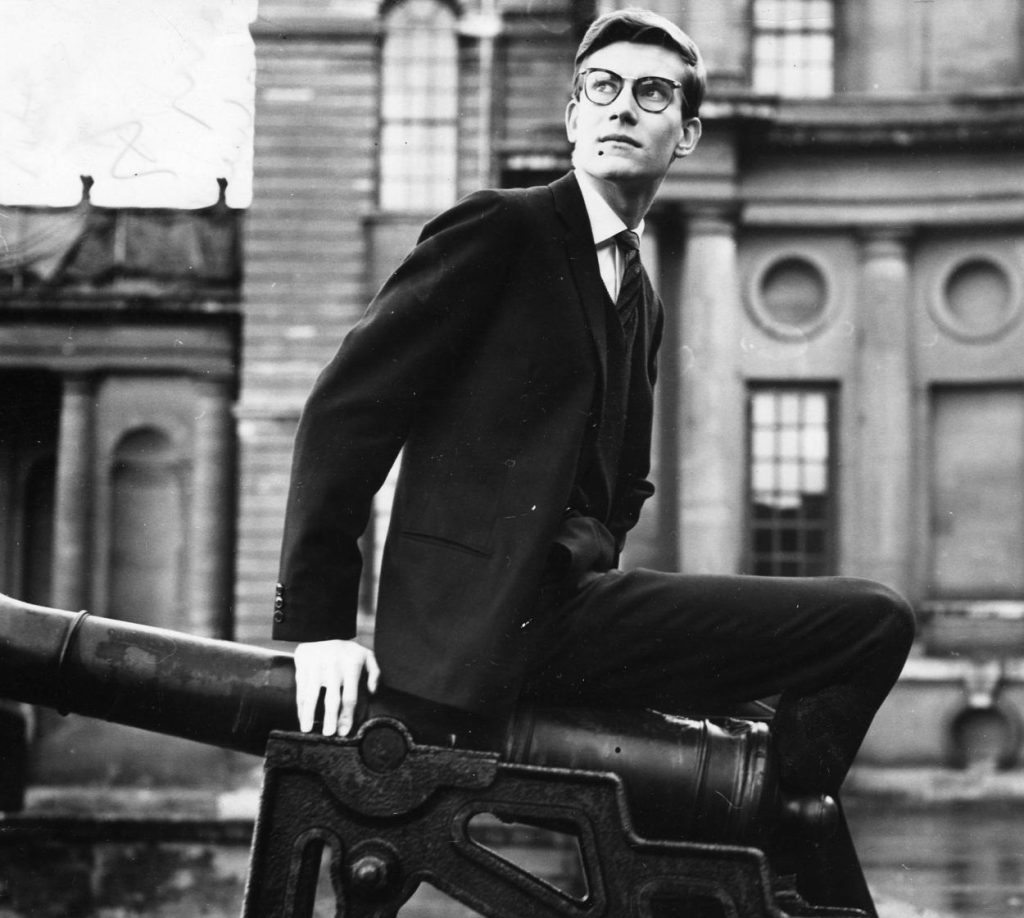
He changed the relationship between fashion and identity. He challenged traditional ideas by bringing elements of menswear into womenswear and introducing designs that reflected independence and confidence. His tuxedo suit for women became one of fashion’s most influential statements, proving that clothing could represent power as much as beauty. Saint Laurent did not simply design garments. He designed attitudes.
Karl Lagerfeld
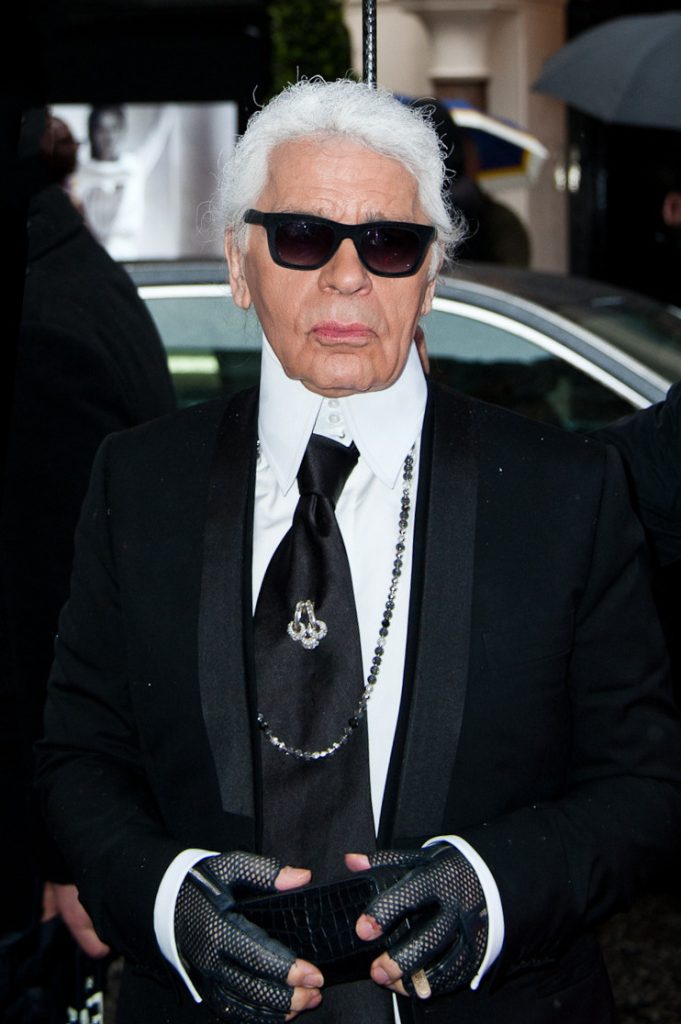
The German fashion icon became one of the defining figures of modern fashion through his decades of creative leadership. His work transformed Chanel into a global cultural force while preserving its heritage and introducing contemporary energy. Lagerfeld understood the importance of evolution. He showed that a fashion house could respect its history while constantly moving forward.
Also Read: Sustainable Luxury Fashion: Can Exclusivity and Ethics Coexist in Modern Collections?
The Models Who Became Icons
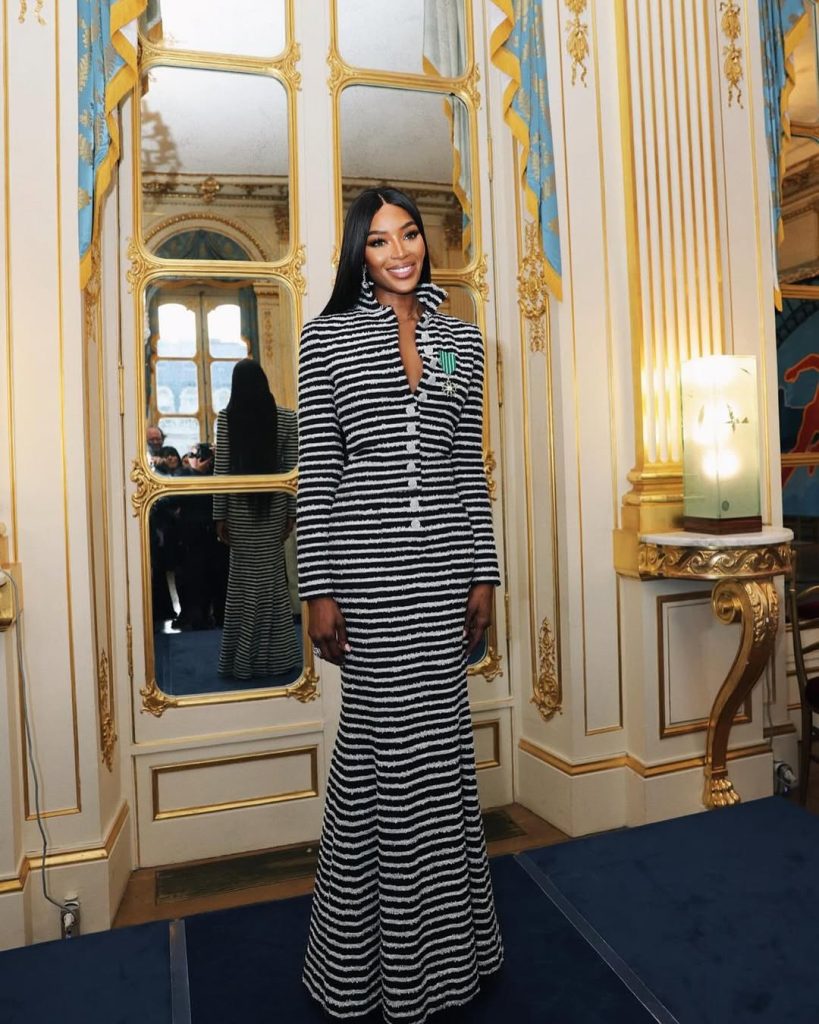
Paris Fashion Week has also been defined by the personalities who brought designs to life. Models transformed the runway from a presentation space into a global stage. From the elegance of early fashion icons to the confidence of modern supermodels, they became symbols of style and individuality. Figures such as Naomi Campbell, Kate Moss and Cindy Crawford helped redefine what a fashion icon could be. They were not simply wearing clothes, but creating moments.
Paris Fashion Week continues to evolve because fashion itself never stands still. New designers, changing technologies and fresh perspectives continue to reshape the industry. Yet the essence remains unchanged. Paris remains the place where creativity meets craftsmanship. Where fabric becomes expression. And where every runway has the possibility of becoming history.