How Indian Craftsmanship and Storytelling Dominated Paris Haute Couture Week 2026
Paris Haute Couture Week 2026 saw Rahul Mishra and Manish Malhotra present deeply personal collections, highlighting Indian craftsmanship, cultural heritage and storytelling on fashion's grandest stage
Considered the ultimate stage for couturiers across the world, Paris Haute Couture Week celebrates fantasy in its many forms. Over the decades, its runways have witnessed towering feathered creations, sculptural gowns that defy gravity, and collections inspired by celestial bodies, mythology and dreams. The platform has witnessed a range of collections, from Schiaparelli’s gilded anatomical silhouettes to Chanel’s elaborate sets that have transformed the Grand Palais into a supermarket, an airport and even a rocket launchpad, Paris has consistently blurred the line between fashion and theatre. This season, however, some of its most compelling collections were rooted in memory.
Manish Malhotra’s ‘Maa’ and Rahul Mishra’s ‘Devi’ arrived at a moment when the global luxury industry is increasingly searching for authenticity. Both designers presented deeply personal narratives, drawing from distinctly Indian references without attempting to reinterpret them for an international audience.
Malhotra’s debut on the official Haute Couture calendar was a tribute to his late mother. The collection revisited memories of the saris she wore, translating familiar drapes, heirloom jewellery and moments from his childhood into couture. Presented at the Pavillon Cambon Capucines, ‘Maa’ unfolded like a remembrance, complete with sculptural silhouettes, hand embroidery and a soundtrack that echoed a heartbeat.
Also Read: Paris Haute Couture Week Opens With Creative Shake-Up and Couture Spectacle
Mishra, meanwhile, looked far beyond the personal and into India’s artistic past. Devi drew inspiration from the cave temples of Ajanta and Ellora, Gandharan sculptures and divine iconography. Celestial beings emerged through embroidery, while ceremonial headpieces transformed models into living interpretations of temple sculptures. His collection suggested that India’s relationship with couture did not begin with Paris; it merely found a new stage there.
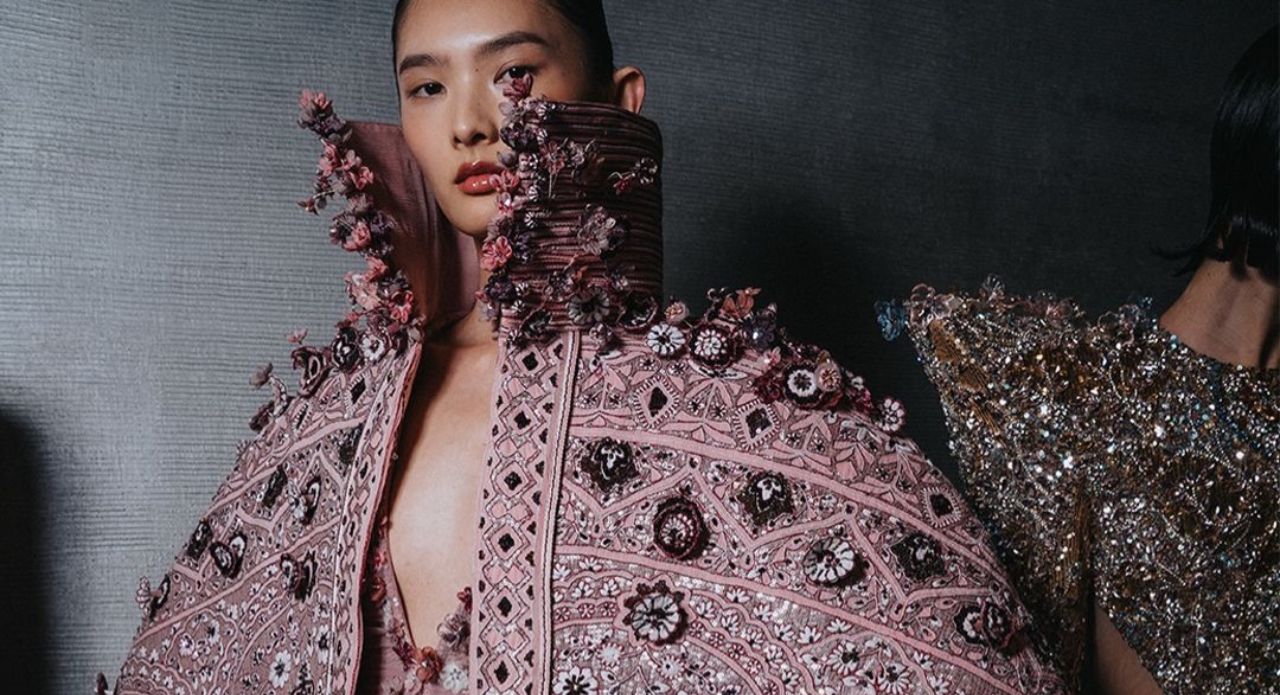
Stories Woven Into Fabric
Indian craftsmanship has long existed at the heart of Parisian couture. Embroidery ateliers across the country have spent decades creating work for Europe’s leading fashion houses, often without public acknowledgement. Historians trace Europe’s fascination with Indian textiles back to the 17th century, when chintz and fine muslins travelled across continents and into royal wardrobes.
That history quietly resurfaced throughout the week. Jonathan Anderson’s couture collection for Dior featured fragments of 18th-century Indian chintz, while gemstone pieces crafted in Jaipur and Rajasthan appeared across the runway. Indian craft was present in Paris in more ways than one.
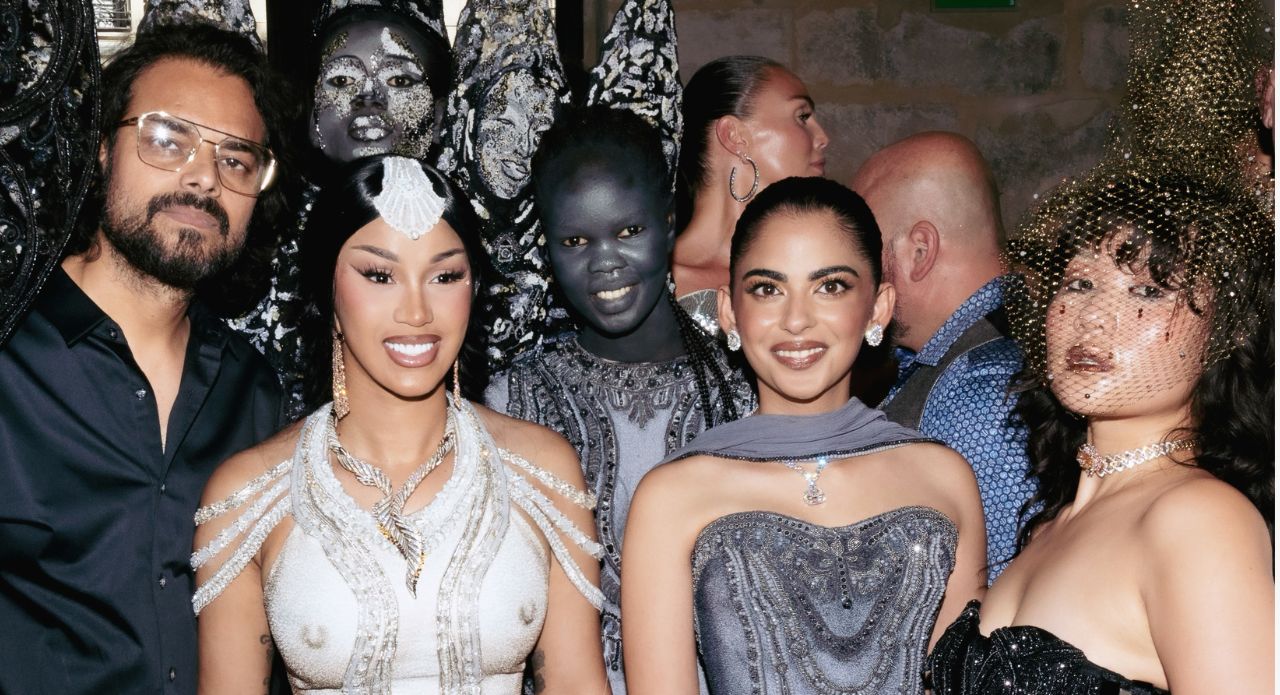
India’s Moment In Paris
Nearly two weeks after the final show concluded on July 9, the conversation around both collections continues to endure. Fashion weeks are often remembered for fleeting trends and celebrity appearances, yet ‘Maa’ and ‘Devi’ have remained part of the industry’s larger discourse.
Their lasting appeal lies in their specificity. One collection found inspiration in a son’s memories, while the other drew from centuries of artistic heritage. Together, they demonstrated that couture’s greatest strength lies not merely in craftsmanship, but in its ability to preserve culture across generations.
Yet, the defining shift of 2026 was authorship.
Also Read: Paris Haute Couture Week 2026: From Manish Malhotra’s Maa to Pierpaolo Piccioli’s Balenciaga Debut
Indian designers were not seated in the audience, nor were they participating through collaborations. They were part of the official calendar, telling stories that could only have emerged from India. One spoke of a mother. Another spoke of goddesses. Together, they underscored a larger truth: luxury’s most enduring currency remains a compelling story.
Paris may still be couture’s grandest stage, but this season, some of its most memorable narratives arrived with an Indian accent.