Beyond the Runway: The Restaurants, Chefs and Private Dinners Shaping Paris Fashion Week
Paris Fashion Week is not just about the runway; it is also about the restaurants, private dinners and culinary experiences where designers, editors, celebrities and luxury executives gather once the shows are over
Paris Fashion Week is not just about iconic couture being introduced to the world, it is also about where you dine and who you dine with once the lights dim after a runway show and photographers pack away their cameras.
Across the French capital, another equally exclusive ritual begins. Editors, buyers, celebrities, designers and luxury executives move from the catwalks and gather in the city’s most coveted restaurants or invitation-only dinners. In such dining spaces, the future collaborations take root in the form of conversations as industry relationships unfold over tasting menus, vintage wines and meticulously curated dining experiences.
Also Read: History of Paris Fashion Week: The Designers and Models Who Defined an Icon
The front row and runway spectacle is supported by the powerful networking opportunities that dining provides. The guest list may remain exclusive, but the setting has shifted from show venues to elegant dining rooms where relationships are nurtured and ideas exchanged in a more intimate environment.
For much of fashion history, fashion week was largely defined by the spectacle of the runway. Today, however, luxury brands increasingly view hospitality as an extension of their storytelling. A dinner is no longer simply a meal served after a show; it is an immersive brand experience that communicates a house’s values, aesthetic and cultural relevance.
This evolution has elevated chefs and restaurants into key players within the fashion ecosystem.
How Chefs Became Luxury Fashion’s New Collaborators
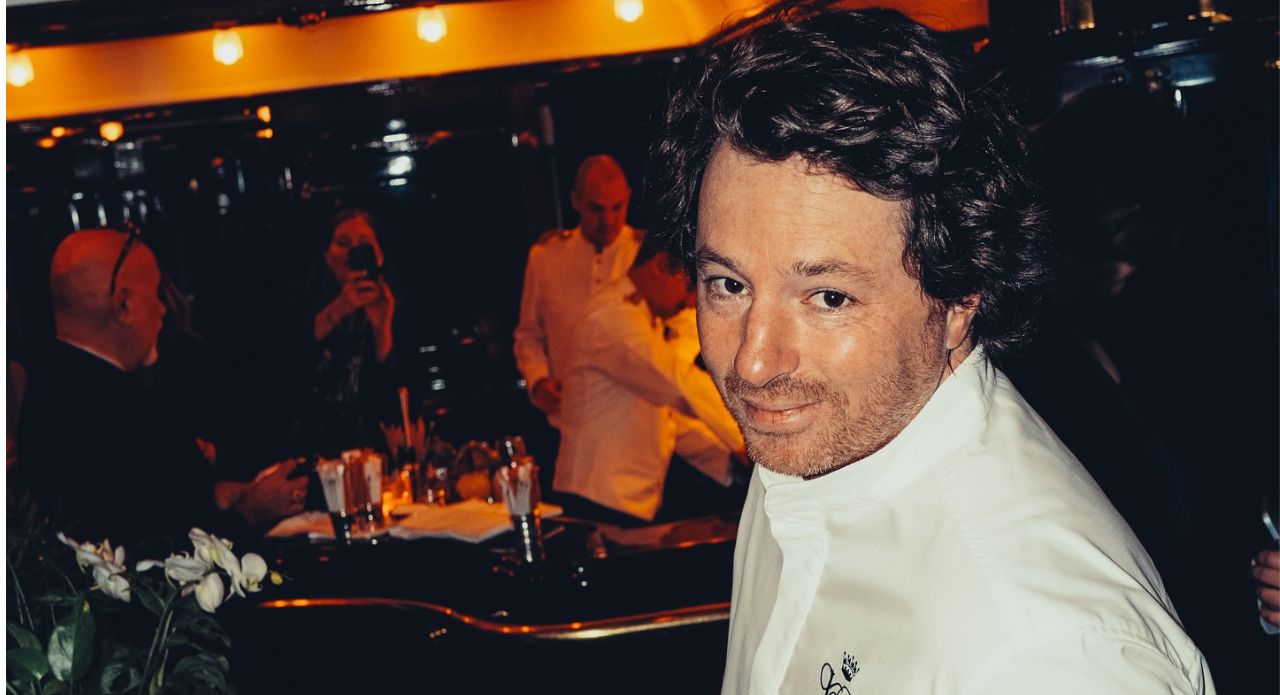
Jean Imbert is the embodiment of this intersection. The celebrated chef, who oversees dining at Plaza Athénée, has become a fixture within luxury fashion circles. His work has earned him a prominent place within luxury and cultural circles, where fashion, hospitality and gastronomy increasingly intersect.
In addition to Imbert, chefs such as Alain Ducasse and Cédric Grolet have also become fixtures within luxury circles. While Ducasse’s restaurants attract fashion’s global elite, Grolet’s visually striking pastries resonate with an industry that values craftsmanship, creativity and presentation, further strengthening the ties between gastronomy and haute couture.
Restaurants That Double as Fashion Week’s Living Rooms
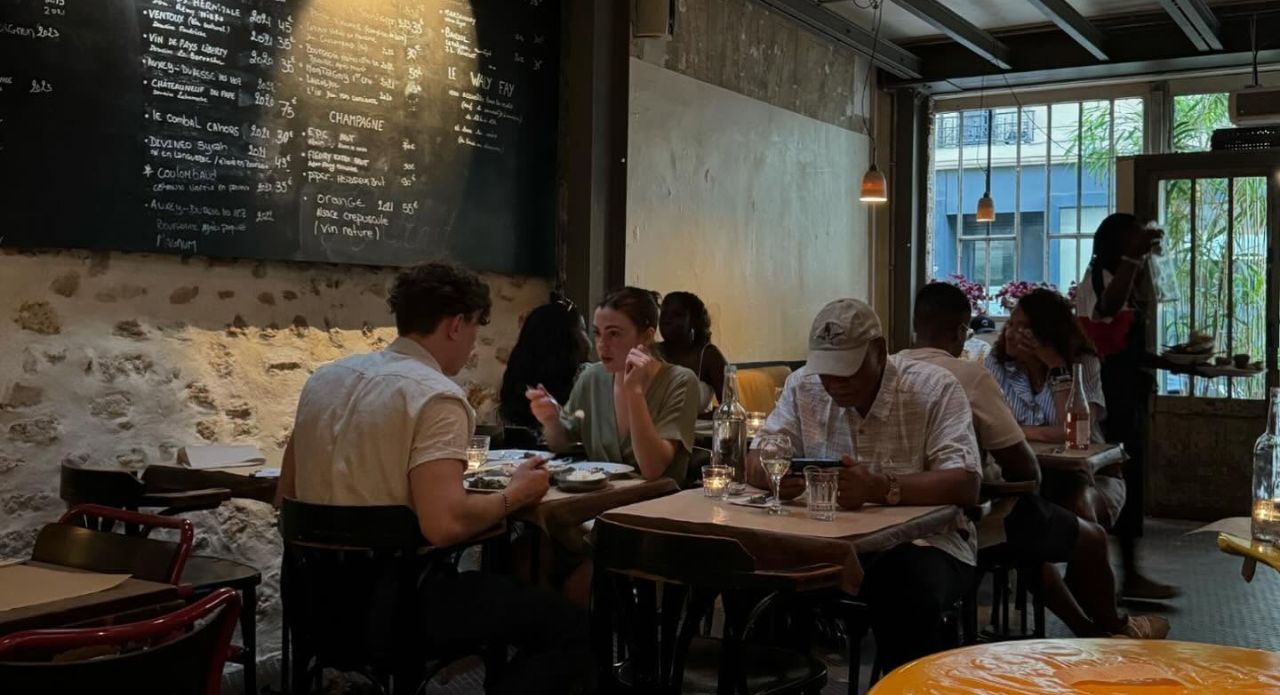
Restaurants have consequently become unofficial extensions of fashion week. Venues such as L’Avenue, long regarded as a favourite among models and fashion insiders, continue to attract industry figures throughout the season. Meanwhile, destinations such as Langosteria inside Cheval Blanc Paris have hosted luxury fashion celebrations that blur the lines between hospitality and haute couture.
Café Charlot also counts among the favourite addresses of editors and creatives. The bustling Marais institution is ideal for people-watching over a salad or steak frites between appointments.
Those looking beyond traditional French cuisine often find their way to Waly-Fay, which offers flavourful Senegalese cuisine in an intimate setting. It’s a welcome reminder of the global influences that make Paris one of fashion’s most exciting cities.
When the pace of Paris Fashion Week begins to intensify, Soho House Paris offers a welcome retreat. Nestled in the city’s 9th arrondissement, the members’ club has emerged as a preferred address for fashion insiders seeking a quiet corner for meetings, a moment of respite between shows, or an unhurried coffee away from the crowds.
Why Hospitality Has Become Fashion’s New Status Symbol
This growing emphasis on culinary culture mirrors a wider shift within luxury itself. Modern consumers increasingly seek experiences rather than products alone. A handbag or couture gown may remain the centrepiece, but the surrounding ecosystem, travel, hospitality, dining and cultural access, has become equally important.
Paris, with its unmatched combination of fashion heritage and gastronomic excellence, provides the ideal stage for this convergence. The city’s Michelin-starred restaurants, historic cafés and luxury hotels offer fashion houses a ready-made backdrop for cultivating exclusivity and prestige.
Also Read: Paris Couture Week 2026: How Indian Designers Are Emerging As Global Luxury Fashion Power Players
As Paris Fashion Week continues to evolve, some of its most significant moments now take place away from the runway. They happen around candlelit tables, in private dining rooms and behind discreet restaurant doors, where chefs, hosts and luxury brands collaborate to create experiences that linger long after the final look has left the catwalk.
In today’s luxury landscape, what guests eat after the runway has become almost as important as what models wear on it.