From Spectacle to Supper Clubs: Mumbai’s New Dining Culture
As luxury hospitality evolves, intimate supper clubs are redefining experiential dining through exclusivity, storytelling, chef-led menus, and meaningful social connections that go far beyond a traditional restaurant experience
There is no shortage of places to eat today in India’s bustling hospitality landscape. Yet what feels increasingly rare is a dining experience that is personal, intentional, and memorable in a lasting way. While the industry continues to expand with new concepts and offerings, diners are increasingly seeking experiences that go beyond the transactional nature of traditional dining. The result is a growing shift toward formats that place equal emphasis on atmosphere, storytelling, and connection.
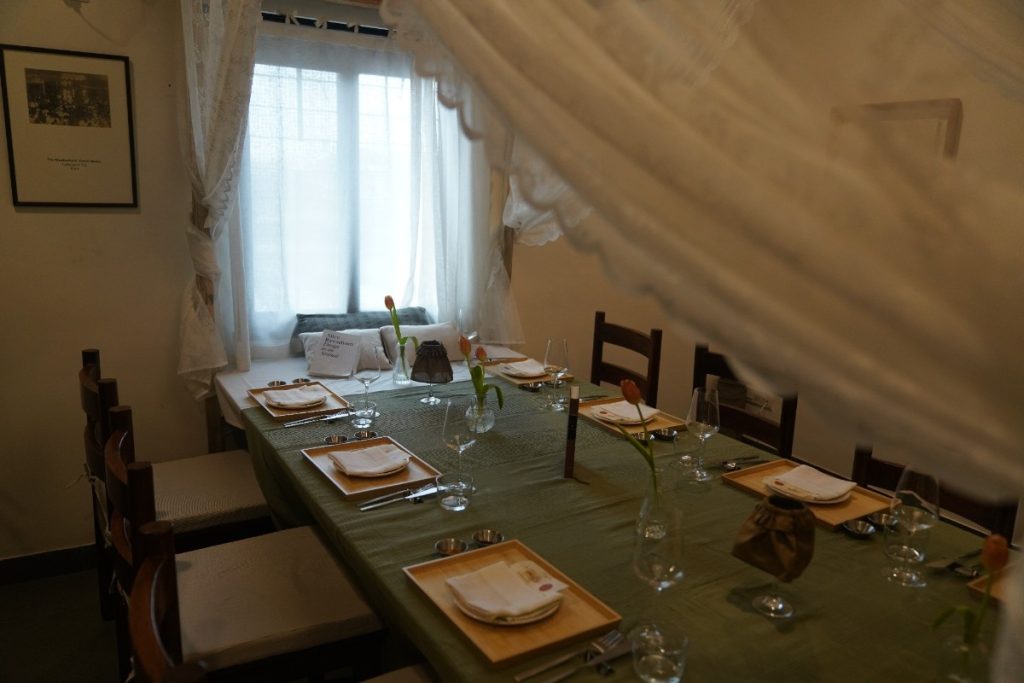
The Shift from Dining Out to Dining Experiences
One of the most significant changes in hospitality today is that people are no longer simply paying for food; they are paying for how an experience makes them feel. Modern diners want far more than a meticulously engineered menu. They are looking for atmosphere, story, mood, and memory. They want a night that feels distinct rather than interchangeable.
This is where the supper club format stands apart from conventional dining. It is not built solely around service; it is built around experience design. The setting, the pacing, the hosting, and the narrative all play an important role in shaping the evening. As hospitality evolves, success is increasingly measured not just by what is served, but by the emotional connection guests take away from the experience.
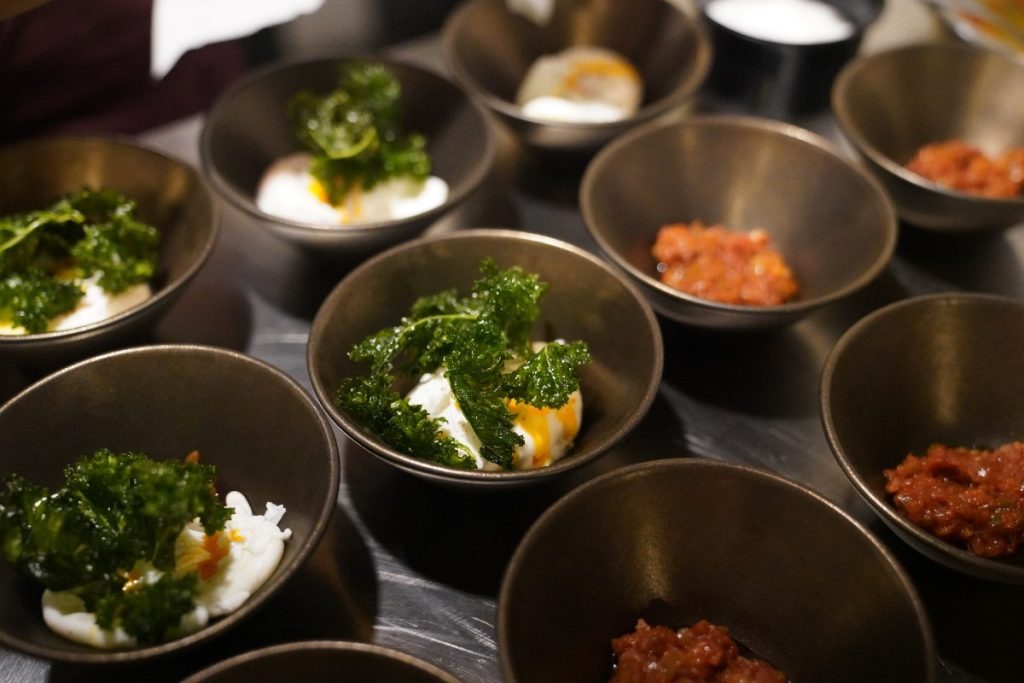
The Allure of Rarity and Exclusivity
In a world of endless access, rarity has become one of the clearest markers of modern luxury. What is always available rarely feels special anymore. Experiences that are limited, fleeting, or difficult to access often carry a stronger sense of value and anticipation. That is a crucial part of the appeal of the supper club format. Limited seats, one-off concepts, evolving themes, and the sense that each edition is temporary all contribute to making the experience feel deliberate and unique. Unlike traditional dining, which often depends on consistency and repeatability, supper clubs thrive on the idea that no two experiences are exactly alike.
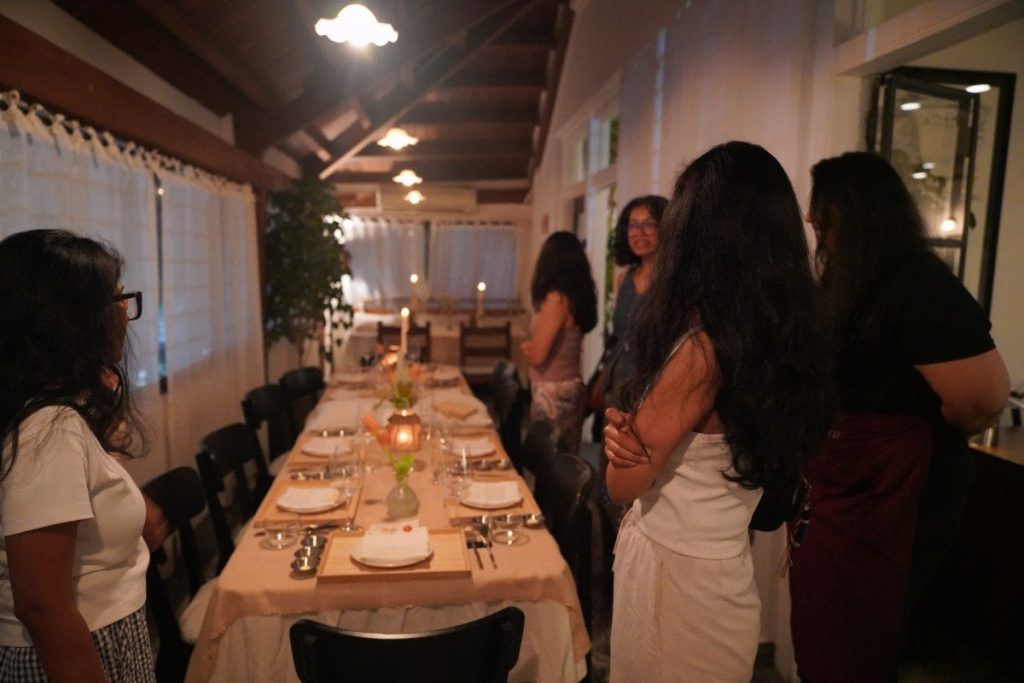
Intimate Spaces in an Overcrowded Social World
As social environments become increasingly fast-paced and overstimulating, intimate experiences are emerging as a sought-after luxury. There are countless venues designed for high energy and visibility, but far fewer that encourage genuine presence and meaningful interaction. Smaller-format dining naturally changes the quality of an evening. It creates space for conversation, curiosity, and a slower pace. Guests are not simply tables to be turned; they become part of a shared environment. This subtle shift allows hospitality to feel warmer, more personal, and ultimately more memorable. In many ways, intimacy itself has become a luxury in today’s social landscape.
Also Read: How a 350-Year-Old Bundela Fortress Became One of the World’s Most Beautiful Hotels
Community-Led Socialising Is Becoming the New Nightlife
Alongside changing dining preferences, social habits are evolving as well. Traditional nightlife has often centred around spectacle, noise, and passive participation. Increasingly, however, people are gravitating toward experiences that encourage engagement, conversation, and a sense of belonging. A shared table creates a different kind of energy from a conventional dining room. It invites interaction, lowers social barriers, and encourages guests to become active participants in the experience. People may arrive as strangers, but they leave having shared the same atmosphere, menu, and story. This emphasis on community-led socialising is one of the reasons supper clubs continue to gain momentum across urban dining cultures.
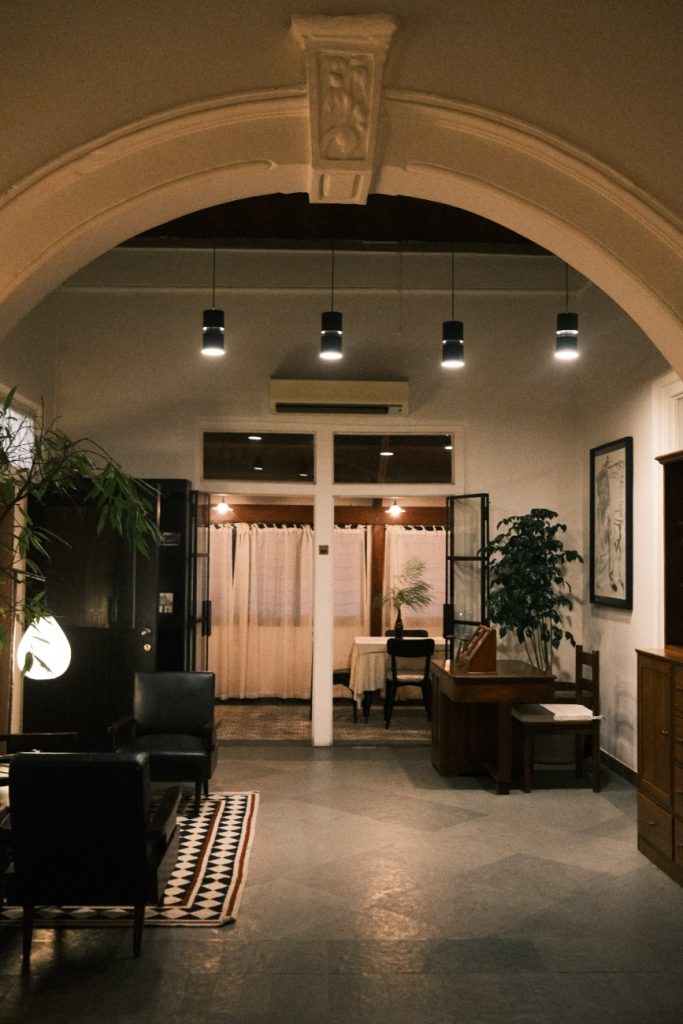
Chef-Led Menus and Constant Reinvention
Another defining characteristic of the supper club format is the creative freedom it offers. Traditional restaurants often rely on permanence, consistency, and scale. Supper clubs, by contrast, thrive on reinvention. Menus can evolve with seasons, ingredients, ideas, and themes. Experiences can shift and adapt without being tied to fixed expectations. This flexibility allows chefs and hosts to experiment more freely while offering guests something fresh and distinctive with every edition.
Today’s diners continue to value quality, but they are equally drawn to originality. They are looking for experiences that feel current, immersive, and difficult to replicate. Supper clubs create space for this kind of creativity in a way that many conventional formats cannot. As hospitality continues to evolve, supper clubs are emerging as one of the most compelling expressions of experiential dining, offering guests an opportunity to slow down, connect, and engage with food in a more meaningful way. Reflecting this shift, The Find Atelier curates intimate, limited-seat dining experiences that blend thoughtful menus, storytelling, and community, bringing to life many of the elements that are shaping the future of modern hospitality.