Modern Cooking Styles That Are Redefining How the World Eats Today
From science-led kitchens to soulful reinventions of tradition, today’s cooking styles are reshaping not just what we eat, but how we think about food itself
For most of human history, cooking was about survival, then comfort, and occasionally showing off at weddings. Now it’s a full-blown cultural movement with chefs behaving like philosophers, scientists and occasionally rebellious artists. Modern cooking styles have ditched rigid rules and embraced experimentation, memory and global curiosity. One minute you’re eating fermented vegetables that have been aged longer than a luxury watch, the next you’re spooning a dish inspired by a grandmother’s recipe from three continents away. It’s chaotic, brilliant and occasionally confusing — but one thing is certain: the way the world eats is changing faster than ever.
Modernist Cuisine And The Science Of Precision
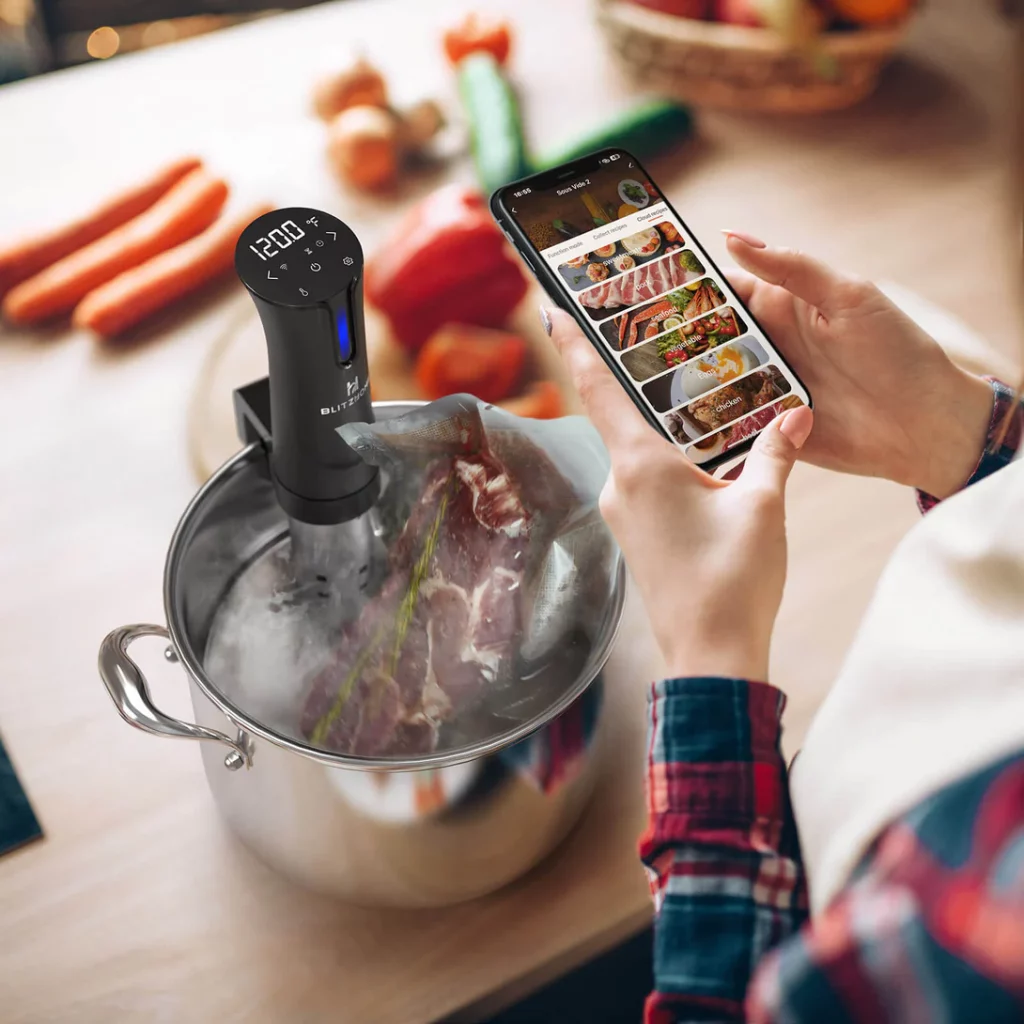
Modernist cuisine treats the kitchen like a laboratory, using science to understand and manipulate texture, temperature and flavour. Techniques such as sous vide, foams and controlled emulsions allow chefs to achieve consistency and precision previously impossible. While often misunderstood as gimmicky, this style is fundamentally about control — extracting maximum flavour while preserving integrity. It changed professional kitchens forever and continues to influence everything from fine dining to home cooking appliances.
Also Read: Why Plate Colour Matters: How Food Colour Shapes What We See, Taste, And Choose
Farm-to-Table And Ingredient-Led Cooking
This movement brought the spotlight back to ingredients rather than technique. Farm-to-table cooking prioritises seasonal produce, ethical sourcing and regional identity. Chefs build menus around what’s available rather than forcing dishes onto the calendar. The result is food that feels grounded, transparent and emotionally honest. It also reconnected diners with agriculture, reminding them that flavour begins long before the stove is turned on.
Fusion Cuisine Without Borders
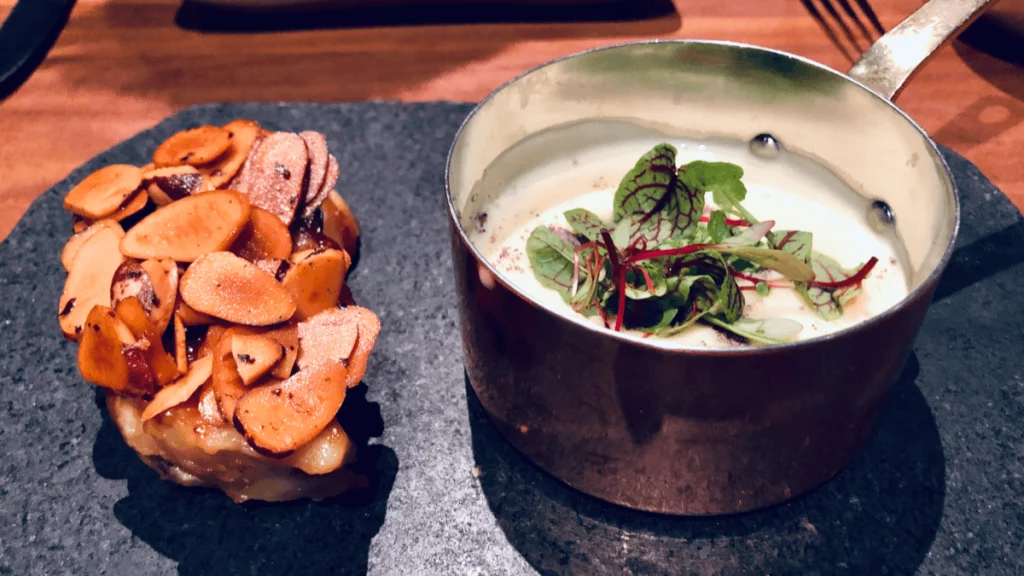
Fusion cooking once had a bad reputation, but modern fusion is more respectful and thoughtful. Instead of random mashups, chefs now blend cuisines through shared techniques, flavours and histories. Japanese precision meets Latin spice, Indian fermentation crosses paths with Nordic minimalism. This borderless approach reflects a globalised world where food culture travels freely, evolving through dialogue rather than dominance.
Plant-Forward And Vegetable-Centric Cooking
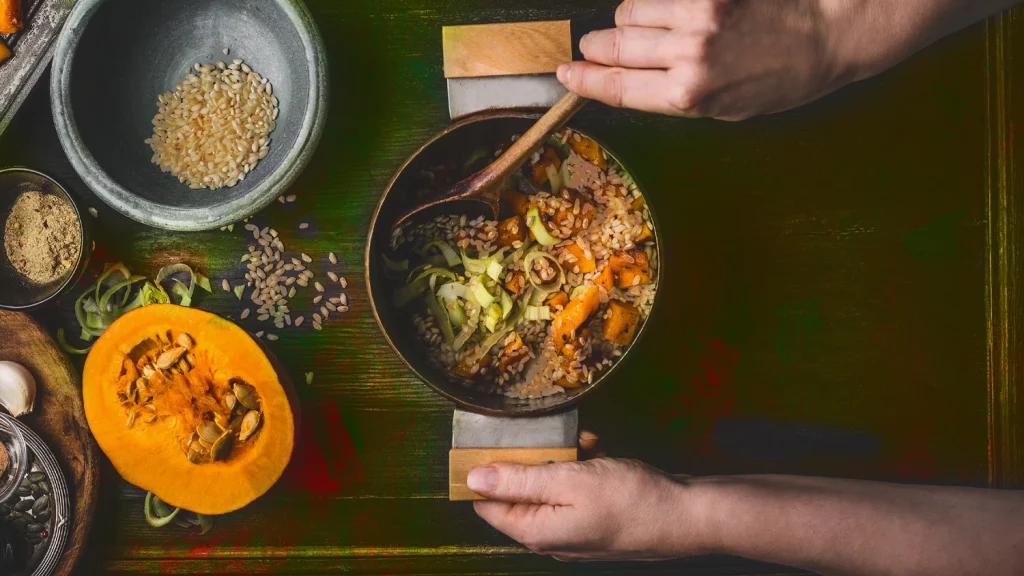
Modern kitchens are redefining vegetables as main attractions rather than supporting acts. Plant-forward cooking focuses on flavour depth through roasting, fermenting and seasoning rather than substitution. This shift is driven by sustainability, health awareness and sheer culinary creativity. Vegetables are no longer apologetic — they’re bold, complex and worthy of centre stage.
Also Read: This Heritage Hotel In Saudi Arabia Is Lit By 1800 Candles And Lanterns At Night
Nose-to-Tail And Root-To-Stem Philosophy
This approach embraces complete utilisation of ingredients, celebrating parts once discarded. Chefs explore offcuts, skins, bones and stems, turning waste into flavour. Nose-to-tail and root-to-stem cooking reflects a deeper respect for resources and culinary heritage. It’s both an ethical stance and a creative challenge, pushing kitchens to extract maximum value and meaning from every ingredient.
Hyperlocal And Terroir-Driven Cuisine
Hyperlocal cooking narrows the focus even further, sourcing ingredients from immediate surroundings — sometimes within walking distance of the kitchen. This style treats geography as an ingredient, letting soil, climate and culture shape flavour. It results in cuisine that is deeply rooted in place, offering diners an edible sense of location rather than a generic experience.
Comfort Food Reimagined
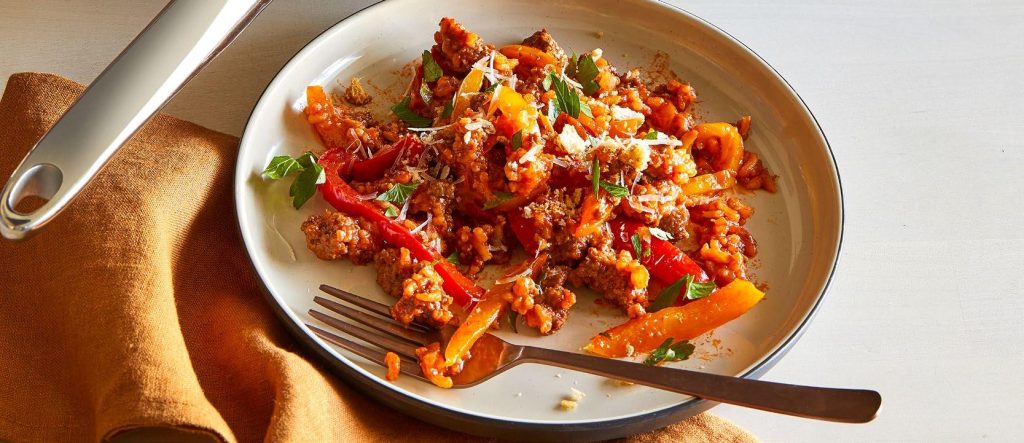
Modern chefs are revisiting nostalgic dishes with refined techniques and elevated ingredients. This style respects emotional memory while improving execution. The goal isn’t to make comfort food fancy, but to make it honest, thoughtful and deeply satisfying. It reflects a growing desire for familiarity in an uncertain world, proving that innovation doesn’t always mean abandoning the past.
Why Modern Cooking Styles Matter Today
These evolving cooking styles reflect broader cultural shifts — sustainability, global connectivity, wellness and storytelling. They challenge diners to think beyond taste, considering origin, impact and intention. Modern cooking is no longer just about feeding people; it’s about shaping values, experiences and conversations. In redefining how we eat, these styles are quietly redefining how we live.