Paella Beyond Seafood: The History, Traditions And Variations Of Spain’s Signature Dish
A humble field meal turned into a global culinary emblem, a dish that sparks identity wars, nostalgia, innovation, and celebration; Paella proves the world’s most powerful stories can simmer in a single pan
If you want to start a conversation in Spain, ask someone where to find the best paella. If you want to start an argument, ask what should go inside it. Suddenly cities turn into culinary battlegrounds, Valencians turn into soldiers, and saffron becomes sacred armour. For a dish that began as farmer rations cooked over wood fire, paella today fuels identity debates, culinary evolution, and international romance. It is the rare recipe capable of uniting people at a table and dividing them online in seconds. Rice has never been this dramatic.
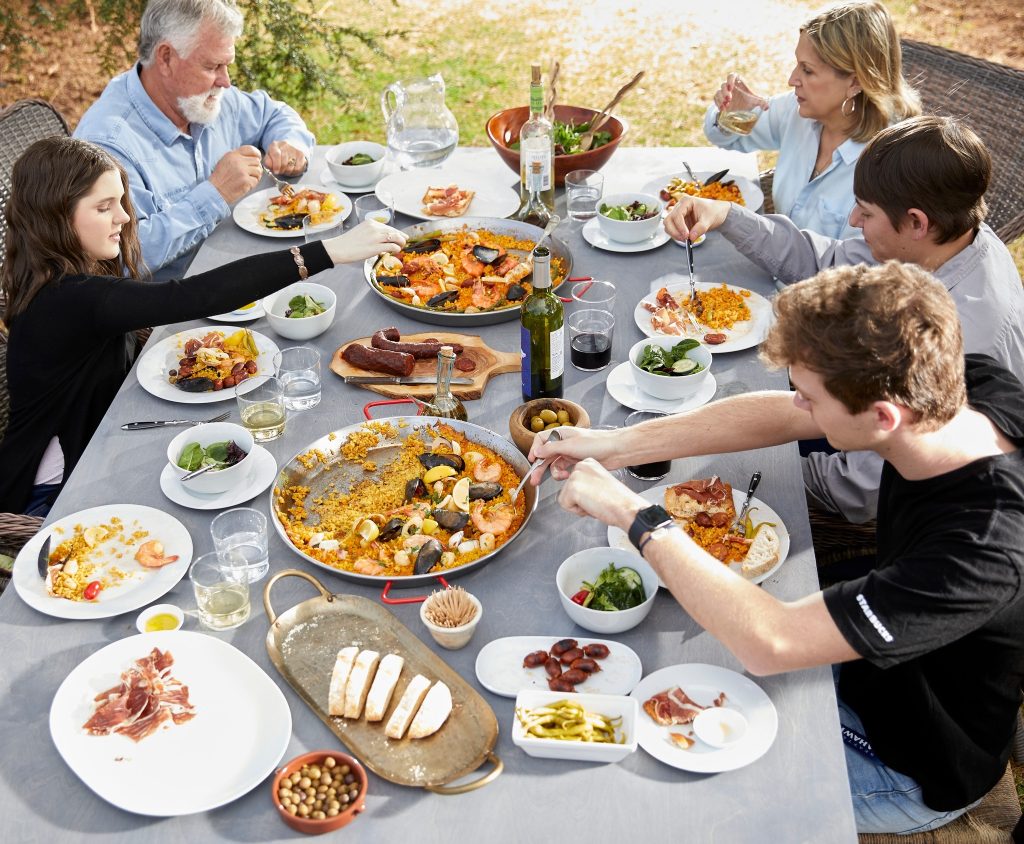
Where Paella Was Born
Paella’s story begins in Valencia, the Spanish region whose rice fields fringe the Albufera lagoon. Here, centuries ago, farmers needed a dish that was warm, filling, and community based. They cooked rice with ingredients around rabbit, duck, snails, beans, and wild rosemary—inside a wide steel pan set over burning orange-wood fires. This was never meant to be a grand ceremonial food; it was a working meal for agricultural labourers shaped by necessity and geography. Even its name reflects its simplicity: “paella” comes from the Latin patella, meaning pan.
Also Read: Best Luxury Resorts For Year-End Travel: Where To Celebrate The Holidays In Style
From Rural Meal To Cultural Symbol
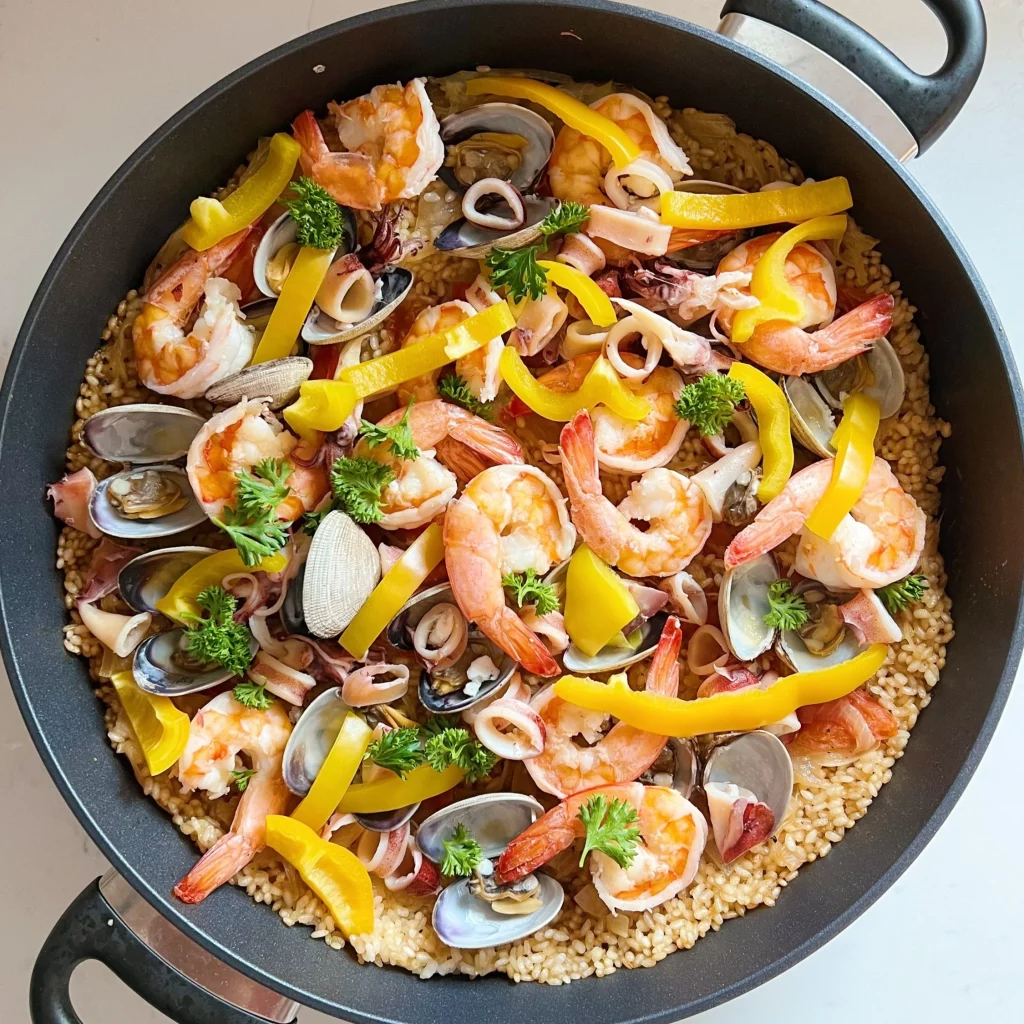
Over generations, the dish evolved from a farmer’s lunch to a marker of regional identity, and eventually into a national culinary icon. Valencians still insist on one true recipe—Paella Valenciana—a dish defined by rice, saffron, chicken, rabbit, beans, snails, olive oil, and wood fire. They view anything beyond this formula as a reinterpretation. In coastal areas, seafood paella emerged because fishermen naturally replaced land animals with mussels and squid. Elsewhere, cooks combined meats with seafood to create mixed paella, which dominates global restaurant menus. For Valencia, however, paella is more than food; it is cultural territory.
How Paella Travelled The World
As Spain expanded its cultural influence and people migrated, paella travelled far beyond Valencia. In Latin America, cooks stirred in local peppers, chorizo, and seafood. In Peru and Venezuela, the dish absorbed indigenous flavours, making rice feel native to the region. In the Philippines, paella became tied to Christmas celebrations—an edible reminder of a colonial past. Across Miami, Cuban communities turned paella into Sunday tradition. Everywhere it went, the dish adapted to local produce, memory, and emotion. What remained constant was the ritual: paella was always cooked to share.
Modern Interpretations And Culinary Experiments
Today, paella has moved into the world’s most progressive kitchens. Michelin chefs layer truffle onto saffron rice; Dubai’s luxury hotels add lobster and edible gold; Californian restaurants experiment with Asian broths, miso, and kimchi; and Japanese chefs swirl nori and stock into the pan, giving the dish an oceanic complexity that still respects its foundation. Paella has become a global language spoken through ingredients. Its cultural weight was proven when British chef Jamie Oliver posted a version containing chorizo—triggering a storm of social outrage in Spain. That reaction revealed the truth: paella is identity. People don’t defend dishes unless they are tied to who they are.
Also Read: Christmas In Delhi NCR: Top 7 Instagrammable Cafés And Restaurants To Visit With Your Girl Gang
Where To Eat The Best Paella
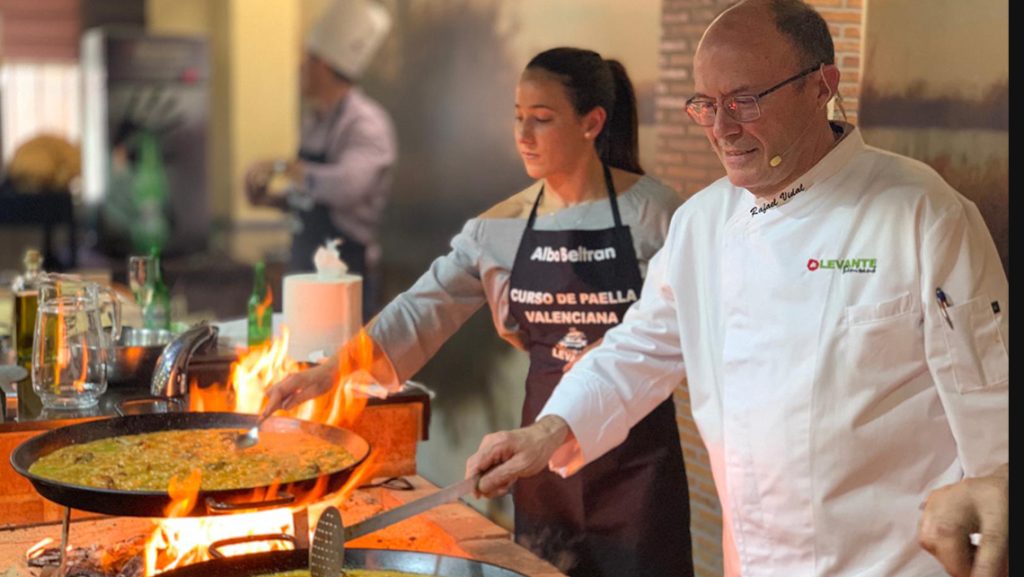
The best paella in the world still simmers in Valencia, where restaurants like La Pepica, Casa Roberto, and Restaurante Levante protect tradition using wood fire, fresh produce, and the original Valencian method. Barcelona offers a seafood evolution of the dish, served near the Mediterranean at local institutions such as Can Solé and Barraca. Madrid, surprisingly distant from the coast, has become home to beloved paella houses that recreate coastal flavours in the heart of the city at Casa de Valencia and Restaurante Samm. Beyond Spain, restaurants like Socarrat Paella Bar in New York, Arrocería El Botanico in Buenos Aires, and family-run kitchens in Manila echo the Valencian soul of paella while infusing local culture into every grain.
Why Paella Means More Than Food
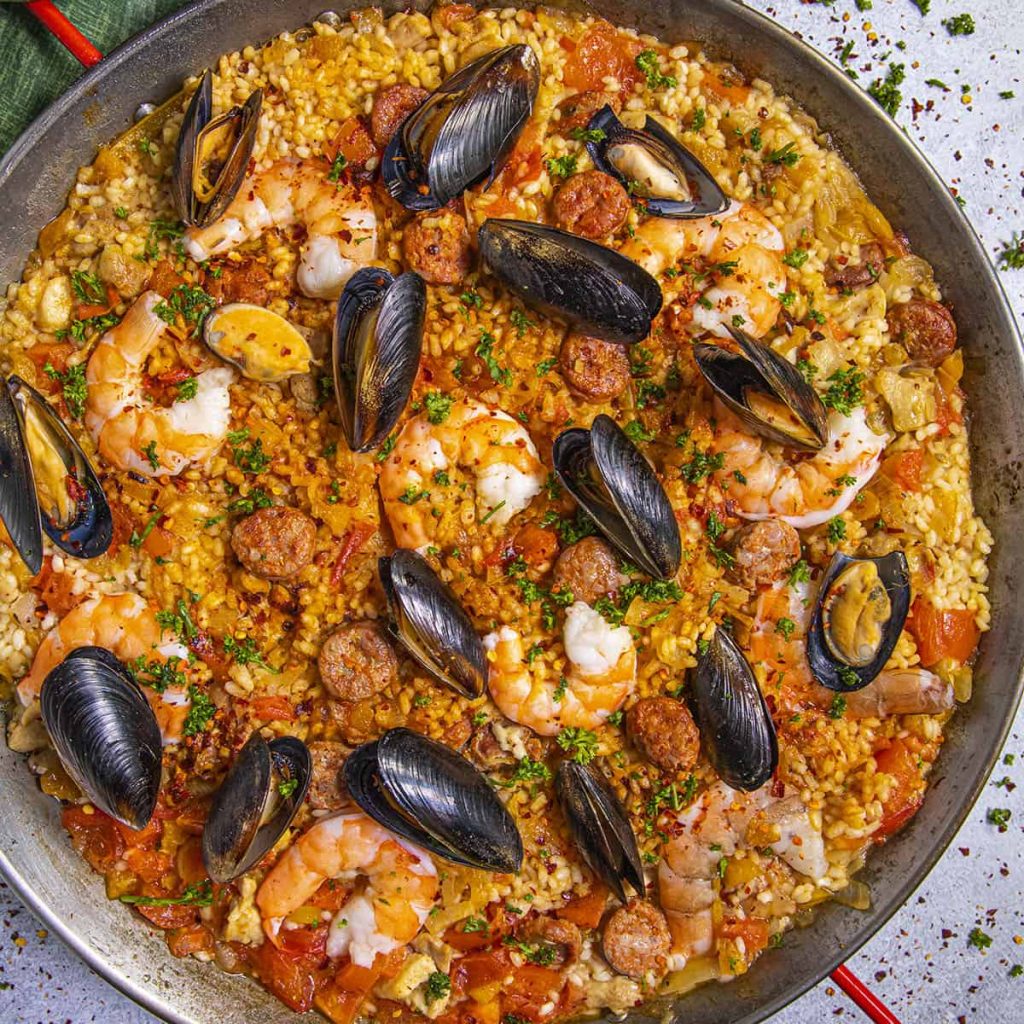
At its core, paella is about community. It invites slow cooking, shared anticipation, and collective eating from the same pan. It demands time, fire, patience, and people. Its origins lie in equality—farmers gathering around one vessel—and that sentiment survives. Paella is a dish you celebrate with, never rush. It reflects migration, memory, and emotion: one recipe connecting land, labour, love, and identity.
A Dish With Infinite Stories
Paella proves that food never stays still. It evolves the way people do. What began as a simple Valencian farm meal has become a global culinary symbol that reveals the histories and personalities of the cultures it touches. Its power lies in its contradictions—traditional yet adaptable, local yet global, rigid yet playful. One dish, hundreds of versions, millions of memories: paella is still simmering, still travelling, still telling new stories in every kitchen it reaches.