Reviving Sona Moti: The 2,000-Year-Old Heritage Wheat Behind Modern Indian Vodka
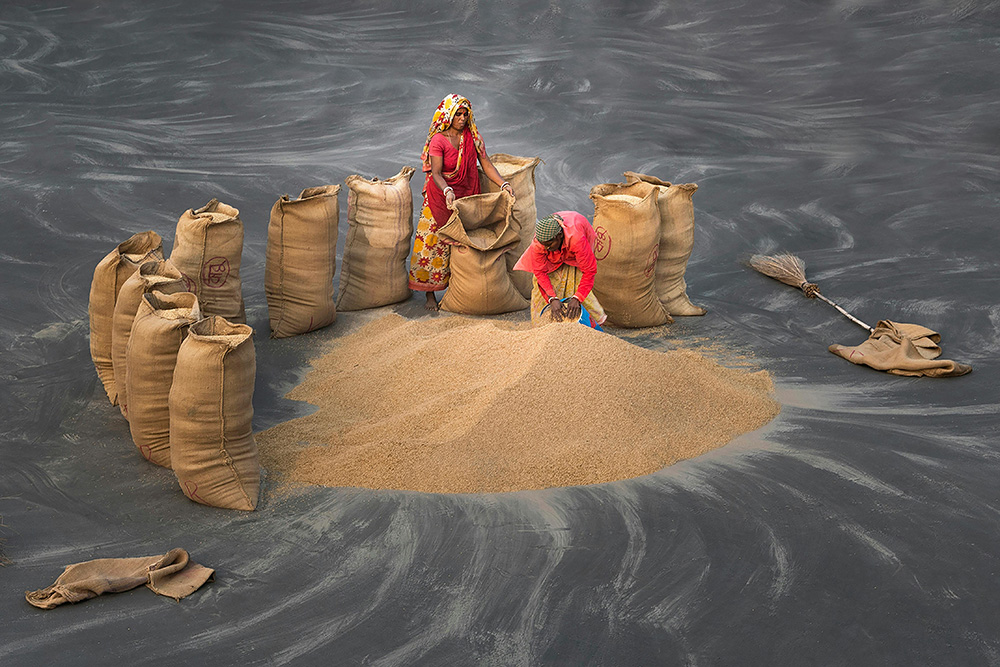
The revival of Sona Moti, a rare 2,000-year-old organic winter wheat known as the “Golden Pearl,” marks a remarkable return of a nearly extinct heritage grain. After six years of dedicated effort, it was successfully cultivated again in limited quantities. The harvest was then used to create a small, distinctive batch of CASHMIR, celebrating the grain’s legacy and revival
In 2014, in Punjab’s Jalalabad region, a farmer planted a small handful of wheat seeds he had received as prasad from Pingalwara near Amritsar. The seeds went into a small patch of land and yielded just three kilograms that first season. The next year, those three kilograms turned into sixty.
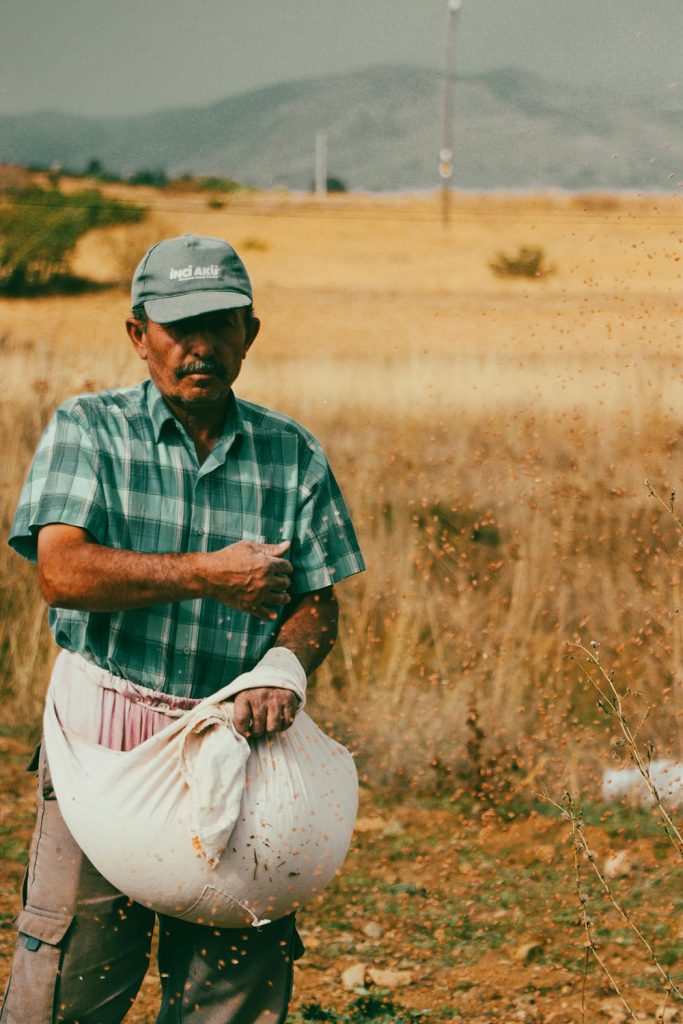
Ancient Grain, Modern Spirit
What had taken root was Sona Moti—a nearly forgotten heritage winter emmer wheat believed to be over 2,000 years old. Once part of India’s agricultural landscape, it had gradually faded from fields as modern varieties took over. Now, quietly and unexpectedly, it had begun to return. That rediscovery would eventually lead to something few might have anticipated: a fresh conversation about what Indian vodka could be—and how heritage grains might reshape the idea of luxury in spirits today.

When Progress Forgets The Past—A Spirit Rediscovers It
Over the past three decades, Indian spirits have undergone a dramatic transformation. Once relegated to the margins of the global market, they are now winning international awards and standing shoulder to shoulder with established global labels. Yet the rediscovery of Sona Moti revealed a truth often overlooked in the pursuit of modernity: progress does not always lie ahead. Sometimes, it lies in what we have left behind.
Vodka, perhaps more than any other spirit, has historically defined itself by neutrality. Premium vodka was judged by its absence—of aroma, flavour, character. The goal was extreme purity, to the point where the base ingredient became irrelevant, deliberately erased through distillation.
That paradigm is now shifting.
Today’s luxury consumer is no longer satisfied with technical perfection alone. They want provenance. They want transparency. They want to understand where their spirits come from, how they are made and what histories they carry. In this evolving conversation, vodka is no longer a blank canvas. The grain matters.
The Significance Of Sona Moti
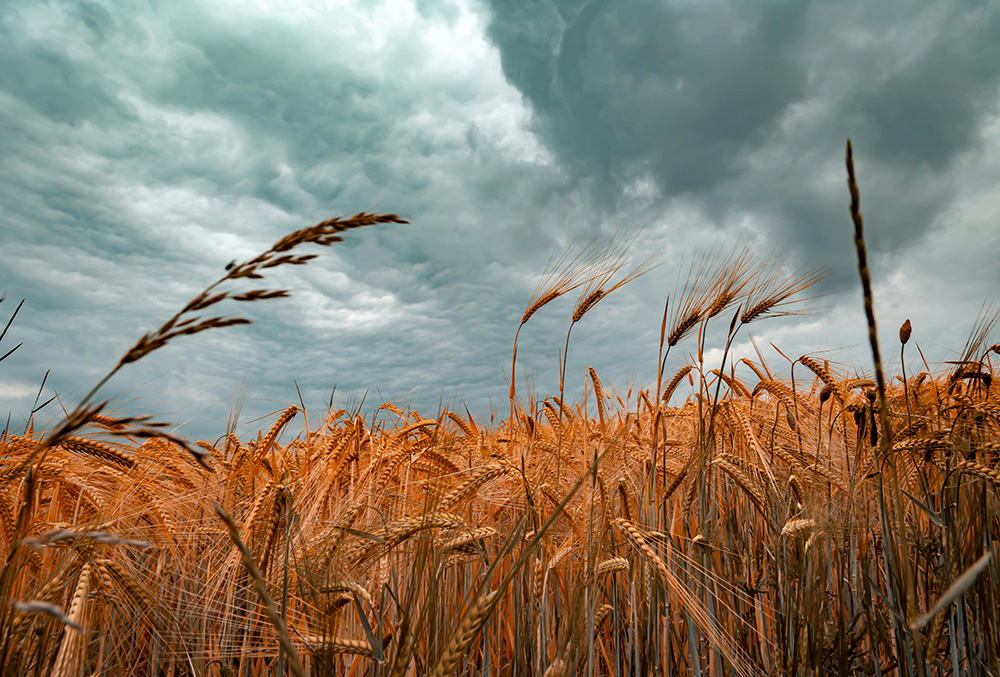
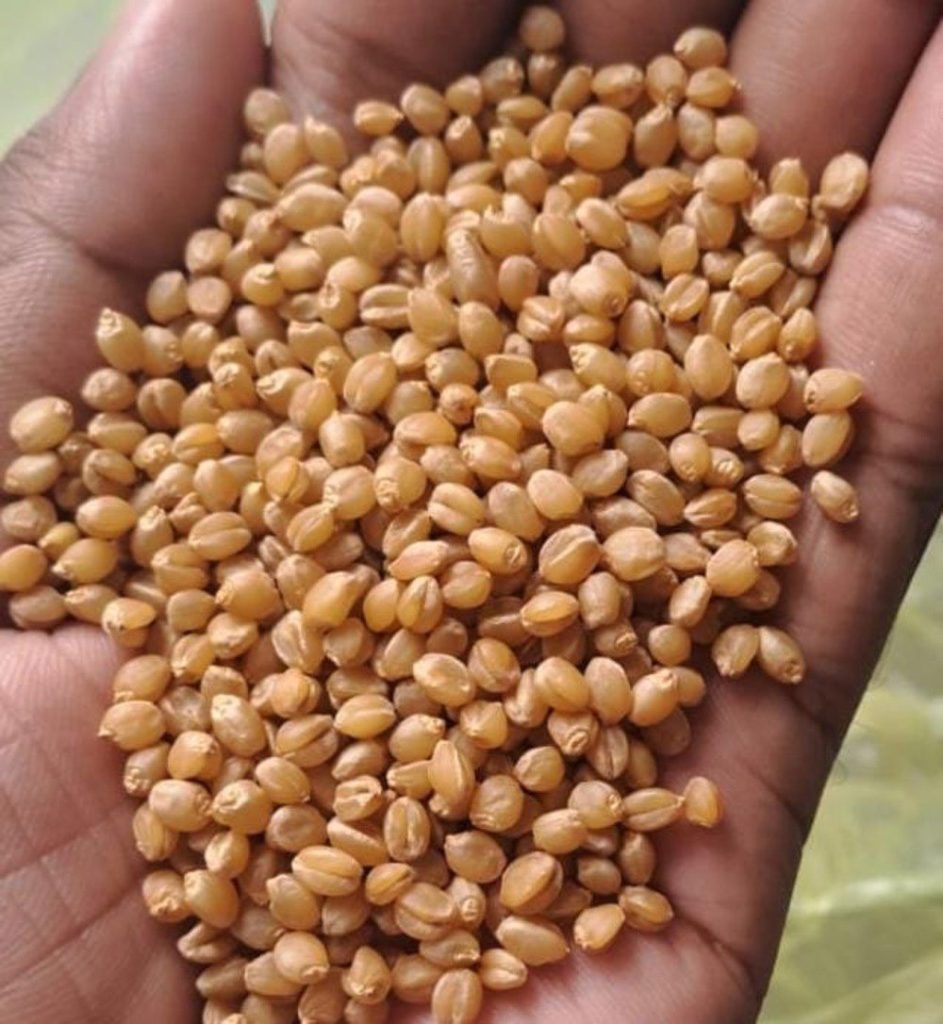
Sona Moti—literally “golden pearl”—is a heritage winter wheat that was cultivated across northern India for millennia. Unlike modern, high-yield wheat varieties developed during the Green Revolution, Sona Moti was never engineered for scale. It was grown for resilience, flavour and nutritional richness. The grain is naturally high in protein, magnesium and iron, with folic acid levels approximately 12 per cent higher than contemporary wheat. Its golden hue and distinctive rounded kernels once made it instantly recognisable in traditional farming communities. But as industrial agriculture prioritised efficiency and uniformity, diversity was quietly sacrificed. By the early 2000s, Sona Moti had almost disappeared from cultivation altogether.
The Story Of Sona Moti’s Grand Revival
Rediscovery, however, is only the first step. The real challenge was scale. A handful of seeds can spark curiosity; they cannot sustain a distillery. Reviving Sona Moti for commercial use took six years. Starting with that initial stock, farmers gradually expanded cultivation to over 200 acres across Punjab. This was not simply a matter of planting more wheat. Heritage grains behave differently. They require organic farming practices, respond sensitively to seasonal shifts, and demand patience from growers accustomed to fast-growing, predictable yields.
The rewards, however, proved profound.
In distillation, Sona Moti behaves unlike modern wheat. Its fermentation is more expressive, its flavour profile more nuanced. Where contemporary grains often distil into something linear and anonymous, Sona Moti retains a gentle complexity—a rounded texture and subtle sweetness that survives even repeated distillation. In vodka, this distinction is critical. While distillation removes overt flavour, it does not erase molecular character. A spirit made from heritage wheat carries a different weight, a softer, more elegant mouthfeel. It is not about taste in the conventional sense, but about presence.
Also Read: Single Malt vs Blended Malt: Which Scotch Whisky Is Right for You?
Rethinking The Craft
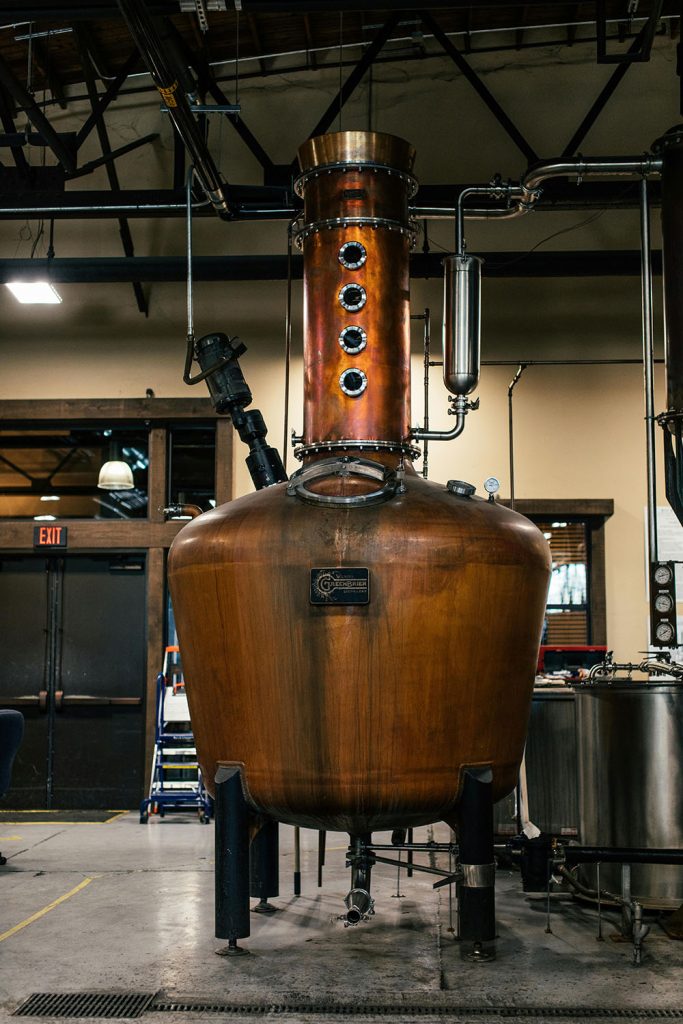
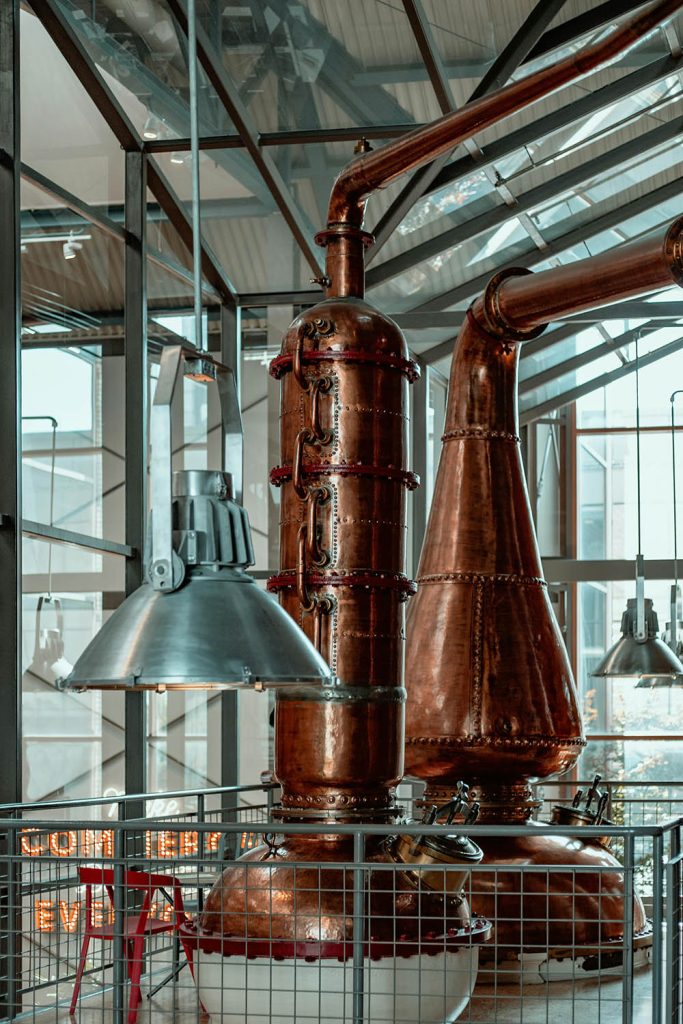
Working with Sona Moti required a more restrained, considered approach to distillation—one naturally aligned with small-batch production. The process begins with seven rounds of distillation, each designed to remove impurities while preserving the grain’s intrinsic texture. This is followed by a five-stage filtration system: activated carbon for clarity, mango wood charcoal—an unmistakably Indian touch—for natural smoothness, and successive filtrations through platinum, gold and silver to achieve a refined, velvety finish.
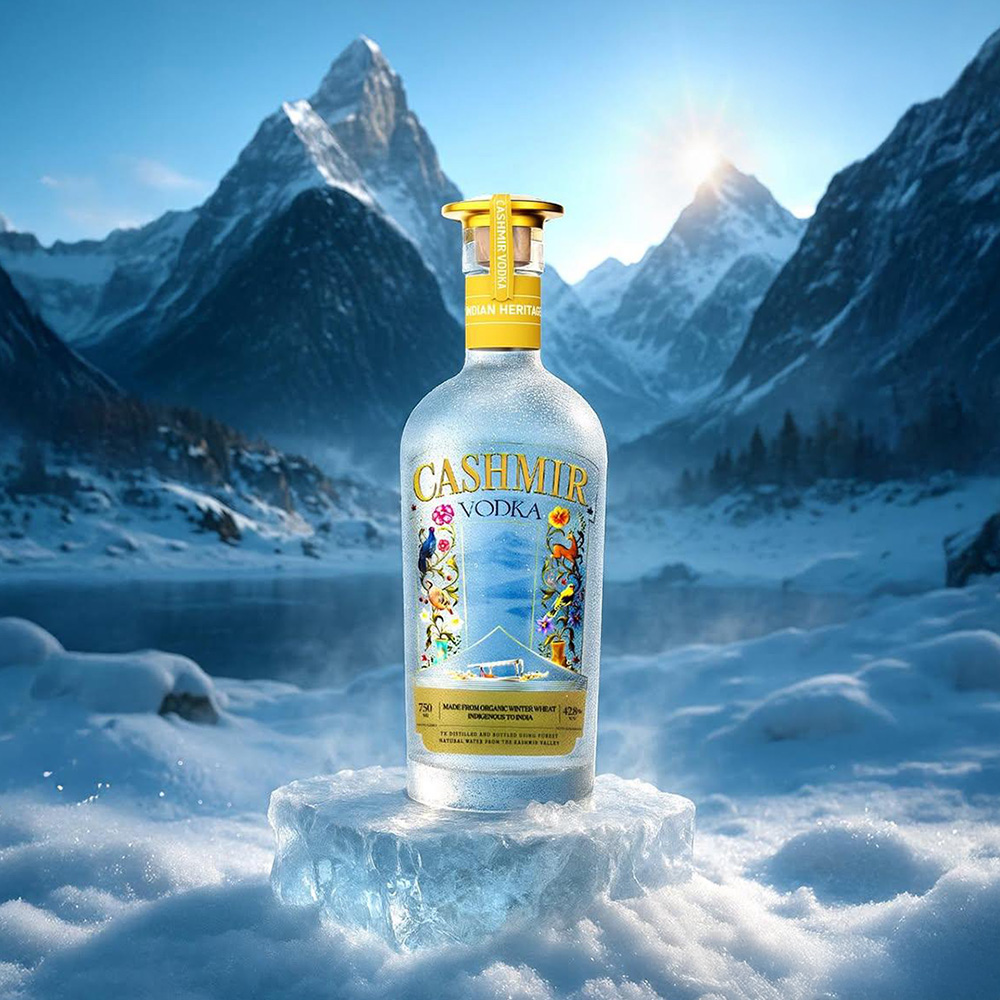
The final element is water: pristine glacial water sourced from the Kashmir Valley. Far from a romantic flourish, the mineral composition and natural purity of Himalayan water play a measurable role in the vodka’s mouthfeel and clarity. The result is a spirit that feels precise and clean, yet carries a subtle depth—an identity that distinguishes it from neutral-grain vodkas.
Also Read: That Lady In CEO Suit(e): Karishma Manga Bedi And Her Indomitable “Spirit”
Cashmir Vodka
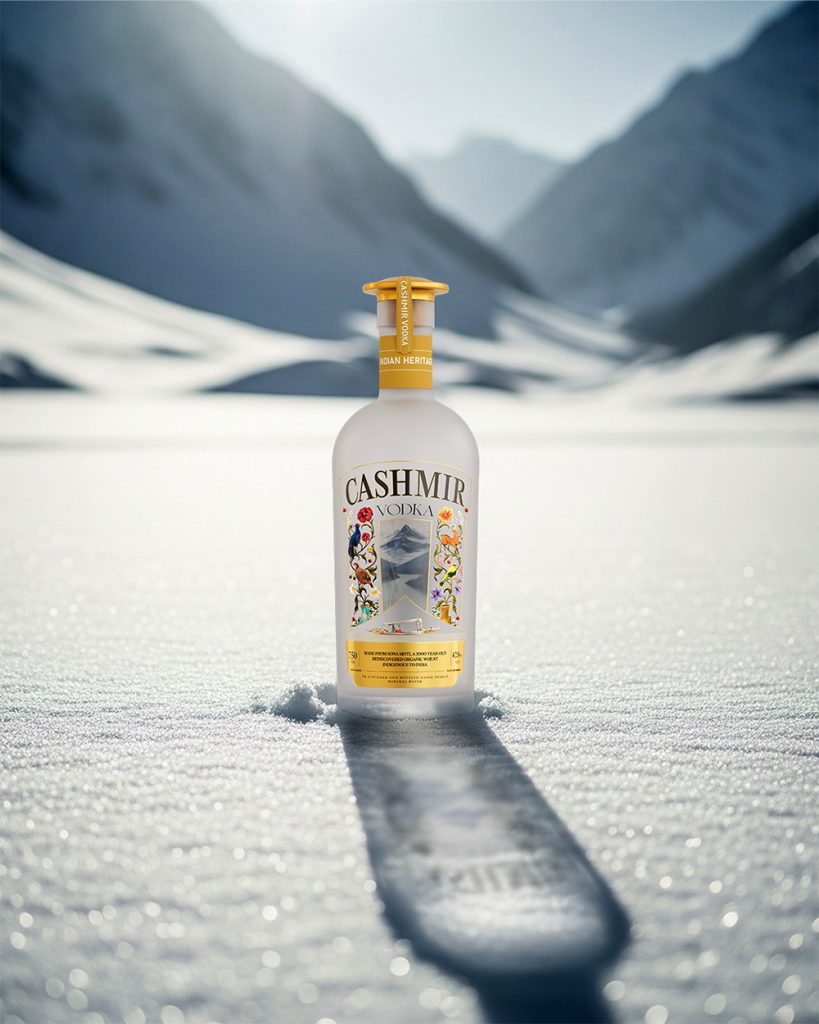
This philosophy finds its expression in Cashmir, India’s first organic, small-batch premium craft vodka built around the revival of Sona Moti.
Beyond The Bottle
The significance of Sona Moti’s revival extends far beyond distillation. Today, multiple farming communities across Punjab are cultivating the grain once again—not only for spirits, but for a growing market of health-conscious consumers who value its nutritional profile. Its return has created a ripple effect: encouraging biodiversity, reducing chemical inputs, and offering farmers an alternative to the volatility of commodity wheat markets.
This is what premium spirits can achieve when guided by intention. They can reconnect urban consumers with rural agriculture, create sustainable economic value, and demonstrate that luxury need not be extractive.
Defining India’s Next Chapter In Vodka
Indian spirits are no longer chasing validation. Indian whiskies have triumphed in blind tastings against Scotch. Indian rums are competing globally. Production standards rival those anywhere in the world.
The next frontier is not imitation—it is definition.
Sona Moti represents something deeply Indian. In reviving Sona Moti, the industry has done more than create a premium vodka. It has reaffirmed a simple truth: Indian spirits do not need external reference points to define excellence. Indian ingredients, techniques and stories are enough. They always have been.
The only question is whether the industry is ready to look closer to home for greatness.
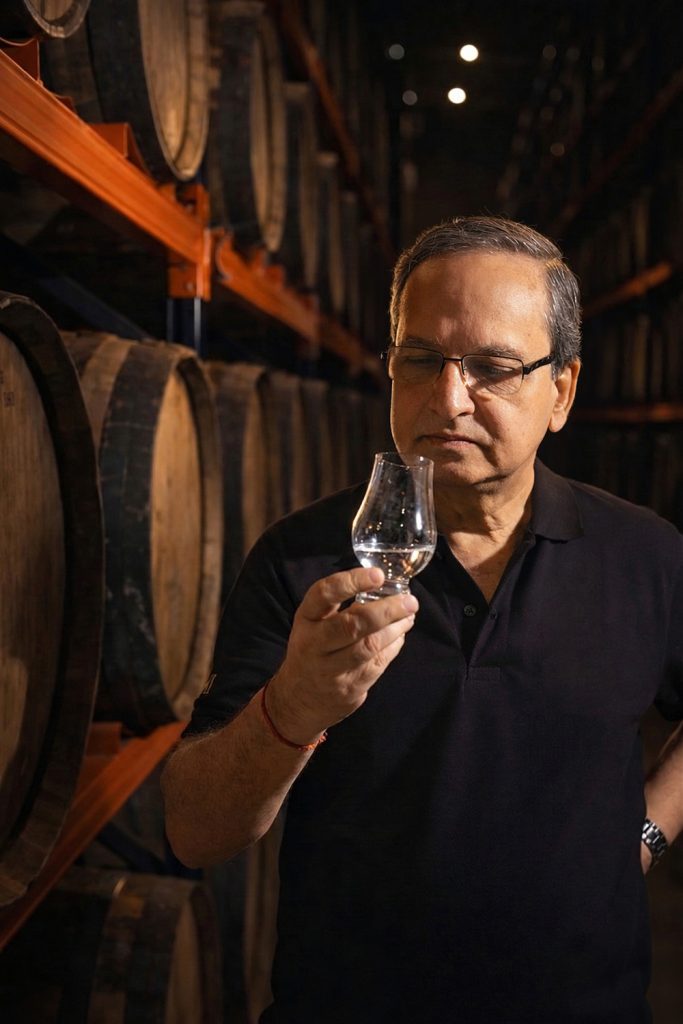
Surrinder Kumar, master blender at Piccadily Agro, is widely regarded as one of India’s most respected voices in premium spirits.