What 2026 Has on the Menu: The Food and Drink Trends Shaping the Year
India’s leading chefs and restaurateurs share the food trends they wish would define this year, shaping a more thoughtful dining future.
India’s culinary landscape is entering an exciting, more grounded phase where authenticity is taking centre stage. While beautifully plated dishes will always have a place in experimental fine dining, there is a clear return to food that feels generous, comforting, and meant to be shared—meals that nourish both body and soul. Across the country’s diverse food geography, chefs are increasingly drawn to rediscovering forgotten regional recipes, hyperlocal ingredients, and traditional cooking techniques that reflect where the food truly comes from.
This shift challenges the dominance of formula-driven café formats, cuisine-agnostic menus, and dishes designed primarily for social media appeal. Diners are finding comfort in familiarity, but comfort alone is no longer enough—what they seek is depth, honesty, and excellence. A meal that isn’t thoughtful or memorable risks feeling flat and uninspired.
With this changing mindset, we spoke to some of India’s leading chefs and restaurateurs to understand the food trends they hope will shape the year ahead—ideas rooted in substance, identity, and meaningful culinary expression.
Manish Mehrotra, Co-founder, MMCA
If you look at what’s coming up in 2026, there are plenty of food trends globally and in India, but one shift that really stands out to me is how fine dining is evolving. It’s becoming far less intimidating and much more relaxed. The focus is still very much on great food, but the spaces feel warmer, more fun, and more inviting, places where people can truly come in, unwind, and enjoy themselves.
There’s a strong move towards soulful, honest cooking, food that connects with people emotionally. It’s less about gimmicks or theatrics and more about dishes that feel real, comforting, and memorable.
Garima Arora, Chef & Owner, Gaa and Partner, BANNG ( Mumbai & Gurugram)
For so long, chefs, particularly in Asia, have looked to the West for inspiration and benchmarks in fine dining. Today, that perspective is shifting. 2026 marks a year of rediscovery, a moment to celebrate our roots. It’s an exciting time as we in the East turn inward for inspiration, returning to what is inherently ours. We are treasuring our traditions, culture, and culinary heritage, and proudly sharing these stories with the world.
Panchali Mahendra, CEO Atelierhouse Hospitality
From where I sit, 2026 in food and beverage will not be defined by a single trend. It will be shaped by a more adventurous diner, a more confident chef community and a market that is rewarding depth of flavour, provenance and point of view. The brands that will stand out are the ones that can balance imagination with discipline and turn ideas into craft, not noise. Smaller space, community-driven and less gastronomy. Fusion will keep accelerating, but it is maturing beyond mash-ups. The most compelling cross-cultural cooking feels inevitable, rooted in technique and fluency, not novelty—much like Nikkei—shaping Indo-Japanese, Indian-Mexican, Itameshi, and future cuisines through restraint, respect, and clarity.
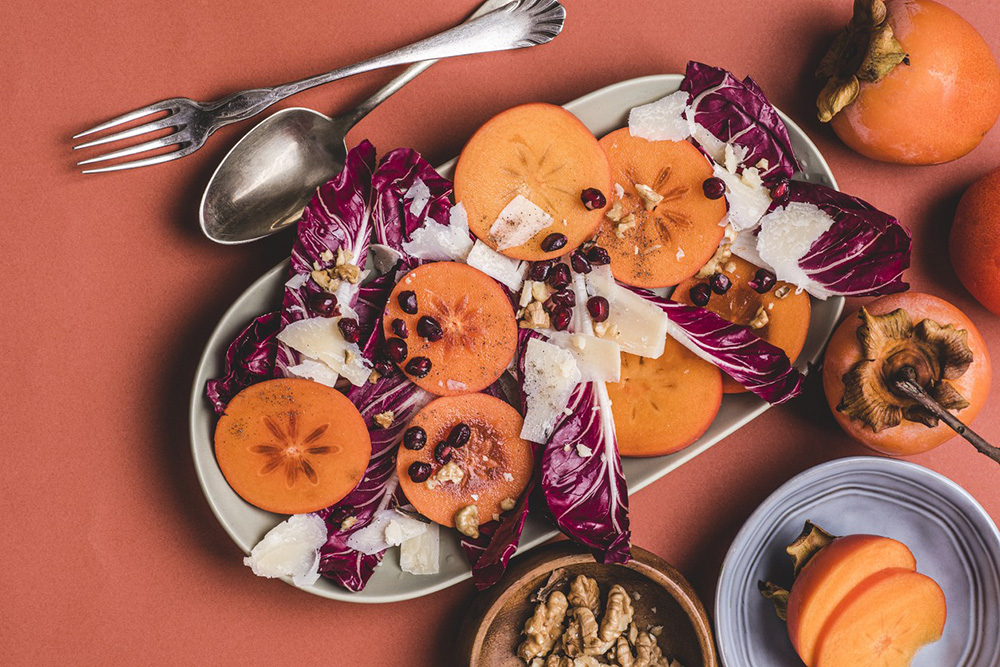
Ingredients will also trend like culture. New superfoods will rise, and I see Persimmons as a strong contender because they can move across sweet and savoury and will encourage chefs to rethink structure, texture and balance. Most importantly, India’s regional cuisines will gain the prominence they deserve, not as heritage framed by nostalgia but as contemporary culinary intelligence. Bihar, Odisha and Madhya Pradesh offer deep, seasonal flavour systems—ready to be recontextualised through sourcing, storytelling and modern formats without losing identity.
Yangdup Lama, Bar owner, entrepreneur and author
By 2026, cocktails will move beyond flavour to express a sense of place, with bartenders drawing on regional stories, local traditions, and native ingredients to create drinks that feel rooted, personal, and culturally authentic rather than globally generic. At the same time, sweet-and-sour profiles will give way to umami-rich, savoury, and spice-forward expressions, using fermented elements, mushrooms, kokum, curry leaves, chilli oils, black pepper, and warm spices to build depth, structure, and a closer dialogue with the culinary world.
Alongside this shift, local and indigenous spirits—still emerging but increasingly influential—will gain visibility as small producers highlight native grains, botanicals, and ancestral distillation methods, offering bartenders powerful new bases for storytelling, sustainability, cultural preservation, and long-term growth.
Zorawar Kalra, Founder & Managing Director, Massive Restaurants Pvt. Ltd
Summing up 2026 in one sentence, it would be this: we’re moving from consumption to curation. After a decade driven by novelty, food is becoming more intentional, with every ingredient, technique, and experience expected to justify its place. Ingredient intelligence, not excess, defines the shift toward clarity—shorter menus, better sourcing, and craftsmanship where restraint is the new luxury. Indian flavours, global Language marks a turning point as Indian cuisine sheds clichés and embraces modern techniques, precision, and finesse without losing soul—evolution with respect, not fusion for effect. Low-ABV, High-Thought Cocktails reflect changing drinking habits, prioritising complexity, botanicals, and balance over alcohol strength, designed for longer, more mindful evenings. Experience over indulgence repositions dining as immersive rather than transactional, where lighting, music, storytelling, and service matter as much as food.
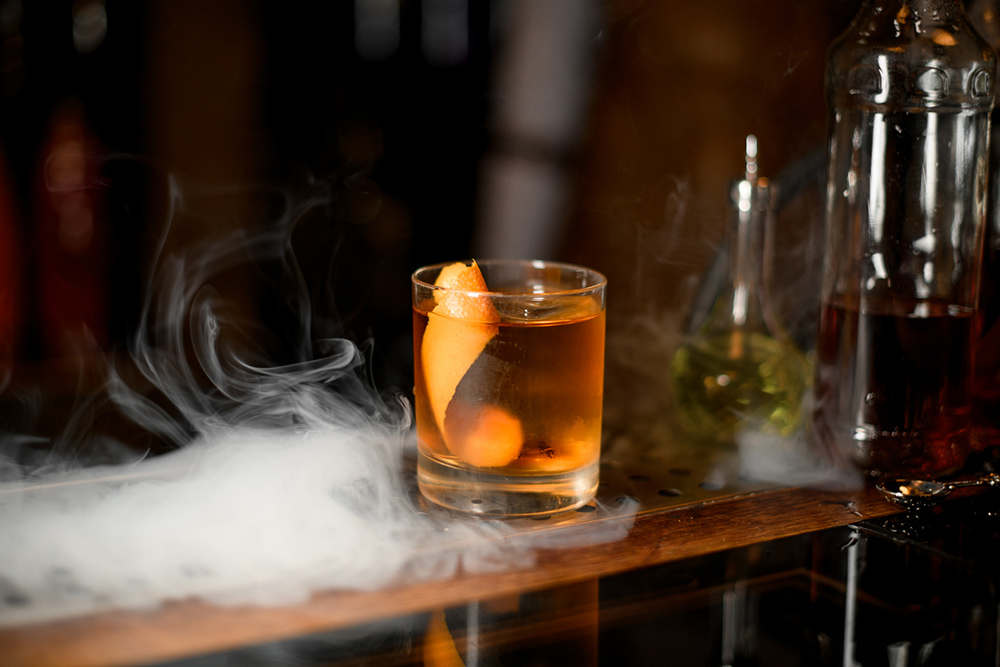
At the same time, comfort and childhood flavours are reimagined with modern technique and premium ingredients. Finally, sustainability shows how the smartest restaurants embed responsibility quietly through sourcing, portioning, and waste reduction. The defining insight for 2026 is clear: the future belongs to restaurants that know who they are—not louder brands, but clearer ones—offering food that is confident, considered, and conscious.
Chef Shubham Thakur, Japanese MasterChef, The Leela Palaces, Hotels & Resorts
Luxury dining is becoming quieter and more meaningful. In 2026, seasonality will be at the heart of menus, with chefs allowing produce to lead whether it’s a forgotten grain, a local rice, or a beautifully cooked vegetable. Diners today want to enjoy themselves without feeling overwhelmed; they’re drawn to mindful indulgence and experiences that feel personal and well-considered. The future of fine dining lies in menus that create connections between the ingredient, the season, and the person at the table.”
Chef Shantanu Mehrotra, Executive Chef, Indian Accent, Delhi
In 2026, the spotlight will shift to ingredients that carry memory, restraint, and regional integrity. Indian cooking will move towards subtle layering rather than bold excess, allowing native produce, gentle spice, and thoughtful technique to lead the narrative.
Slow-cooked meats and broths will anchor menus, celebrating warmth, comfort, and long-simmered depth. Coastal flavours will gain prominence through ingredients like Kanyakumari crab, coconut, mustard, and crisp appalam, where freshness meets controlled pungency. Across regions, chefs will embrace unexpected textural contrasts, pairing confit duck with southern staples like popcorn upma to reimagine familiarity in modern forms. Vegetables will be treated with equal reverence. Ingredients like lotus root, water chestnut, apple eggplant, and makhana will take centre stage, complemented by spice blends such as panchphoran and condiments like kasundi. In 2026, everyone will be eating food that tells a story, Indian at its core, modern in its expression, where luxury is measured not by excess, but by intention
Chef Vaibhav Bhargava, Food Consultant
One of the biggest shifts is functional indulgence: food that delivers comfort and pleasure while being nutritionally smarter. High-protein breads, fibre-rich carbohydrates, and low-sugar desserts with full flavour reflect a desire for balance rather than restriction—diners want to eat well without giving up joy. I’m seeing savoury elements move into traditionally sweet spaces—miso caramel, olive oil cakes, umami-led pastries, and cheese-forward desserts—drawing from Asian and Mediterranean traditions where sweetness is layered, not dominant.
The conversation today isn’t about fusion versus authenticity, but intentional cooking. At She’s Here in Gurugram, we explore wafu cuisine by pairing Japanese ingredients with Italian techniques—culture-respectful cross-pollination, not gimmicks. Pan-Asian food continues to lead with sharper focus: Japanese-forward styles, deeper Korean flavours, regional Mexican cooking, and produce-driven Italian simplicity.
Harpal Singh Sokhi, Celebrity Chef Coach, Restaurateur
Food trends evolve as people understand their bodies better—they don’t appear overnight. In 2026, food is becoming intuitive, with people choosing what feels good after a meal, not just during it. Fermentation goes mainstream as kanji, kombucha, and naturally fermented batters move from niche health foods to everyday habits, valued for improving digestion, immunity, and overall balance.
Smarter protein takes priority, with focus shifting from quantity to absorption—lentils, dairy, eggs, fermented plant proteins, and sprouted grains offer strength without strain, allowing the body to work with food, not against it. Indigenous ingredients find their way back as millets, native rice varieties, seasonal vegetables, and regional oils regain relevance because they align with local climate and digestion, releasing energy steadily and naturally. In 2026, food rooted in tradition, science, and the body’s logic naturally tastes better.
Varun Sharma, Head of Bars, Comorin and Indian Accent
In 2026, food and beverage will be defined by intent, where flavour, provenance and process matter as much as indulgence. We see guests gravitating towards hyper-local ingredients, zero-waste practices and drinks that tell a story. Expect cocktails crafted entirely in-house, from cordials to vermouths, with seasonal produce shaping menus in real time. Precision techniques like sous vide infusions will coexist with nostalgia-driven classics, reimagined through an Indian lens, think Neer More (South Indian Buttermilk) or Walnut Sour (inspired by North India) are just two examples of how the bars will showcase the country’s regional flavours. Equally important is mindful drinking, with natural, thoughtfully made mocktails and slow-brewed beverages gaining prominence.
Sid Mathur, Owner, Bomba & Niko
By 2026, food will move away from excess and towards intention. Menus will become tighter and more confident, with a stronger focus on ingredient quality and techniques that feel purposeful rather than performative. There’s a renewed appreciation for familiar flavours done well, with regional ingredients and traditional methods finding relevance in contemporary formats.
Bars will continue to evolve faster than kitchens, particularly in how flavours are built- more savoury notes, greater use of fermentation and spice, and a growing emphasis on thoughtfully crafted low- and no-alcohol drinks that stand on their own.Diners are changing too. They’re more informed, more selective and less driven by novelty alone. Value will increasingly be measured by consistency, clarity and how a place makes people feel over time.
Chef Parth Gupta, Founder, Cicchetti Italiano, Bloom Café & Cakery and Firenze Gelataria & Caffé
In 2026, dining is becoming more intentional, with a clear shift toward shorter, thoughtfully curated menus that prioritise depth, technique, and storytelling over excess. My philosophy is reflected in our small-plates–driven menu, where each dish is designed to deliver flavour, craftsmanship, and narrative in just a few bites.
There is also a strong return to real, honest ingredients—produce that is fresh, seasonal, and minimally processed. Diners are increasingly drawn to regional cuisines and hyperlocal interpretations, seeking authenticity and a sense of place rather than generic global flavours. Italian cuisine, with its deep regional roots, naturally lends itself to this approach. Food in 2026 is expected to tell stories and transport diners—whether it’s a memory of a region, a technique passed down through generations, or a moment of mindful indulgence. Small plates allow for greater creativity and exploration, encouraging diners to experience multiple flavours and textures within one meal, without feeling overwhelmed. Overall, the future of dining is refined, experiential, and conscious—where every plate is purposeful, and every bite is meaningful.