Would You Fly Across The World For One Meal? Millions Are Doing Exactly That
From Michelin-star restaurants to hidden culinary gems, food tourism is inspiring travellers to cross continents for experiences that begin and end at the dining table.
Breakfast at the legendary restaurant of a luxury hotel overlooking the Eiffel Tower in Paris. A leisurely multi-course lunch at a Michelin-starred dining room in Tokyo. A traditional Kerala Sadya served on a banana leaf at a heritage luxury resort in Kumarakom. Evening tea and pastries at a celebrated café in Vienna. Dinner at a world-renowned fine-dining restaurant in Copenhagen.
I remember joking about this at family dinners. The idea of experiencing the world’s greatest meals in a single day felt almost magical. To make it happen, we would probably need a teleporter or perhaps a time machine. Neither exists, of course. But what does exist, and is becoming increasingly common, is something remarkably close, known as, culinary travel.
Also Read: Why Grand Cafes Are Becoming The New Social Hubs Of Luxury Hospitality
What Is Culinary Travel?

Culinary travel, also known as culinary tourism or food tourism, is the practice of exploring destinations through their food. Travellers plan journeys around restaurants, local cuisines, food traditions and unique dining experiences, often making a particular meal the primary reason for visiting a destination.
The idea of travelling thousands of kilometres for a single meal may once have sounded excessive. Today, it is one of the fastest-growing trends in luxury travel. Increasingly, travellers are building entire itineraries around coveted restaurant reservations, celebrated chefs and immersive food experiences.
At its core, culinary travel transforms food from a part of the journey into the destination itself. While traditional tourists may visit landmarks first and restaurants second, culinary travellers often reverse the order. A coveted reservation at a Michelin-star restaurant, a rare tasting menu or access to a celebrated local culinary tradition can become the primary reason for booking a flight.
This shift reflects a broader transformation in luxury consumption. Affluent travellers are placing greater value on memorable experiences over material possessions. As experiential travel continues to gain momentum, destination dining has emerged as one of the most sought-after forms of indulgence.
Where to Dine in India
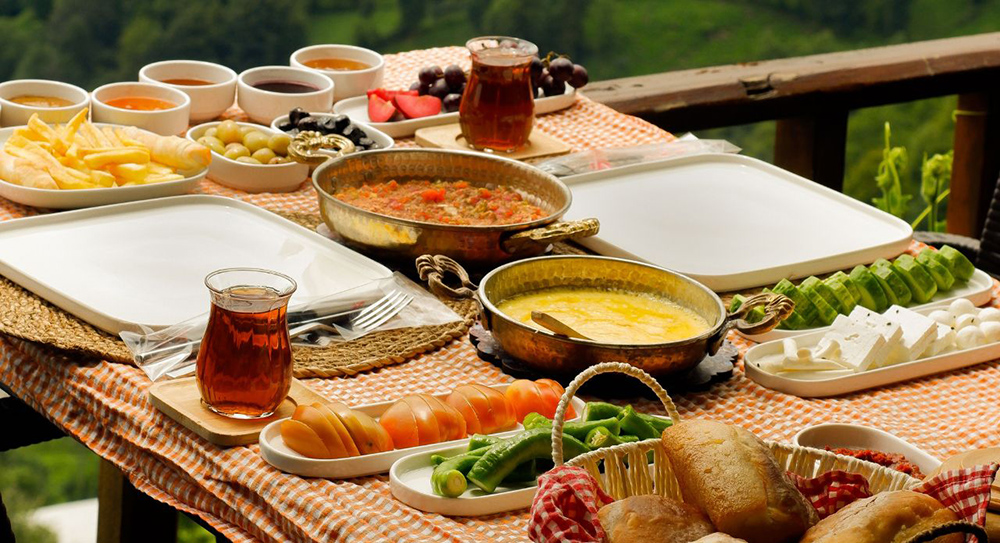
The Leela Palace Bengaluru – Le Cirque
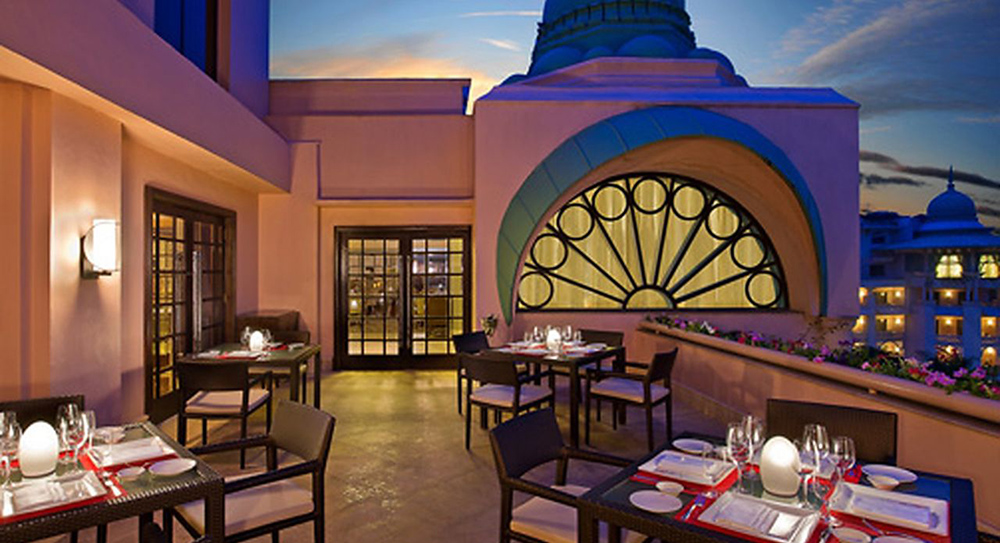
Le Cirque Signature features the soft interplay of beige, ebony and ochre tones which reflect off a grand Murano chandelier, creating a sophisticated atmosphere that sets the stage for the exquisite Franco-Italian delicacies the restaurant is celebrated for. Its elegant tasting menus and impeccable service have helped establish it as one of the country’s most coveted luxury dining addresses.
Taj Lake Palace – Neel Kamal
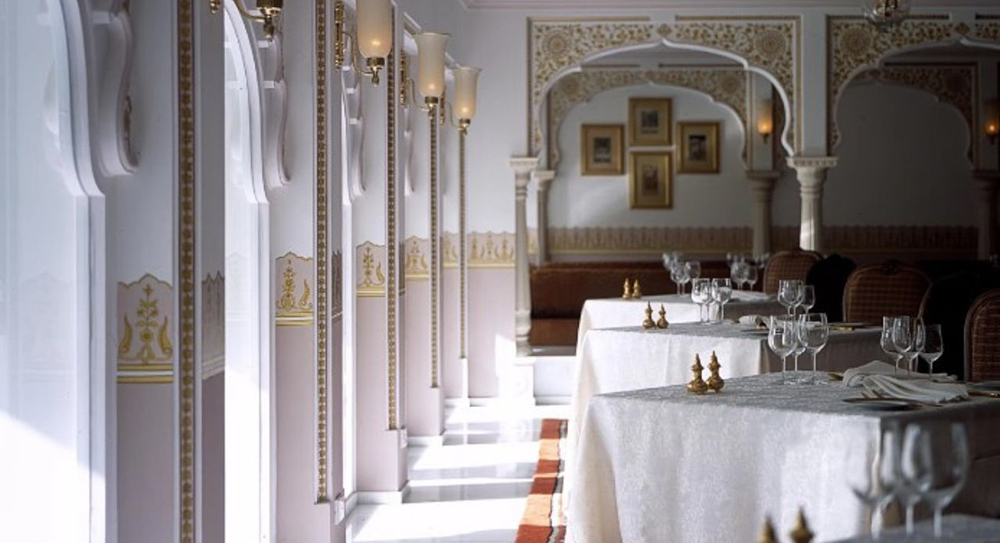
The rich Indian ambience, reminiscent of a grand royal ballroom, is complemented by views of the mesmerising Lily Pond. With royal Rajasthani recipes, candlelit settings and panoramic views of Lake Pichola, dining here feels like stepping into a bygone era of regal luxury. Signature dishes inspired by Mewar’s culinary heritage offer guests an authentic taste of Rajasthan’s royal kitchens.
Kumarakom Lake Resort – Ettukettu
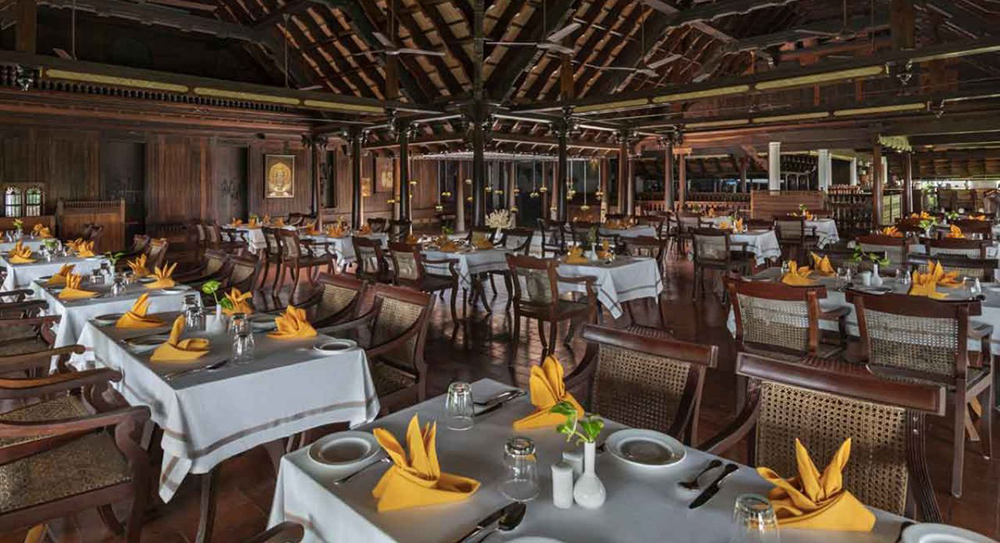
Ettukettu, the signature restaurant at Kumarakom Lake Resort, is housed in a traditional Kerala-style setting that reflects the region’s rich architectural heritage. One of the finest places to experience Kerala’s culinary traditions, it serves everything from elaborate Sadya feasts to regional seafood dishes prepared using local ingredients. The restaurant’s traditional architecture and backwater setting further enhance the sense of immersion in Kerala’s culture.
Rambagh Palace – Suvarna Mahal
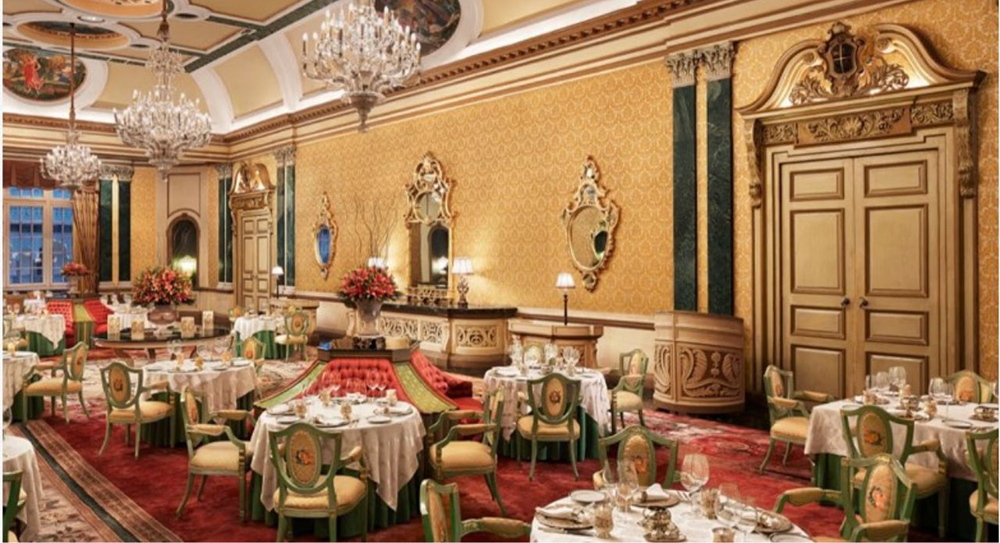
Located within Jaipur’s iconic Rambagh Palace, Suvarna Mahal offers heritage Indian cuisine accompanied by grand interiors, live classical music and old-world splendour. Once the palace’s grand ballroom, the restaurant retains its regal character through soaring crystal chandeliers, gilded ceilings and opulent décor. Dining here is as much about experiencing royal Rajasthan as it is about the food itself.
Also Read: Trust The Chef Or Savour The Season? Where To Indulge In Omakase And Kaiseki This World Sushi Day
These destinations illustrate why dining itself is becoming a reason to travel. The rise of restaurant travel experiences is closely linked to changing traveller priorities. Luxury is no longer defined solely by five-star hotels or first-class flights. Increasingly, it is measured by access, exclusivity and authenticity. A table at a renowned restaurant offers all three.