Luxury In The Unexpected: West Bengal’s Hidden Cultural Treasures
Far removed from mass tourism, the interiors of West Bengal offer depth, beauty, and authenticity that many overlook. You may not find polished perfection here, but you will find a soul
Before visiting West Bengal, I had been warned: it’s too crowded, too chaotic, too dirty. Most people painted a picture that seemed far from inviting. But, after a six-night family road trip through its hidden villages, towns, and riverside hamlets, I realised just how lopsided those impressions were. Yes, the eastern state may not be picture-perfect, but it is one of India’s most underrated and culturally rich corners. West Bengal unfolds like a story layered with contrasts. The capital city of Kolkata delights with colonial-era architecture, bustling markets and a thriving cultural scene. In the north, the snow-capped peaks and misty valleys of the eastern Himalayas give way to the rolling tea gardens of Darjeeling. Central Bengal unfolds as fertile plains crisscrossed by rivers, dotted with paddy fields and villages, while the south surprises with dense, labyrinthine mangroves of the Sundarbans.
Above all, it’s the people. There’s a simplicity in their way of life, yet a deep appreciation for poetry, classical music, storytelling, good food, and meaningful conversation. This cultural richness shapes your experience
The Road Less Taken: Mapping Interior Bengal
Kolkata To Godkhali (90 km / 2 hr 40 min)
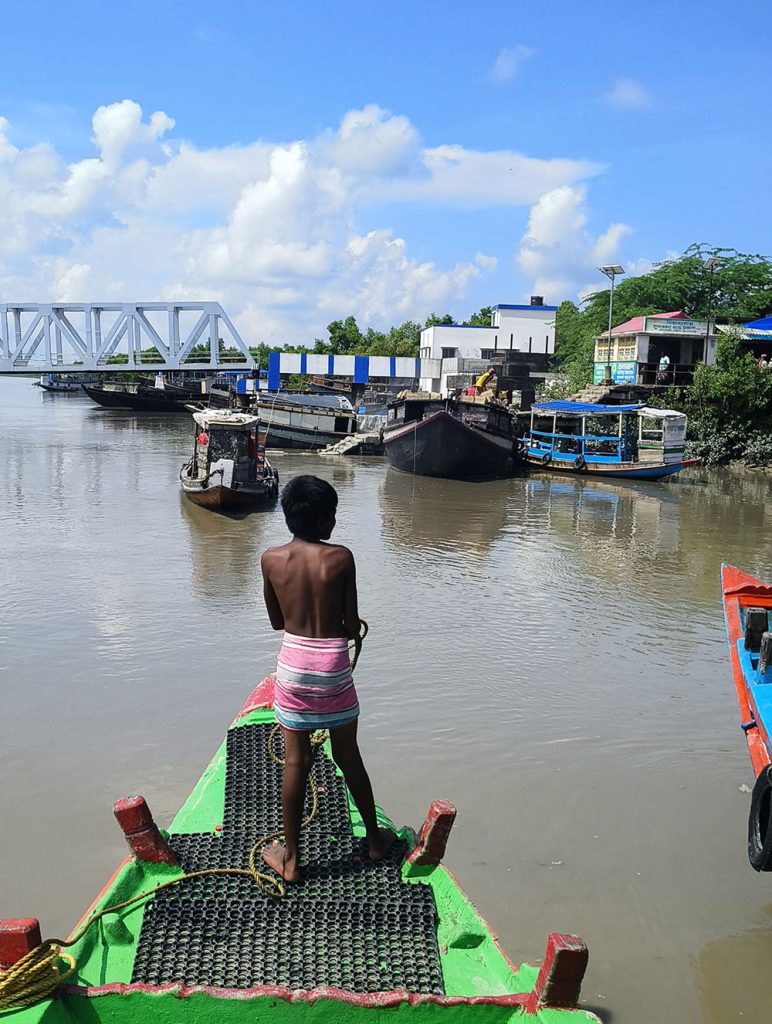
Our road journey through Bengal unfolded at an unhurried pace, guided by a quiet desire to uncover the state’s authentic heart. We left the hum of Kolkata behind, winding our way southwards. After a drive of about 110 km, we arrived at Godkhali Jetty, the last motorable point, and boarded a traditional wooden boat to Gosaba.
Also Read: Going Beyond The Greek Island’s Glam Quotient
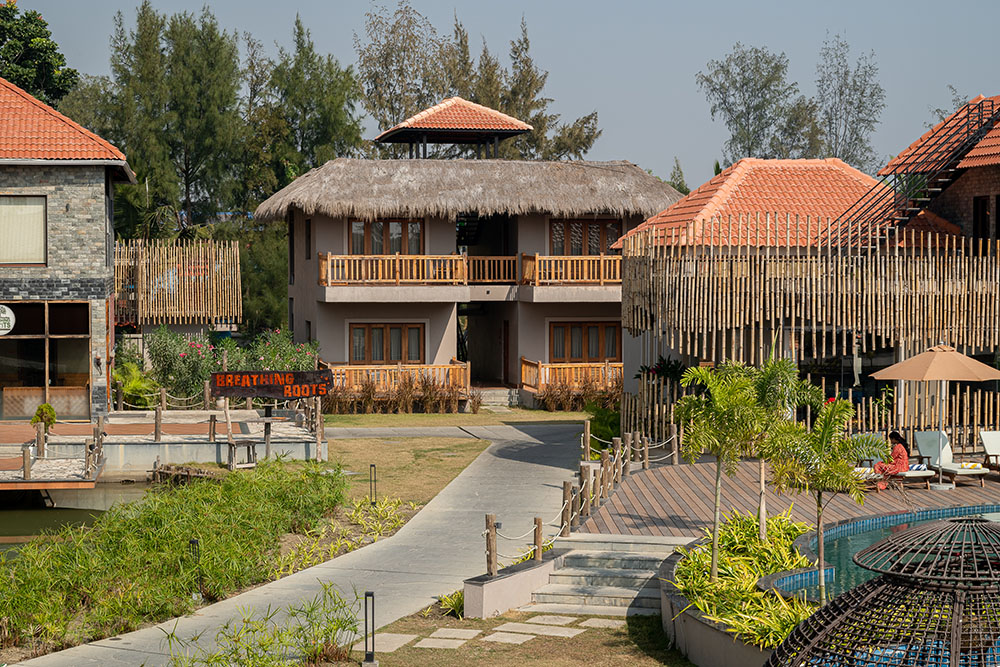
A short e-rickshaw ride brought us to our resort, Hotel Sonar Bangla Sundarbans, in Dulki village, set amidst mangrove forests. Spread across nine acres, the resort sits close to the magnificent mangrove forests, its architecture inspired by traditional thatched-roof homes of the region. The design feels organic—rooted in place—while offering all the creature comforts one hopes for after a day of exploration.
Into the Sundarbans: Wilderness, Culture, And Bucolic Bliss
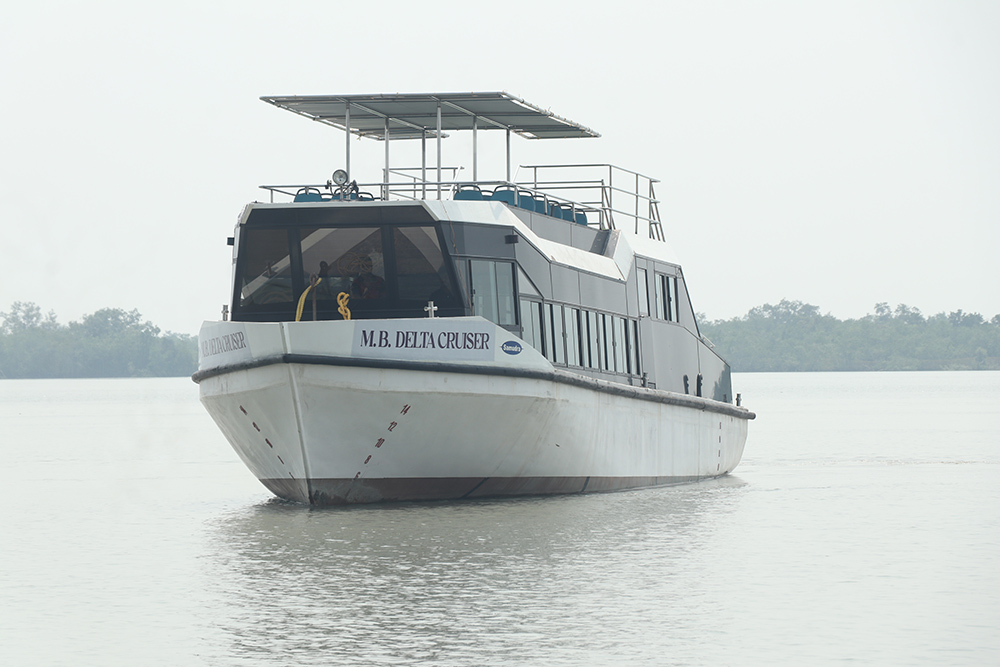
A slow boat safari through the Sundarbans is indispensable – gliding through the tidal creeks is the only way to grasp the scale and mystery of this mangrove wilderness. As our boat drifted through narrow, winding creeks flanked by dense mangroves, it felt as though we were entering a living labyrinth shaped by tides and time. Our first stop was the Sajnekhali Tiger Project complex, where we climbed the watchtower for sweeping views of the forest canopy and waterways below. From there, the journey continued through the Sarakkhali canal and around the Pirkhali islands, where mangrove roots rose from the water like natural sculptures. Wildlife encounters unfolded subtly: crocodiles basking along the banks and turtles slipping into the water.
Also Read: A Weekend Getaway To The Luxurious Rayavadee In Krabi, Thailand
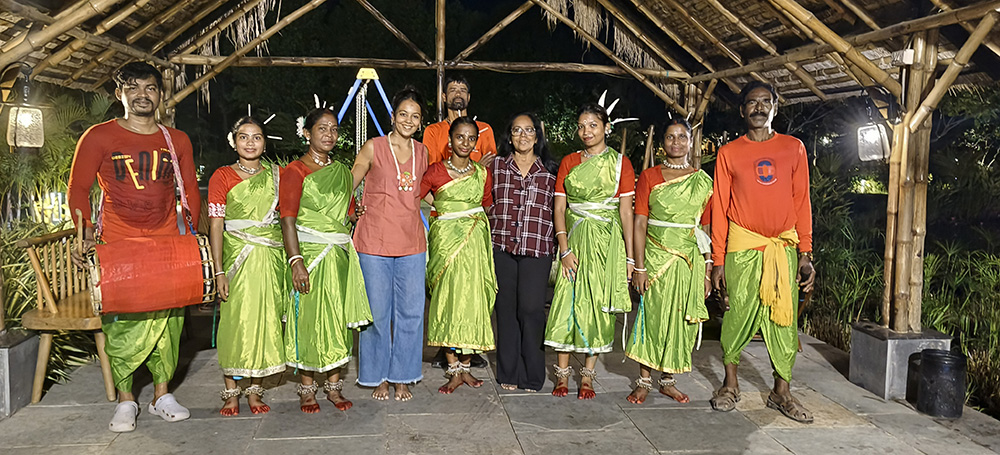
As night fell, the cultural heart of the Sundarbans came alive through a Jhumur dance performance at the property. Performed by members of the Munda community, the energetic folk dance is deeply connected to the harvest season and tribal traditions of the region. It was impossible not join in and learn a few moves.
Godkhali To Joypur Forest, Bishnupur (190 km / 5 to 6 hrs)
After returning from our Sundarbans adventure at Godkhali jetty, we began the long but scenic drive toward Bishnupur, roughly 240 kilometres and about six to seven hours by road, which felt like a gradual shift in landscapes. Mangroves gave way to highways, highways to open countryside, and by the time we reached Bankura district, the air itself seemed calmer, dusted with the promise of forest silence.
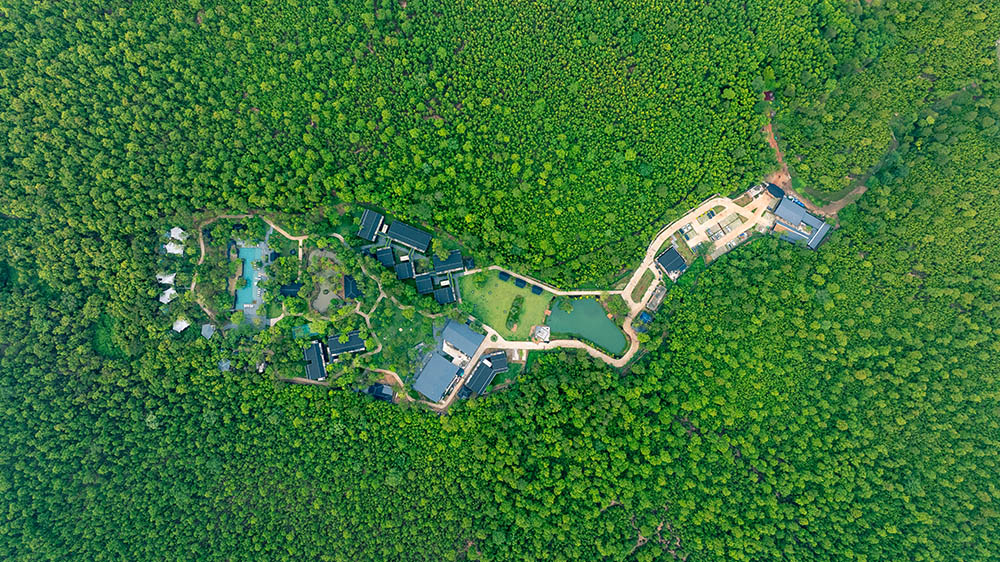
Our destination was Joypur Forest, West Bengal’s lesser-known and quietest forest reserve, dense with sal, palash, mahua, and neem trees, and home to deer, elephants, and a wide variety of birds. Checking into Hotel Sonar Bangla Joypur Forest felt like arriving at an oasis of calm—a gentle pause wrapped in nature. The 80-room resort sits within the forest landscape, designed to preserve as much of the natural terrain as possible.
Terracotta And Textiles In Bishnupur And Panchmura
Named after Lord Vishnu, Bishnupur, just a short drive from Joypur Forest, carries a sense of quiet grandeur. Known for its terracotta temples and Baluchari sarees, the town reflects a glorious past shaped under the patronage of the Malla dynasty between the 17th and early 18th centuries.
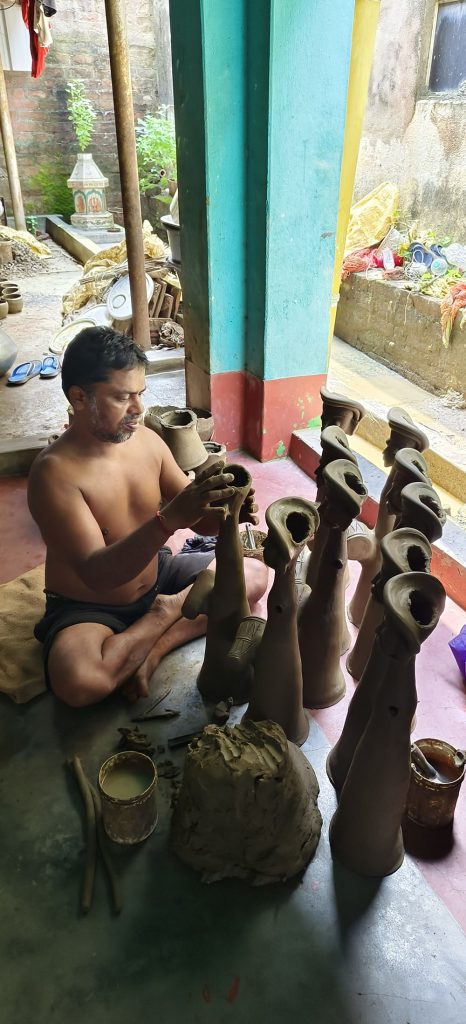
Before exploring the temples, we spent an enriching morning in Panchmura village, about an hour from Bishnupur and the heartland of Bengal’s terracotta tradition. Home to nearly 270 artisan families, Panchmura is best known for its iconic long-necked terracotta horses—symbols of folk belief and ritual from Bengal. The village’s terracotta tradition remains entirely handcrafted and sustainable. Locally sourced clay gives the pieces their natural, earthy tones. Larger figures are created in sections on the potter’s wheel, with legs, necks, and faces shaped separately and later assembled. After careful drying, the pieces are fired in traditional kilns using dry eucalyptus leaves, lending them warmth, strength, and character. Most artisans bear the surname Kumbhakar, meaning potter, a reminder of how inseparable the craft is from life here.
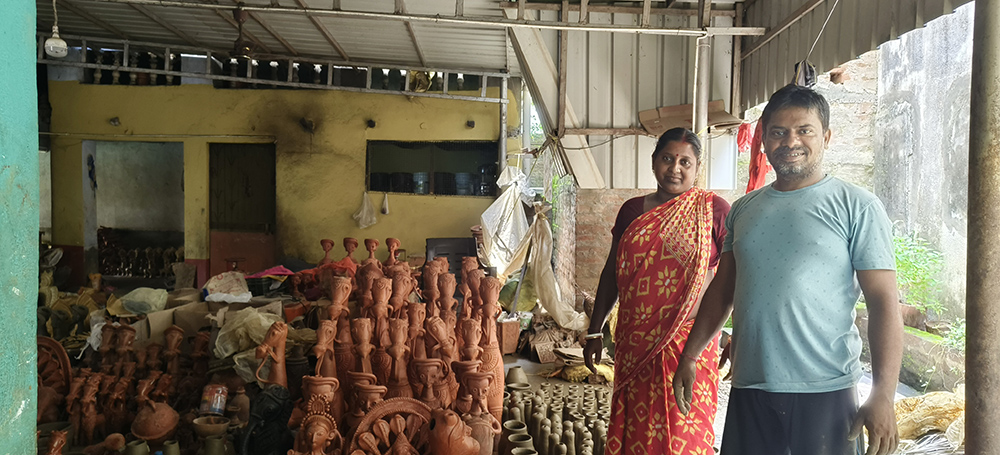
Walking through the narrow lanes, we visited homes where open courtyards doubled as workshops. Watching clay being kneaded and shaped with such focus and patience was humbling. The variety was astounding—terracotta jewellery, wedding clay menus, decorative artefacts, photo frames, wall panels, and monumental horses—each household expressing a distinct style. As artisan numbers slowly decline, preserving this art form feels more urgent than ever.
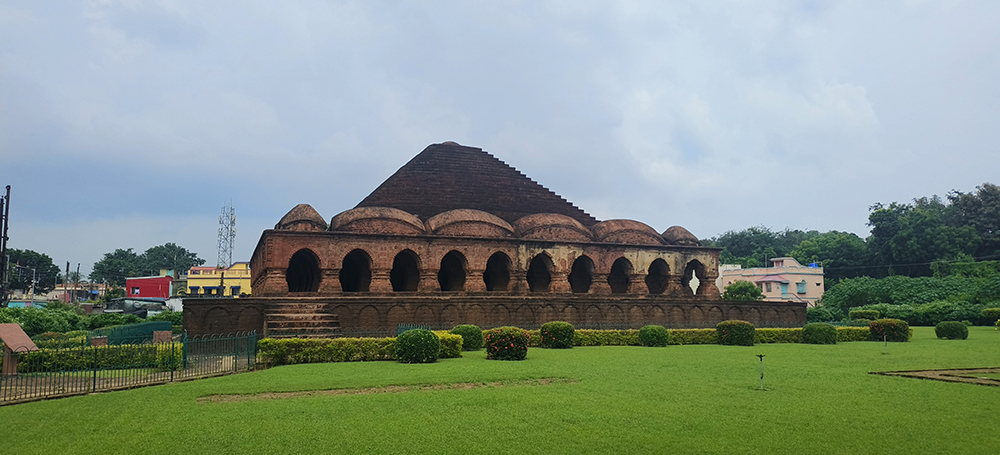
By the time we left Panchmura, a soft drizzle had begun, turning the landscape misty. It only heightened the allure as we approached Bishnupur’s terracotta temples. Once the capital of the Malla kings, the town flourished as a centre of art, music, and architecture, and its temples stand as enduring testaments to that era. We explored landmarks such as the Shyam Ray Temple (1643), the iconic Jor Bangla Temple, and the Rasmancha, Bishnupur’s oldest structure, built in 1600 by King Bir Hambir. Their terracotta panels tell epic stories—from the Ramayana and Mahabharata to episodes from Krishna’s life—turning temple walls into intricate narrative tapestries.
Beyond temples, Bishnupur’s textile legacy is equally compelling. We visited a Baluchari saree workshop, watching artisans work patiently at handlooms, weaving silk sarees adorned with royal and mythological motifs. Seeing the skill and time behind each piece deepened my appreciation—and buying directly from the workshop felt like carrying a piece of living heritage home.
Bishnupur To Mayapur (173 km / 5 hrs)
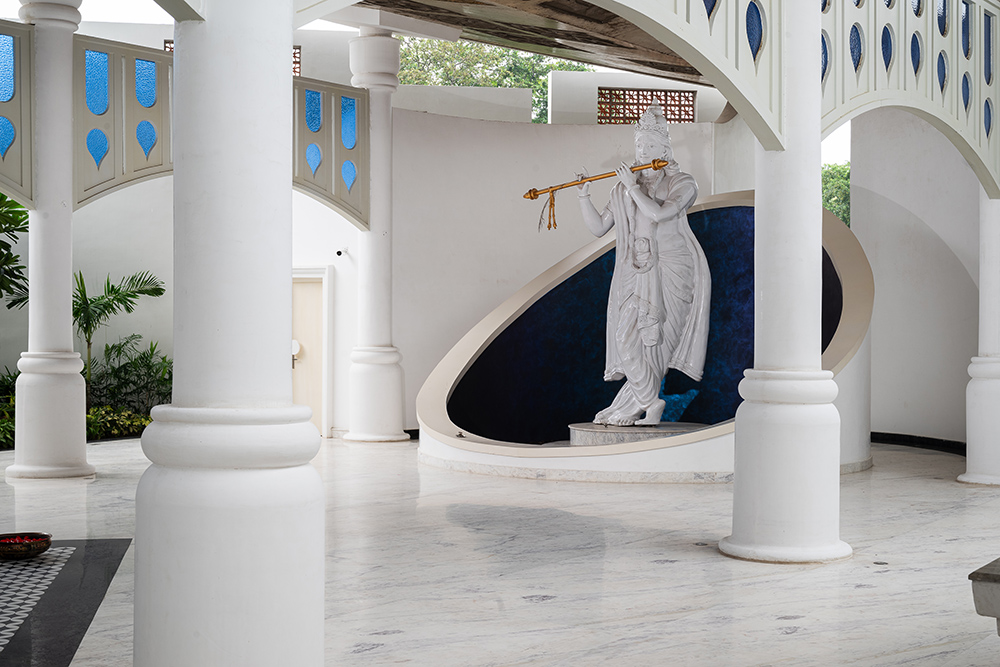
After days steeped in forests and heritage, it felt natural to turn inward. From Bishnupur, we set out for Mayapur—a little over five hours by road. The landscape softened as we moved through Burdwan district, West Bengal’s largest rice-producing belt. Here, our home, Hotel Sonar Bangla Mayapur, boasts interiors that feel devotional yet quietly luxurious. The heart of the property—its reception and central space—is clad in white marble, evoking a modern sanctum rather than a hotel lobby. At its centre stands Lord Krishna, sculpted in pristine marble, captured mid-movement as he plays the flute. Set within a curved alcove of deep blue, the figure feels almost celestial, as if emerging from the cosmos.
Savouring Spirituality And Tradition In Sacred Mayapur
We met our guide to explore Mayapur, one of India’s most revered centres of Radha–Krishna devotion. Set along the banks of the Bhagirathi (Hooghly) River, the town draws seekers from around the world, drawn by the spiritual legacy of Sri Chaitanya Mahaprabhu, the 16th-century saint who popularised the chanting of the Hare Krishna mantra. Here, devotion is not confined to temples—it spills into streets, songs, and daily life.
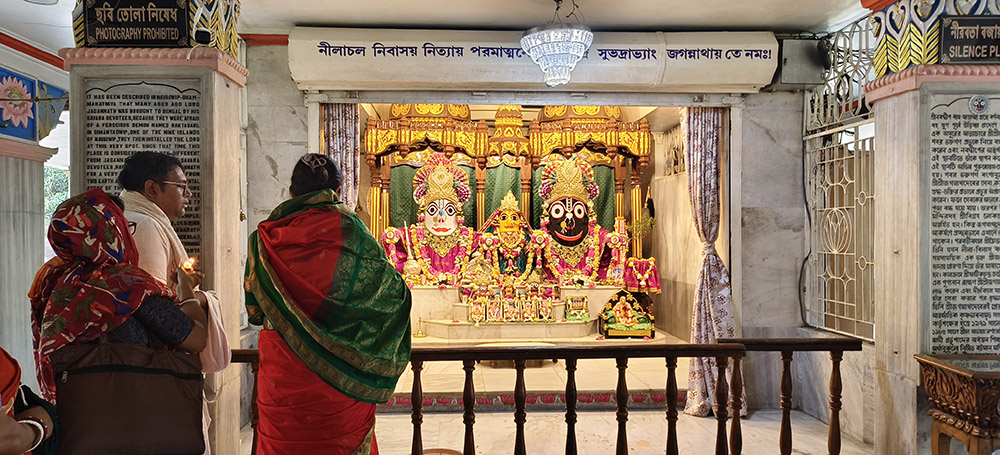
We began at the Jagannath Temple, built in traditional Bengali style and dedicated to Lord Jagannath and Subhadra. Its calm atmosphere and understated architecture make it a natural gathering point for worship and kirtan. Nearby, Sri Chaitanya Math stands as a living tribute to Mahaprabhu’s life and teachings—a space where philosophy, music, and community devotion continue uninterrupted.
Nothing, however, prepares you for the scale and presence of the ISKCON Mayapur complex, home to the Temple of the Vedic Planetarium (TOVP). Poised to become the world’s largest Hindu temple, the structure blends Eastern and Western architectural influences. More than a monument, it serves as the global heart of the Krishna Consciousness movement.
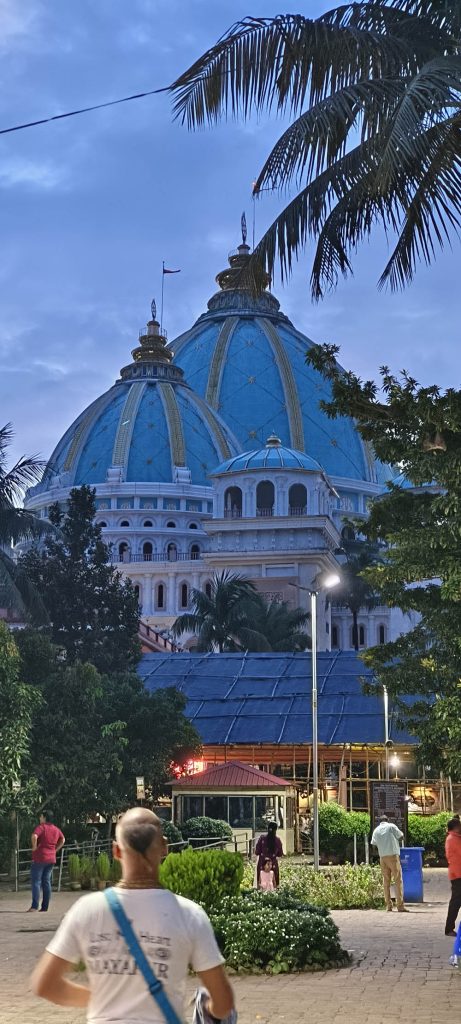
We arrived just in time for the evening aarti. As chants rose, bells rang, and incense curled into the air, the atmosphere shifted—thick with devotion, yet deeply calming.
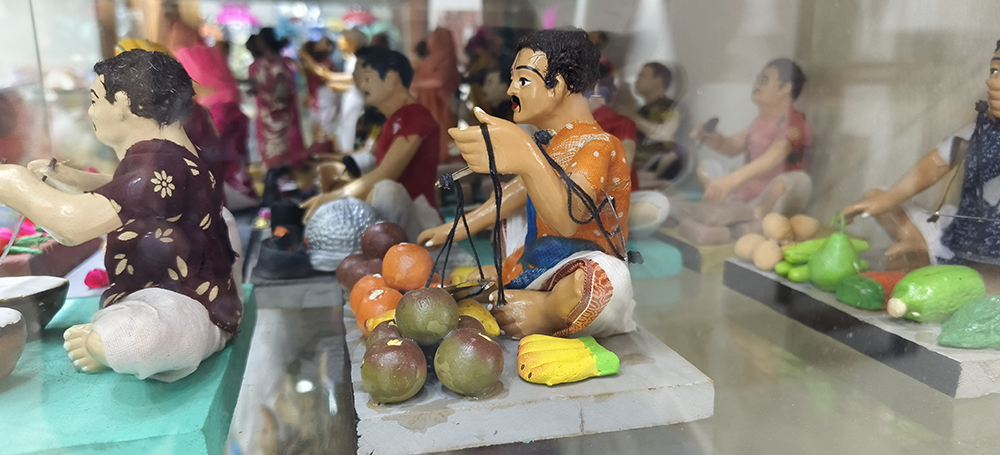
The following day took us to Krishnanagar, known for its Ghurni neighbourhood, where artisans have been crafting clay dolls and miniature figures for over two centuries. Watching these finely detailed forms take shape was a reminder that devotion in Bengal often finds expression through art. We also glimpsed the town’s historic Rajbari and made a necessary stop at Adhar Chandra Das, where legendary Bengali sweets like Sarpuria and Sarbhaja are made from layers of thickened milk cream (sar), milk solids (khoya), and paneer (chhena). Sarbhaja is deep-fried to a golden brown, while Sarpuria is typically baked or cooked without frying.
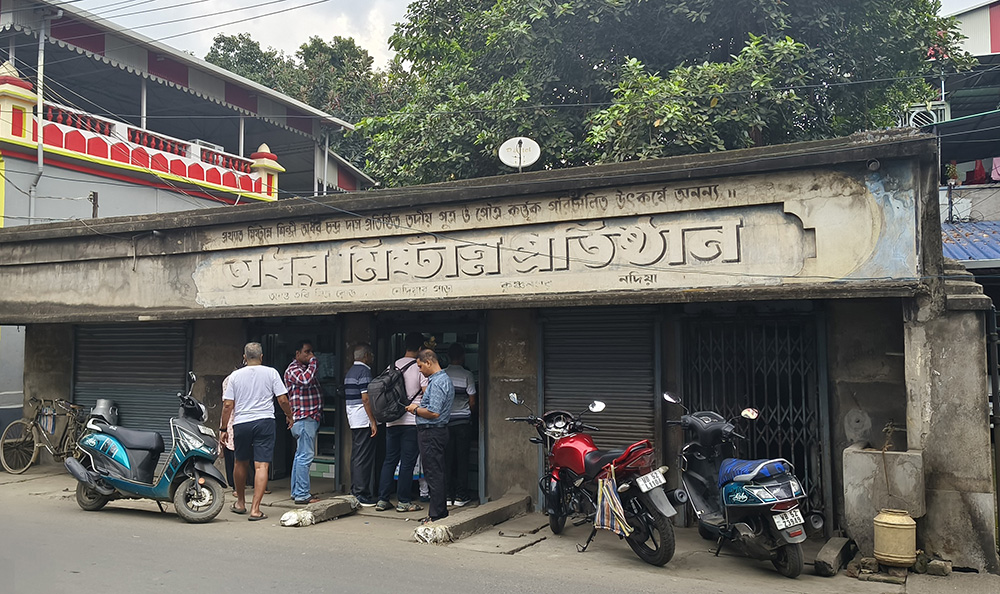
Our journey came full circle with an evening boat ride from Mayapur to Nabadwip, crossing the confluence of the Bhagirathi and Jalangi rivers. These ferries, still a lifeline for locals, offered a gentle window into riverside life as the sun dipped low. In Nabadwip, we wandered along the ghats and ended the day with mishti doi served in earthen pots from one of the town’s oldest sweet shops—a simple pleasure that felt perfectly earned.
Where To Stay In Bengal
Sonar Bangla Sundarban – Inspired by Sundarban homes, the resort serves culture, cuisine, boat safaris, nature walks, and a slice of village life. Tariffs start at ₹7,500 for two
Sonar Bangla Joypur Forest (near Bishnupur) – This 80-room retreat is immersed in nature, offering unique stay options ranging from tents to treehouses. Tariffs start at ₹6,000 for two.
Sonar Bangla Mayapur – Luxury with spiritual aesthetics and a 19,000 sq ft swimming pool. Starting at ₹7,000 for two.
(All Prices include breakfast)