Why Soneva Jani Just Made Maldives History With This Rare Conservation Status
Soneva Jani becomes the Maldives’ first resort to achieve OECM status, recognising its conservation of reef, beach and mangrove ecosystems
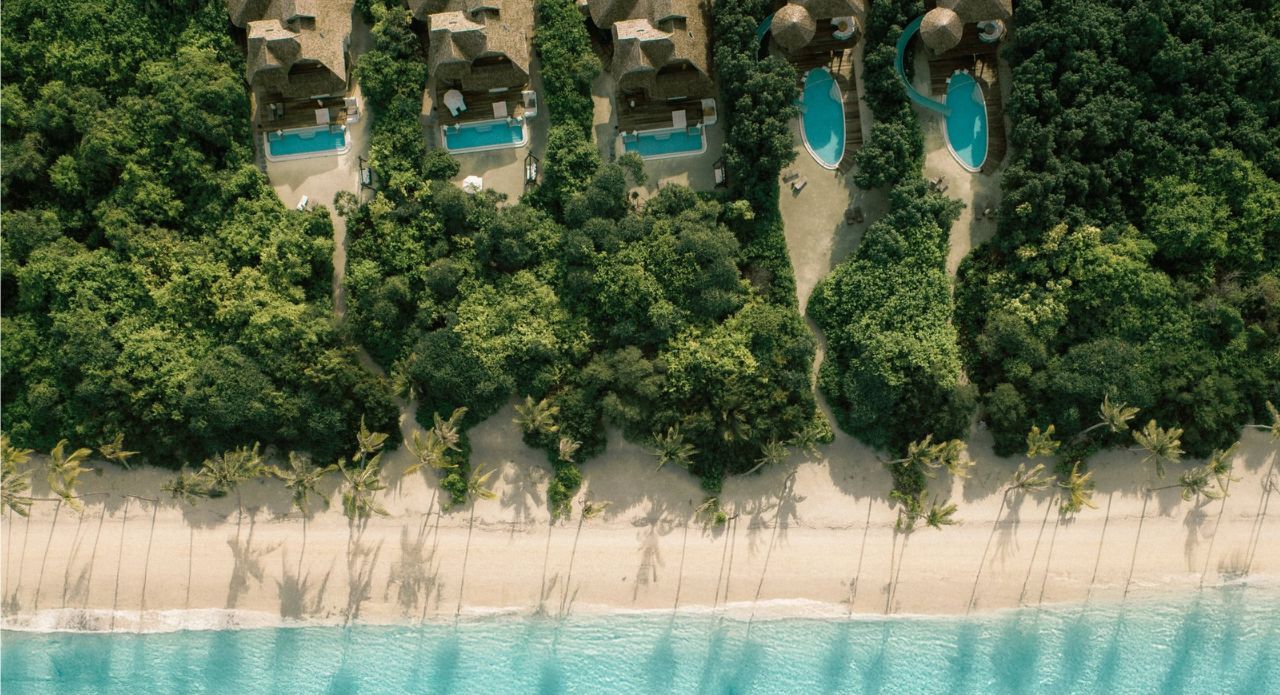
Soneva Jani is a destination where luxury is measured in the view from a villa, the privacy of an island or the precision of service. Located on the eastern side of Medhufaru island in the Maldives, reef, beach and mangrove habitats have now earned a distinction that places conservation at the centre of the resort’s story.
The Maldives’ Ministry of Climate Change, Environment and Energy has formally recognised Soneva Jani as an Other Effective Area-Based Conservation Measure (OECM), making it the first resort in the country to receive the designation. The recognition arrives at a time when luxury travel is increasingly being shaped by experiences rooted in nature, purpose and a deeper relationship with the destination rather than conventional displays of indulgence.
What’s the OECM Milestone
The OECM designation covers 0.41 square kilometres of Medhufaru island, encompassing reef, beach and mangrove ecosystems. Unlike formally designated protected areas, OECMs are areas outside such zones that are governed and managed in ways that deliver sustained, long-term biodiversity conservation.
The conservation status recognises areas where biodiversity is effectively conserved even without formal protected-area designation. It places long-term ecological outcomes at the heart of how the landscape is managed and monitored.
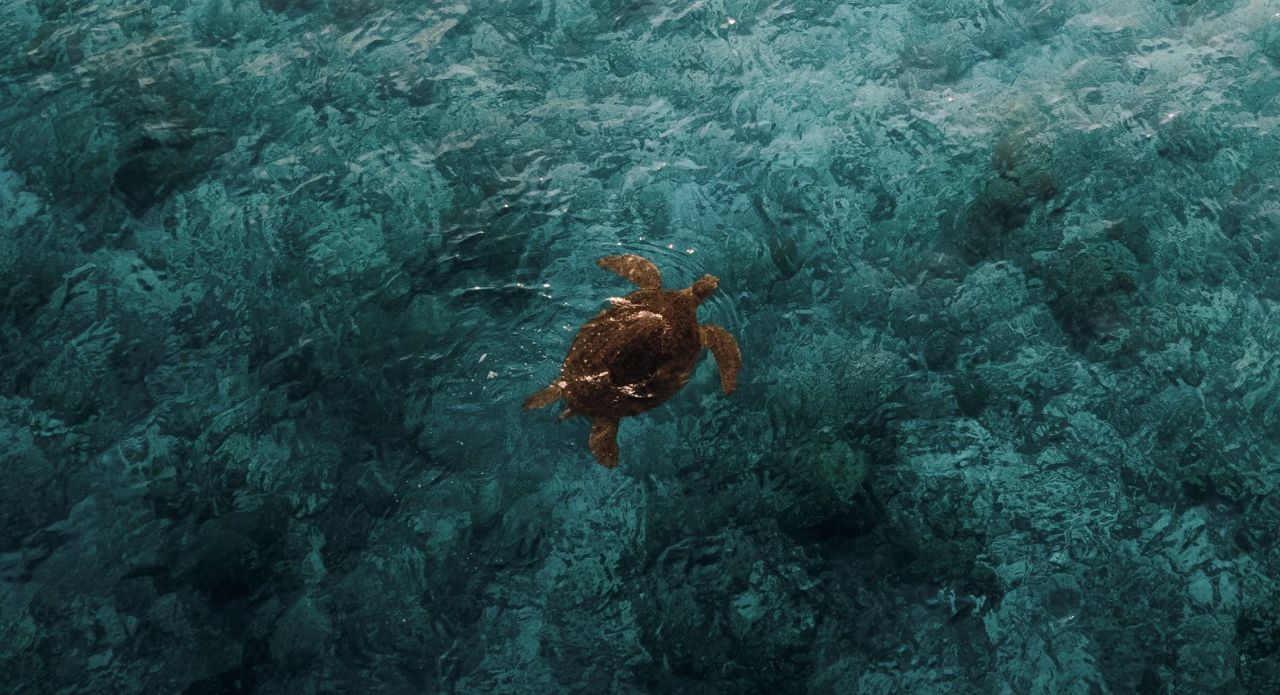
The recognition follows a year of ecological surveys, monitoring, mapping and documentation led by Soneva Conservation & Sustainability Maldives, with support from the Waitt Foundation and operational collaboration from the Soneva Jani team. The area supports a range of threatened marine, avian and botanical species and is an important nesting site for critically endangered Hawksbill turtles and Green turtles.
Also Read: Honeymoon Escapes: 10 Luxury Retreats For Your Happily Ever After
The mangroves and wetlands also perform functions that extend well beyond biodiversity. They help protect the shoreline, store carbon, regulate water and maintain habitat connectivity, giving the conservation area significance for both the local ecosystem and wider climate resilience.
A Resort Built Around Nature
For Soneva, the designation is not being presented as a one-time accolade. The OECM status will be reviewed after five years, with annual monitoring and reporting intended to demonstrate that conservation outcomes continue to be delivered.
That long-term approach reflects a broader shift in luxury hospitality, where travellers increasingly value nature, culture, wellness and meaningful experiences alongside comfort. Outlook Luxe has previously explored how experiential luxury is moving away from material excess towards journeys that create emotional connection and lasting memories.
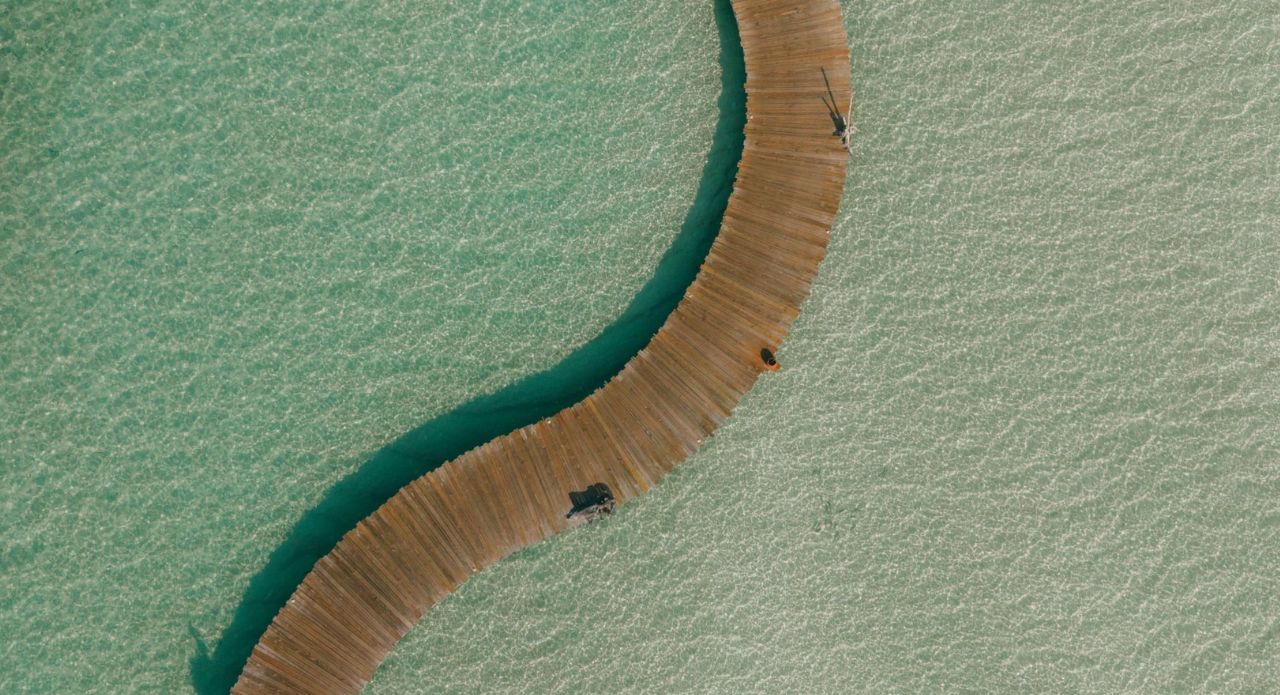
Soneva Jani’s latest recognition gives that philosophy a tangible dimension. Its overwater villas and expansive island setting may provide the visual language of a Maldivian escape, but the OECM status places the surrounding ecology firmly within the experience.
Also Read: How a 350-Year-Old Bundela Fortress Became One of the World’s Most Beautiful Hotels
Soneva, which operates three resorts in the Maldives, has long positioned environmental stewardship alongside what it describes as Barefoot and Bare Luxury hospitality. The company now has an opportunity to demonstrate how those principles can operate at scale, with measurable conservation forming part of the destination itself.
For an industry accustomed to defining luxury through exclusivity, Soneva Jani offers another possibility, where its greatest distinction may ultimately be the landscape it helps preserve.