Why the Wealthy Are Spending More on Experiences Than Ever Before
Experiential luxury is reshaping modern status symbols as affluent travellers prioritise rare, personalised journeys over material possessions
Gilded goldware adorning the dining table, sparkling jewellery gracing the neck, a glossy silk dress draped in effortless elegance.
Luxury has conventionally been measured in carats, square footage or limited-edition possessions. Despite the age-old tradition, a noticeable shift is unfolding among the world’s affluent consumers.
The status quo that was earlier defined by the number, amount and specifically, price of what one owned.
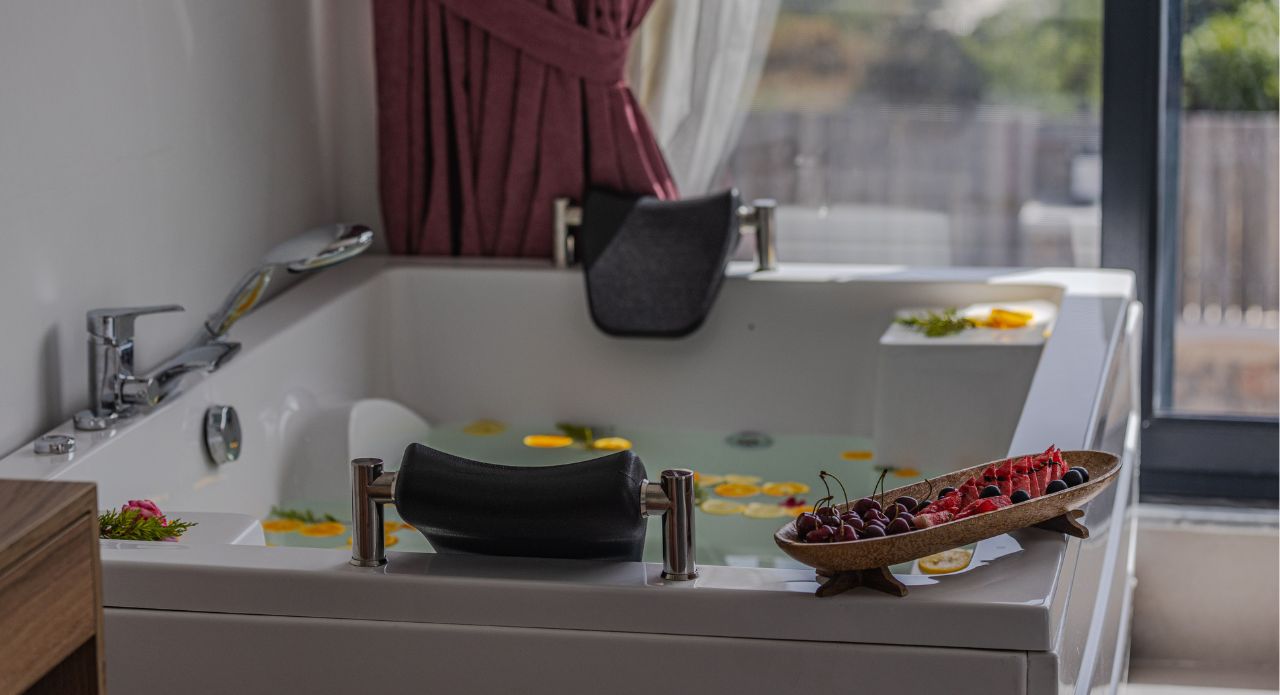
However, this perception is slowly changing as increasingly, status is no longer defined by what one owns but by what one has experienced. From private Antarctic expeditions and calming wellness retreats to immersive cultural journeys curated by local experts, luxury travel experiences are becoming the new markers of prestige.
Also Read: Experiential Travel: 5 Indian Luxury Properties Show How To Gather A Wealth Of Experiences
The change reflects a broader evolution in consumer behaviour. High-net-worth individuals are seeking meaning, exclusivity and personal enhancement over material accumulation. Social media has also played a role, transforming unique travel moments into powerful cultural currency. A photograph from a secluded Himalayan lodge or a private dinner in a centuries-old Italian vineyard often carries greater aspirational value than the recently launched branded luxury handbag.

The shift is evident in the way the world’s affluent are directing their discretionary spending. As luxury consumers become less interested in accumulating possessions and more invested in collecting meaningful moments, travel has emerged as one of the most coveted expressions of status. Virtuoso’s Luxe Report 2026 reflects this momentum, with nearly half of its advisors anticipating an increase in travel demand next year and 18% forecasting a significant rise. Spending, too, remains resilient, with most travellers expected to maintain or increase their budgets per journey. The findings point to a broader cultural shift: luxury is no longer defined solely by ownership, but by access to experiences that are rare, deeply personal and impossible to replicate.
As luxury travel trends 2026 continue to evolve, experiences are increasingly viewed as investments in memories, personal growth and storytelling. In a world where luxury goods are more accessible than ever, rarity is now found in moments that cannot be replicated, purchased off a shelf or mass-produced.
Experiential Luxury Over Material Wealth
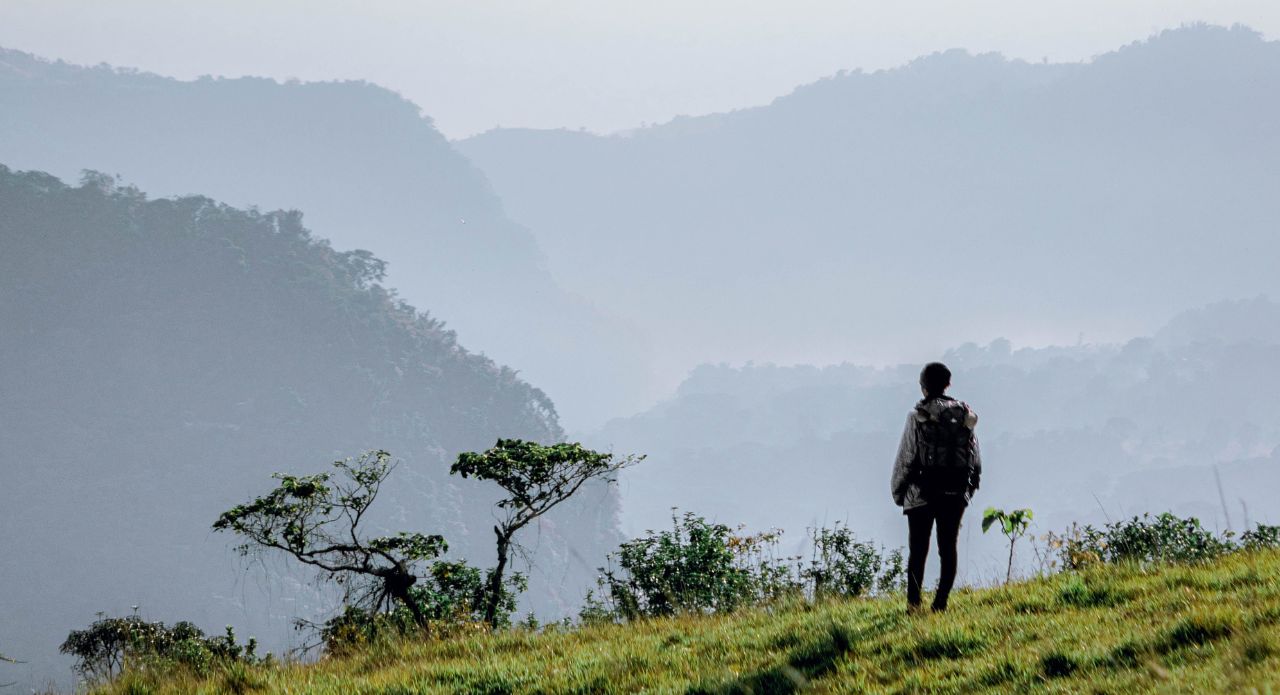
The rise of experiential luxury is rooted in a desire for authenticity and exclusivity. Affluent travellers are prioritising journeys that offer access, connection and transformation. Whether it is a private conservation safari in Africa, a culinary voyage through Japan with Michelin-starred chefs or a wellness retreat designed around personalised health data, today’s luxury tourism market is focused on creating unforgettable narratives.
Eventbrite’s 2018 research of millennials also revealed that this generation not only highly values experiences, but they are increasingly spending time and money on them: from concerts and social events to athletic pursuits, to cultural experiences and events of all kinds.
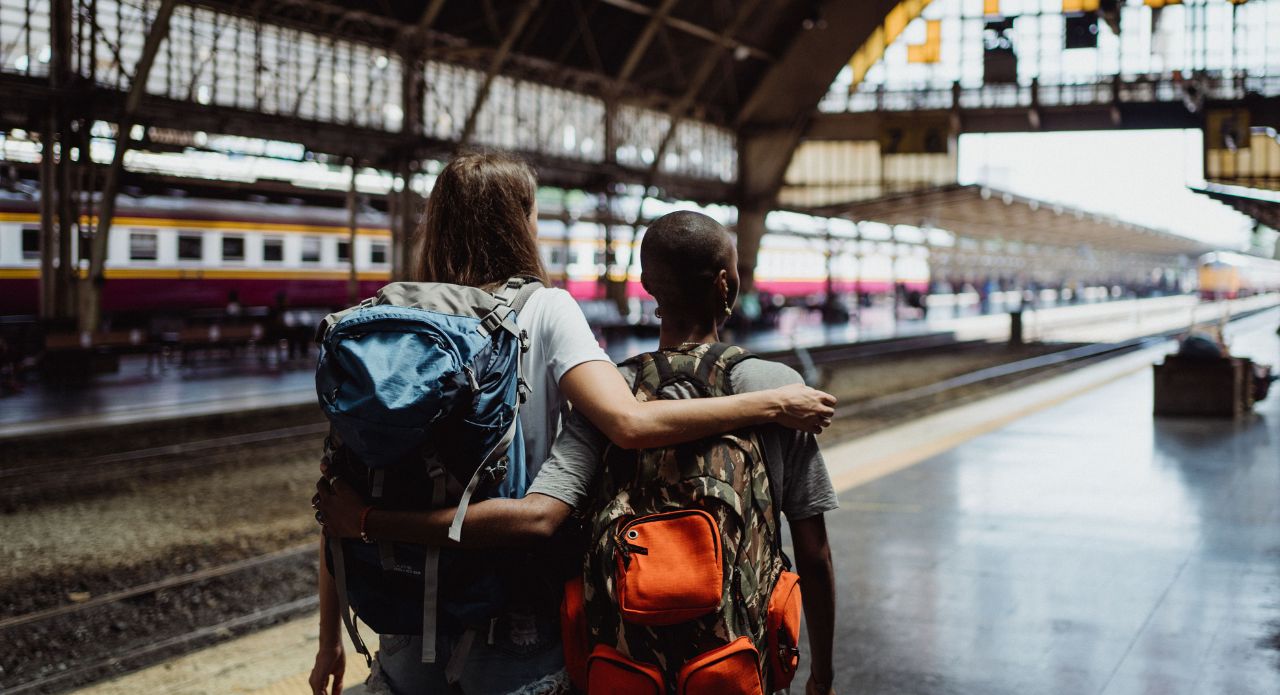
Industry experts note that younger wealthy consumers, particularly millennials and Gen Z, place greater value on experiences than possessions. They are drawn to luxury vacations that align with their interests, values and lifestyles. Sustainability, cultural immersion and wellness have become central pillars of high-end travel planning.
Also Read: Experience Is The New Currency: What Virtuoso Data Tells Us About Luxury Travel In 2025
The appeal lies not only in exclusivity but also in the emotional resonance these experiences create. Unlike material goods, meaningful journeys often appreciate in personal value over time. This shift has fuelled some of the biggest experiential luxury travel trends globally, prompting luxury hospitality brands, tour operators and destinations to create increasingly bespoke offerings for discerning travellers.