

Modern life comes with an “always-on” urgency culture. It expects you to be productive at all times, hustle through, stay digitally connected always and keep absorbing the information overload. And if you’re not doing something with your time in hand, you face the fear of missing out (FOMO) or worse, existential crises.
Today’s travellers desire stories; they want to trek to that secret hilltop which hosts sunset high tea, stretch for sunrise yoga in a palace courtyard, hear ghost tales at a village walk, relax in a luxurious Maharani-style spa ritual, interact with ingenious tribal communities, or perhaps watch the Milky Way from a mountain retreat’s terrace! Profiling five such experiential stories that are gripping the world of luxury hospitality in India.
SUJÁN Jawai, Rajasthan
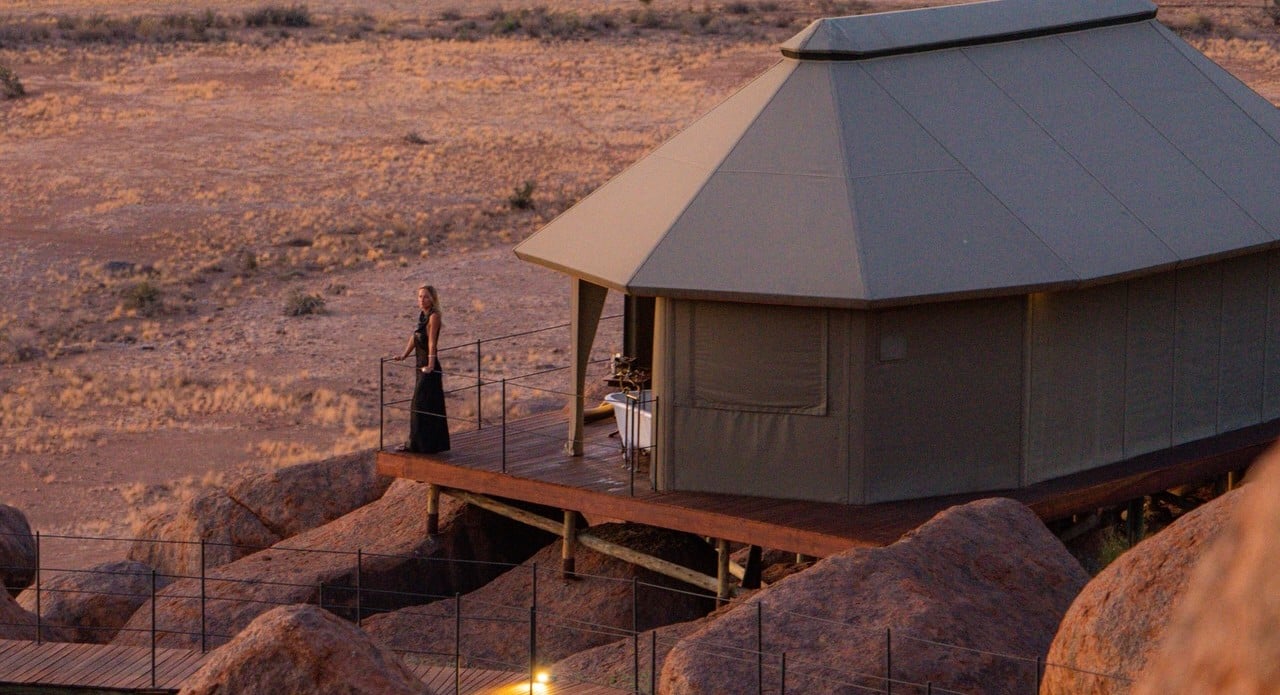
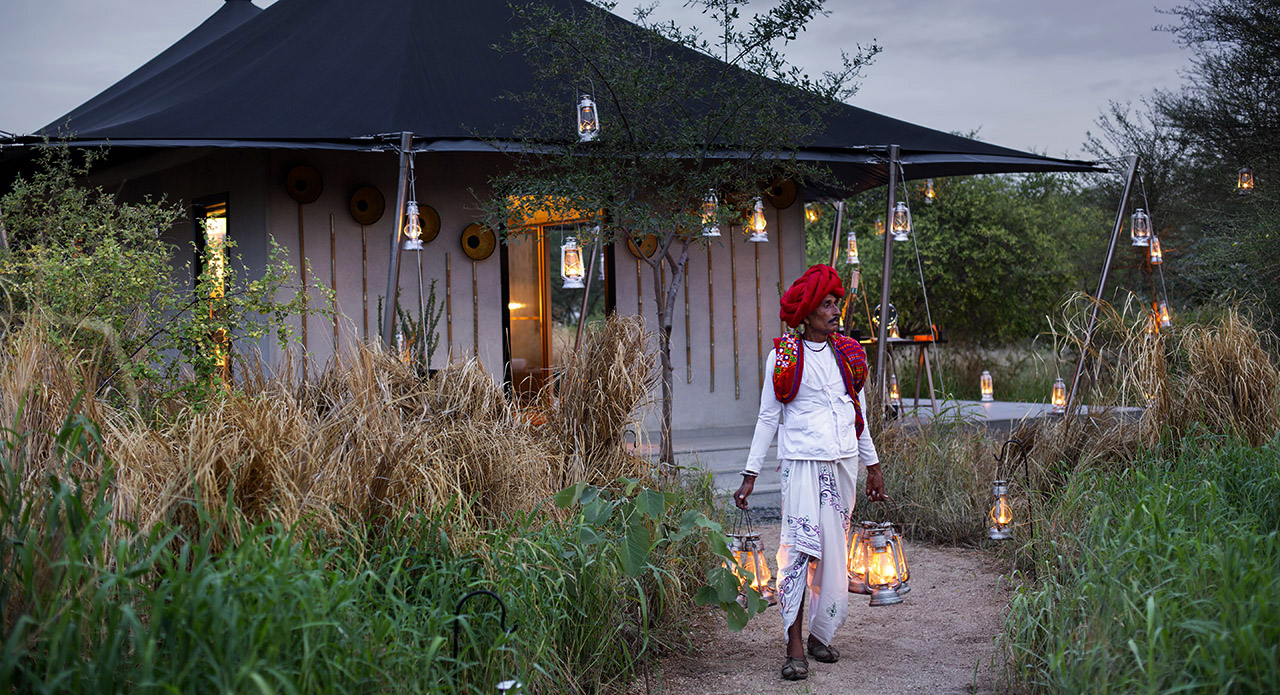
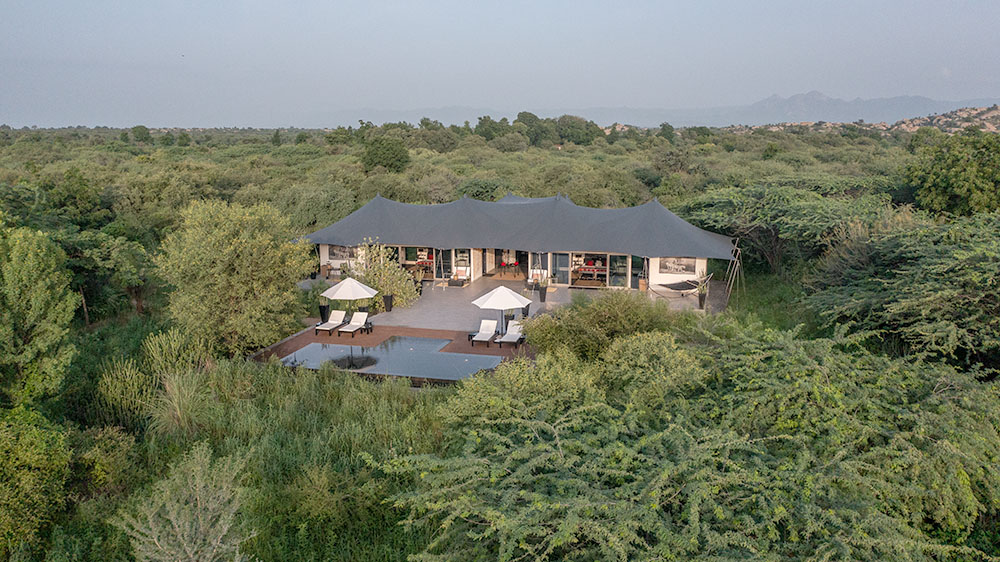
In 2013, entrepreneur couple and owners of hospitality group SUJÁN, Anjali and Jaisal Singh, opened a luxury camping experience in the Great Thar Desert, SUJÁN Jawai. Enclosed by the Pali district’s rural landscape, framed by the picturesque Aravallis and dotted with granite rocks, the site is truly a call to the wilderness. But before pitching the tented camp, the couple started a rewilding project which has helped to preserve wild habitats for leopards, 30 mammals, 272 avian species and 70 species of flora, making the tent stay an example of responsible tourism.
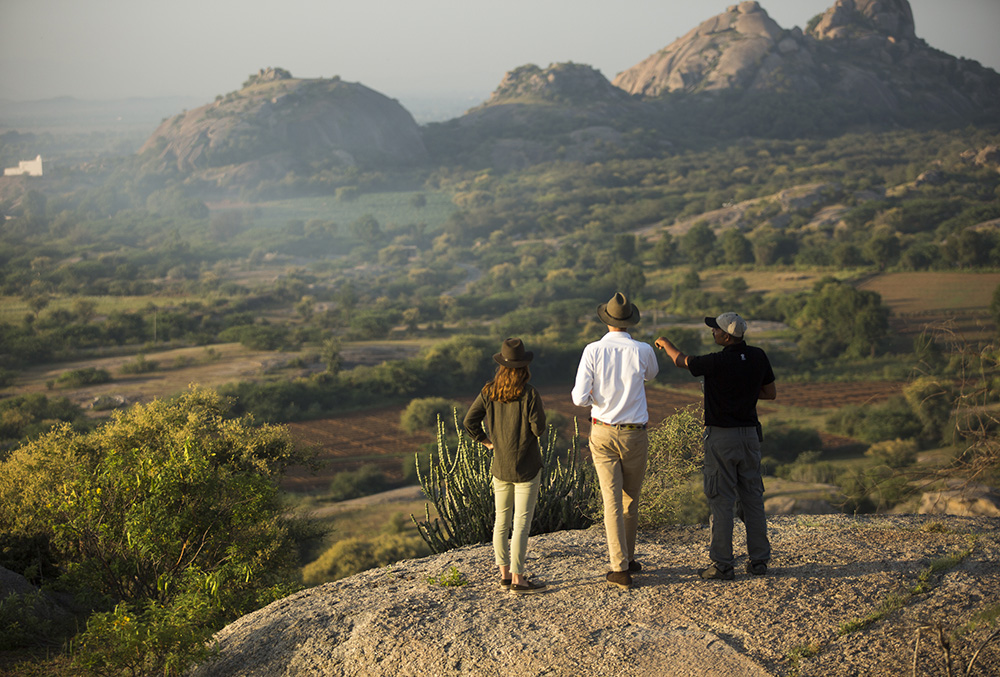
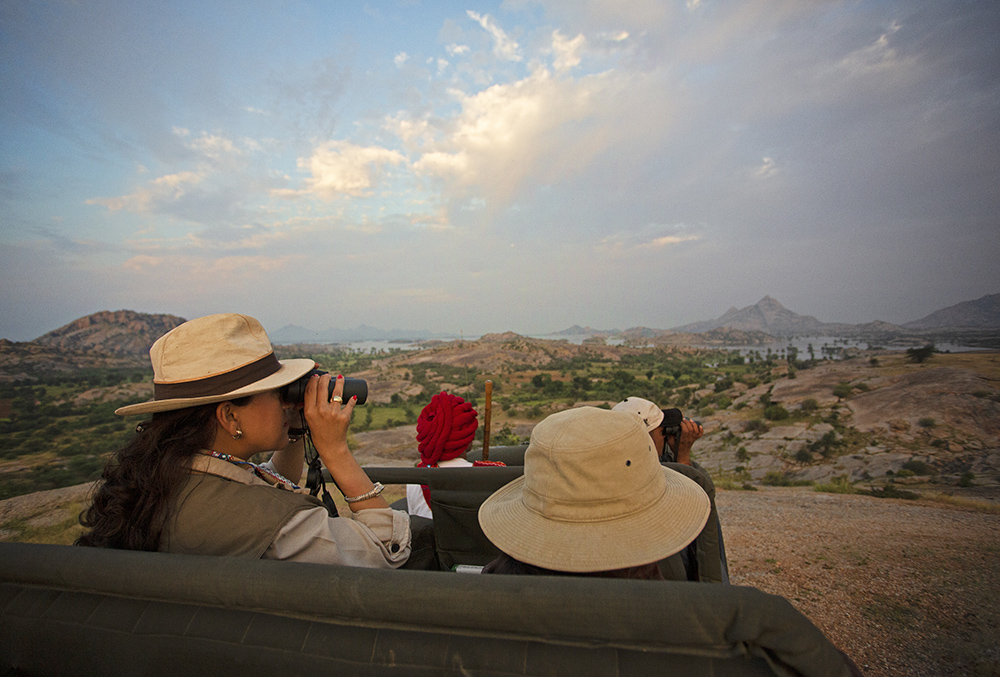
Over the years, SUJÁN Jawai has been widely acclaimed as one of the world’s most unique wilderness destinations. And why not when visitors can go for daily wilderness drives with professional guides, stand a chance to see leopards roaming wild and free, do cycling excursions or hop on for a walking safari with the region’s Rabari tribe.
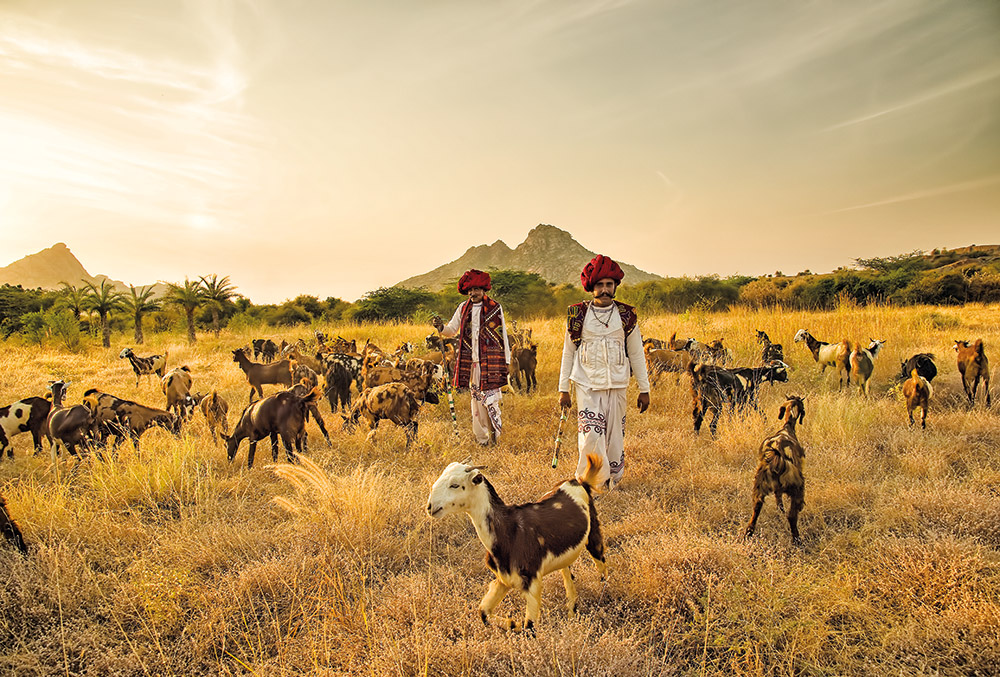
“You can meet some of the distinct village personalities, visit a traditional home, explore the village trade and gain insights into a rural Rajasthan village society,” says Jaisal Singh on the host of trails that facilitate community interactions. More advanced hikes and guided walks are also arranged across riverbeds, grasslands and high vantage points, revealing the incredible rugged beauty of Jawai.
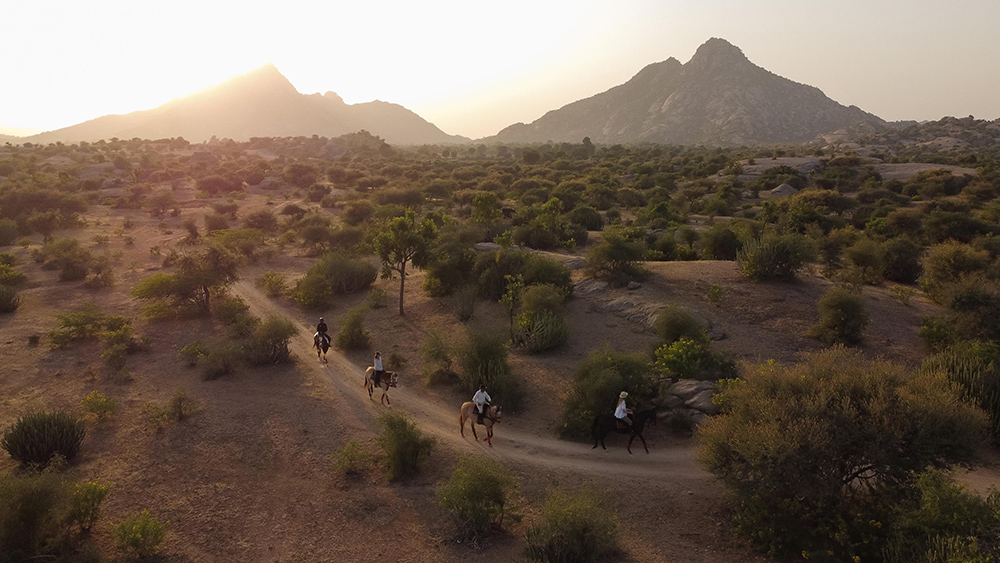
The Jawai region attracts migratory birds in the winter, making birdwatching a must-do. “Each season, we usually also welcome the Greylag goose, Bar-headed goose, Saras cranes, Northern pintail, Pied avocet, Small pratincole, Eurasian wryneck, Short-toed snake eagle, and the Greater and Lesser Flamingos, amongst others. At SUJÁN Jawai, one can enjoy many hours with these fascinating species,” Jaisal adds.
For those who wish to stay indoors, enjoy breakfast by the lake, a bush lunch or an open sky intimate dinner beside a fire. “Today, luxury in our country is starting to feel far more nuanced. It is about access, authenticity, and intimacy. Travellers are slowly starting to evolve, choosing to stay in places that have a strong sense of purpose, that are rooted in the land and its people,” says Jaisal.
The Belgadia Palace, Odisha
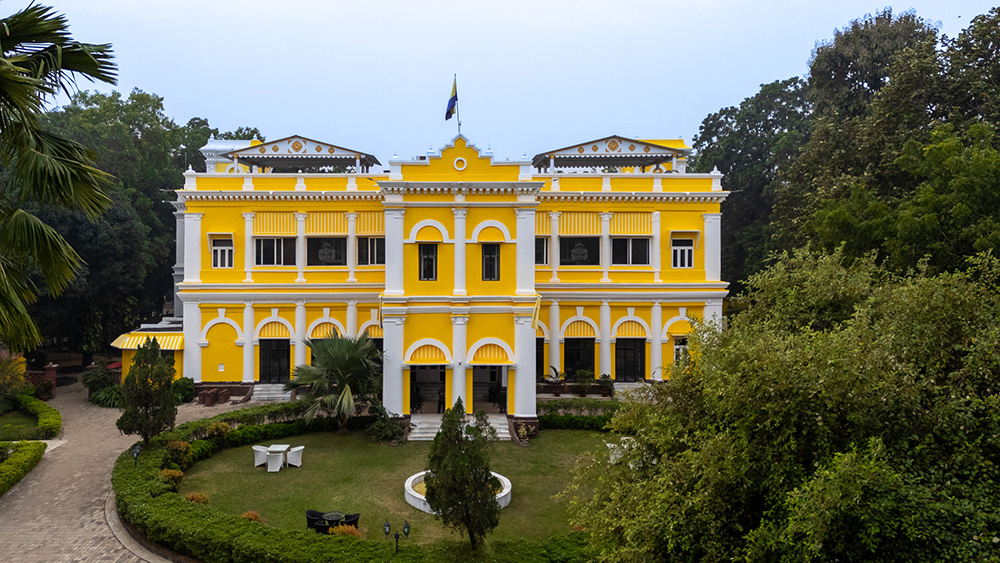
Nestled in the heritage town of Baripada in Odisha’s Mayurbhanj district, the Belgadia Palace stands as a bridge between heritage and lived experience. As the royal residence of the 48th generation of the Bhanj Dynasty, Princesses Mrinalika and Akshita Manjari Bhanj Deo, the palace travels in memory as an opulent countryside stay.
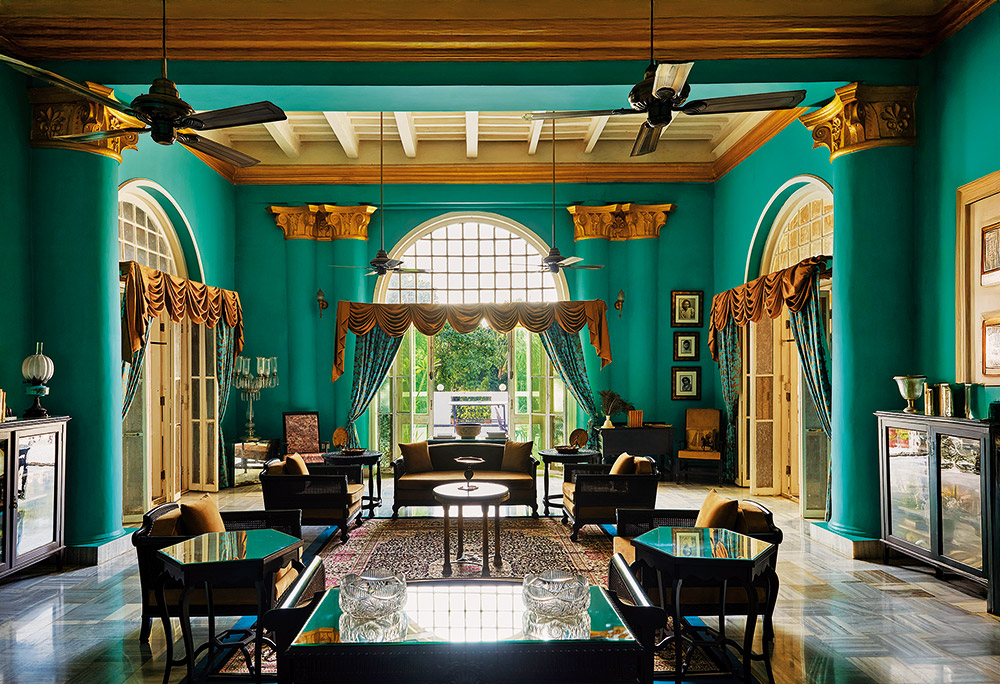
Check into an 11-room boutique hotel, which stands as a fine example of Victorian neoclassical architecture. “The palace’s architectural language draws strongly from European classical traditions, most notably through its use of Corinthian columns, arcaded verandahs, and proportion-driven façades,” tells Princess Mrinalika.
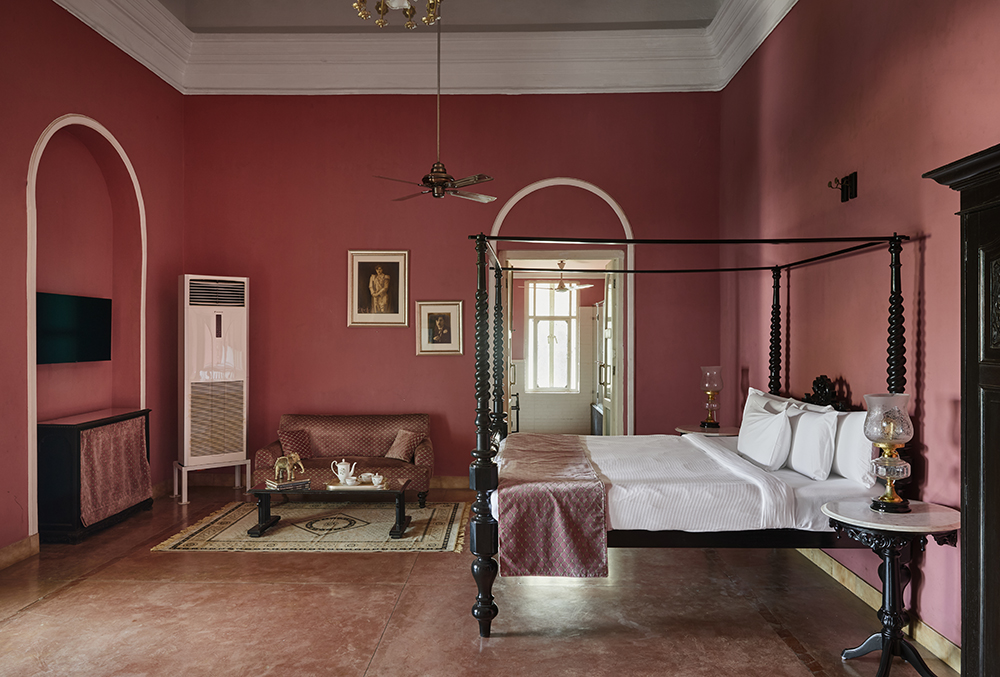
Inside, grand entrances, formal salons, long corridors, and high-ceilinged rooms are adorned with portraits and photographs of royal durbars, forest expeditions, and ceremonial occasions in Mayurbhanj, documenting nearly two centuries of the Bhanj dynasty’s public and private life. “The palace also houses original colonial-era furniture, including teakwood four-poster beds, writing desks, and dining tables crafted by Indian artisans for royal use in the late 19th and early 20th centuries. Many of these pieces remain functional today, reinforcing the palace’s lived-in character,” adds Princess Mrinalika. The interiors are further elevated with hand-cut Belgian chandeliers, vintage crockery and silverware used during formal dinners, heirloom trunks used during royal travels, and ceremonial objects.
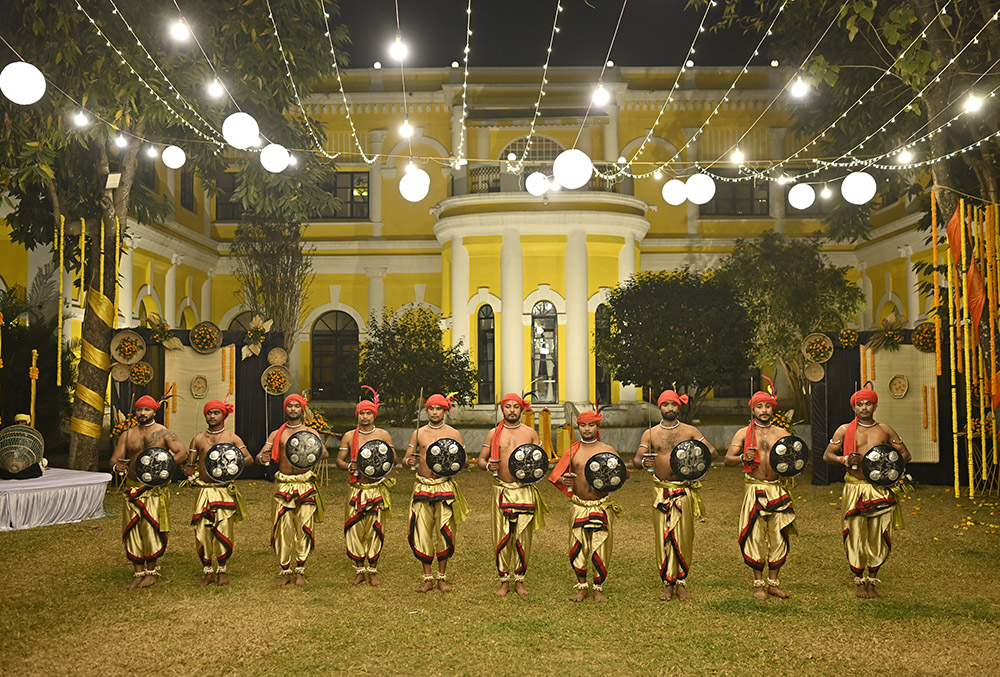
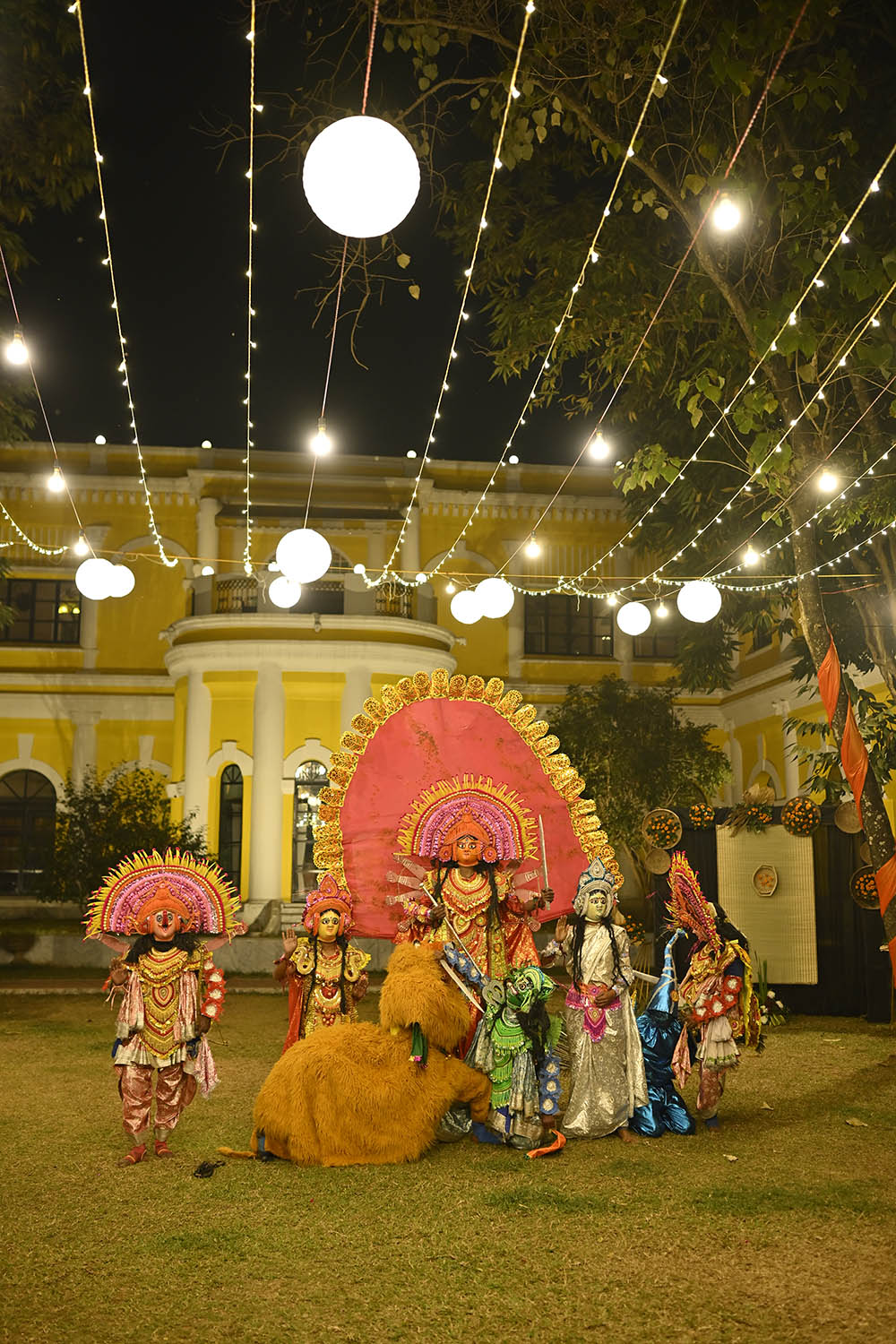
As the day passes, luxury becomes more experiential. Culinary experiences take over with a forest-to-table philosophy, drawing from tribal and regional Odia food traditions with the use of locally sourced ingredients and heirloom cooking techniques. The property also gives a rare access to the living culture of the region. It hosts the annual Chhau Festival, The Great Eastern Epics, where visitors get to witness Chhau, the indigenous martial dance form of Mayurbhanj.
You can also pursue guided village walks, learn the tradition of wall painting in the Santhal village of Bobeijoda, delve into craft-led experiences in the traditional clusters in Chandanpur, know about the 4,000-year-old Dokra metal craft in Kuliana, try contemporary Sabai grass weaving in Guhaldihi or perhaps visit the tribal weekly bazaars to witness indigenous barter systems.
With proximity to Simlipal National Park, go for guided forest trails and birdlife exploration. Those who wish to stay indoors can immerse themselves in yoga, mindful movement, or just hear local stories by candlelight.
Ran Baas, The Palace, Patiala
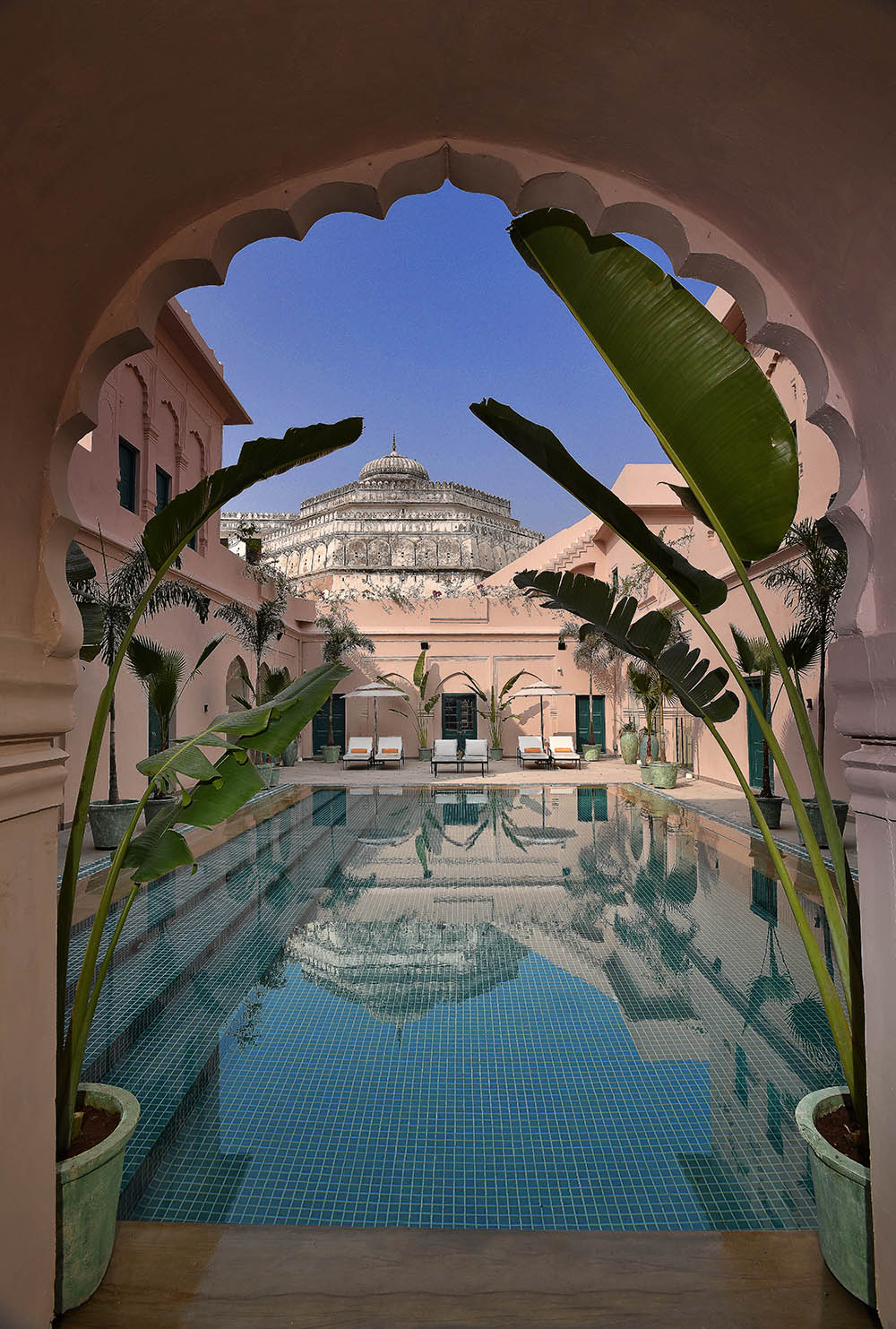
Ran Baas, located within Patiala’s historic Qila Mubarak, is a custodian of Punjab’s regal heritage built by Baba Ala Singh, the founder of the Patiala dynasty. The 35-suite property retains its original Sikh-Rajput-Mughal influences in architecture, featuring arched colonnades, frescoed walls, and expansive courtyards.
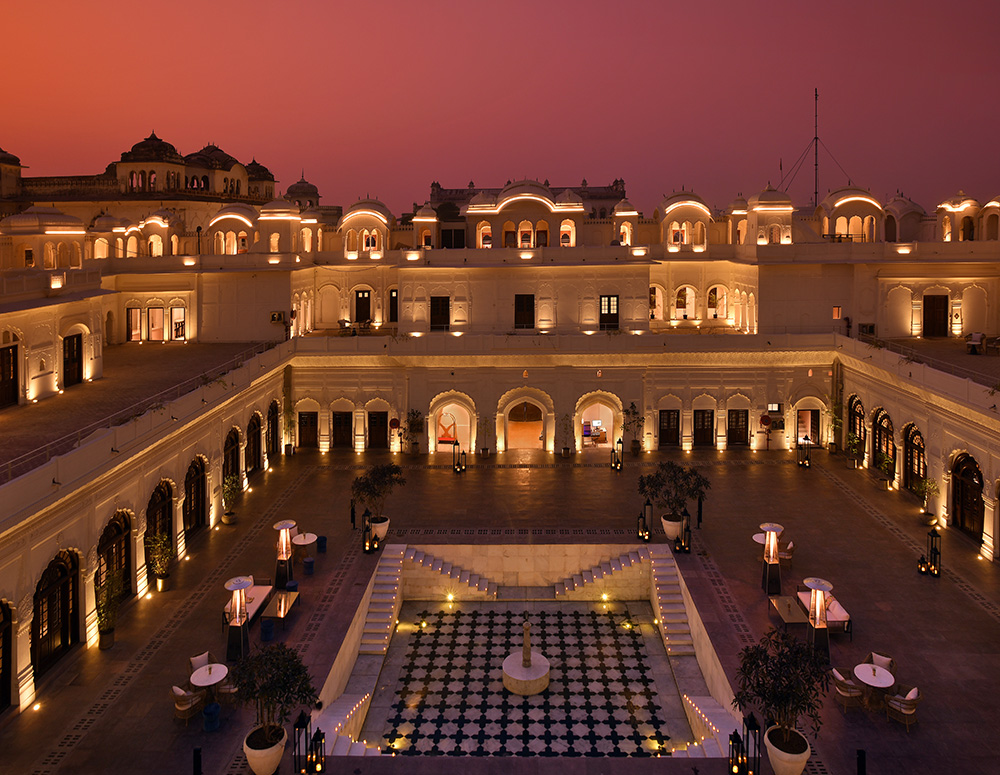
Interiors are adorned with rare art and portraits of the Patiala’s royalty, balancing grandeur with restraint. “Two of our suites house original artwork: the Shikarbagh Suite features hunting paintings, and the Naqarkhanna Suite displays 279 miniature paintings. Throughout the property, ceremonial silverware, antique collectables, and family memorabilia serve as historical markers for our guests,” says Manmeet Singh, General Manager, Ran Baas The Palace. Further, the rooms are inspired by five prized jewels: Pearl, Sapphire, Coral, Topaz, and Jade that make one feel like royalty during their stay.
Adding to a richer experience is dining rooted in storytelling. All-day dining, Neel, brings princely shikar feasts with slow-roasted meats and charcoal finishes. Punjabi restaurant, ATTH, celebrates the culinary identity of the eight princely states of undivided Punjab. The Patiala Bar is where you can sip the legendary “Patiala Peg” and other craft cocktails. Or, maybe you can share a meal under the twinkling canopy of stars in an open sky!
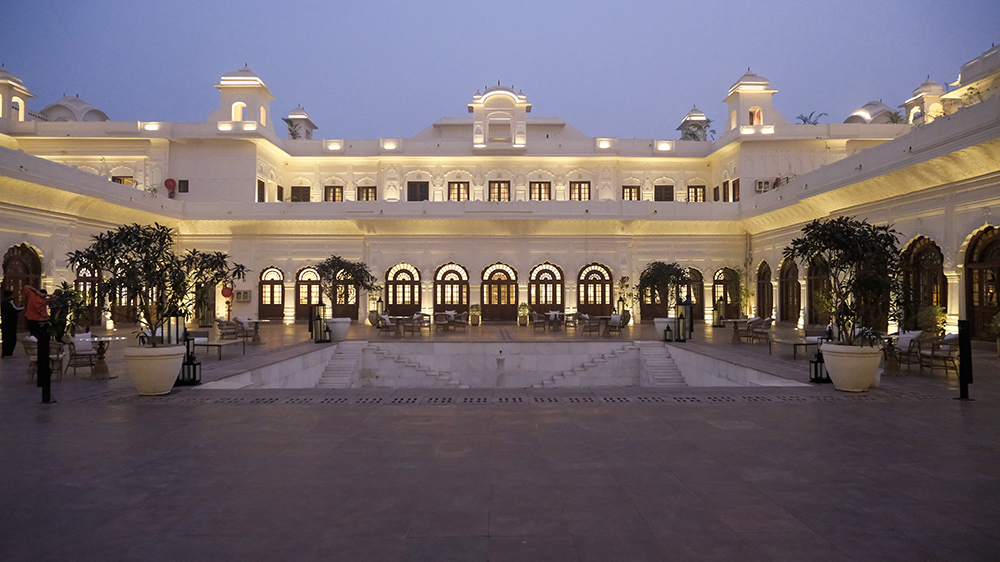
For those looking for in-house wellness, the palace’s Aura spa (often referred to as the Maharani Spa), offers royal oil therapies and Ayurvedic rituals. You can also participate in sunrise yoga in the palace courtyards, guided meditation walks, and healing sessions rooted in the palace’s tranquil atmosphere. Feeling itchy feet? The palace offers curated heritage walks within Qila Mubarak, guided tours of traditional bazaars, and interactions with local artisans. “We also facilitate visits to landmarks like the Kali Mata Mandir, Dukh Nivaran Sahib Gurdwara, National Institute of Sports, Sheesh Mahal, and Fatehgarh Fort,” adds Manmeet on layers of immersive experiences.
The Kumaon, Uttarakhand
Many escape to the mountains in pursuit of quiet moments and get back re-connected to themselves. At the 10-suite Himalayan retreat, The Kumaon in Kasar Devi, peace is internalised amidst the arresting views of the Nanda Devi range.
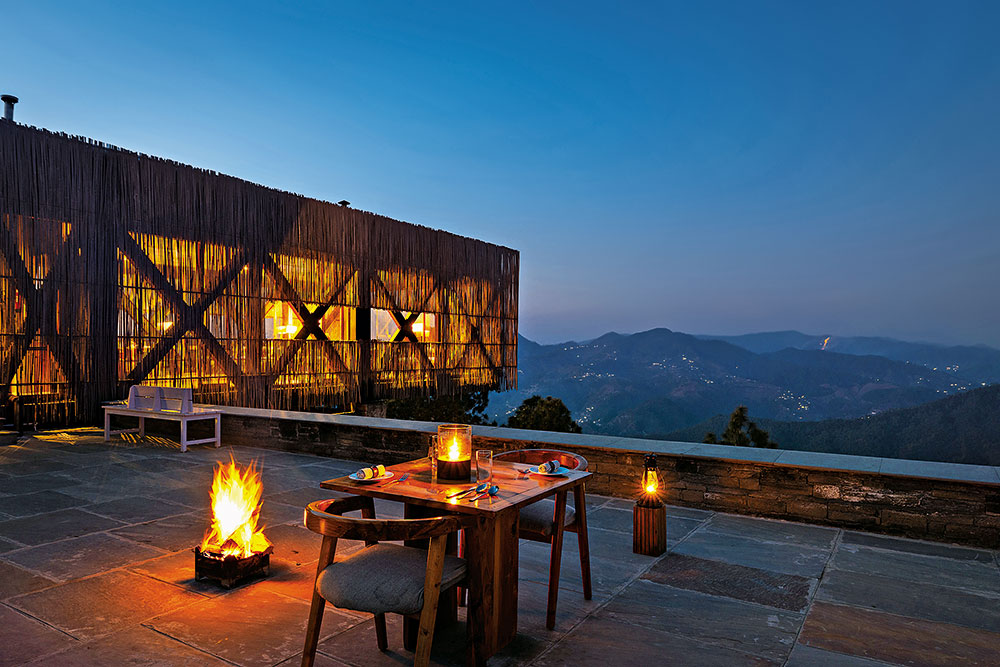
You check into a stay that offers biophilic design; from locally quarried stone that echoes traditional Kumaoni village homes, bamboo-clad structures, use of local pinewood, black Kadappa stone in the bathrooms, adornments with Kumaoni Aipan folk art, to rainwater harvesting, gravity-fed water storage, passive solar heating, the design minimises carbon footprint and pays respect to the Himalayan landscape. “The spaces are consciously devoid of clutter to calm the parasympathetic nervous system of guests who arrive with overwhelmed, busy minds,” says Raghav Priyadarshi, Managing Director, The Kumaon.
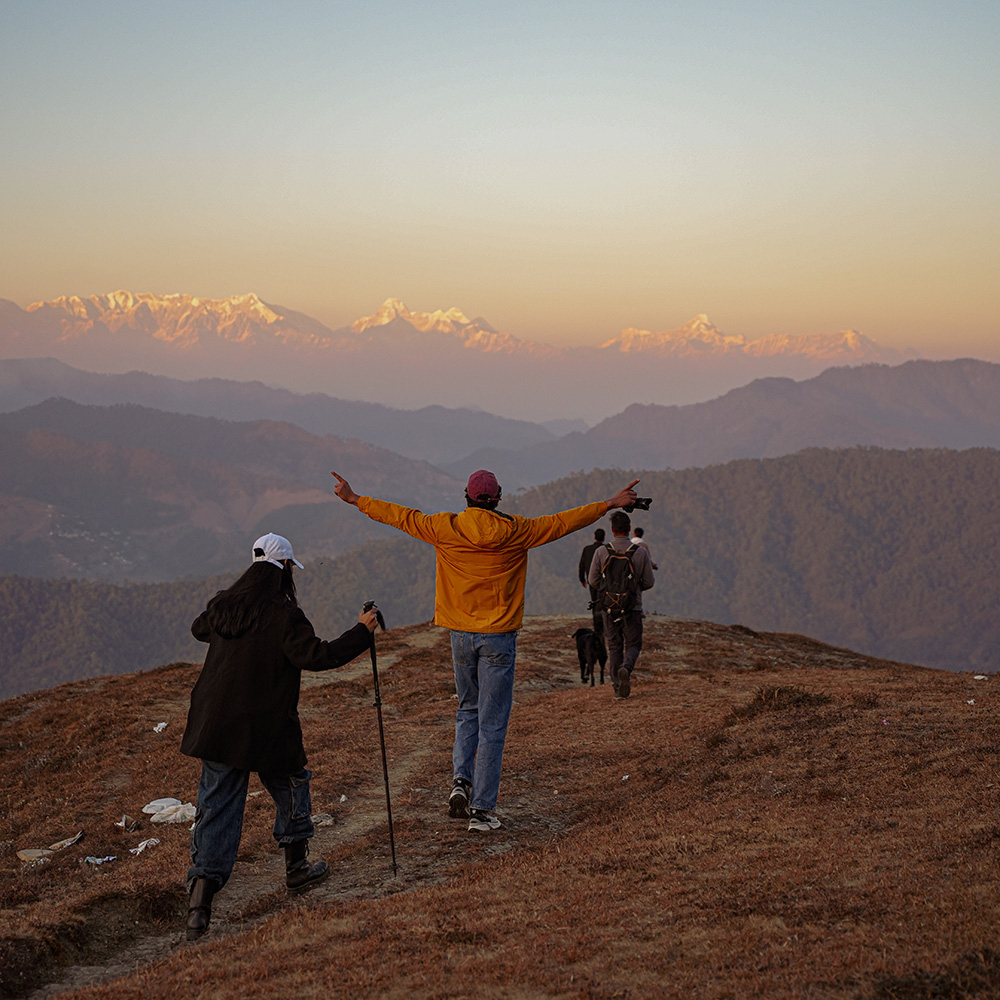
For a memorable experience, delve into a farm-to-table Kumaoni cuisine made with indigenous grains like mandua (finger millet), jhangora (Barnyard Millet), timur (local Sichuan pepper), and hemp seeds. You can also choose a host of wellness activities from luxury spas, guided Jal Neti (traditional yogic nasal cleansing) in the golden morning light, deep journaling sessions, picnics at surreal sunset points, to guided stargazing and astronomy sessions from the property’s terrace.
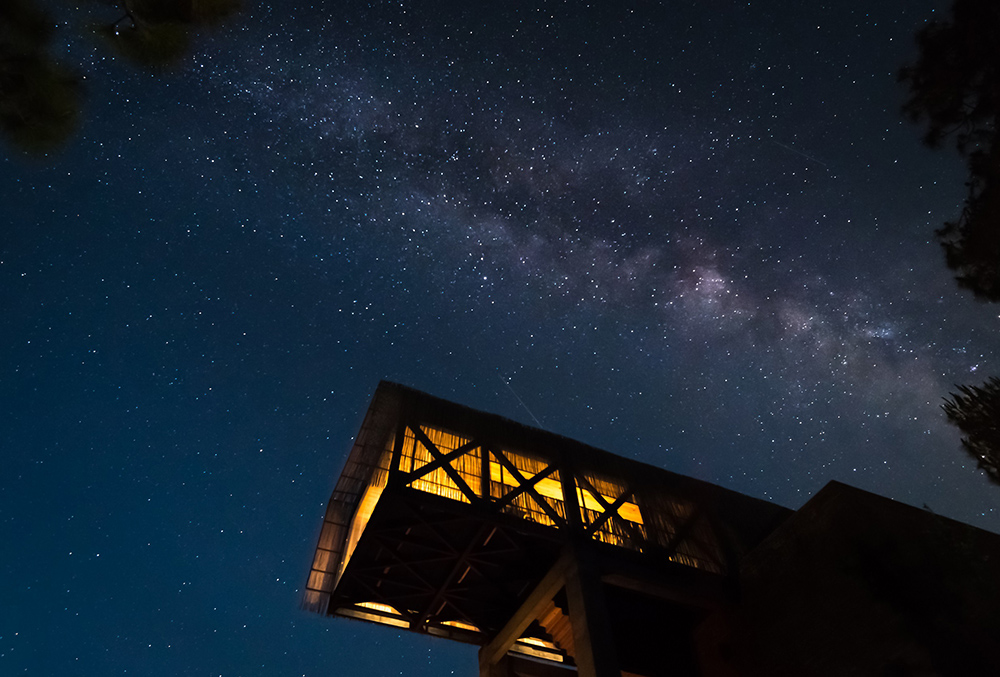
If you wish to step out, delve into nature walks and birding trails into the adjoining forests, the Binsar Wildlife Sanctuary, or visit to the storied Kasar Devi Temple and Jageshwar temple. “We don’t just ‘send’ guests to these places; we curate the journey, pairing guests with local naturalists and trail guides. They share their personal stories, local superstitions about Van Devtas (forest spirits), and intimate knowledge of the flora and terrain. Whether it’s setting up a curated high-tea picnic at a secluded sunset point, or organising a bespoke village walk to understand local agricultural practices, our goal is to make these excursions feel deeply personal rather than transactional,” Raghav adds.
Six Senses Vana, Dehradun
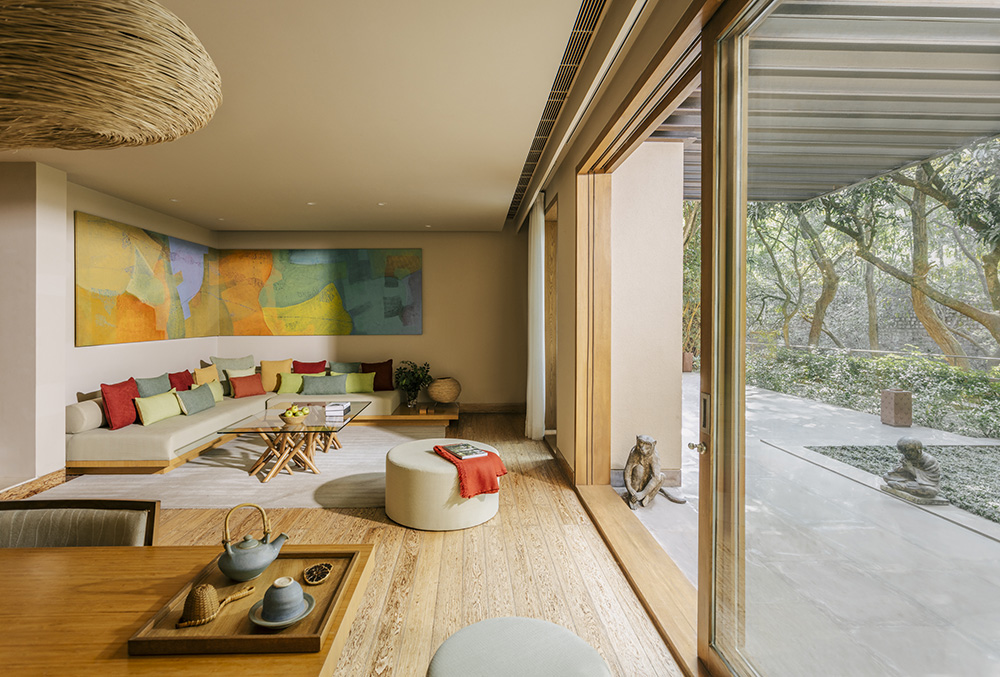
In today’s hyper-interconnected times, the ability to disconnect from digital noise, access ancient healing wisdom, and nurture long-term health is a privilege. Travel to the foothills of the Himalayas, at the 21-acre wellness resort, Six Senses Vana, to soak amidst dense sal forests of Dehradun. Stay inside rooms where natural materials, soft neutral palettes and expansive windows frame forest views and support stillness.
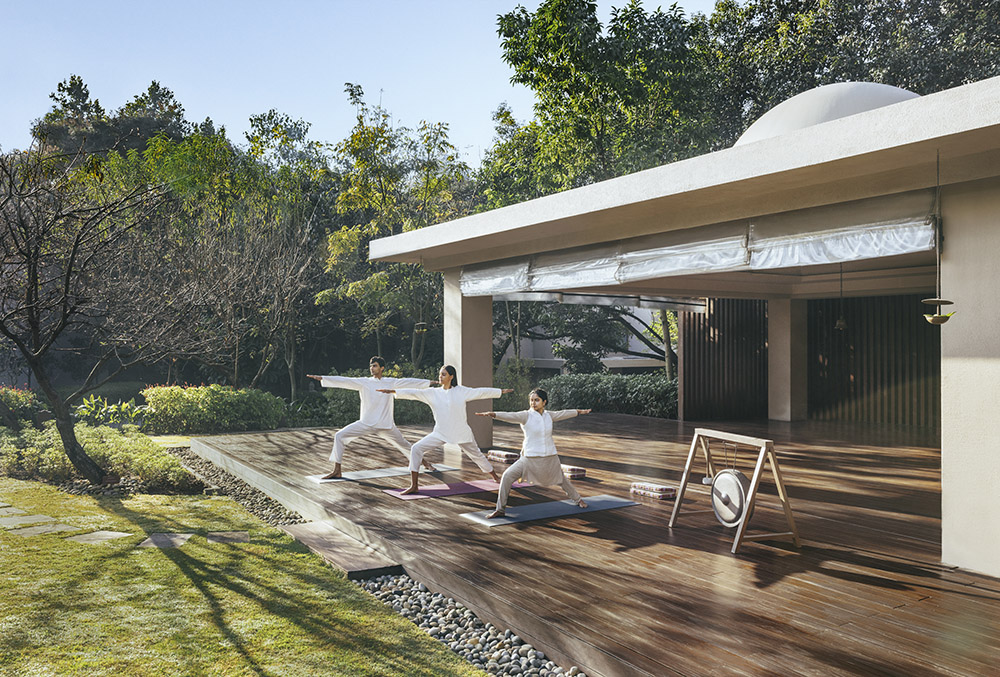
“The forest setting is integral to the Vana experience. The stillness of the surroundings, the filtered sunlight through tall trees, and the natural rhythms of the land create an atmosphere of profound calm,” says Jaspreet Singh, General Manager, Six Senses Vana.
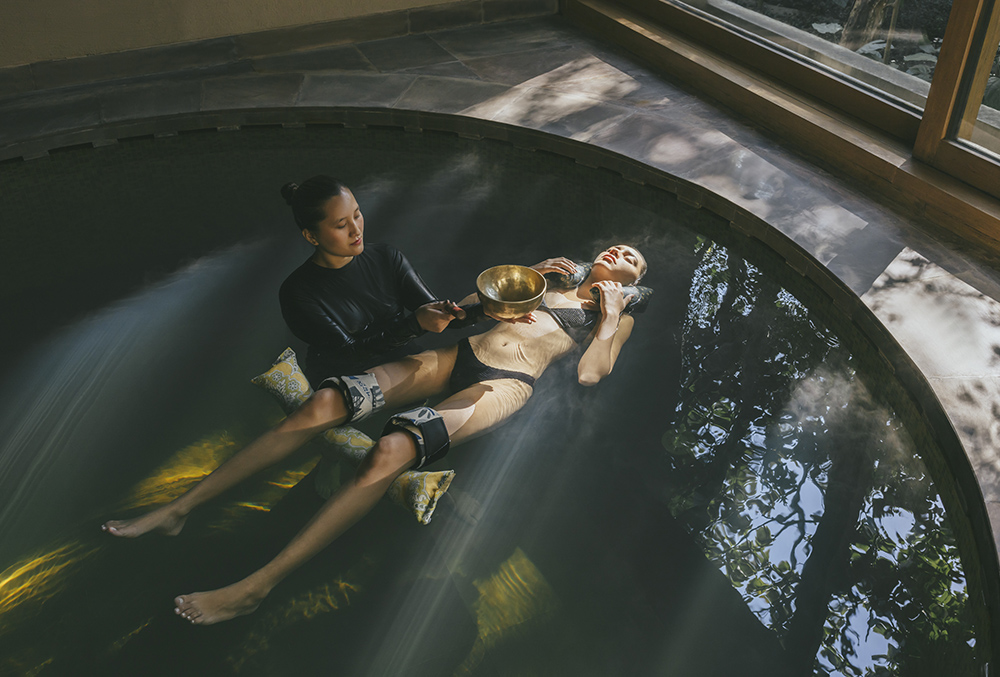
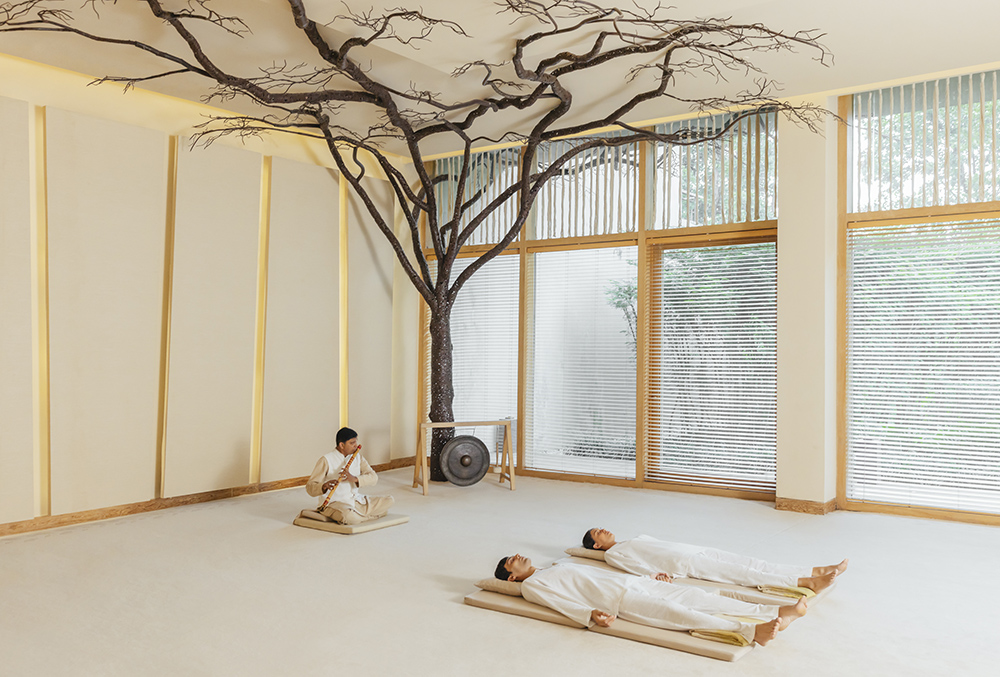
A usual day here begins with deeply restorative activities. From guided meditation sessions, yoga, fitness classes, breathing workshops, sound healing, to philosophy discussions in natural settings, it’s where noise is replaced by birdsongs and cool breeze. Further, personal wellness sessions with Ayurveda doctors, Tibetan Medicine practitioners, and yoga therapists add to the private wellness experience. You can also go for garden explorations and spend time in orchards and organic growing areas that are full of insights.
“Interactive elements may include conversations around medicinal herbs, seasonal harvesting practices, and the role of plants in traditional healing systems such as Ayurveda. Guests are encouraged to observe, touch, and understand the ingredients that later appear in their meals or treatments,” shares Jaspreet. Meals are also aligned with wellness programmes, whether it’s Ayurvedic, detox-focused or simply wholesome. From picking fresh vegetables, whole grains, and plant-forward dishes to careful selection of herbal teas and infusions, food is both for the soul and nourishment.
Living through such sensorial experiences, the journey becomes more memorable than the destination itself.