World Sight Day: Essential Tips to Protect Eye Health as You Age
World Sight Day 2026 is a reminder to make eye care part of healthy ageing. Simple habits, such as scheduling regular eye exams and protecting your eyes from screens and UV rays to eating well and staying active, can help preserve vision, support independence and contribute to a better quality of life as you age
Living longer is only one part of healthy ageing. The bigger goal is to remain independent, active and able to enjoy everyday life for as long as possible. Vision plays an important role in that equation. From reading and recognising faces to moving safely and staying connected with the world around you, healthy eyesight can have a lasting impact on quality of life.
Observed on October 8, World Sight Day is a timely reminder to make eye health part of a long-term wellness routine. While some changes in eyesight are a natural part of ageing, significant vision loss is not something that should simply be accepted as inevitable. A few consistent habits, combined with regular professional care, can help protect your vision and support healthier ageing.
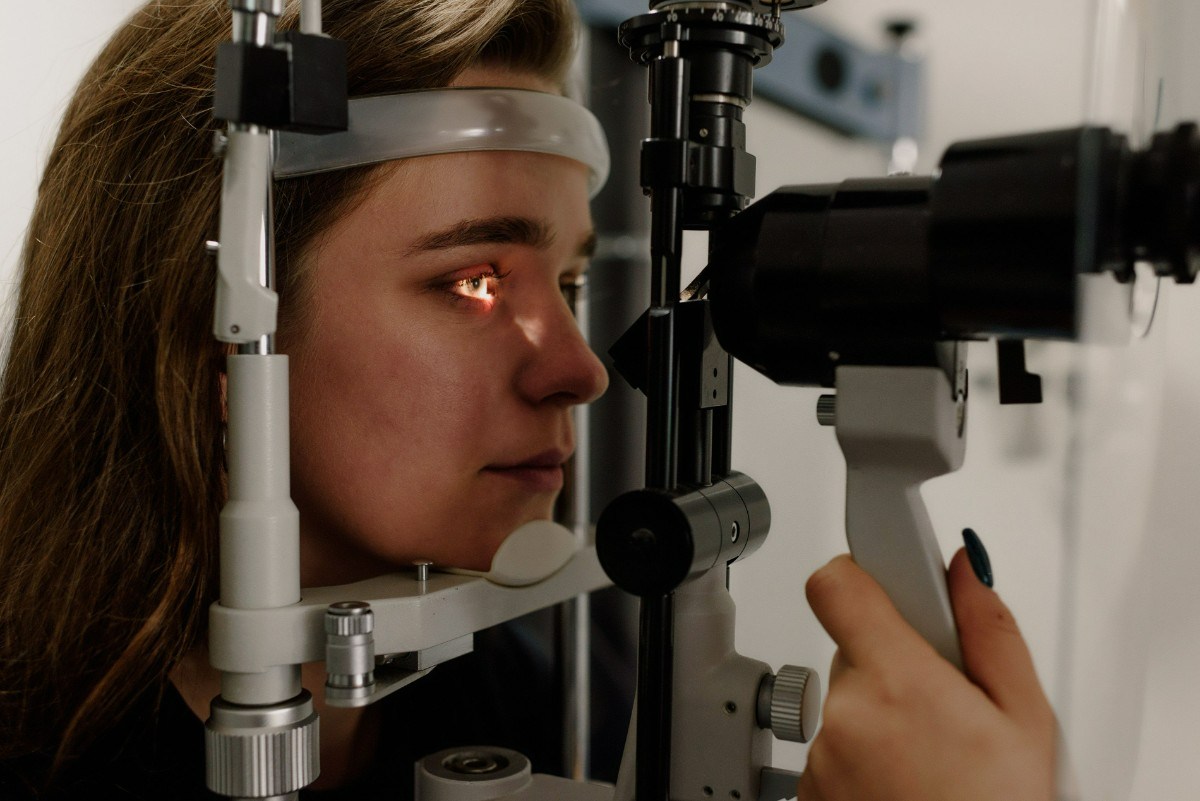
Schedule Regular Eye Exams
One of the simplest ways to protect your vision as you age is to make comprehensive eye examinations part of preventive healthcare. Conditions such as glaucoma, cataracts, age-related macular degeneration and diabetic eye disease can develop gradually, sometimes without noticeable symptoms in their early stages.
Regular examinations can help identify potential problems earlier and allow an eye-care professional to recommend appropriate treatment or monitoring. How often you need an eye exam depends on your age, family history and individual risk factors.
Knowing your family history can also help. If close relatives have experienced glaucoma, macular degeneration or other eye conditions, mention this during your eye examination.
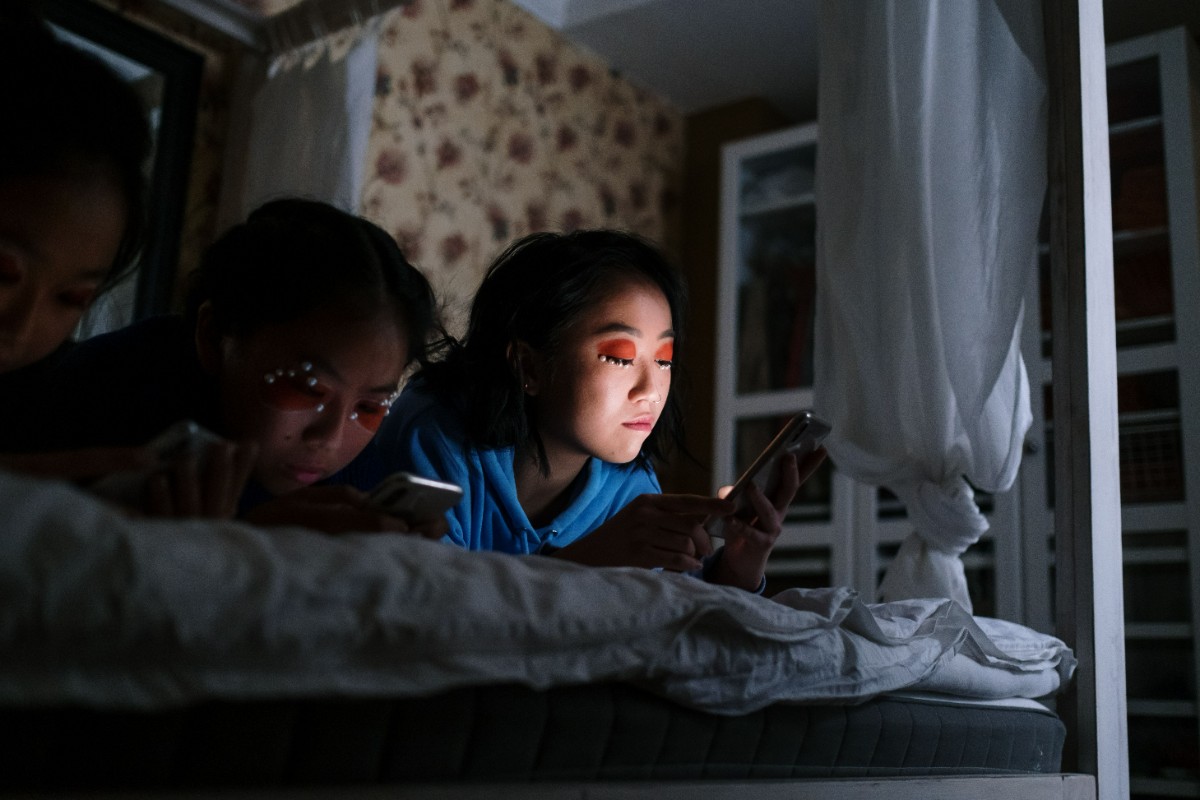
Avoid the Screen Strain
Screens are now part of everyday life, but prolonged periods of close-up viewing can contribute to digital eye strain, dryness and discomfort. If your work or leisure involves hours on a computer or phone, build regular breaks into your routine.
Also Read: Patrick Dempsey Fronts TAG Heuer Eyewear’s Bold New Chapter
The 20-20-20 rule is an easy habit to follow, which means, every 20 minutes, look at something around 20 feet away for at least 20 seconds. Adjusting screen brightness, reducing glare and keeping your screen at a comfortable distance can also make extended viewing easier on the eyes.
Smoking Is Injurious for Eyes
Smoking is harmful to more than the lungs. It can increase the risk of several eye conditions, including cataracts and age-related macular degeneration, and may also damage the optic nerve.
Avoiding tobacco is therefore not just a general longevity habit but an important part of protecting long-term vision. If you smoke, quitting can support your overall health while reducing some of the risks associated with eye disease.
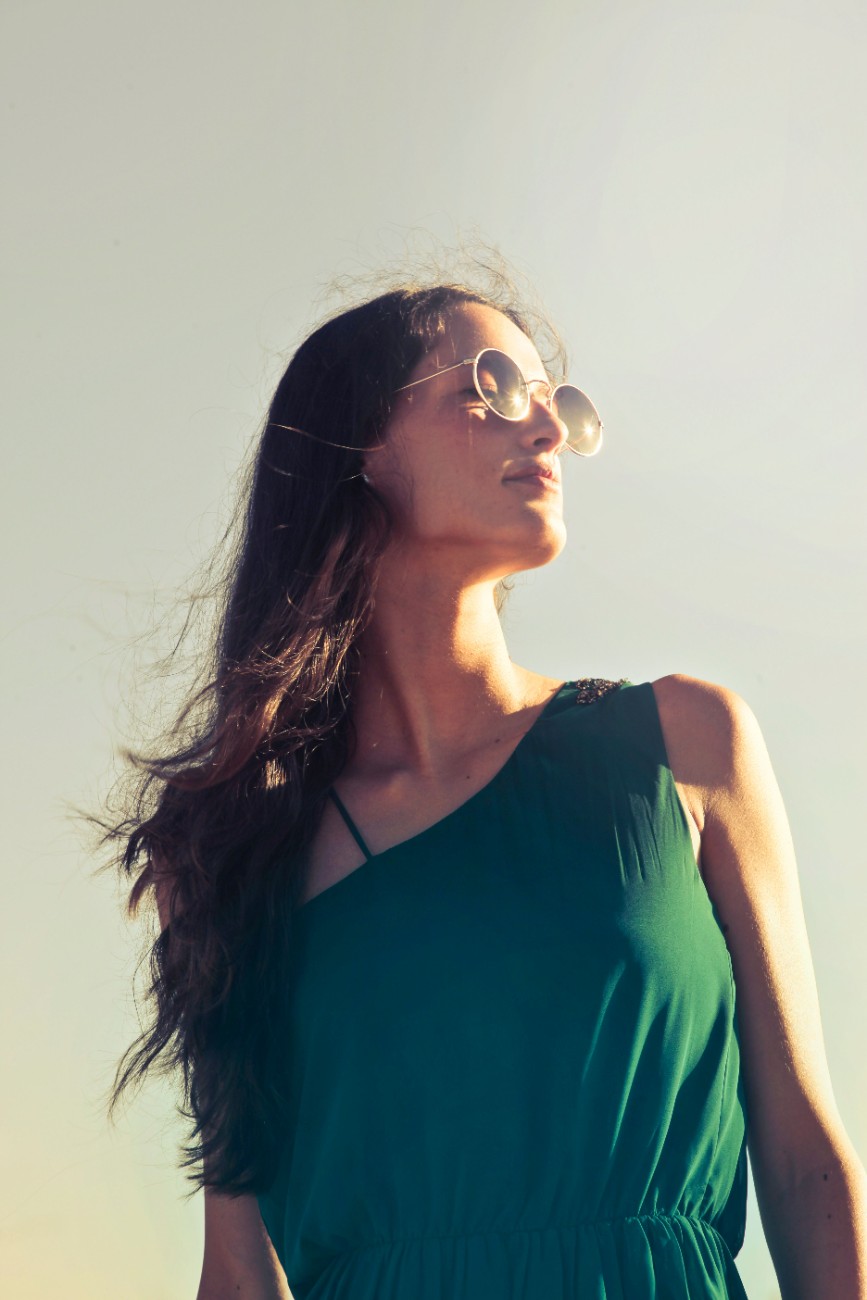
Make Sunglasses a Habit
Sun protection should extend beyond your skin. Long-term exposure to ultraviolet radiation can harm the eyes and increase the risk of certain eye conditions.
When spending time outdoors, choose sunglasses that block 99 to 100% of UVA and UVB radiation. A wide-brimmed hat can provide additional protection, particularly during prolonged periods in strong sunlight.
Eat For Healthy Vision
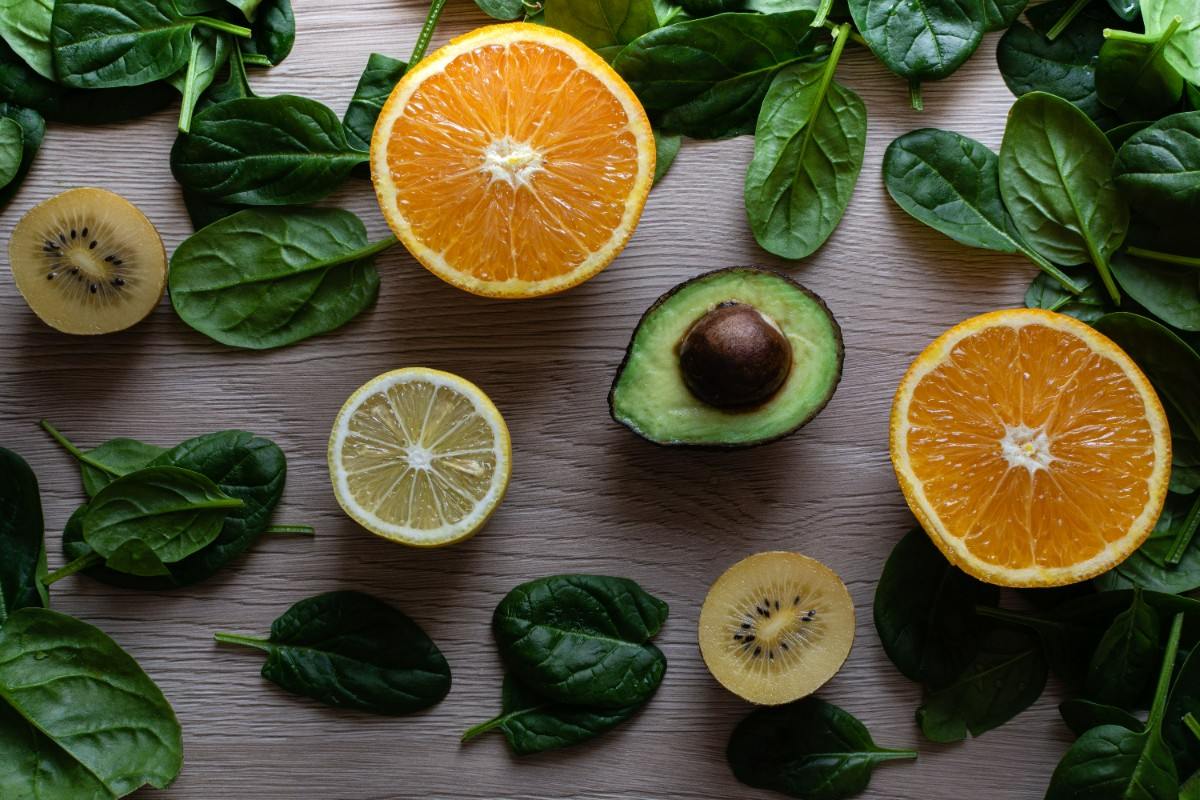
The same nutritional habits that support healthy ageing can also benefit your eyes. Include plenty of leafy green vegetables, colourful fruits and vegetables, whole grains and other nutrient-rich foods in your diet. Foods containing omega-3 fatty acids can also form part of a balanced diet that supports eye health.
Maintaining healthy blood pressure and blood sugar levels is equally important, as conditions such as diabetes and hypertension can affect vision over time.
Keep Your Body Moving
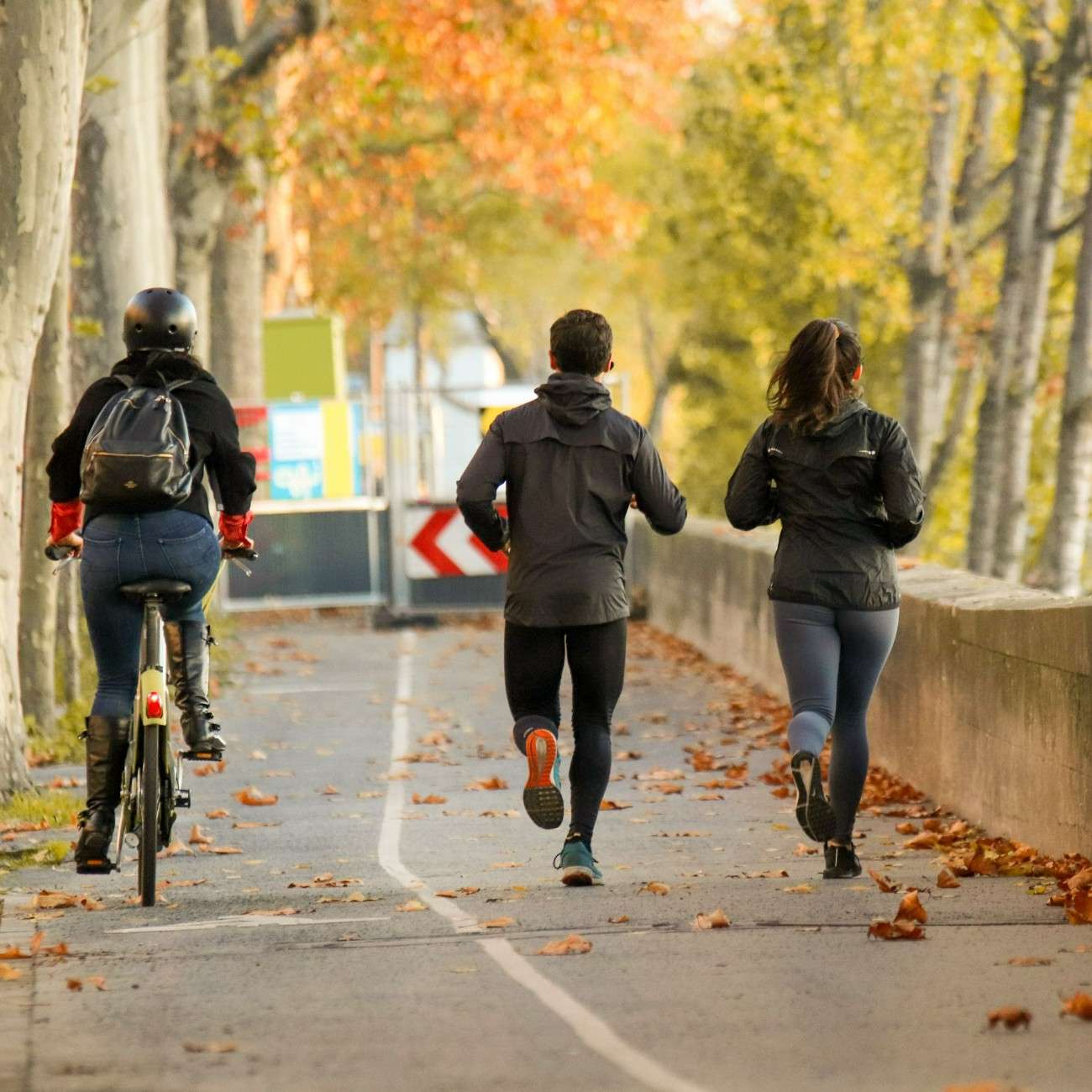
Physical activity has a role to play in healthy ageing, and its benefits extend to eye health. Staying active can help manage conditions such as high blood pressure and diabetes, which are associated with an increased risk of vision problems.
Regular movement does not necessarily mean intense workouts. Walking, strength training, yoga or any activity you can sustain consistently can contribute to overall cardiovascular and metabolic health.
Pay Attention to Changes
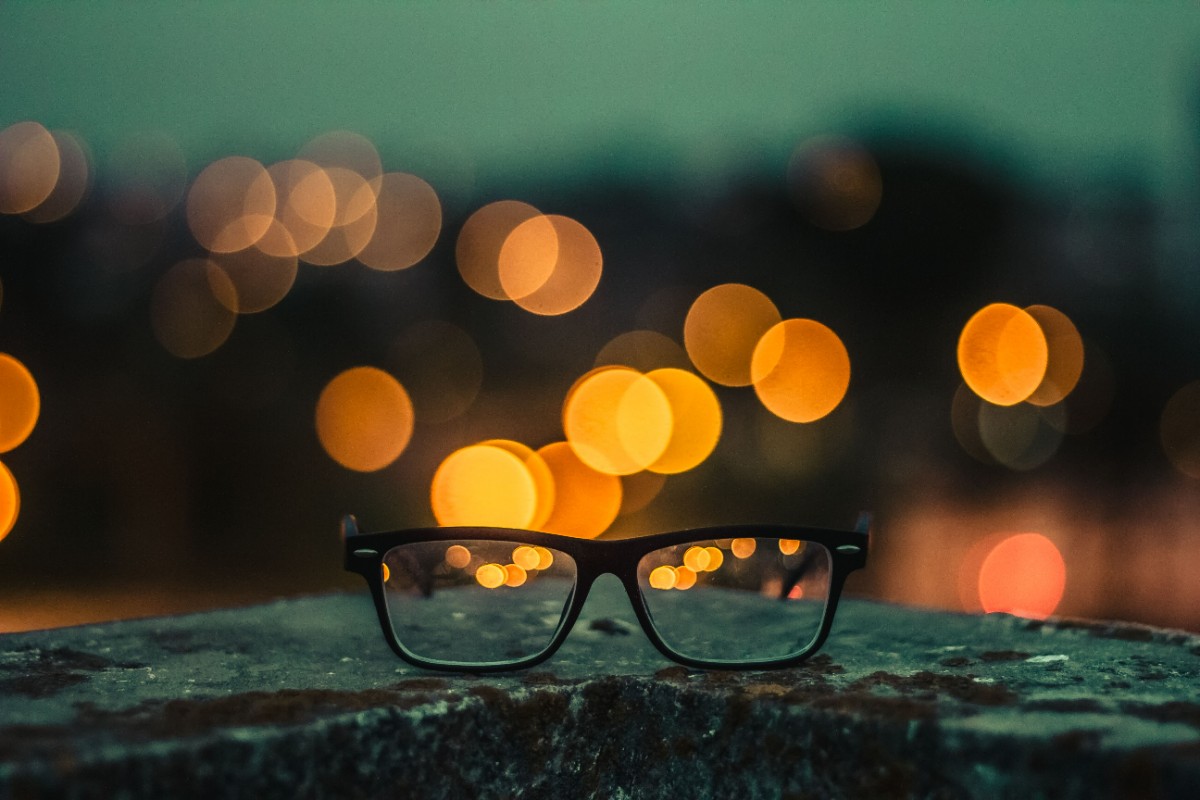
Blurred vision, persistent eye pain, flashes of light, a sudden increase in floaters, distorted vision or a sudden loss of sight should not be dismissed as ordinary signs of ageing. Some changes can require prompt medical attention.
Being attentive to your vision and seeking professional advice when something feels different is an important part of preventive health, particularly as you grow older.
Also Read: The Evolution of Luxury Sunglasses: Fashion, Craftsmanship and Wearable Art
Ultimately, protecting your eyesight is not simply about seeing clearly today. It is about preserving the independence, mobility and everyday experiences that contribute to a good quality of life in later years. This World Sight Day, making eye care part of your longevity routine could be a small but meaningful investment in the years ahead.