The Rise, Ruin, Redemption Of Coco Chanel
Chanel’s journey from a humble, orphaned childhood to the heights of haute couture reshaped women’s fashion forever. This is the story of how Gabrielle Bonheur Chanel became “Coco Chanel” - a timeless fashion icon whose influence still defines style today. The story of Chanel's rise, success, fall and ultimate redemption
Few figures in fashion history have had an influence as profound as Gabrielle “Coco” Chanel. Rising from poverty and an orphanage in rural France, Chanel transformed the aesthetics of women’s clothing and built a brand that remains one of the most powerful luxury houses in the world today.
Gabrielle “Coco” Chanel: Rags To Riches
Her life story is often described as a classic “rags-to-riches” narrative – one that blends ambition, innovation, controversy, and enduring cultural impact.
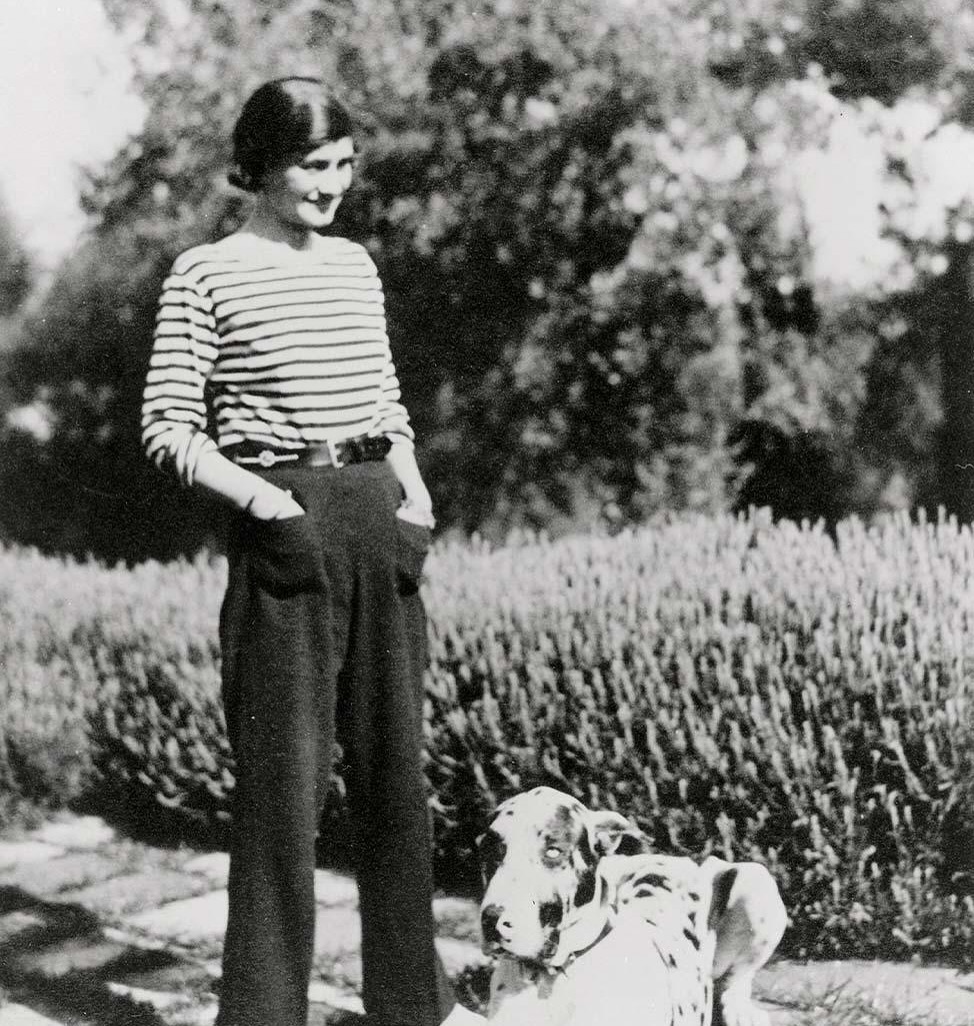
Before Gabrielle Became “Coco Chanel”: Poverty And The Orphanage
Coco Chanel was born Gabrielle Bonheur Chanel on August 19, 1883, in Saumur, France. Her early life was marked by hardship. Her mother, a laundress, died when Gabrielle was just 11 years old, and her father, an itinerant street vendor, soon abandoned the family. Chanel and her sisters were sent to a convent-run orphanage in Aubazine.
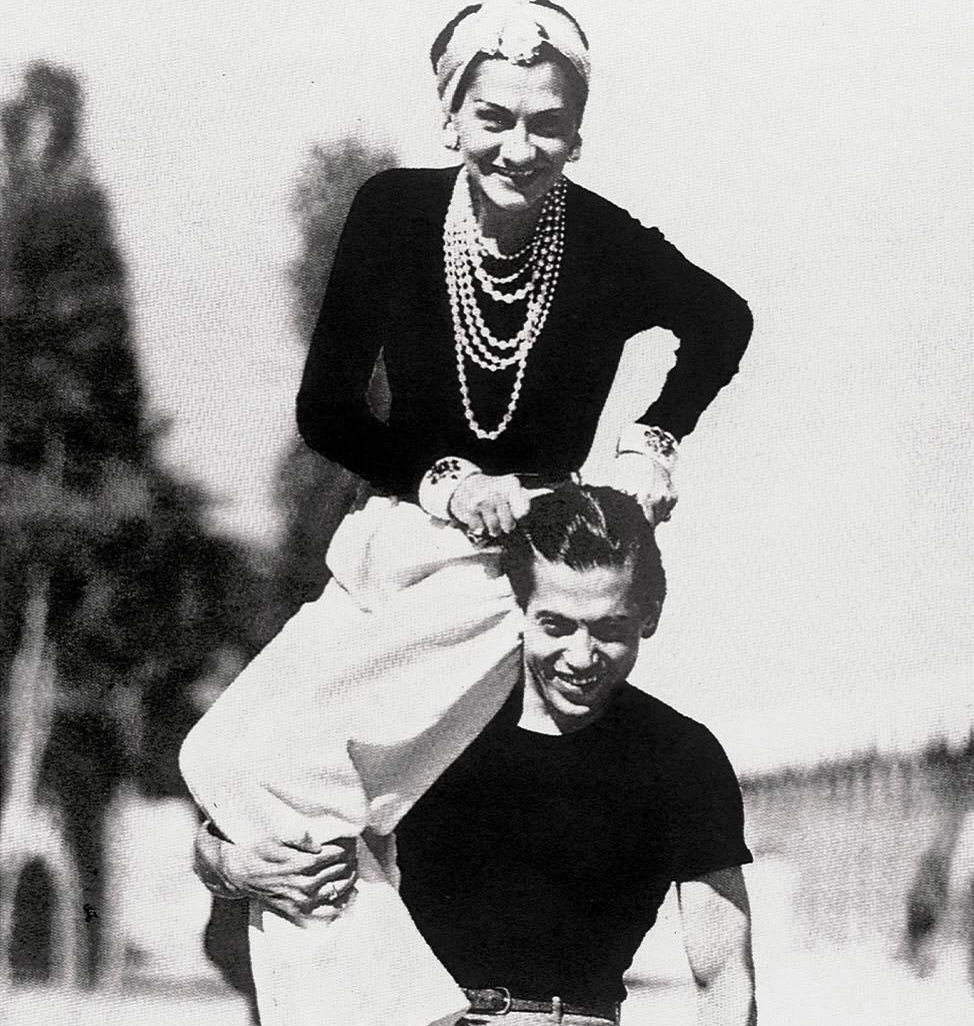
Life in the orphanage was strict and austere, but it inadvertently shaped Chanel’s future. The nuns taught her sewing and needlework, skills that would later become the foundation of her career. The simple, functional clothing worn in the convent also influenced her design philosophy – clean lines, minimal ornamentation, and practicality.
After leaving the orphanage at 18, Chanel worked as a seamstress by day and a cabaret singer by night in the town of Moulins.
Fun Fact: During her singing career, she reportedly performed a song called “Qui qu’a vu Coco,” which likely earned her the nickname “Coco.” Although her singing career never took off, it introduced her to wealthy social circles that would help launch her fashion ambitions.
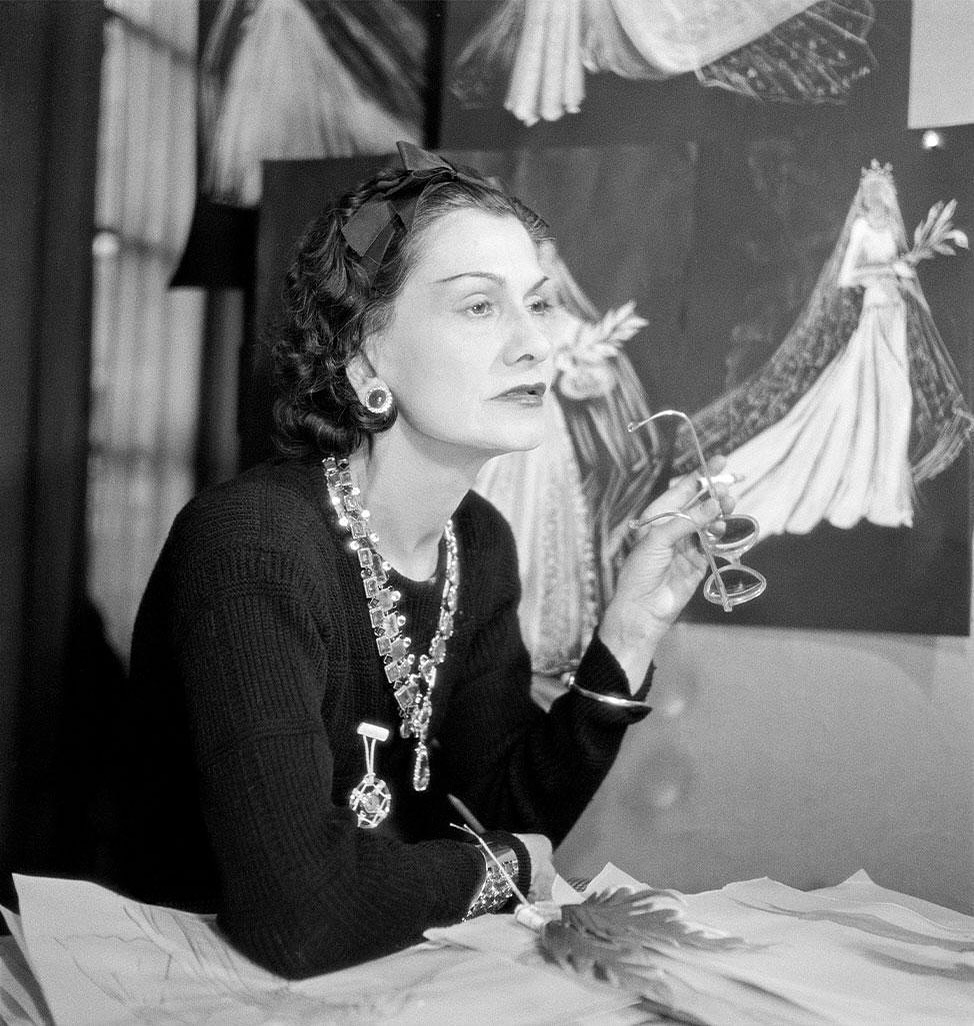
The Birth Of Chanel: From Hats To Haute Couture
Chanel’s first major step into fashion came in 1910, when she opened a small hat boutique called “Chanel Modes” at 21 Rue Cambon in Paris. With financial backing from Arthur “Boy” Capel, a wealthy English businessman, the shop quickly became popular among actresses and Parisian elites.
Fun Fact: But her millinery career took off only in 1912 when theatre actress Gabrielle Dorziat donned her hats in Fernand Nozière’s play Bel Ami.
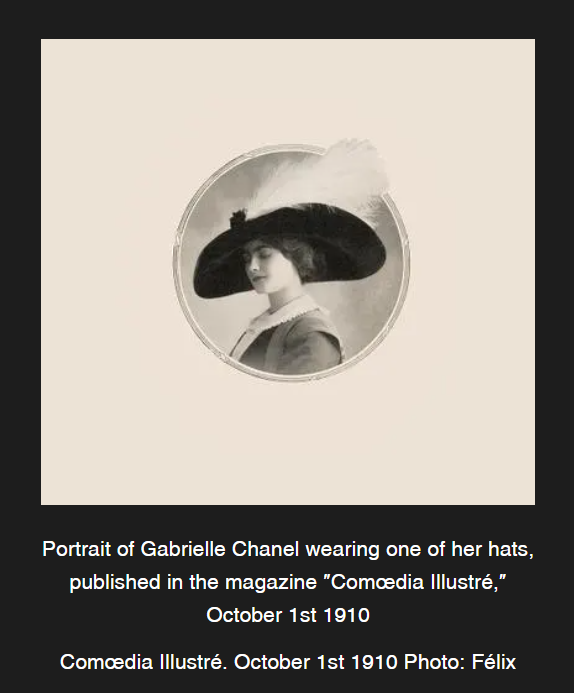
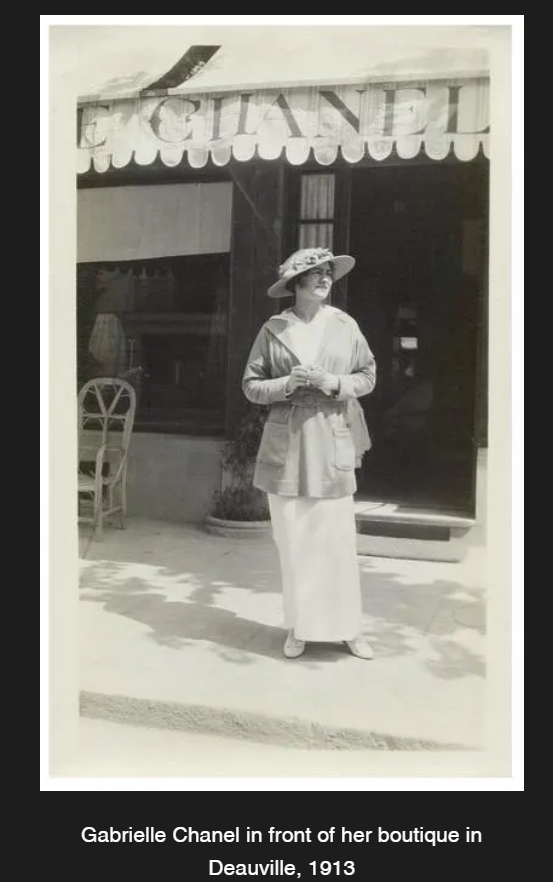
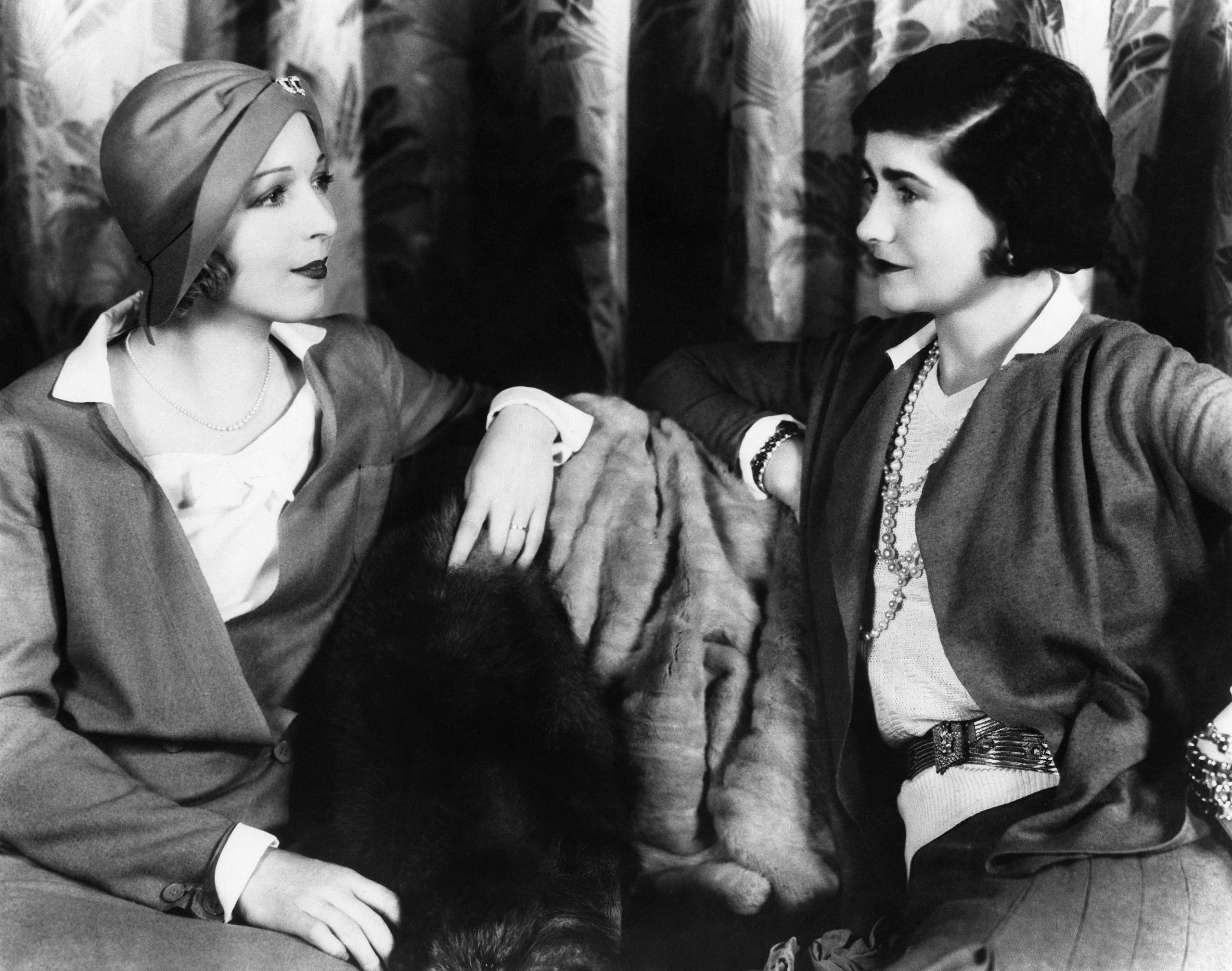
Her hats were dramatically different from the elaborate styles of the era. Chanel favoured simple, elegant designs, which immediately attracted attention. By 1913, she expanded into clothing with a boutique in Deauville, introducing garments made from jersey – a fabric previously used mainly for men’s underwear. Chanel transformed it into stylish yet comfortable women’s fashion, something unheard of at the time. Her success grew rapidly during and after World War I, when women needed practical clothing as they entered the workforce.
Also Read: The Designers And Trends Everyone’s Talking About At FDCI India Men’s Weekend 2026
How Coco Chanel Revolutionized Women’s Fashion
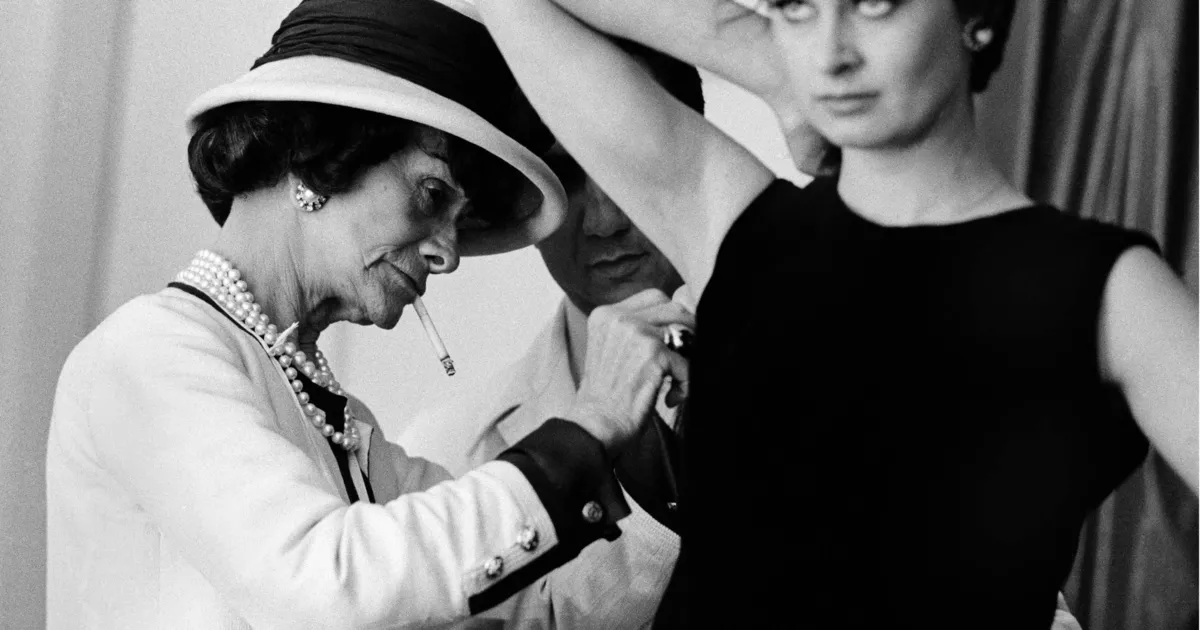
At the beginning of the 20th century, women’s clothing was restrictive: corsets, heavy fabrics, and elaborate decorations dominated fashion. Chanel rejected these conventions. Her designs emphasized comfort, movement, and simplicity, introducing a new aesthetic of modern elegance for the modern woman. Fashion historians often credit her with helping dismantle the corseted silhouette that had defined women’s clothing for decades. After her early success, Chanel opened her first fashion house in Biarritz, France, hired 300 workers, and created her first haute couture collection.
A Look At The Iconic Designs That Defined Coco Chanel’s Legacy
Some of her most influential creations include:
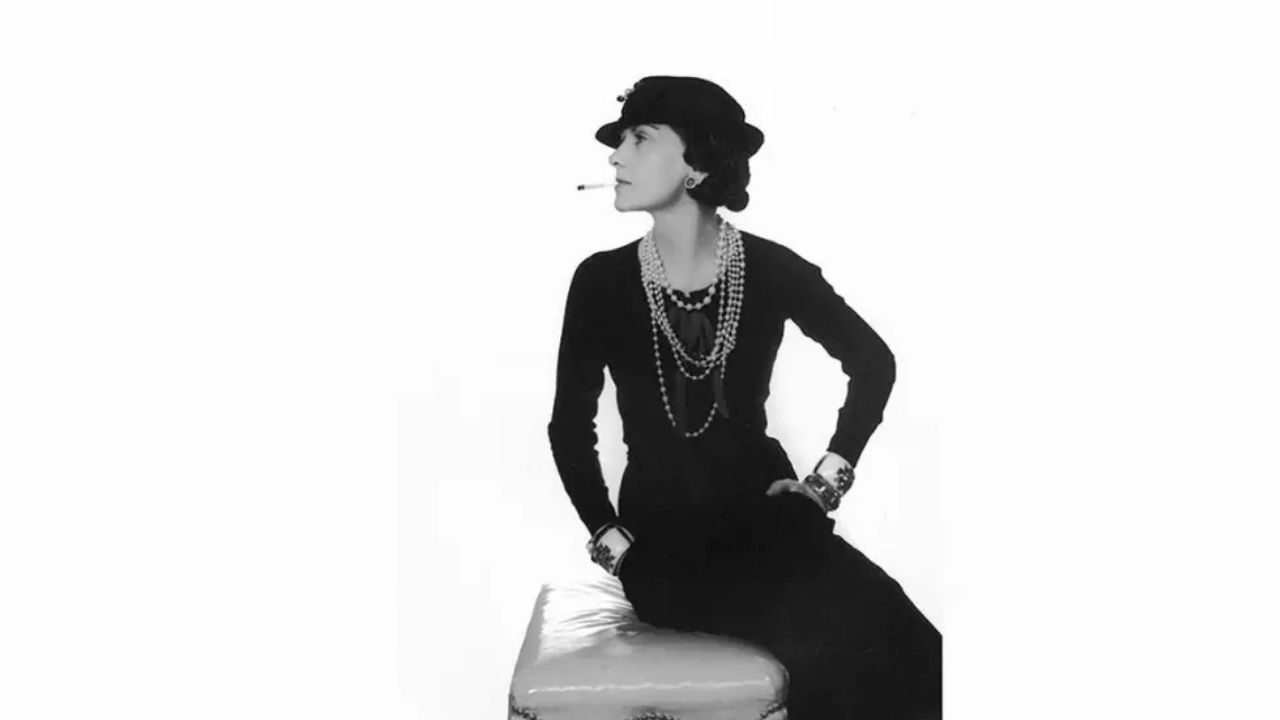
The Little Black Dress (1926)
This iconic creation revolutionized fashion by turning black, traditionally associated with mourning, into a symbol of timeless elegance. Simple yet versatile, it became a wardrobe essential, celebrated for its ability to be dressed up or down and to suit any occasion.
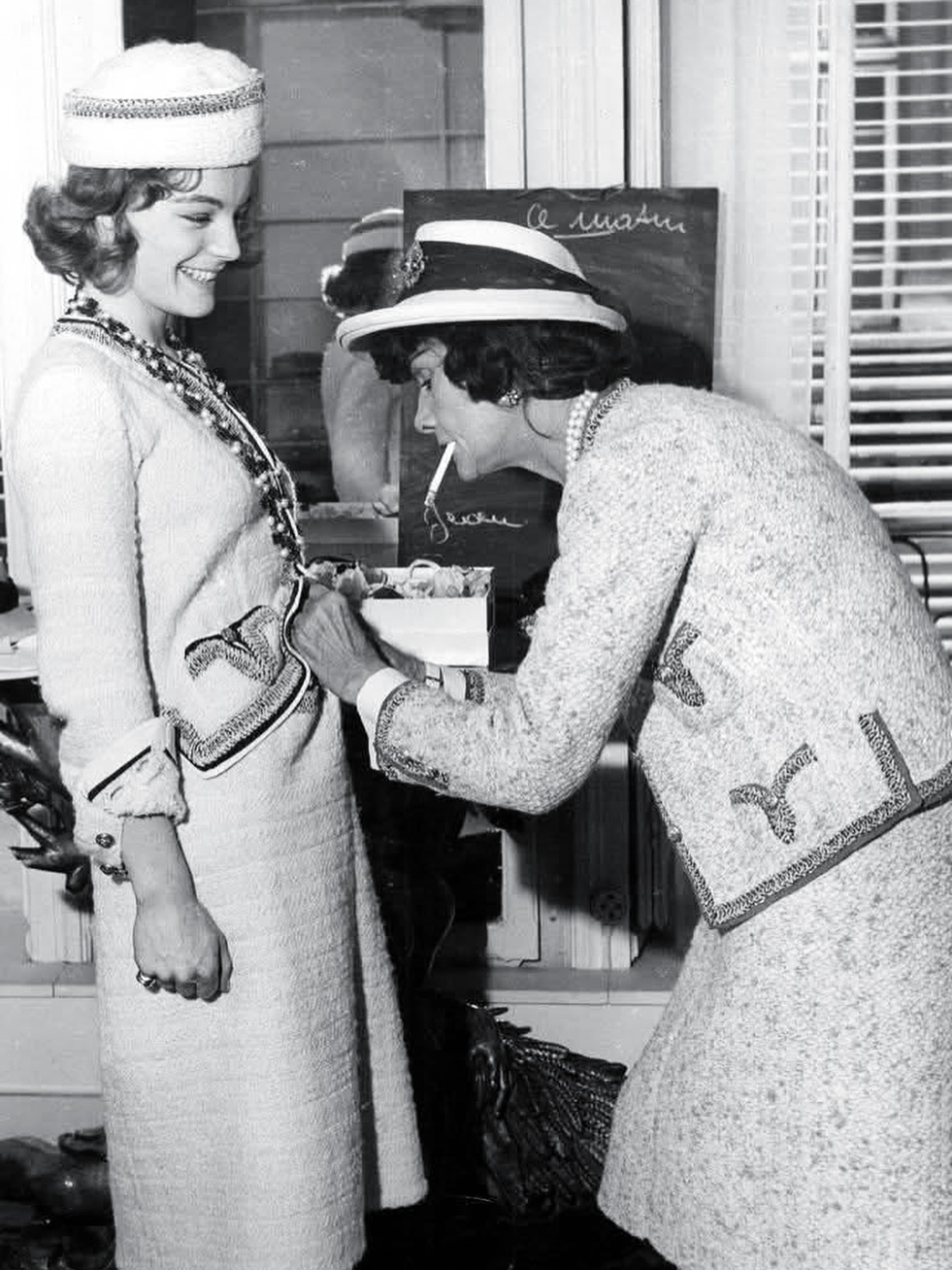
The Chanel Suit (1950s)
A stylish and comfortable women’s suit featuring a collarless, cardigan-style tweed jacket with trim, paired with a knee-length fitted skirt, often detailed with gold buttons, braided edges, and a practical chain-weighted lining. Fashionistas around the world wear this with immense pride even today.
The Chanel No. 5 perfume (1921)
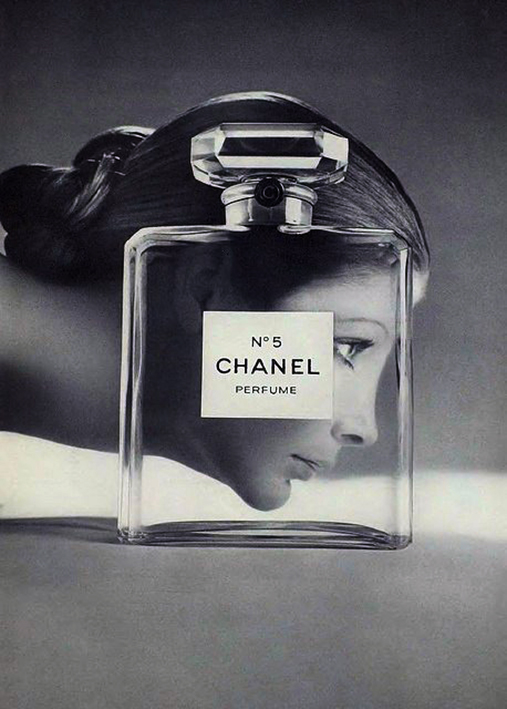
Released in 1921, Chanel No. 5 quickly became one of the most iconic and celebrated fragrances in the world. Renowned for its innovative blend of floral and aldehyde notes, it redefined modern perfumery and established a new standard for luxury scents.
Also Read: The Ultimate Holiday Gift Guide: The Best Festive Fragrances For You And Your Loved Ones
The Chanel 2.55 Bag
Blending practicality with luxury. These designs helped define the image of the modern, independent woman in the 20th century.
Chanel No. 5: The Perfume That Built An Empire
Among Chanel’s many innovations, none proved more commercially powerful than Chanel No. 5. In 1921, Chanel collaborated with perfumer Ernest Beaux to create a fragrance that was complex and abstract, unlike the single-flower scents popular at the time.
Fun Fact: Chanel chose the fifth vial from a set presented by Beaux (samples 1–5 and 20–24). She decided to keep the name “No. 5,” believing that both the number and the launch date, May 5th, would bring her good fortune.
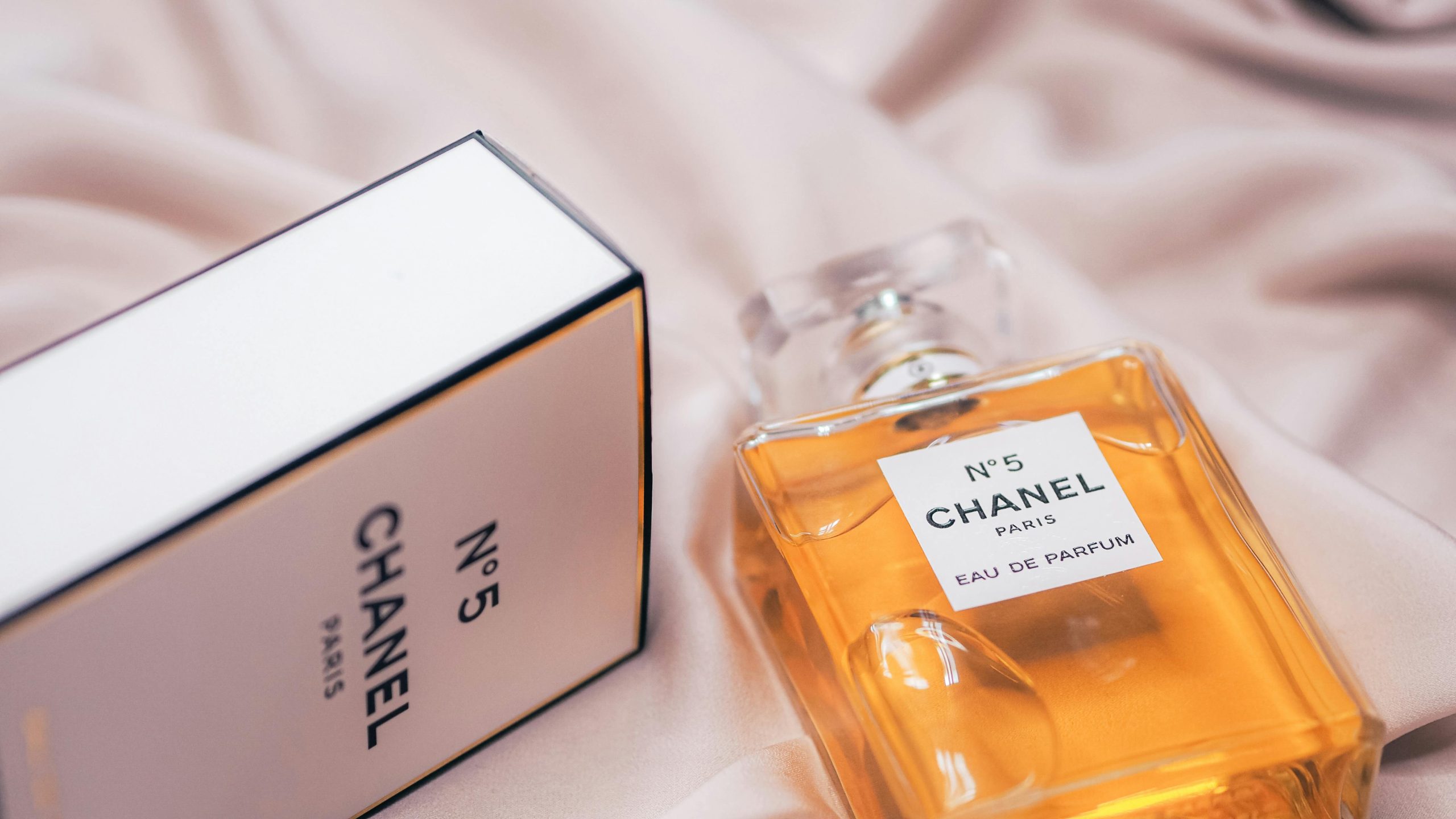
The perfume quickly became a cultural phenomenon. To manage production and distribution, Chanel partnered with brothers Pierre and Paul Wertheimer, creating the company Parfums Chanel in 1924. This partnership eventually made Chanel products globally accessible and laid the financial foundation for the brand’s expansion.
Even today, Chanel No. 5 remains one of the best-selling perfumes in the world.
Was Coco Chanel A Nazi Spy?
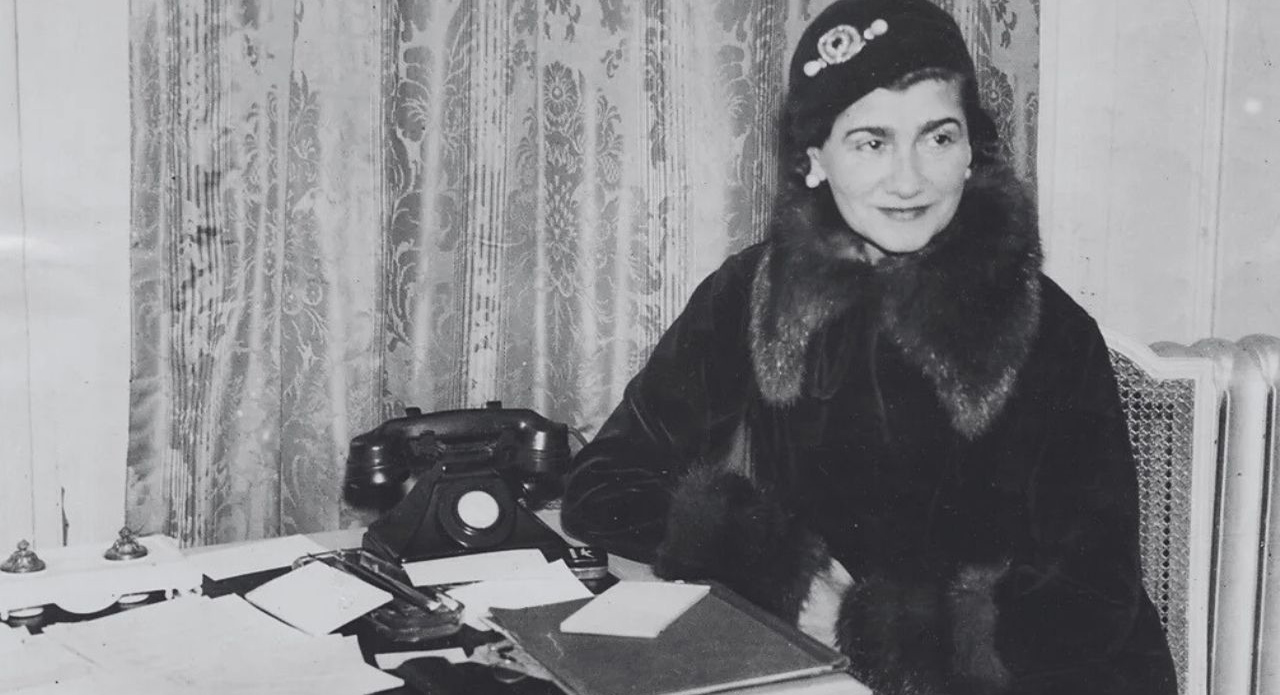
Chanel’s career was not without controversy. During World War II, she closed her couture house and lived at the Hotel Ritz in Paris. Historians later revealed that she had associations with a German intelligence officer during the Nazi occupation, which has complicated her legacy. In fact, some documents reportedly reveal she was registered as an agent (code name Westminster) for the German intelligence service (Sicherheitsdienst).
After the war, Chanel retreated from fashion for nearly a decade.
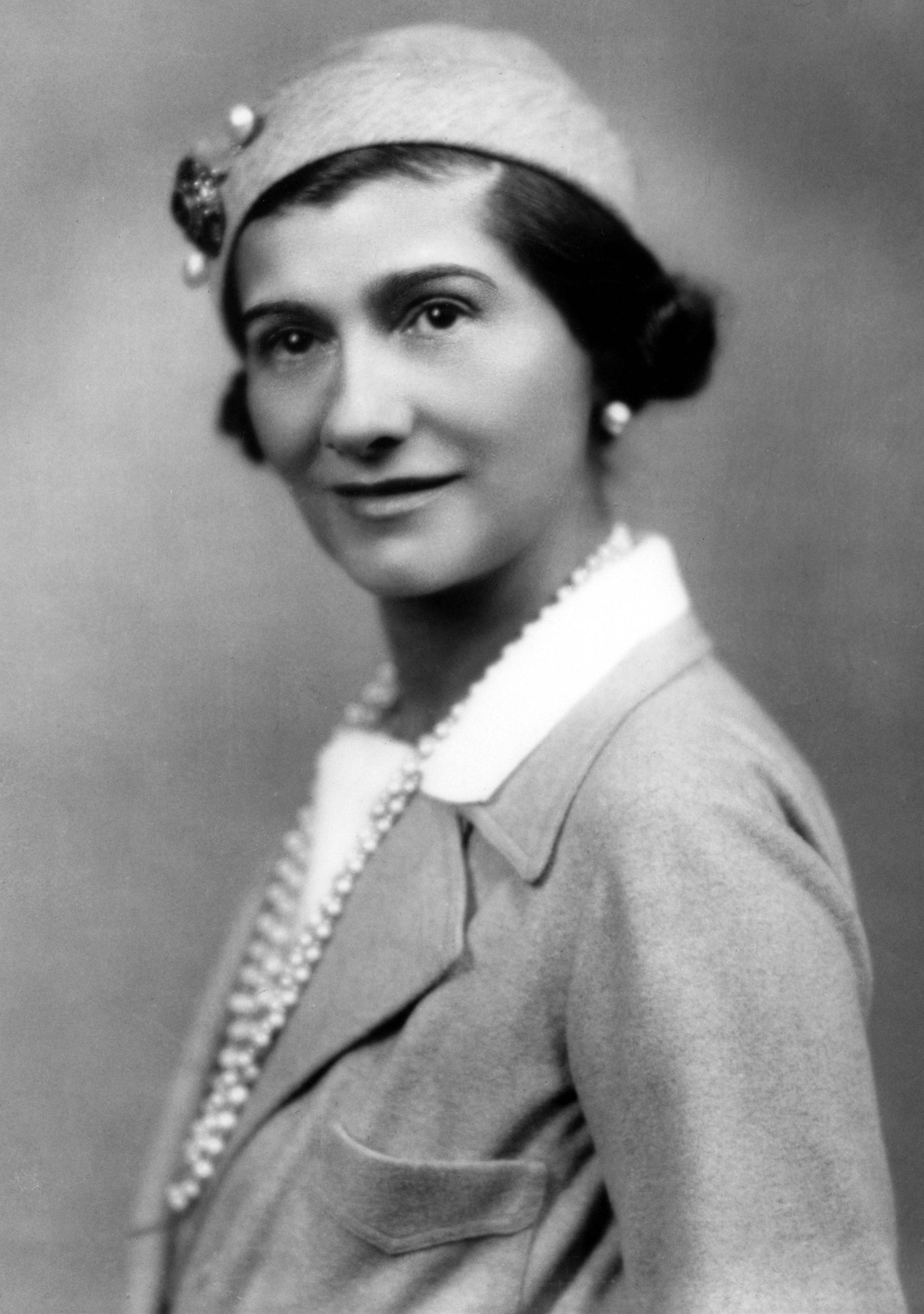
However, in 1954, at the age of 71, she staged one of fashion’s most remarkable comebacks by reopening her couture house in Paris. Initially criticized in France, her designs were warmly received in the United States and eventually regained global popularity. Her Chanel suit became a symbol of modern professional women.
Coco Chanel: Death And Personal Wealth
Coco Chanel worked almost until the end of her life. On January 10, 1971, she died at the Hotel Ritz in Paris at the age of 87. A dedicated and relentless designer, she was putting the finishing touches on a new collection shortly before she passed away.
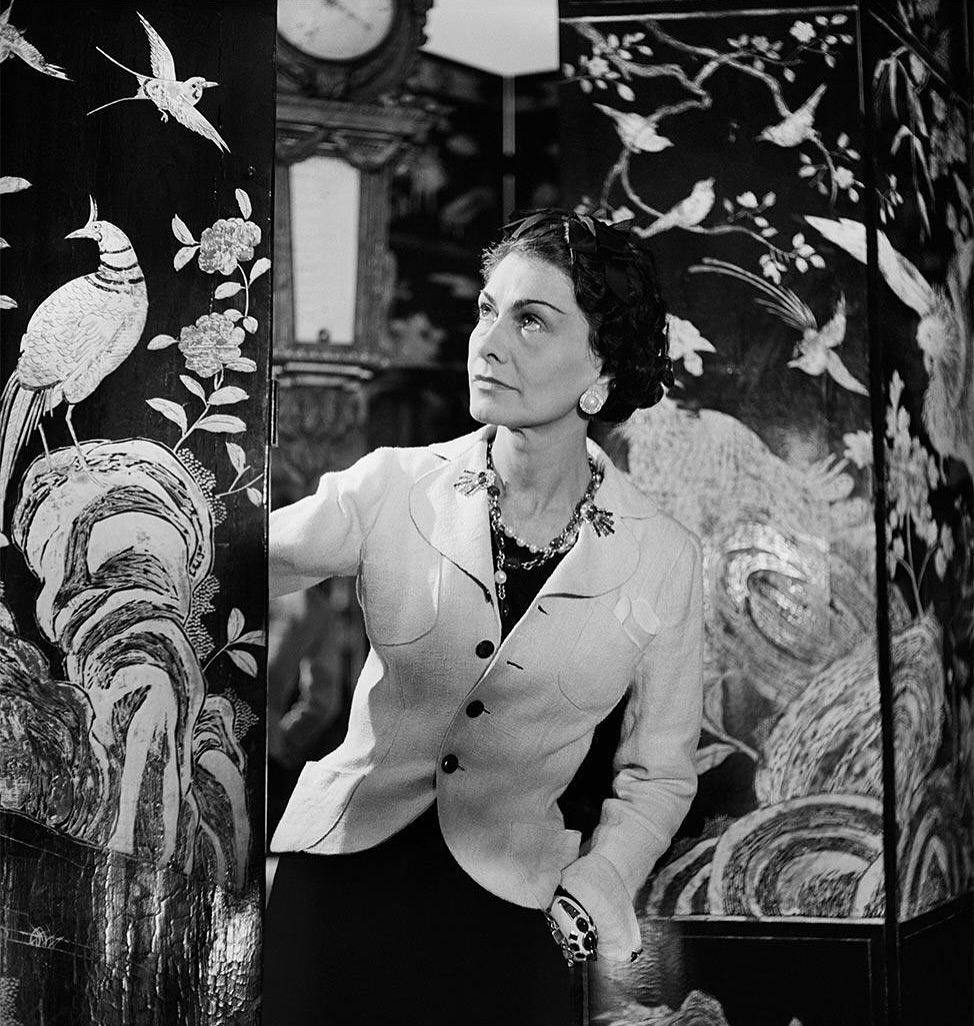
At the time of her passing, estimates of her net worth varied widely, ranging anywhere from $5 million to $100 million, and the exact figure remains uncertain to this day. While substantial for the era, it pales in comparison to the staggering value of the empire she created. Chanel would eventually grow into a brand worth billions.
Chanel’s Global Standing In 2026
Today, Chanel stands as one of the most powerful luxury brands in the world. The company remains privately owned by the Wertheimer family, descendants of Chanel’s early business partners.
Also Read: The Hermès Hierarchy Decoded: The Most Expensive Bags Ever Sold; From Birkins To Entry Level Icons
Key Aspects Of Chanel’s Modern Standing Include:
Annual revenues estimated in the tens of billions of dollars.
Global dominance in luxury fashion, cosmetics, jewellery, watches, and fragrances.
Iconic products such as the Chanel 2.55 bag, Chanel suits, and Chanel No. 5 perfume continuing to drive demand.
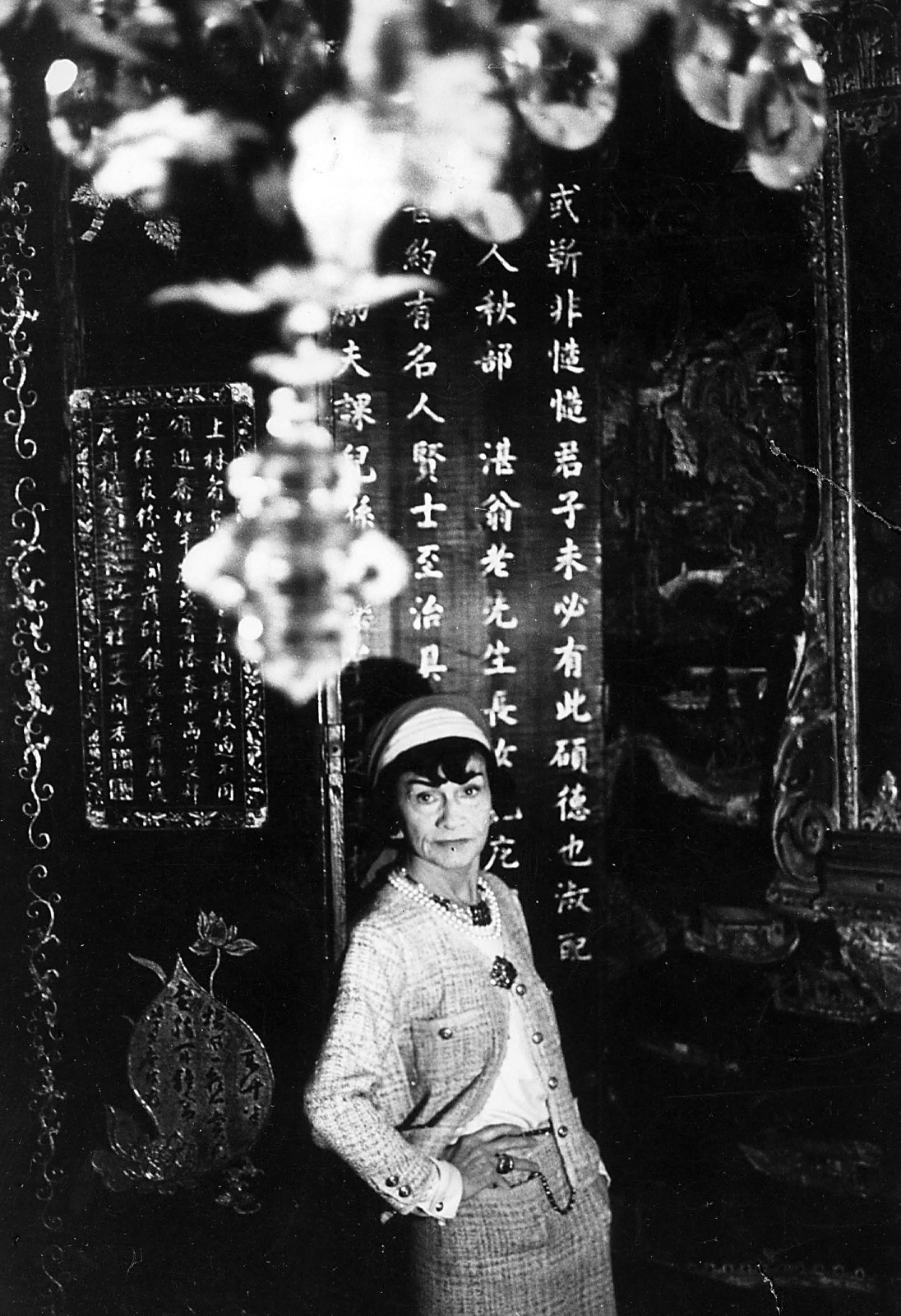
The brand’s creative direction has evolved through designers such as Karl Lagerfeld, who revitalized the house from 1983 until his death in 2019, and more recent leadership continuing the legacy of Chanel’s timeless aesthetic.
More than a century after the first boutique opened, the Chanel brand remains synonymous with luxury, elegance, and Parisian style.
Coco Chanel’s Lasting Legacy
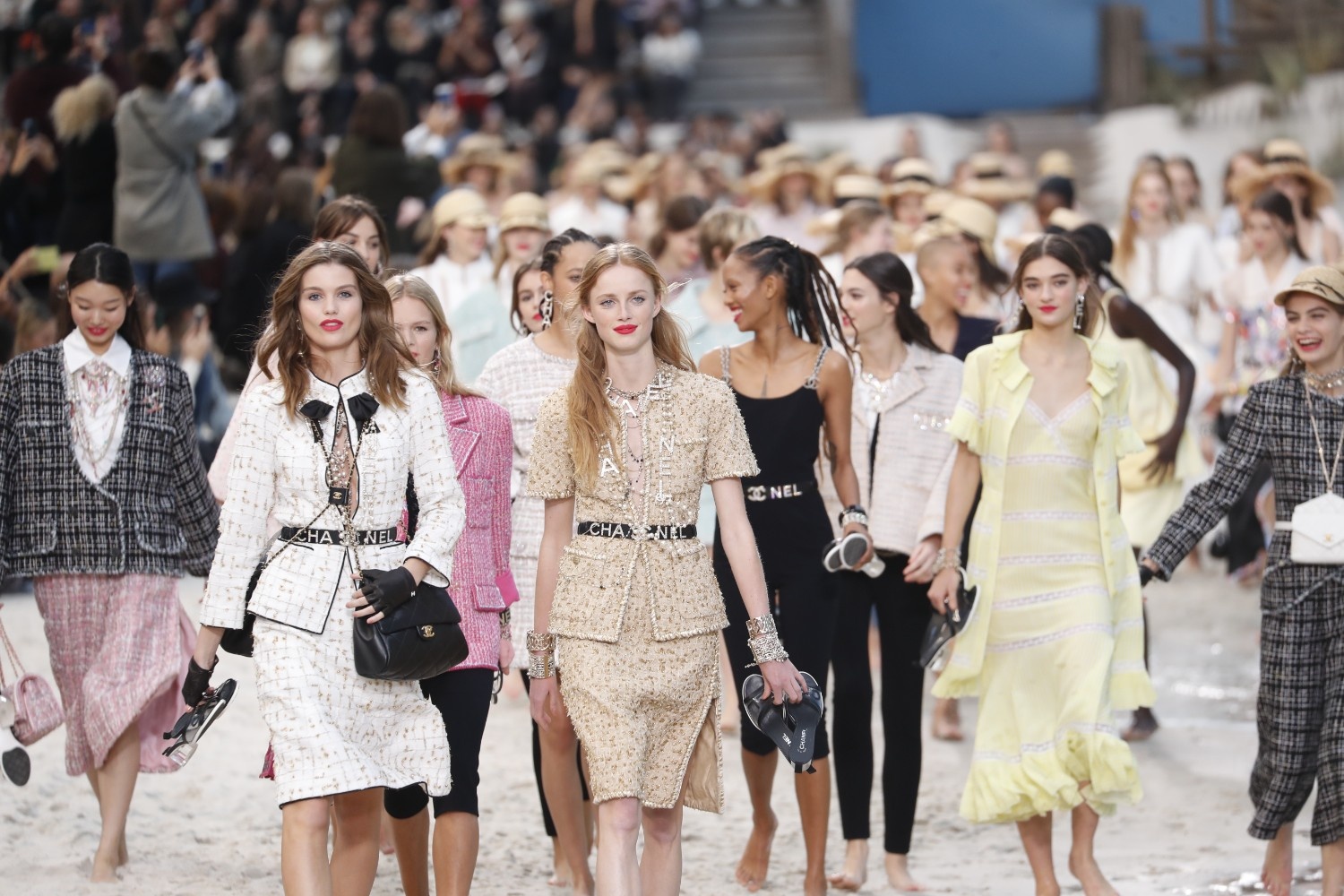
Coco Chanel’s true legacy lies not just in the success of her brand but in the social transformation she helped spark. Her designs liberated women from restrictive clothing and introduced a style that reflected the changing roles of women in modern society. Fashion historians often summarize her impact simply: Chanel made comfort fashionable.
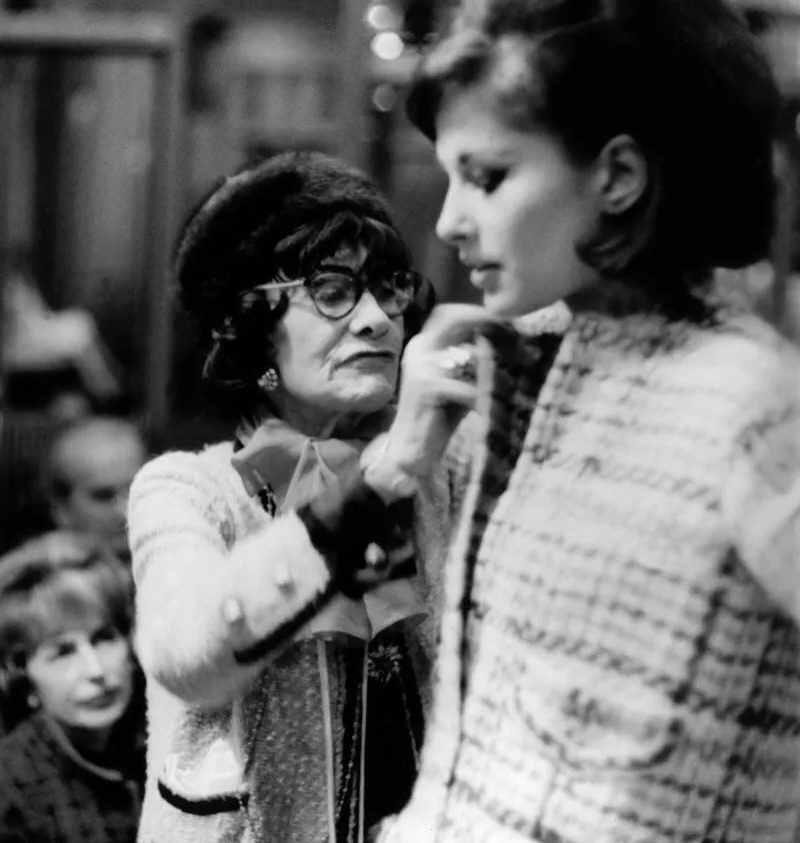
She once famously said: ‘Luxury must be comfortable, otherwise it is not luxury.’
From an orphanage in rural France to the founder of one of the world’s most enduring, iconic fashion empires, Coco Chanel’s life remains one of the most remarkable success stories in business and culture.