Meet Subodh Gupta, Creator Of Met Gala 2026’s Viral Mango And Kitchen Utensil Mask
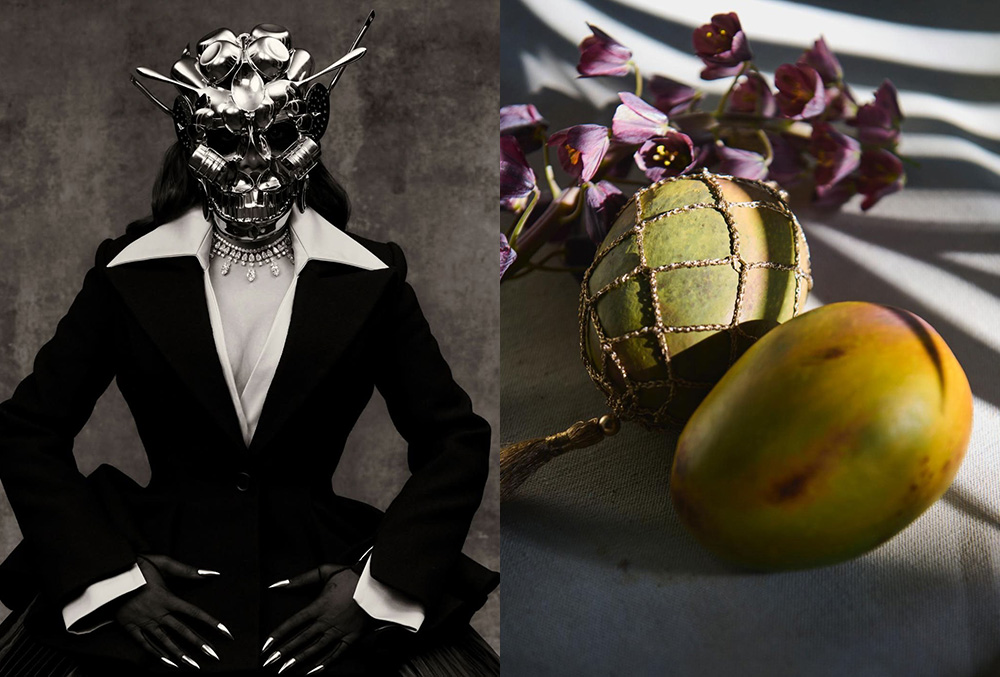
A steel mango in Isha Ambani's bag and a kitchen utensil mask on Ananya Birla's face turned the 2026 Met Gala into an accidental showcase for world-renowned Indian contemporary artist Subodh Gupta, who wasn't even there
Every year, the Met Gala red carpet serves up its parade of drama, but there is always that one moment, that one look, that steals the spotlight. This time it was not a celebrity or a couture masterpiece. It was a mango and some Indian kitchen utensils, unapologetically stealing the show and all the chatter.
The Night A Mango And Bartans Upstaged Everyone
Isha Ambani carried a mango inside her crochet bag, a steel sculpture by New Delhi artist Subodh Gupta, and within minutes every fashion editor, art critic, and anyone with an Instagram account was asking the same question. Is that what we think it is? It was.

And beside her, in a manner of speaking, stood Ananya Birla making her Met debut, face fully obscured by a stainless steel and acrylic headpiece built from a rolling board, tongs, a ladle, and bowls. Kitchen utensils on the steps of the Metropolitan Museum of Art. On the most photographed night in fashion.

The theme was fashion as art. India sent the India story.
Both pieces came from the same man, and that man did not attend the evening. He did not need to.
Also Read: Met Gala 2026: Ananya Birla Wears Indian Utensils As Armour In Her Quirky Headgear Look
Who Is Subodh Gupta?
Subodh Gupta, world-renowned artist, sculptor, and arguably the most subversive voice in Indian contemporary art, managed to be the most talked-about presence at the Met Gala without setting foot on the carpet. He was born in 1964 in Khagaul, a small town where his father worked in the railway department. After his father’s death, at just twelve years old, he moved to Nanapur, his mother’s village to continue his studies. There, he found theatre first, performing on small stages and designing own posters for their group.
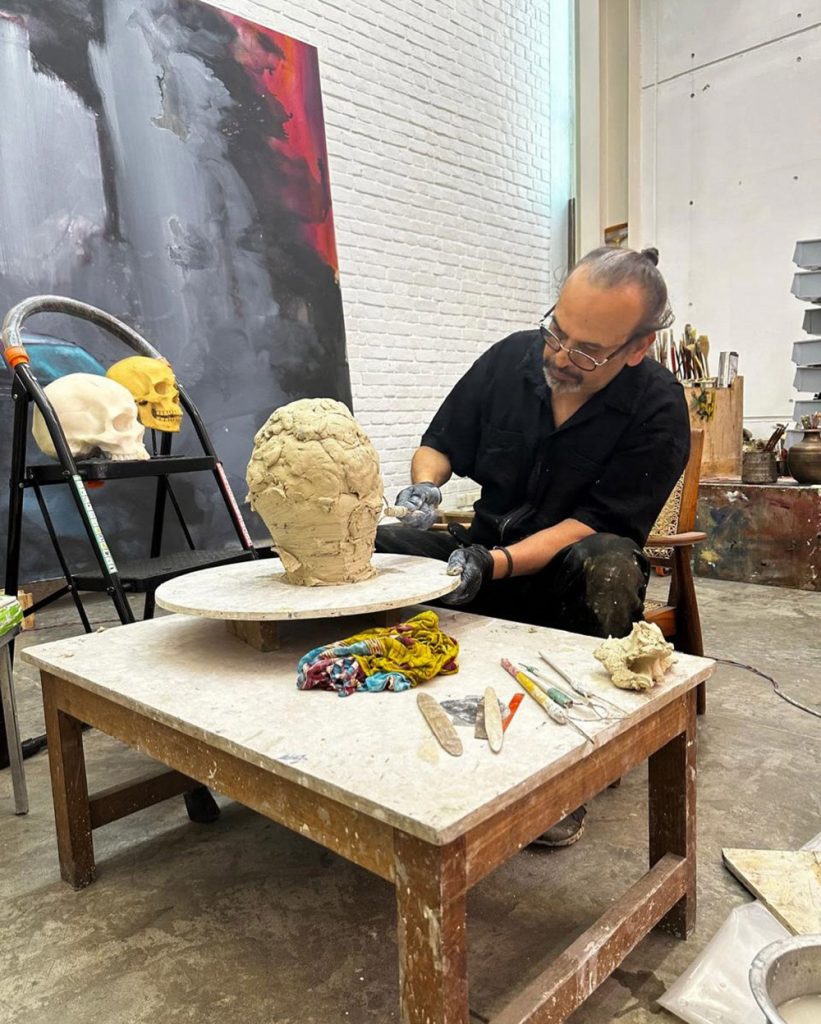
In an exclusive interview with Harper’s Bazaar, he once said: “In a small-town theatre, there weren’t specific roles, but it taught me a lot about discipline. We would make posters, gather equipment, sell tickets, design stages, and do our own make-up. We took care of every aspect ourselves. This discipline has had a more significant impact on my artistic journey than my formal education at art school.”
Then came a degree from the College of Arts and Crafts in Patna, a move to Delhi, and years of honest, unglamorous struggle before the world caught up with what he already understood.
How The Indian Kitchen Became Subodh Gupta’s Canvas
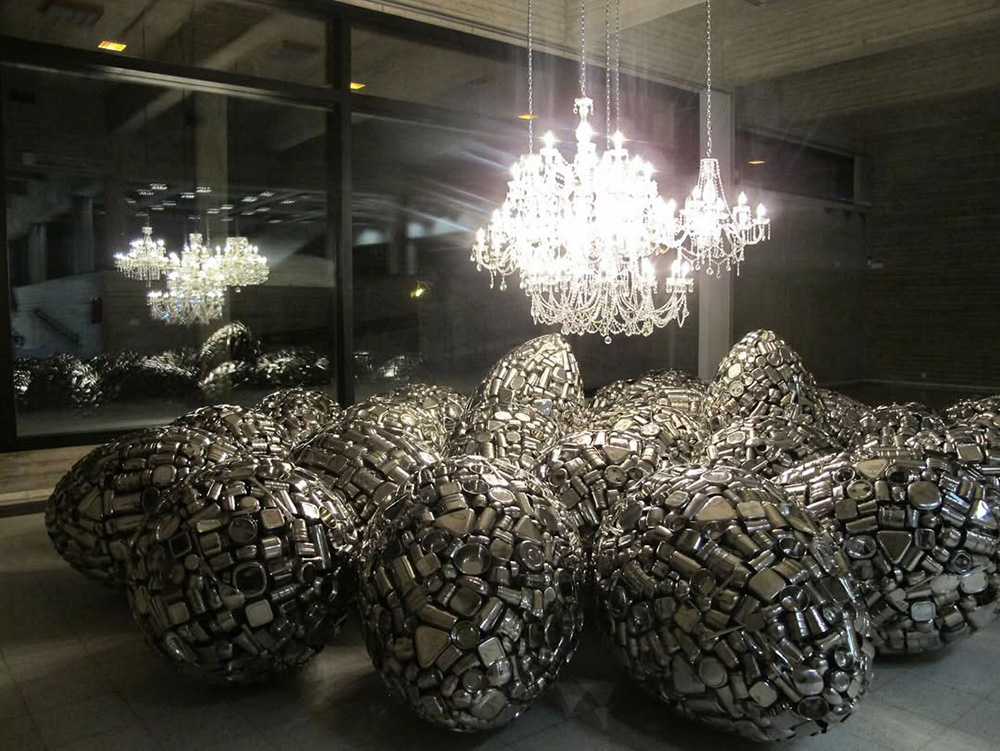
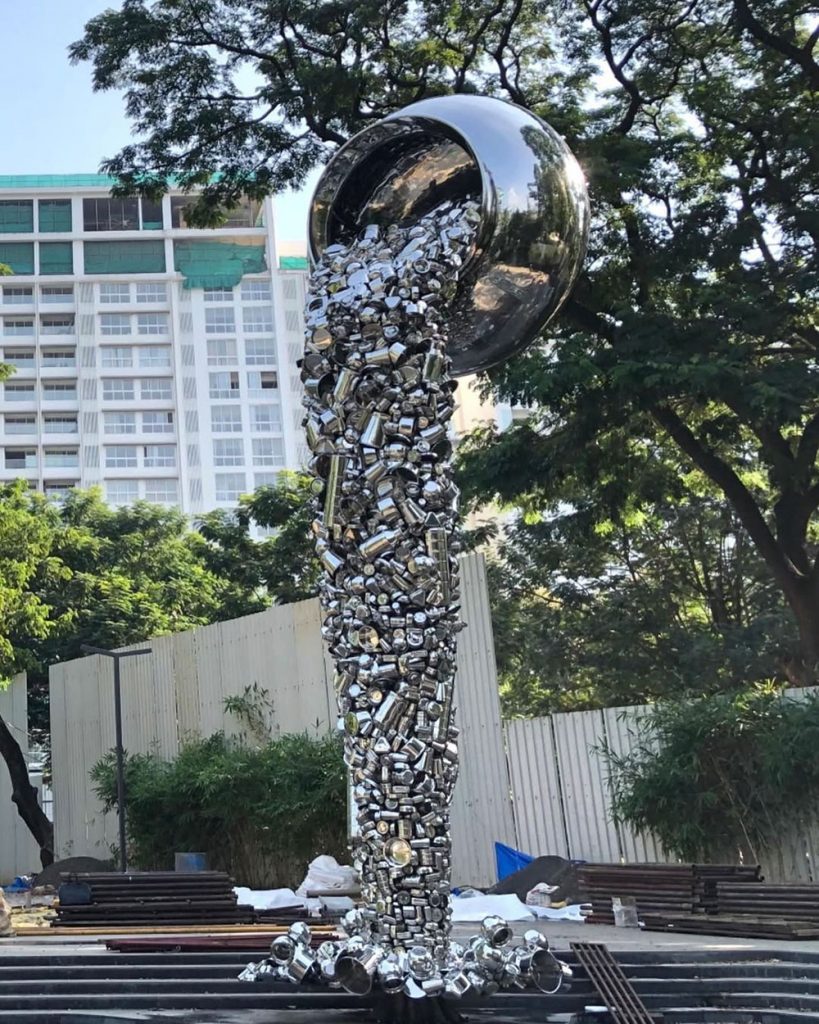
What he understood was that the Indian kitchen is one of the most layered, emotionally loaded, politically charged spaces on earth, and that nobody in the art world had thought to treat it as such. His chosen material became the objects of everyday domestic life – tiffin boxes, thalis, milk pails, ladles. The gleaming stainless steel vocabulary that lives in every Indian household regardless of class, caste, or geography. To Western eyes, these objects read as exotic markers of a faraway culture. To Indians, they are simply what dinner smells like. He drew inspiration not just from the kitchen, but from the common man and the everyday, mundane objects that most people would otherwise not give a second glance.
Very Hungry God By Subodh Gupta
In 2006, he assembled a monumental skull from hundreds of stainless steel kitchen utensils, the whole thing weighing over a thousand kilograms, and called it Very Hungry God. François Pinault bought it in 2007 and installed it outside his Palazzo Grassi museum in Venice. The Indian kitchen arrived in one of Europe’s most storied cultural settings and did not flinch.
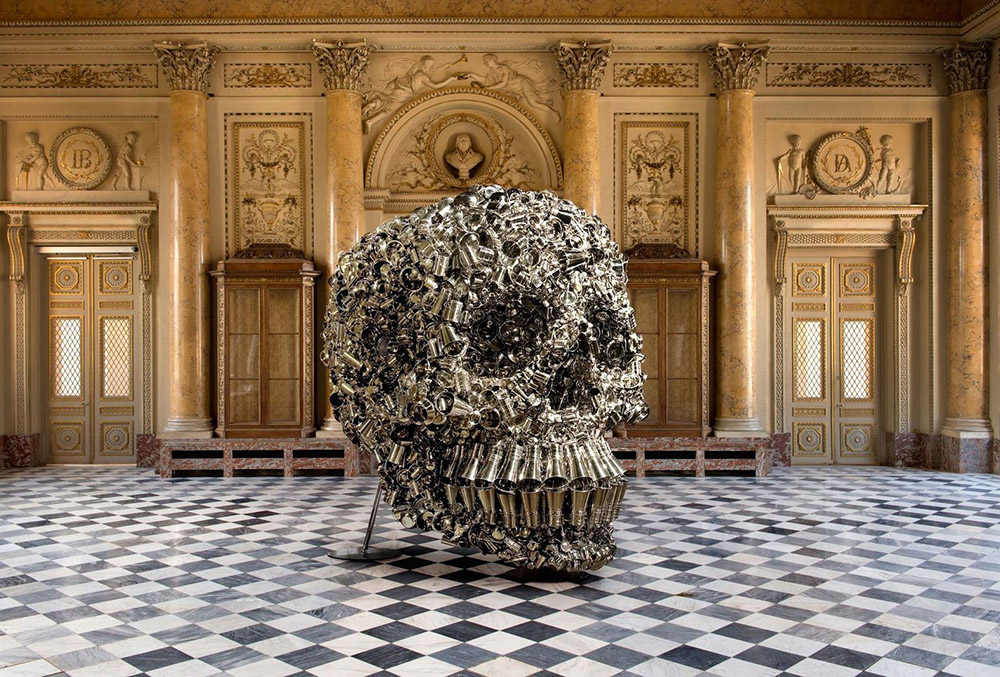
Two years later, Line of Control took the same domestic vocabulary and arranged it into the shape of a mushroom cloud. Objects of sustenance, reconfigured as the architecture of mass destruction. The tension in that image, the beauty and the horror of it existing simultaneously, is what separates Gupta from the merely clever.
A Career That Refused To Stay In One Room
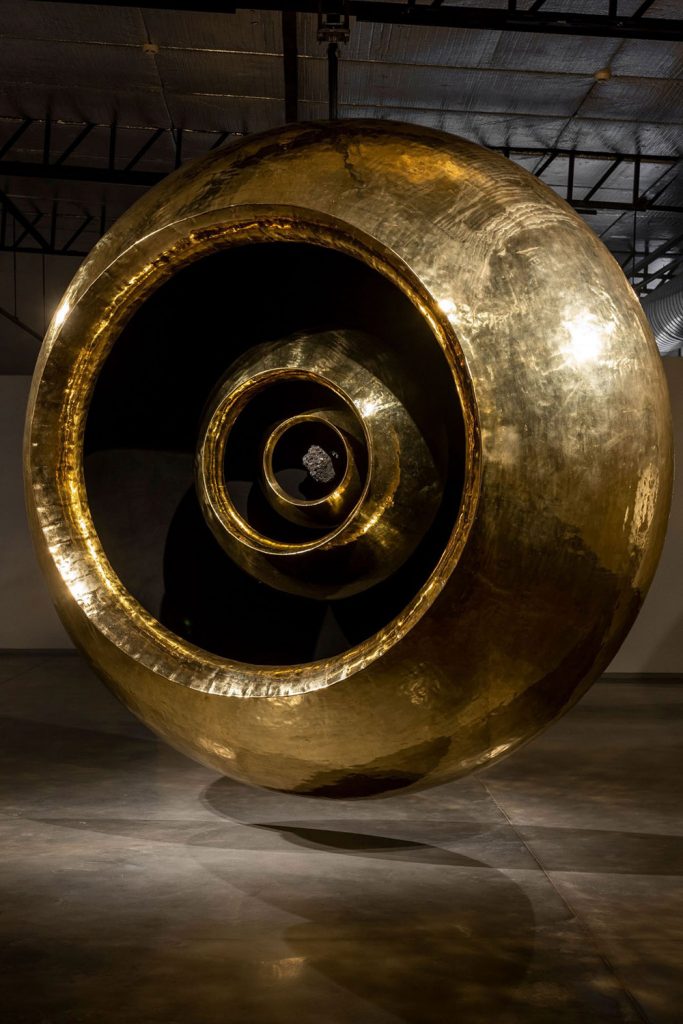
He has since shown at the Smithsonian, the Victoria and Albert Museum, Art Basel, and Frieze. The French government awarded him the Chevalier dans l’Ordre des Arts et des Lettres. He is married to fellow artist Bharti Kher, and together they form perhaps the most creatively alive household in Indian contemporary art. His work has been compared to Duchamp, as both men understood that pointing at an ordinary object and demanding the world look harder is among the most radical gestures available to an artist.
Subodh Gupta’s Solo Show At NMACC
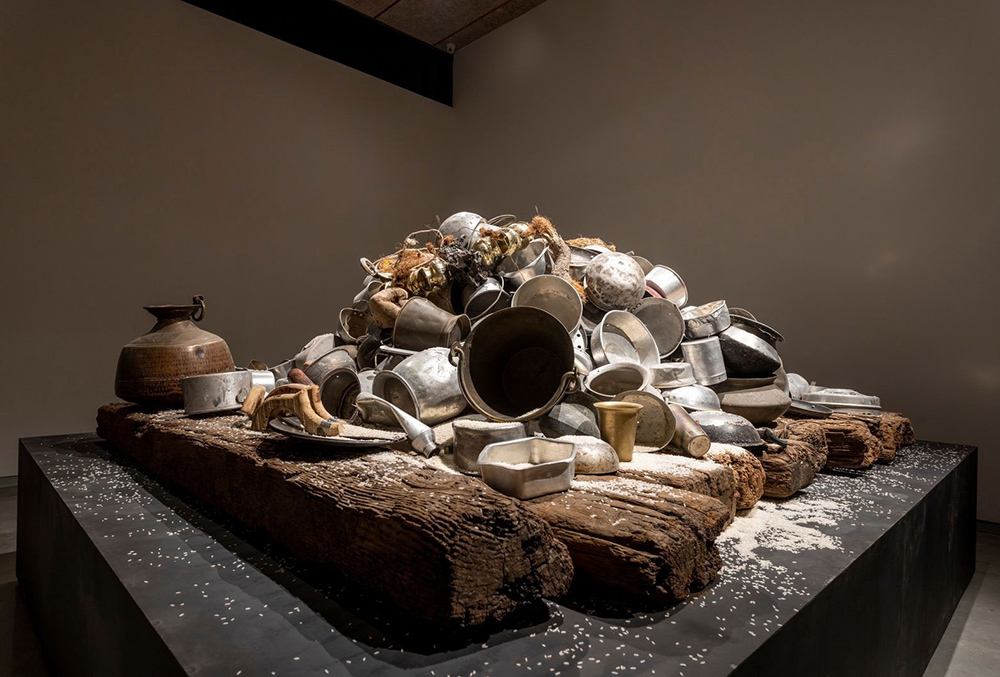
Right now, at the Nita Mukesh Ambani Cultural Centre in Mumbai, Gupta is presenting A Fistful of Sky, the largest show of his career. Curated by Clare Lilley, it runs till 17 May 2026 across four floors of the Art House and is, by every serious account, a landmark. Proust Mapping stretches nine metres across, assembled from used cooking pans still carrying their burn marks and the physical evidence of years of daily use. Nine Stupa gathers stainless steel utensils from ordinary homes and rebuilds them as Buddhist devotional structures. The title installation arranges nine beds across a room, each holding a different material condition – grass, rubble, stone, water, cloth bundled as if someone is perpetually mid-move. It is a show about migration and labour and memory, told through things that most people wash and put away without a second thought.
The Mundane As Art
View this post on Instagram
Gupta has always known that the aam is not so aam. That the objects of the ordinary are not lesser subjects for art but in fact the most honest ones. That a steel tiffin box, if you look at it long enough, contains an entire civilisation.
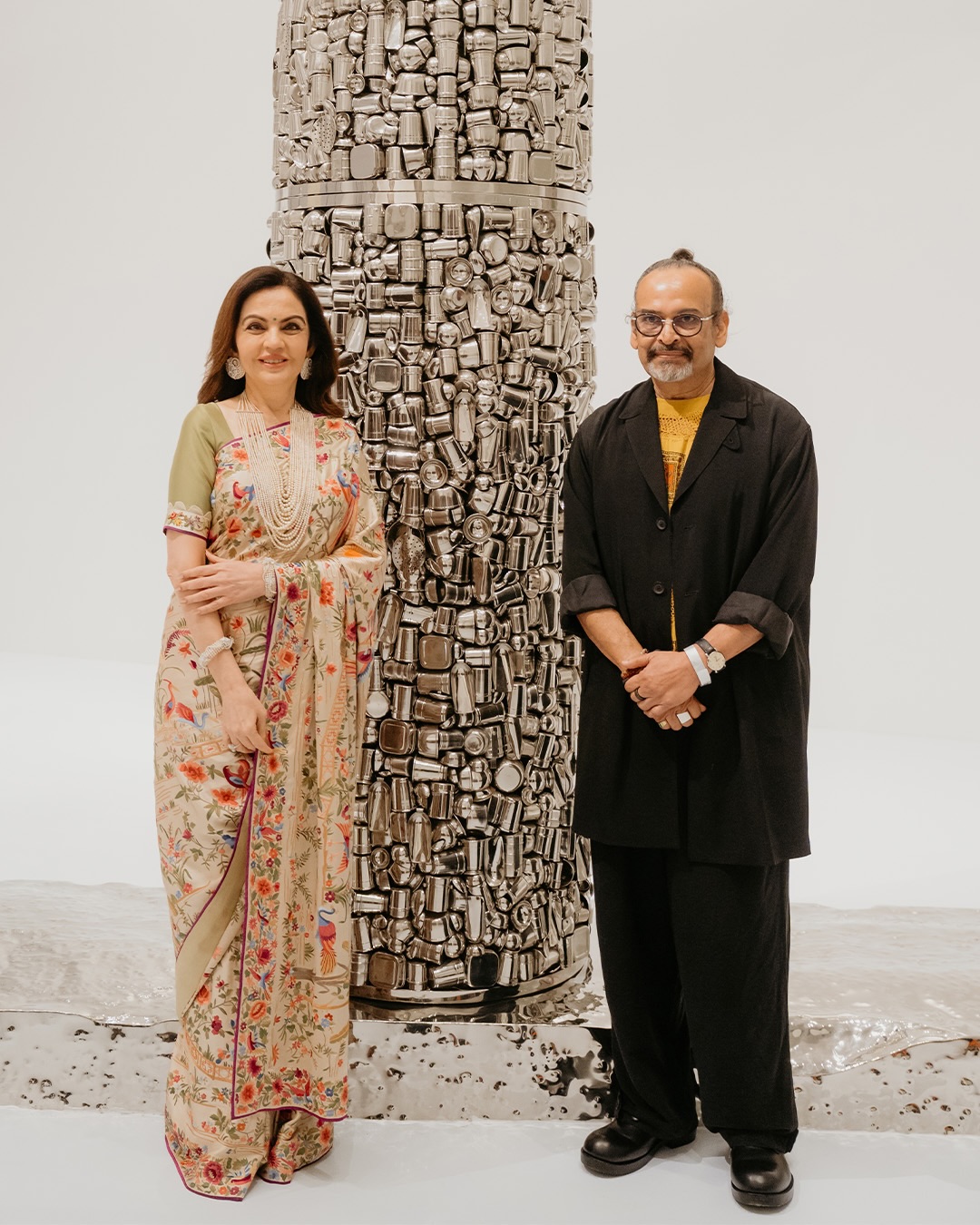
On the steps of the Met this week, on two of India’s most visible women, even the most jaded fashion crowd had to stop and look. A mango. A kitchen utensil mask. The stuff of every Indian home, elevated to the stage that fashion calls its Olympics.