The Forgotten Supercars That Deserve A Place In Every Collector’s Garage
A journey through rare performance machines that were overlooked in their era but are now being rediscovered by collectors for their design, engineering and timeless appeal
There was a time when a supercar was not a rolling computer wrapped in carbon fibre and fitted with enough screens to operate a small aircraft. It was a machine with a temper, a soundtrack and occasionally the manners of an angry wild animal. You did not simply get inside one. You prepared yourself for it. The steering was heavy, the engine had a voice of its own and every journey felt like a small adventure rather than a commute with better upholstery.
The golden age of the supercar produced some truly remarkable creations, machines built not because an algorithm suggested they would sell, but because engineers, designers and dreamers wanted to see just how far they could push the limits. Some became legends instantly, while others quietly disappeared behind bigger names and louder rivals. Yet time has a curious habit of correcting mistakes. The cars once overlooked are now being rediscovered by collectors who understand that true greatness is not always measured by popularity. These are the forgotten supercars that deserve another look, not simply because they are rare, but because they carry something increasingly missing from the modern automotive world; personality.
Also Read: Bentley Launches New Flying Spur: Features, Engine Specs, And Hybrid Power Redefined
Jaguar XJ220
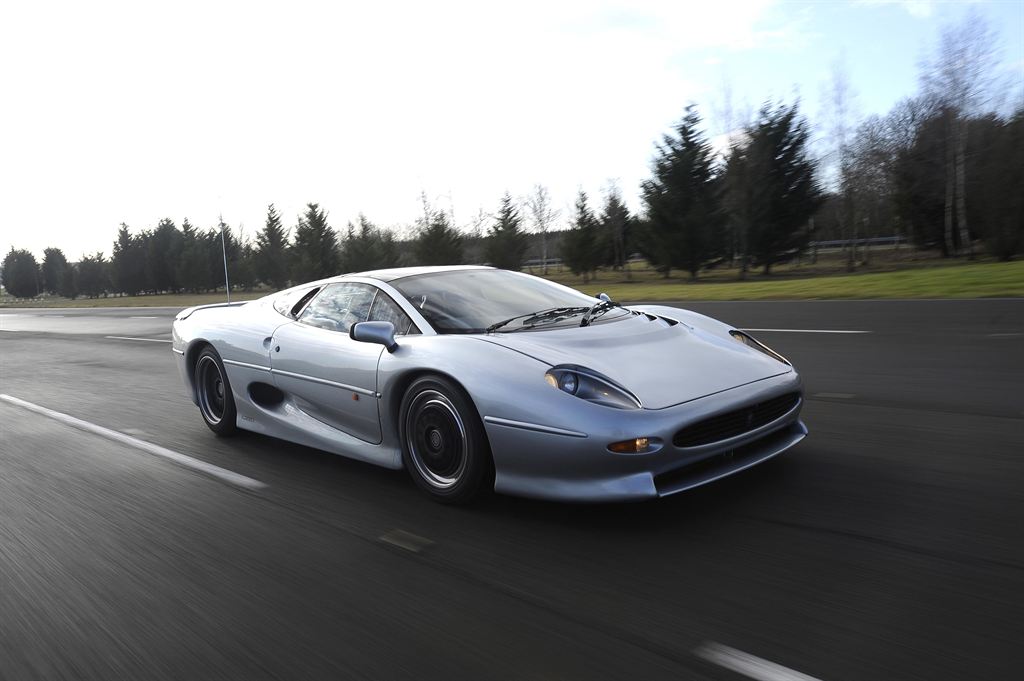
There was a time when the Jaguar XJ220 was considered one of the most ambitious performance cars ever produced. Born from Jaguar’s racing ambitions, it represented a bold attempt to create a machine capable of challenging the greatest supercars of its generation. With its dramatic proportions, low stance and twin turbocharged power, the XJ220 looked like something from another decade. It had presence, speed and the sort of outrageous design that made people stop and stare.
Yet changing expectations and the arrival of newer rivals pushed it away from the spotlight. But collectors today increasingly appreciate what made it special. The XJ220 was not a car designed by committee. It was a statement from an era when manufacturers still took enormous risks. Its appeal lies not only in performance but in its story: a reminder of a time when ambition mattered more than market approval.
Mercedes Benz CLK GTR
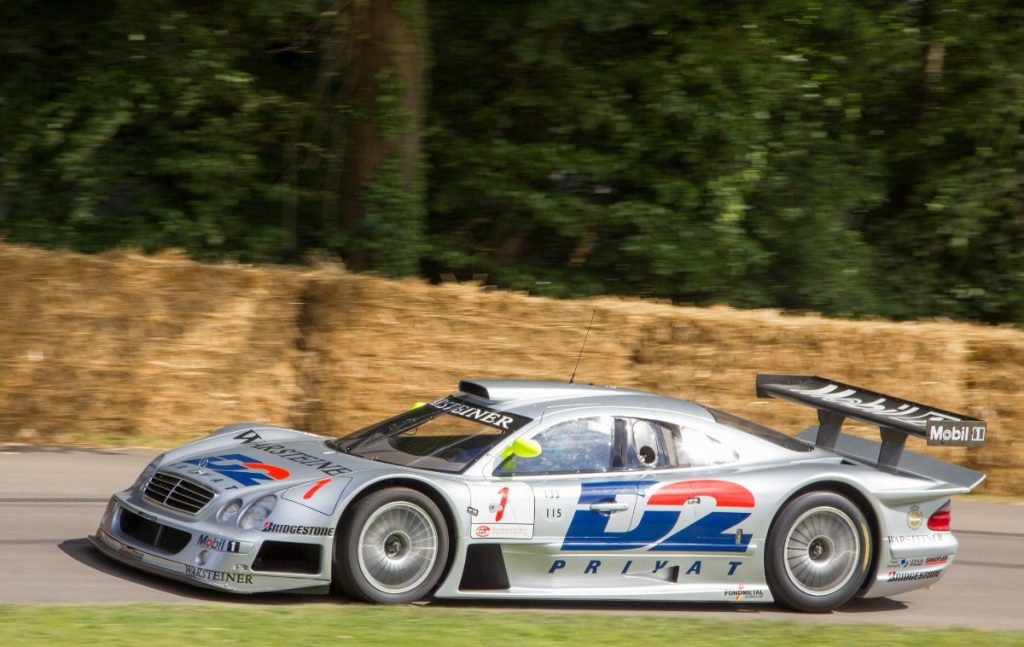
The Mercedes Benz CLK GTR was the kind of car that made people question whether it belonged on public roads at all. Created from motorsport DNA, it was effectively a competition machine adapted for the street. Its aggressive proportions, extreme engineering and unmistakable presence made it one of the wildest supercars of its era.
Unlike modern performance cars designed to make everything easy, the CLK GTR demanded respect. It was dramatic, uncompromising and built around the idea that driving should feel like an event. Produced in very limited numbers, it has become one of the most fascinating collector cars in existence. It represents a period when manufacturers competed not only to create fast vehicles, but to create unforgettable ones.
Also Read: Audi Introduces New Hypercar With Advanced Design And Powertrain
Porsche Carrera GT
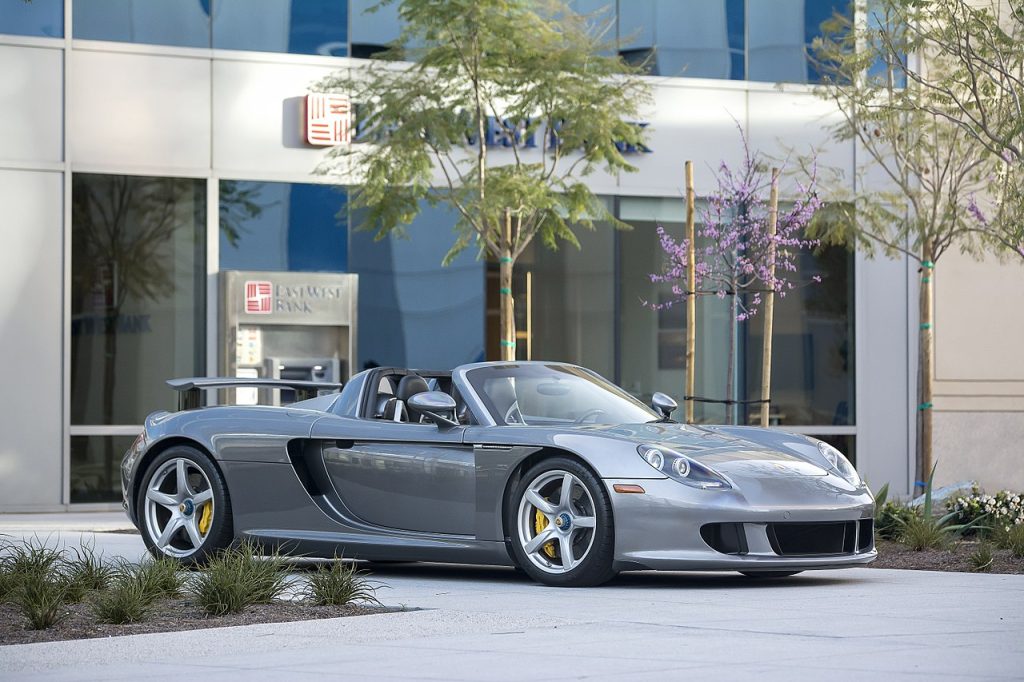
The Porsche Carrera GT arrived during the final years of a simpler automotive age. Its naturally aspirated V10 engine, inspired by motorsport, delivered a driving experience that was raw and deeply connected. It did not hide behind layers of technology. It asked the driver to participate. Every sound, every movement and every response felt mechanical and alive. Today, when many supercars are becoming increasingly digital, the Carrera GT stands as a reminder of what driving used to feel like. It is not just a Porsche. It is a time capsule from an era when the machine and the driver still had a direct conversation.
Ferrari F40
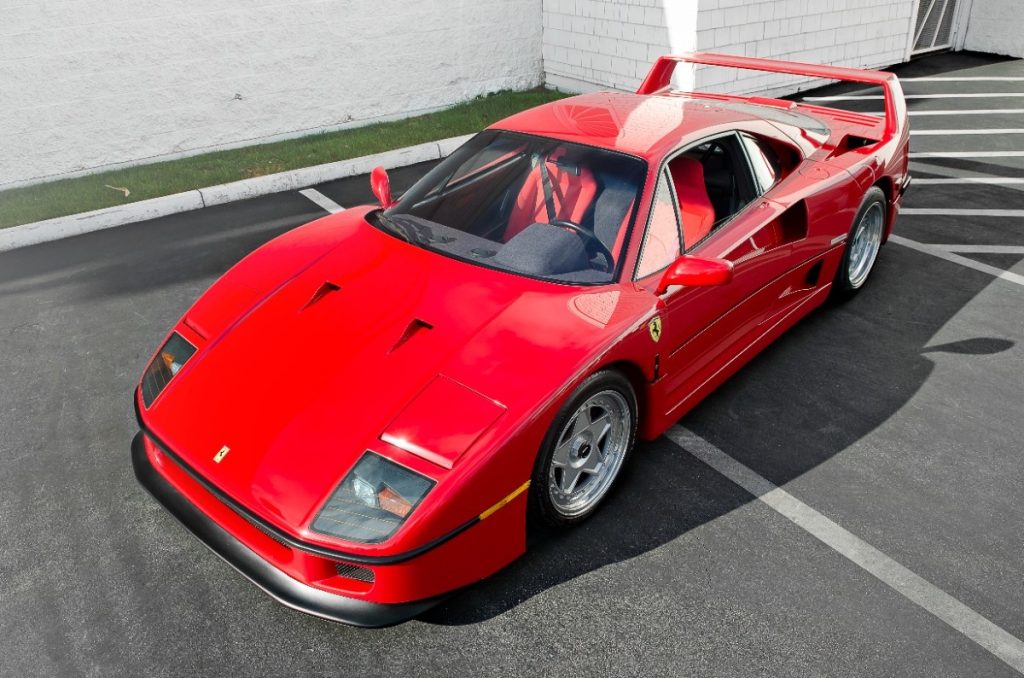
Created to celebrate Ferrari’s 40th anniversary, the F40 became one of the most memorable performance machines ever produced. With its lightweight construction, aggressive styling and twin turbocharged V8 engine, the F40 felt less like a luxury automobile and more like a road going racing machine. It did not surround the driver with endless technology or attempt to make speed effortless. Instead, it delivered an experience that required attention, confidence and a certain amount of courage.
While newer Ferraris may be quicker and more advanced, the F40 remains special because it represents a disappearing philosophy of performance. It was built before supercars became digital masterpieces, when the driver still felt every vibration, every shift and every surge of power. For collectors, the F40 is more than a Ferrari. It is a time capsule from the golden age of supercars, a machine that captures the excitement, ambition and madness of an era when manufacturers were willing to chase perfection without losing personality.
Lamborghini Diablo
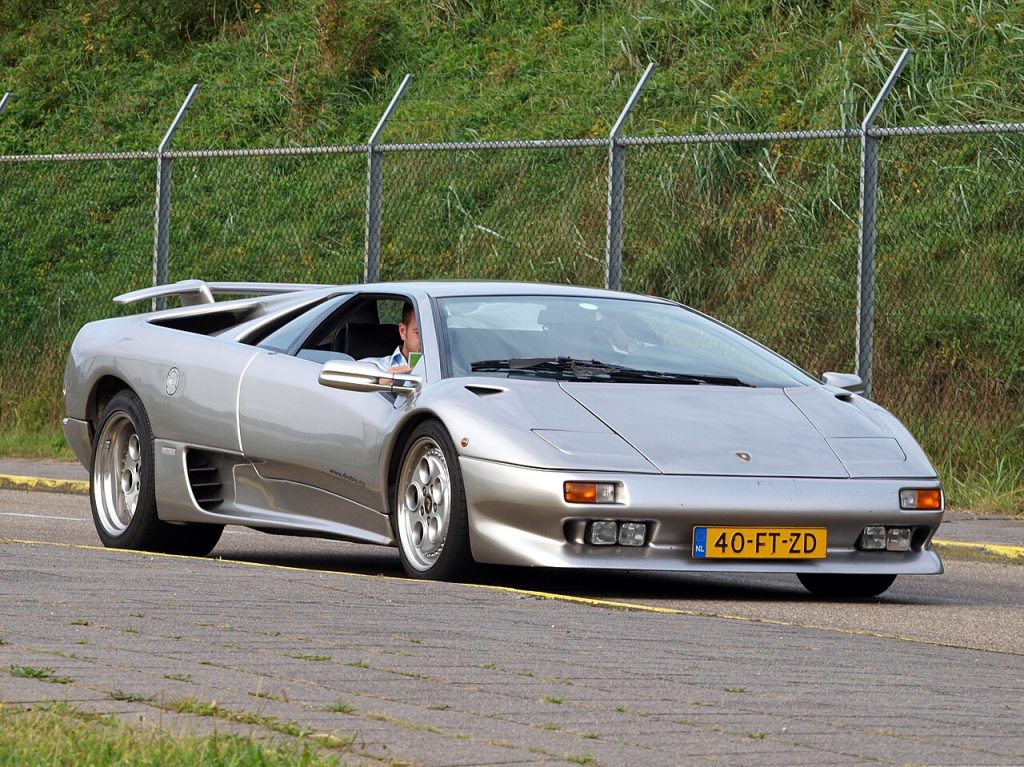
Before supercars became carefully calculated products, there was the Lamborghini Diablo. It was wide, dramatic and completely impossible to ignore. The Diablo looked exactly how a child imagined a supercar should look. It had sharp lines, a powerful V12 and a sense of theatre that modern cars sometimes struggle to recreate. It demanded attention even when standing still. While newer Lamborghinis may be faster and more technologically advanced, the Diablo remains special because it captured something far more difficult to engineer: emotion. It was not just transportation. It was a dream with an engine.