What Is The Purpose Of A Plastic Engine Cover? Everything You Need To Know
Modern engine covers do far more than improve appearances, from reducing noise and protecting vital components to enhancing efficiency and simplifying maintenance
Lift the bonnet of almost any modern car and you will probably be greeted not by gleaming metal, intricate pipes or mechanical theatre, but by a large sheet of moulded plastic. It looks suspiciously like something designed to hide the interesting bits. Enthusiasts often dismiss it as little more than cosmetic camouflage, a decorative panel that conceals an increasingly complicated engine beneath. But that assumption could not be further from the truth. Modern plastic engine covers are the result of careful engineering, balancing heat management, noise reduction, safety and even aerodynamics within the engine bay. They may lack the visual drama of polished intake manifolds from decades past, yet these seemingly ordinary panels perform several important functions that make today’s engines quieter, cleaner and more efficient. Outlook Luxe explains why almost every manufacturer fits one and why removing it may not be the clever modification many believe it to be.
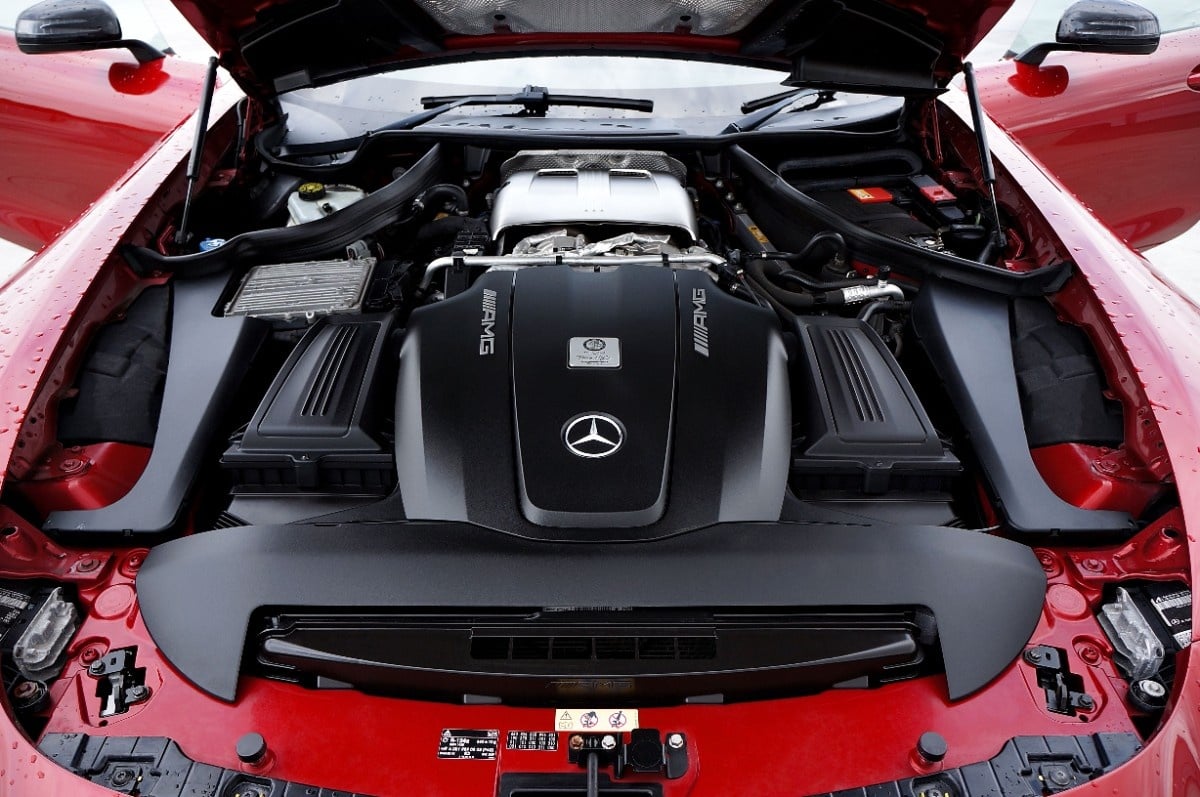
They reduce engine noise and vibration
One of the primary functions of a plastic engine cover is acoustic insulation. Modern engines generate vibrations from injectors, valve trains, fuel pumps and turbochargers that would otherwise travel directly into the cabin. Manufacturers often fit sound-absorbing foam beneath the cover, helping suppress mechanical noise and creating the refined driving experience expected in premium vehicles.
Also Read: Who Is Asha Sharma? The Xbox Executive Joining The Federal Reserve’s New AI Task Force
They protect sensitive engine components
Today’s engines contain numerous electronic sensors, ignition coils, wiring harnesses and high-pressure fuel systems. The engine cover shields these components from dust, dirt, moisture and accidental contact during routine servicing. While it is not waterproof, it provides an additional layer of protection against everyday contaminants.

They help manage engine temperatures
Contrary to popular belief, the cover is not designed to trap excessive heat. Instead, engineers carefully shape it to regulate airflow around the engine. Many covers incorporate integrated air channels or vents that direct heat away from critical components while maintaining stable operating temperatures throughout the engine bay.
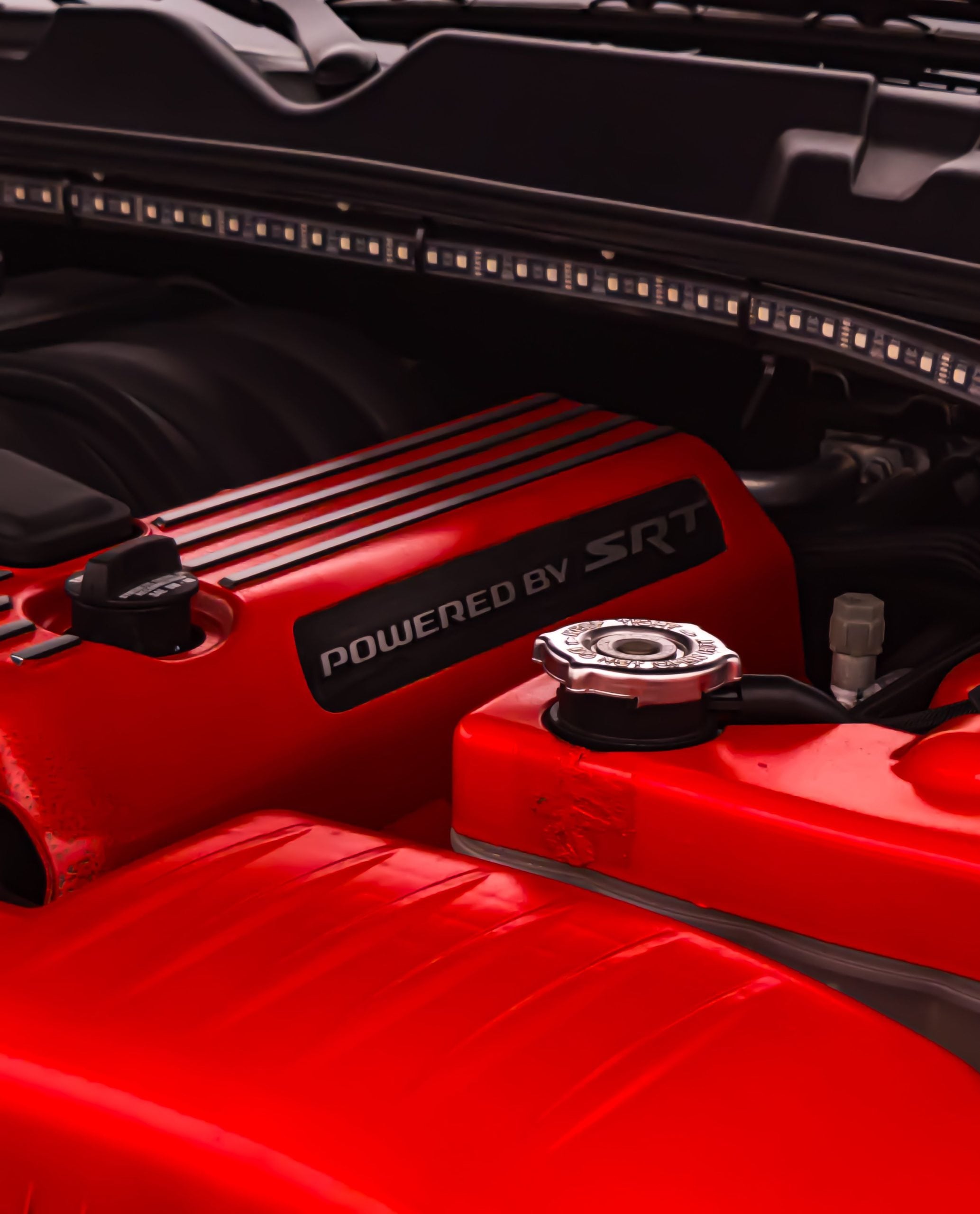
They improve under-bonnet airflow
Automotive engineers spend countless hours refining airflow beneath the bonnet. A smooth engine cover reduces turbulence around the engine, allowing cooling air to move more efficiently through the engine bay. Although the aerodynamic gains are relatively small, every improvement contributes to fuel efficiency and thermal management.
Also Read: Why Prototype Cars Wear Camouflage Before They’re Revealed
They create a cleaner and more premium appearance
Modern luxury cars place significant emphasis on presentation, even beneath the bonnet. Rather than exposing a maze of hoses, wiring and brackets, manufacturers use engine covers to create a clean, organised appearance that reflects the engineering quality of the vehicle. Many premium brands also emboss their logos or engine designations directly onto the cover.
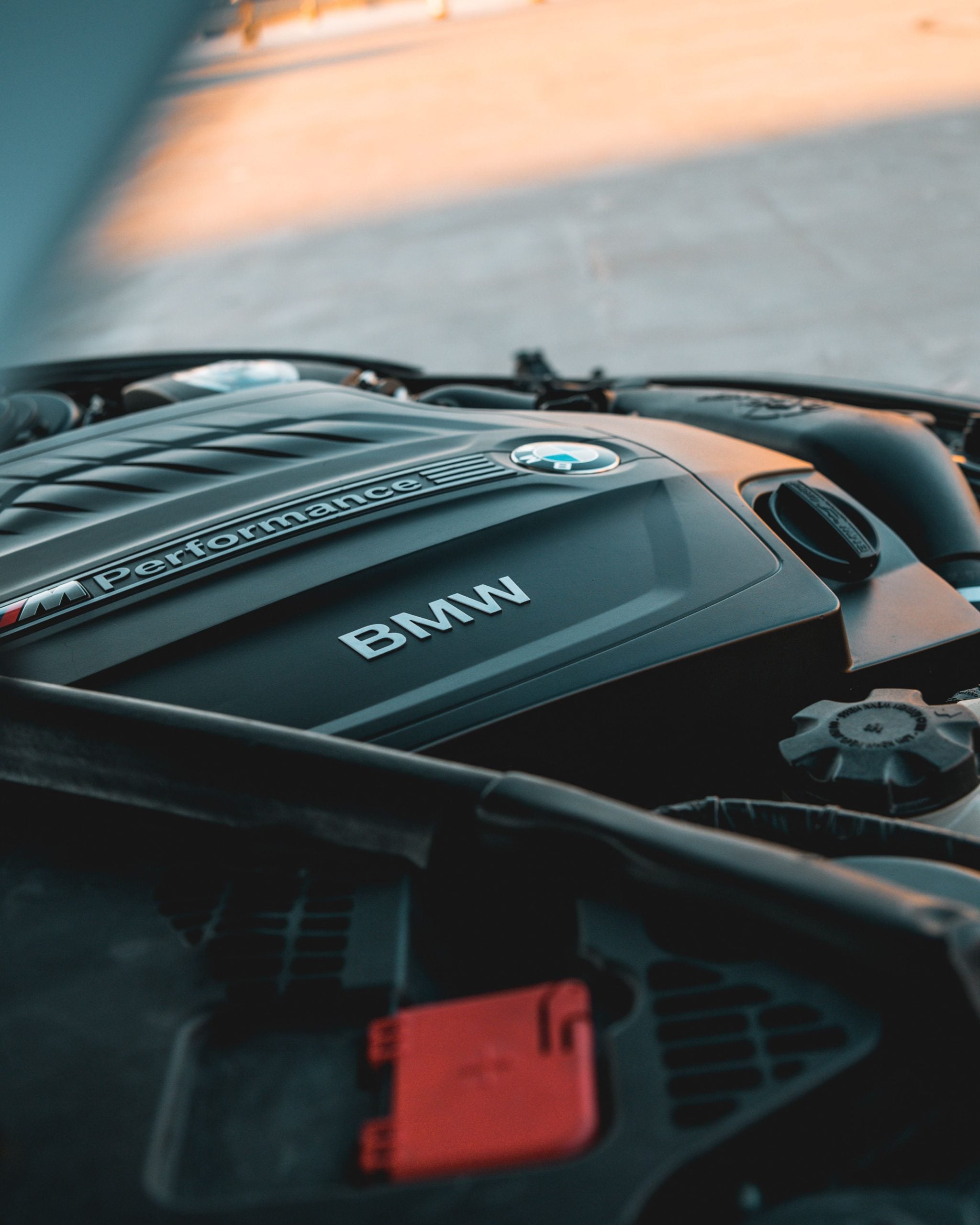
Should you remove the engine cover?
Some enthusiasts remove plastic engine covers believing they improve cooling or simplify maintenance. In reality, the benefits are often minimal. Removing the cover may slightly increase engine noise while exposing sensitive components to greater levels of dust and accidental damage. Unless the manufacturer specifically recommends removing it for track use or servicing, leaving the cover in place is generally the better choice.
More engineering than decoration
Although they rarely receive much attention, plastic engine covers are carefully engineered components rather than decorative accessories. They reduce noise, protect vital systems, improve airflow and enhance the overall ownership experience without adding significant weight. Like many aspects of modern automotive engineering, their greatest achievement is that they quietly perform multiple tasks while most drivers never notice them at all.