Interview: Papa Don’t Preach’s Shubhika Sharma On High Jewellery Debut And Treading Into New Territories
From once making DIY board games, paper planes, and best out of waste bags to now selling high-jewellery dreams with her new line, designer Shubhika Sharma speaks on where curiosities can take one...perhaps in an exquisite world of pigeon-blood rubies, polkis, Zambian emeralds, pink sapphires, to rare tanzanites
On a balmy January morning, when Dhan Mill was picking up with the rush of HNIs and to-be brides shopping for their wedding lehengas, mehndi fits and haldi co-ords, we entered an Alice in Wonderland-inspired designer store. A whimsical doorway led us into a marshmallow pink universe, housing haute couture — bridal lehengas in colour-popping seafoam tones, peach, mint green, sandstone embellished with crystals, sequins, beadwork, mirrorwork and gold embroidery.
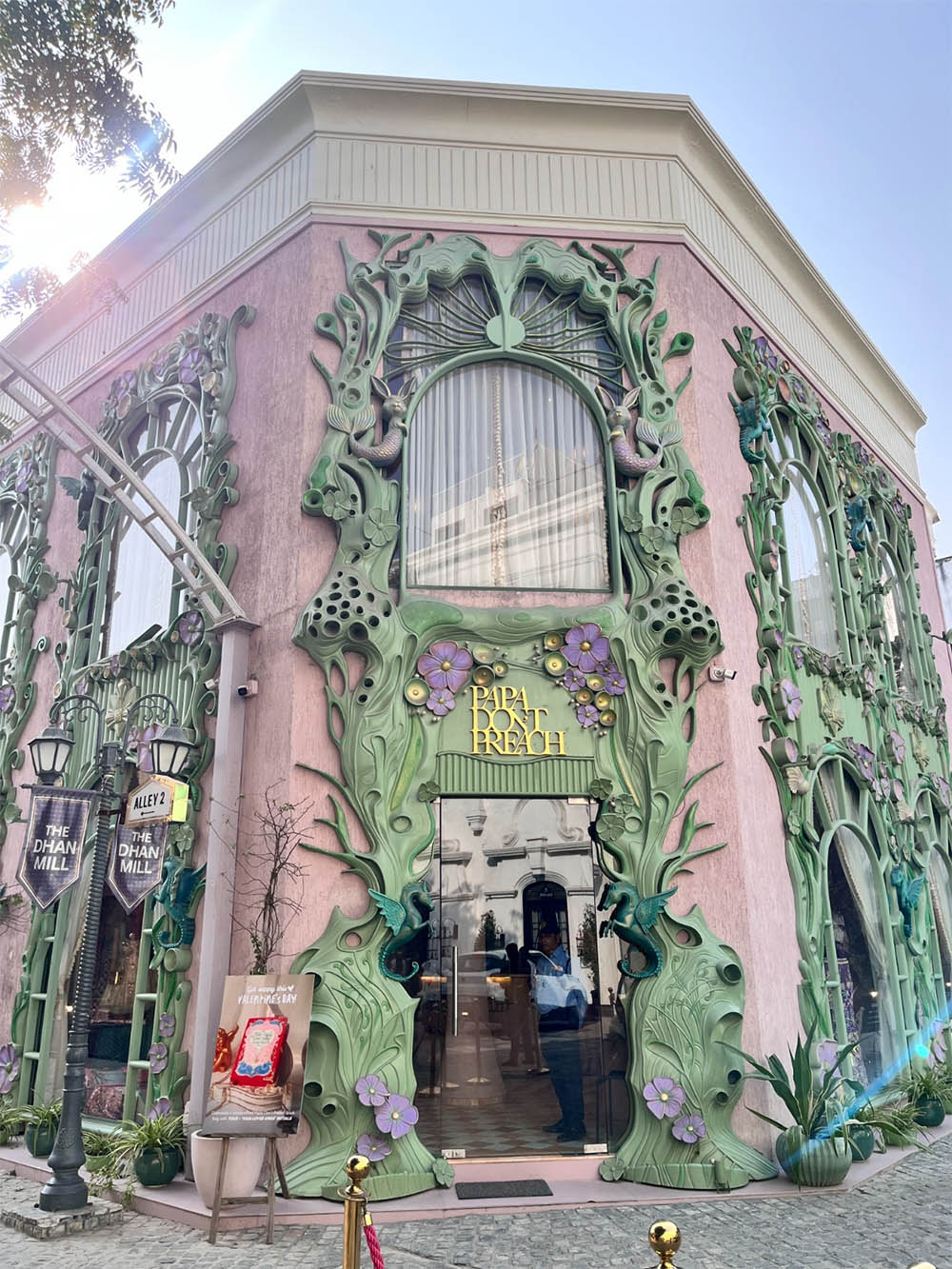
Curved pillars looked like sculptural trees while sun-bathed passages, almost like luxury walking closets, cast a soft glow on occasionwear pieces. Further, colourful, rich patterned carpets and wall art painted a fantasy world anchored by a giant, shimmery tree in the centre. We were in what fashion designer Shubhika Sharma calls her “Papaverse” — Papa Don’t Preach flagship store that has become a landmark in Dhan Mill since its opening last year. But as we walked inside, to-be brides and grooms were coming for not just a wedding sherwani, or bridal lehenga, but to curate their complete look with the luxury brand’s newly launched high jewellery collection. It brings 48 handcrafted jewellery pieces, studded with the most exquisite gems; from pigeon-blood rubies, uncut polkis, Zambian emeralds, pink sapphires, rare tanzanites, to diamonds.
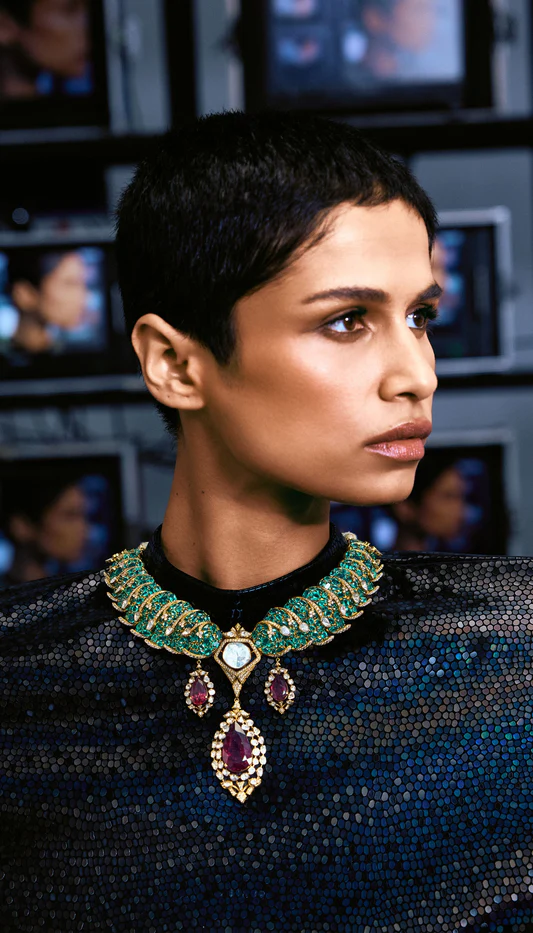
“My idea behind starting Papa Don’t Preach was born out of the belief that there didn’t exist any other brand that would be able to dress a person from head to toe. So, I first started with garments, then did footwear and bags, and really waited for my time to be able to do jewellery,” Sharma tells Outlook Luxe, giving us a preview of her new jewellery collection.
Unleash Maximalism
Everything in Sharma’s Papaverse exudes maximalism. It forms the beating heart of PDP since its inception in 2011, and shows quite evidently. From the fairytale-like store, crystalline installations, cascading lehengas, embroidered couture, to even the sculpted gold handles of mini totes on shelves, and engraved metallic hearts on block heels displayed at the store. With high jewellery too, Sharma sticks to her guns. “When we were conceptualising the high jewellery collection, it struck me how deeply Indian colour is woven into our DNA; it’s a natural expression of who we are as Indians. And especially for me, I’m Punjabi. So we don’t know how to be any other way. Jewellery allowed me to play with colour in a very different way,” she tells us.
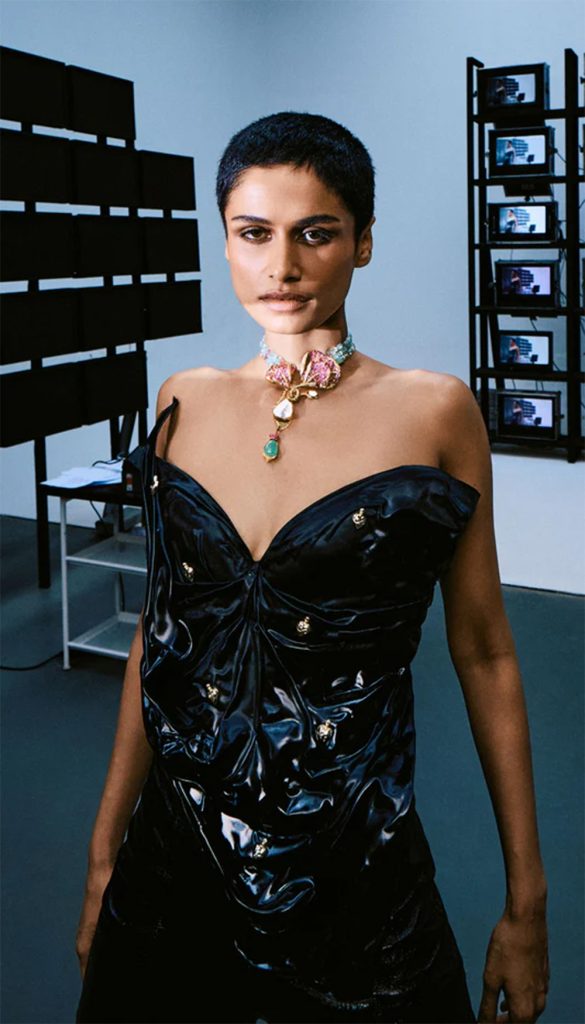
Beyond colour, it’s the oversized teardrop necklaces, animal motifs, florals, the striking placement of uncut diamonds, along with collar-grazing, coronet-like necklaces that embody Sharma’s love for maximalism. “The high jewellery collection is for anybody who is keen to express themselves through fashion, artistry, and craftsmanship and is not afraid to stand out,” says Sharma. “Indian jewellery and Indian craftsmanship itself are so maximalist and beautiful. We were somewhat lost for a few years while trying to catch up with the West. But now the India story is becoming so powerful that maximalism is just a very natural expression of who we are as Indians,” says Sharma, predicting its comeback in 2026.
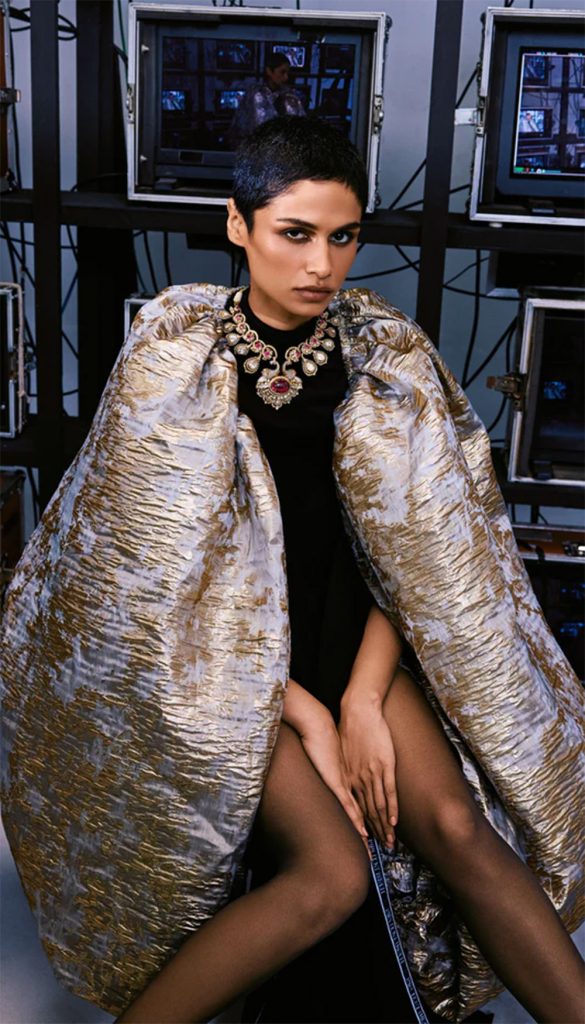
If reports are to be believed, maximalism is seeing its resurgence. Home décor is rediscovering colour as a storytelling tool, ditching the global homogenous aesthetic. Accessories are going loud with funky bags. Rhinestone makeup is ruling concert looks. And big fat Indian weddings celebrate indulgence and extravagance in the best way. The runways are echoing the same mood shift. From chunky jewellery at Saint Laurent’s SS26 RTW in Paris to Gaurav Gupta’s ornate temple jeweller at Paris Haute Couture Week, drama is back on the fashion front. Globally, designers like Chloé, Paco Rabanne and Valentino are turning down the volume on quiet luxury, swapping clean-girl minimalism for richer, denser, layered surfaces, patterns and embroideries. But today’s maximalism isn’t about finding beauty in chaos and noise. “It has now become a lot more thoughtful, curated, and very authentic to the expression of the person wearing it,” Sharma opines.
Chase for newness
In her 16 years as a designer, Sharma has done everything: designing occasionwear, lingerie couture, footwear, home living, accessories, to creating outfits for the metaverse, podcasting and now high jewellery. Boredom is never in her dictionary. “I don’t remember a time when I felt bored. My whole childhood was spent creating DIY things. I made board games, paper planes, nail polishes by mixing varnish with powders, fragrances, and bags stitched out of pockets to sell to my friends!” she says, adding, “I am a very curious person. I think most creative people are extremely curious. I am ever-ready to navigate my own journey of growing the brand, moving into newer territories which are frightening, exhausting, yet exciting.”
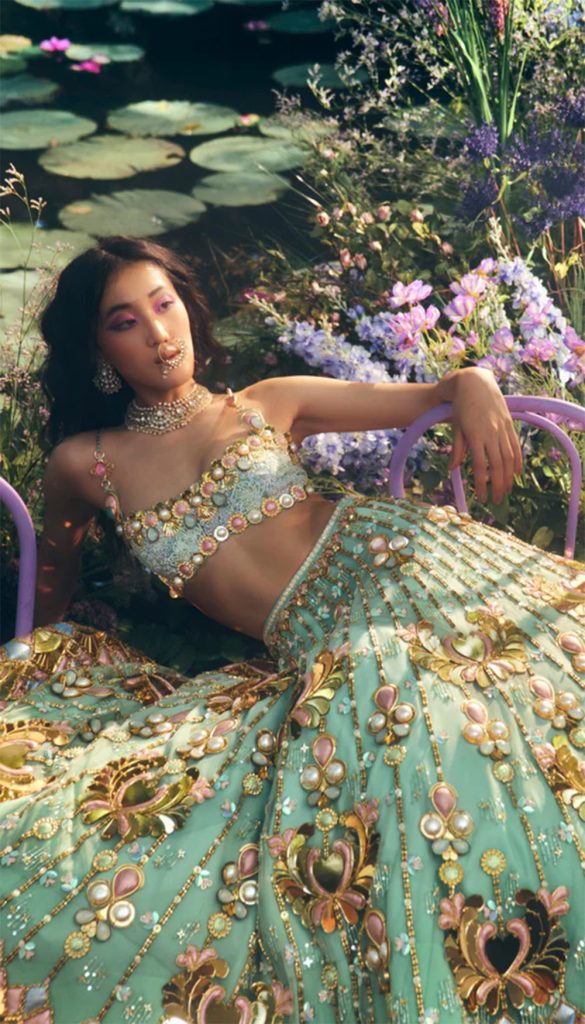
It’s with this effervescent energy to chase new challenges that keeps her going. “I’ve always loved to create, so the platform didn’t matter. I never allowed myself to get boxed into one type of designer. Even now, we make western wear, lingerie, and bridal couture—sometimes within the span of three months,” she says, having experimented with lingerie couture at Lakmē Fashion Week 2025. “Who knows what I’ll be designing two years from now,” she says as a to-be bride walks in with her fiancé for wedding shopping, hesitant to interrupt our chat.
View this post on Instagram
“Please feel free to walk in, the store is for you all,” says Sharma as she makes way for visitors.
Reading the room
Having closely read the minds of hundreds of brides over the years, we ask her about their mindset shift. “Brides today are having fun, and families are supporting them. It’s lovely to watch,” says an elated Sharma, adding, “When I started, brides were nervous about fashion, price points and needed approvals from families. Now brides come in confidence, sometimes alone or with a friend or fiancé. They know what they want, make quick decisions, and curate their looks thoughtfully. They’ve realised that the wedding is truly about them. It is a big change from ten years ago, when it was more about pleasing families.”
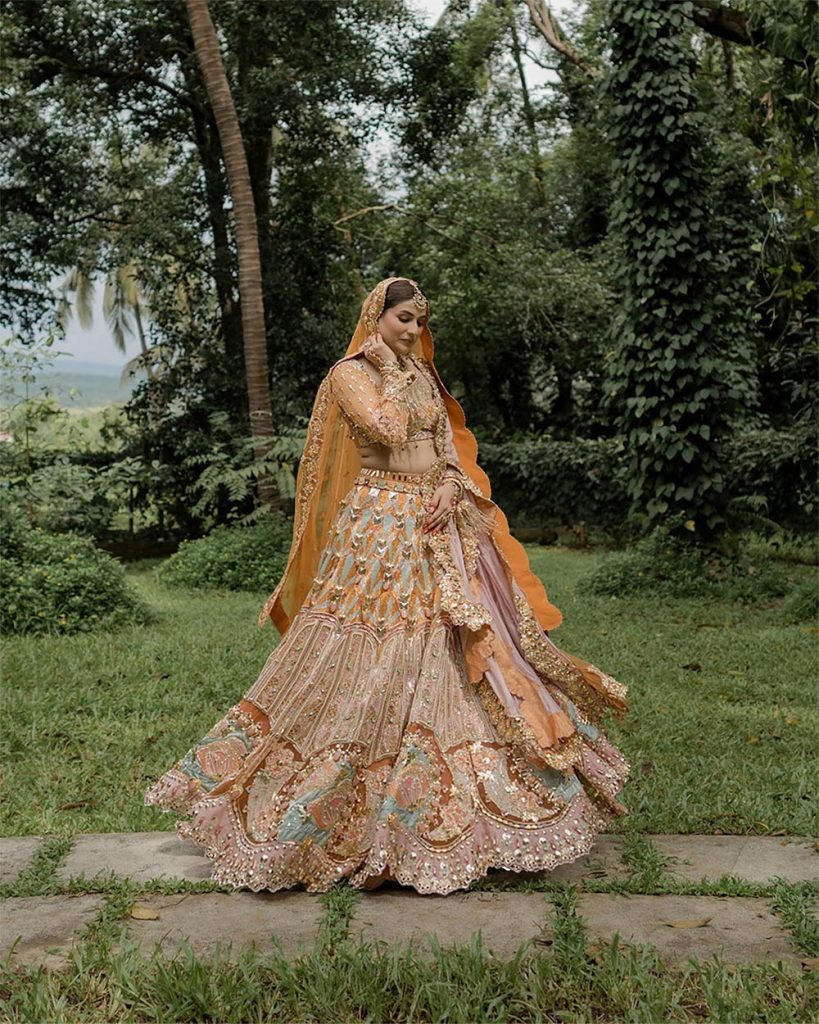
For Sharma, her label’s clothes are like “alphabets” where you put them together to tell your own story. “It’s not rebellion, but powerful self-expression,” she concludes our conversation.