Anti-Shock System Explained: Why It Matters In Modern Timepieces
Mechanical timepieces are exquisitely delicate machines built for precision, yet safeguarded by anti shock systems that shield them from the chaos of everyday life, where certain innovations act as invisible guardians, quietly absorbing impacts to preserve the art and accuracy of fine timekeeping
There is a rather inconvenient truth about mechanical timepieces, and it is this. For all their beauty, all their craftsmanship, and all their centuries of evolution, they are astonishingly fragile. Hundreds of microscopic components, each doing its job with obsessive precision, all working together in a harmony that can be disrupted by something as mundane as knocking your wrist against a table. And when watches left the safety of waistcoats and entered the unpredictable world of the wrist, this became a very real problem. The solution, however, was not brute force, but clever engineering. The answer was the anti shock system, an invisible yet essential innovation that ensures these intricate machines survive the chaos of everyday life without losing their composure.
The Birth of Anti Shock Innovation
As wristwatches became more common in the early twentieth century, the need for protection became glaringly obvious. Pocket watches had enjoyed a relatively sheltered existence, but wristworn timepieces were constantly exposed to movement, impact, and the occasional careless knock. In 1934, the introduction of the Incabloc system changed everything. It was simple, clever, and above all, effective. By allowing the balance staff to move slightly under shock and then return to its original position, it prevented damage to one of the most delicate parts of the movement. It quickly became the industry standard, and for good reason.
How It Actually Works
At its core, an anti shock system is about controlled movement. Instead of resisting impact entirely, which would almost certainly lead to breakage, the system absorbs and redirects the energy. Tiny spring mounted jewel bearings hold the balance staff in place, but allow just enough flexibility to cushion a blow. Once the shock passes, everything returns to normal, and the timepiece carries on as if nothing happened. It is a wonderfully elegant solution to a very real problem, and one that has stood the test of time.
Also Read: Inside the New Breguet Tradition Collection: Five Contemporary Masterpieces Revealed
Beyond Incabloc: Evolution of Protection
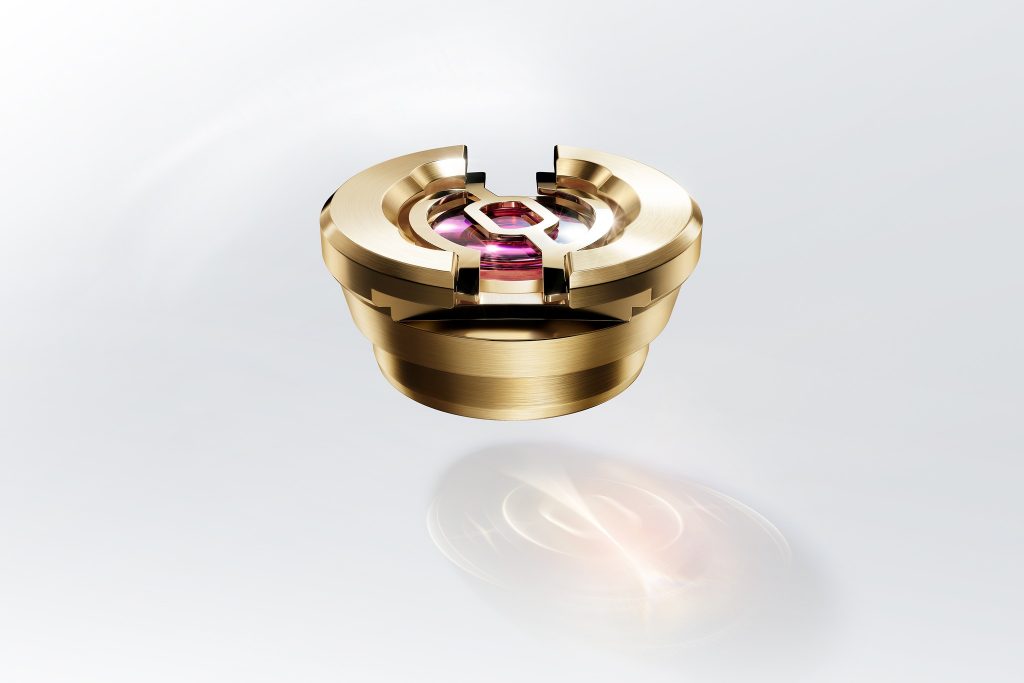
Of course, watchmakers being watchmakers, they could not leave well enough alone. Over time, several brands developed their own systems, each attempting to refine the concept. Rolex employs the Paraflex system, which uses additional springs to allow greater movement and improved shock absorption. Meanwhile, systems like Etachoc bring their own variations, all chasing the same goal with slightly different approaches.
Why It Matters More Than You Think
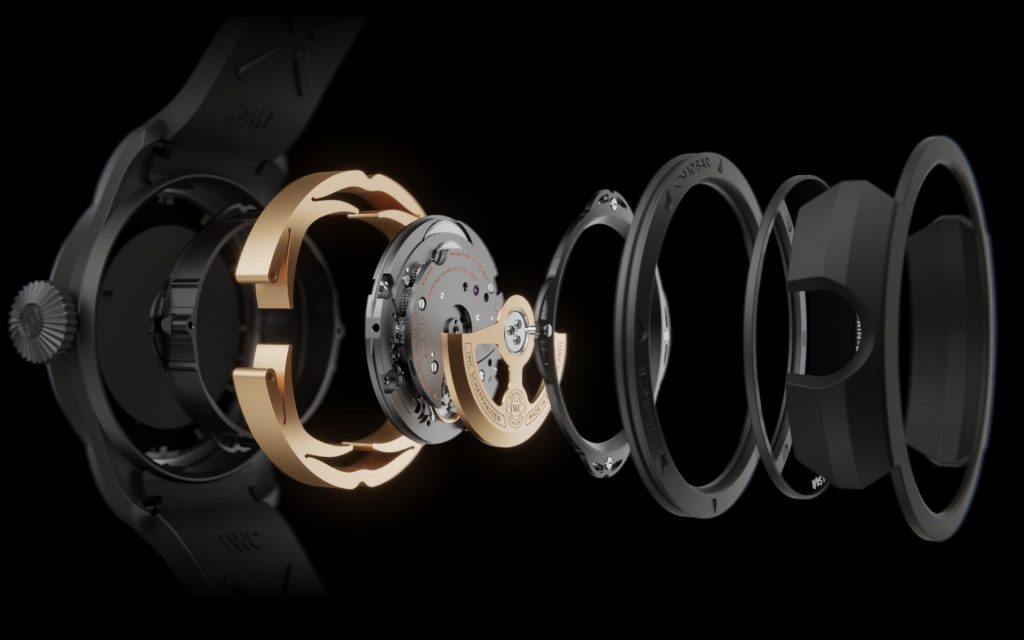
Without an anti shock system, a mechanical timepiece would be hopelessly impractical. The balance staff, a tiny yet critical component, would be vulnerable to even the smallest impacts, leading to inaccurate timekeeping or, worse, complete failure. These systems ensure that the movement, the very heart of the timepiece, remains protected. They preserve accuracy, enhance reliability, and allow these intricate machines to function in the real world rather than a glass display case. IWC Schaffhausen’s SPRIN-g PROTECT system system took eight years to develop is based on a cantilever spring that suspends the movement inside the case, and the ultralightweight titanium casing ring further reduces the mass that the shock absorber must hold
Swiss Mastery and Modern Excellence
Swiss watchmakers have long led the charge in refining these systems, combining tradition with relentless innovation. The integration of advanced materials like silicon, alongside ever more sophisticated spring designs, has elevated anti shock technology to remarkable levels. Today’s luxury timepieces are expected not only to be precise, but also to endure daily life with grace, and these systems make that possible.
The Invisible Hero
The irony, of course, is that the anti shock system is something you will never see. It sits hidden within the movement, doing its job quietly and without recognition. Yet it is one of the most important components in any mechanical timepiece. Because without it, all that craftsmanship, all that engineering, and all that heritage would be at the mercy of a single careless knock. And that, quite frankly, would be a disaster.