How To Authenticate A Rolex: Key Checks Every Buyer Should Know
Knowing how to authenticate a Rolex protects both your money and your passion, and these essential checks explain how experts confirm originality, quality, and authenticity
Rolex did not become the king of watches by being polite, subtle, or apologetic. It did it the same way royalty has always done things: by turning up early, building something unbreakable, and then reminding everyone else who was in charge. A Rolex is not merely worn, it is declared. It sits on the wrist like a coronation ring, heavy with confidence, utterly uninterested in trends or opinions. You do not buy a Rolex to tell the time, just as you do not buy a castle for the plumbing. You buy it because it has ruled the watch world for decades, surviving wars, oceans, Everest, and every upstart brand that thought a fancy complication could overthrow the crown. And that, precisely, is why fakes exist, because when something wears the crown, everyone wants to steal it.
A Rolex is not just a watch. It is a global currency, a status symbol, and unfortunately, one of the most counterfeited luxury products on the planet. Modern fakes can look alarmingly convincing at first glance, which is why authenticating a Rolex requires more than a quick look at the crown on the dial. Whether you are buying new, pre owned, or vintage, these key checks will help you separate the real deal from a very expensive mistake.
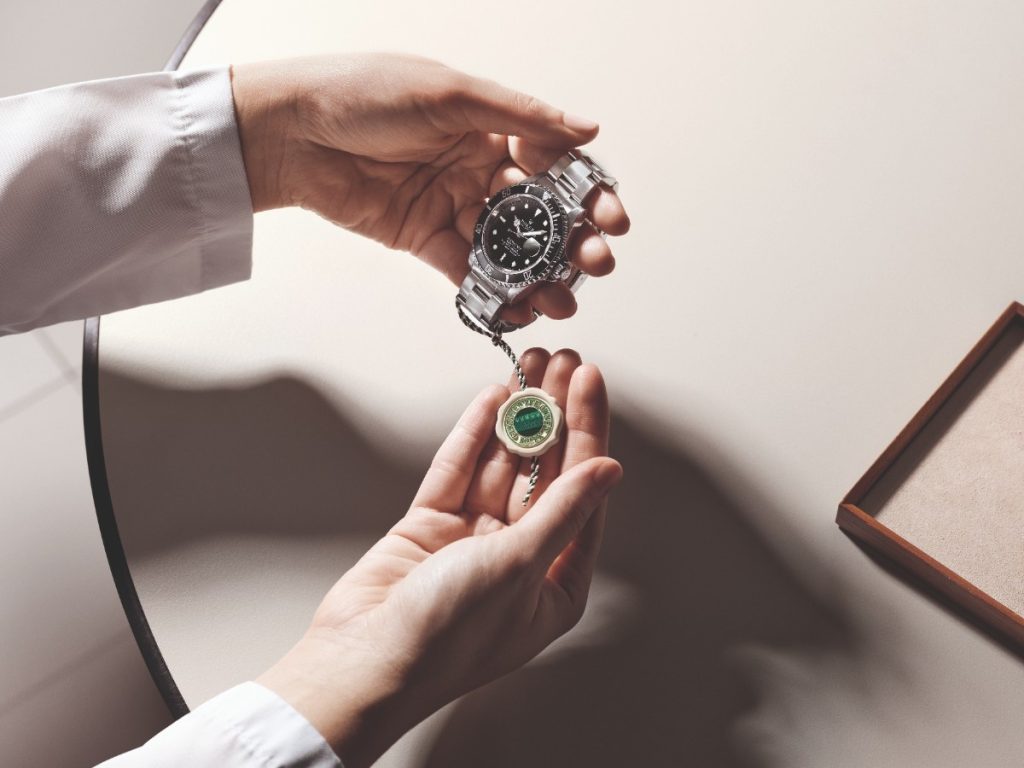
Start With Weight And Overall Feel
A genuine Rolex feels solid in the hand. The brand uses high grade Oystersteel, gold, or platinum, and the result is a reassuring weight and density. Counterfeits often feel lighter or hollow, especially in the bracelet. The finishing should be immaculate, with smooth edges, even brushing, and polished surfaces that reflect light cleanly rather than harshly.
Examine The Dial Closely
Rolex dials are famously precise. The printing is sharp, perfectly aligned, and free from smudges or uneven spacing. Check the hour markers, which should be applied cleanly and sit straight. The minute track should align exactly with the hands. On many modern models, the lume plots are flawless and evenly applied. A sloppy dial is one of the biggest red flags.
Check The Cyclops And Date
The date magnification lens, known as the Cyclops, is one of Rolex’s most copied features and one of the easiest to verify. On a genuine Rolex, the Cyclops magnifies the date by approximately 2.5 times, making it fill most of the window. Many fakes get this wrong, offering weak magnification or misaligned date wheels. The date should also change crisply around midnight, not slowly over several hours.
Inspect The Caseback
Most Rolex watches have a plain, solid caseback with no engravings or display window. If you see a clear sapphire caseback or decorative engravings on a modern Rolex, be cautious. While a few rare vintage and special models exist, they are exceptions, not the rule. For most buyers, a transparent caseback is a warning sign.
Verify Serial And Model Numbers
Rolex engraves serial and model numbers with exceptional precision. On older models, these appear between the lugs; on newer ones, they are engraved on the rehaut, the inner ring between the dial and crystal. The engraving should be fine, sharp, and evenly spaced, never etched crudely or stamped deeply. Cross check these numbers with Rolex reference information to ensure they match the correct model and production period.
Look At The Movement
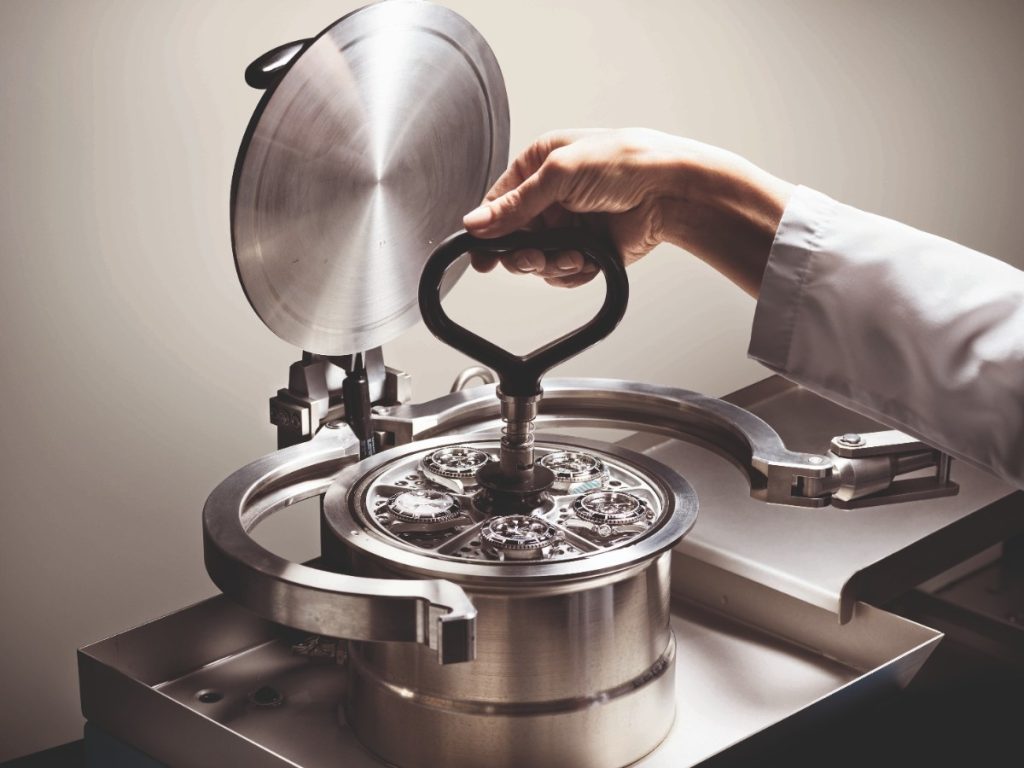
If you have the opportunity to see the movement, either through a trusted watchmaker or authorised service centre, this is one of the most definitive checks. Rolex movements are beautifully finished, robust, and signed. Counterfeit movements often use generic automatic calibres with decorative rotors to mimic the look. While opening a watch is not always possible before purchase, it is worth insisting on professional verification for high value transactions.
Examine The Bracelet And Clasp
Rolex bracelets are engineered to tight tolerances. The links should fit together seamlessly with minimal rattle. The clasp should open and close smoothly with a solid, confident click. Engravings inside the clasp are clean and precise, not shallow or poorly aligned. Cheap feeling clasps are a common giveaway on replicas.
Review Box And Papers Carefully
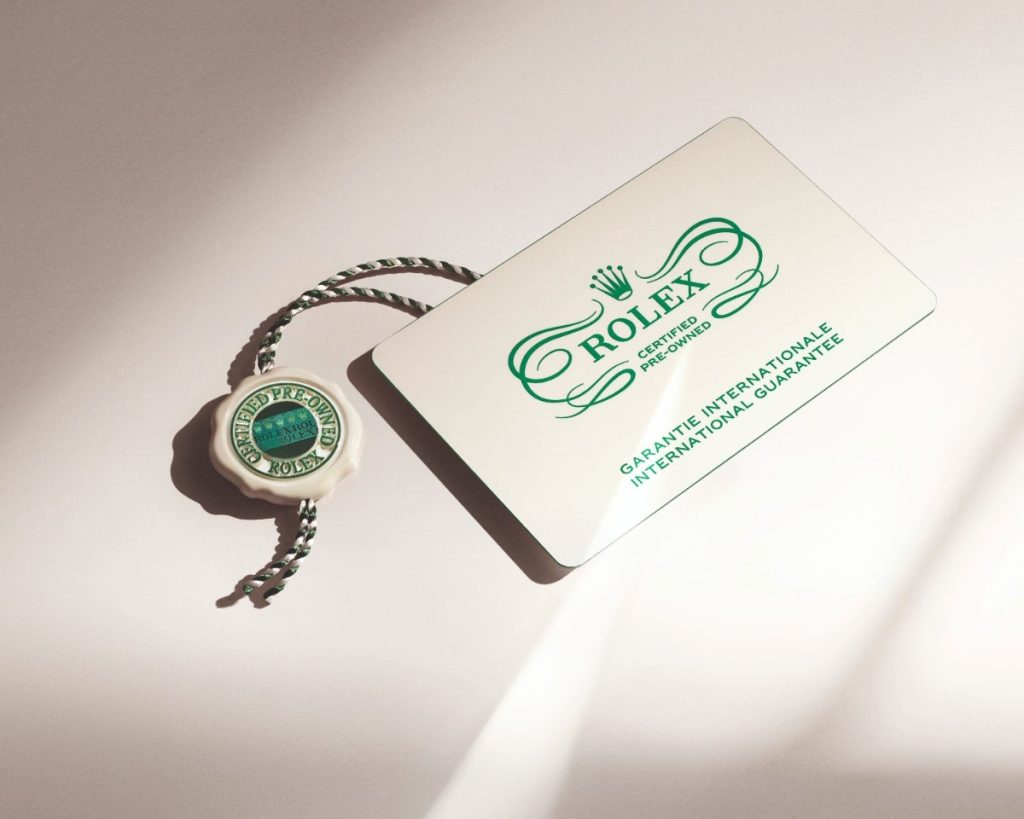
While boxes and papers can be faked, they still matter. Check that the reference numbers on the warranty card match the watch. Look for correct fonts, spelling, and print quality. Missing paperwork is not always a deal breaker, but mismatched or suspicious documents should raise concern.
When In Doubt, Get Expert Help
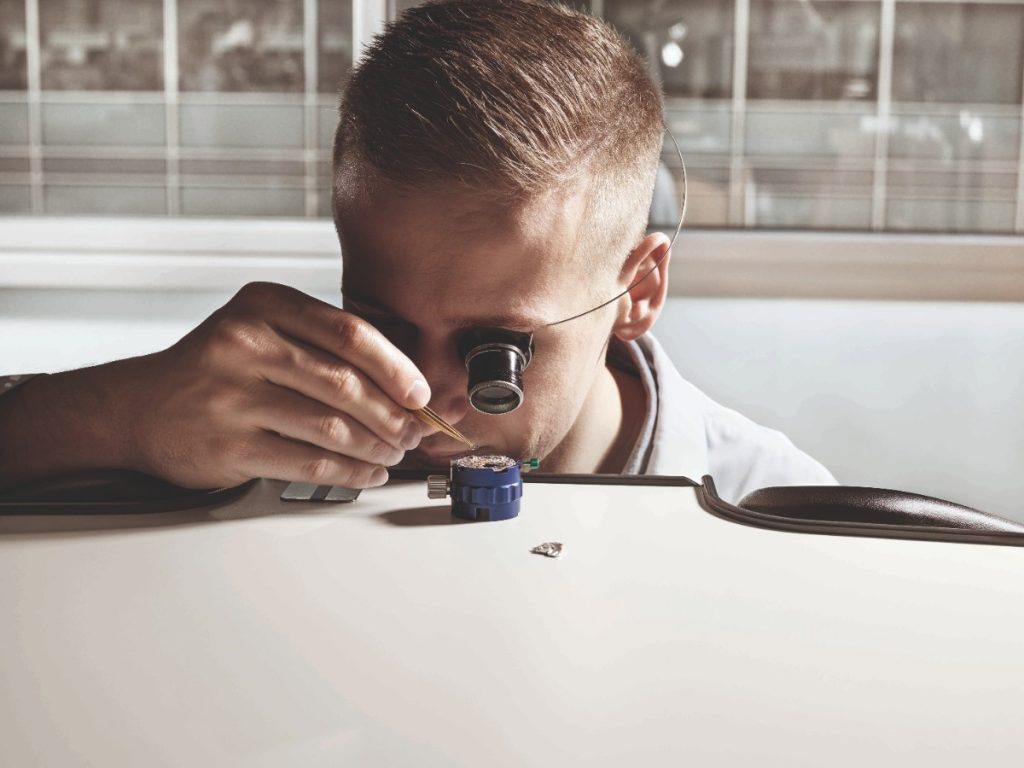
No checklist replaces expert authentication. Buying from authorised dealers, reputable pre owned specialists, or having the watch verified by a Rolex service centre remains the safest route. A genuine Rolex is built to last a lifetime. Taking the time to authenticate it properly ensures your investment is as real as the crown on the dial.