Indian Luxury Watches: A New Era Of Fine Watchmaking
From government supported heritage brands and mass produced mechanical timepieces to a new generation of independent ateliers inspired by Indian culture, India's watchmaking industry is quietly evolving into one of the most exciting stories in global horology
For decades, Switzerland, Germany and Japan have dominated the conversation around fine watchmaking. India, despite being one of the world’s largest watch markets, remained largely known as a consumer rather than a creator of horological excellence. That narrative is beginning to change. A new generation of Indian watchmakers is combining heritage manufacturing, modern engineering and distinctly Indian storytelling to create timepieces that deserve attention far beyond the country’s borders. From government backed institutions and large scale manufacturing to ambitious independent brands producing limited editions rooted in Indian culture, Indian horology is quietly entering its most exciting chapter yet.
Government Backed Heritage That Built An Industry
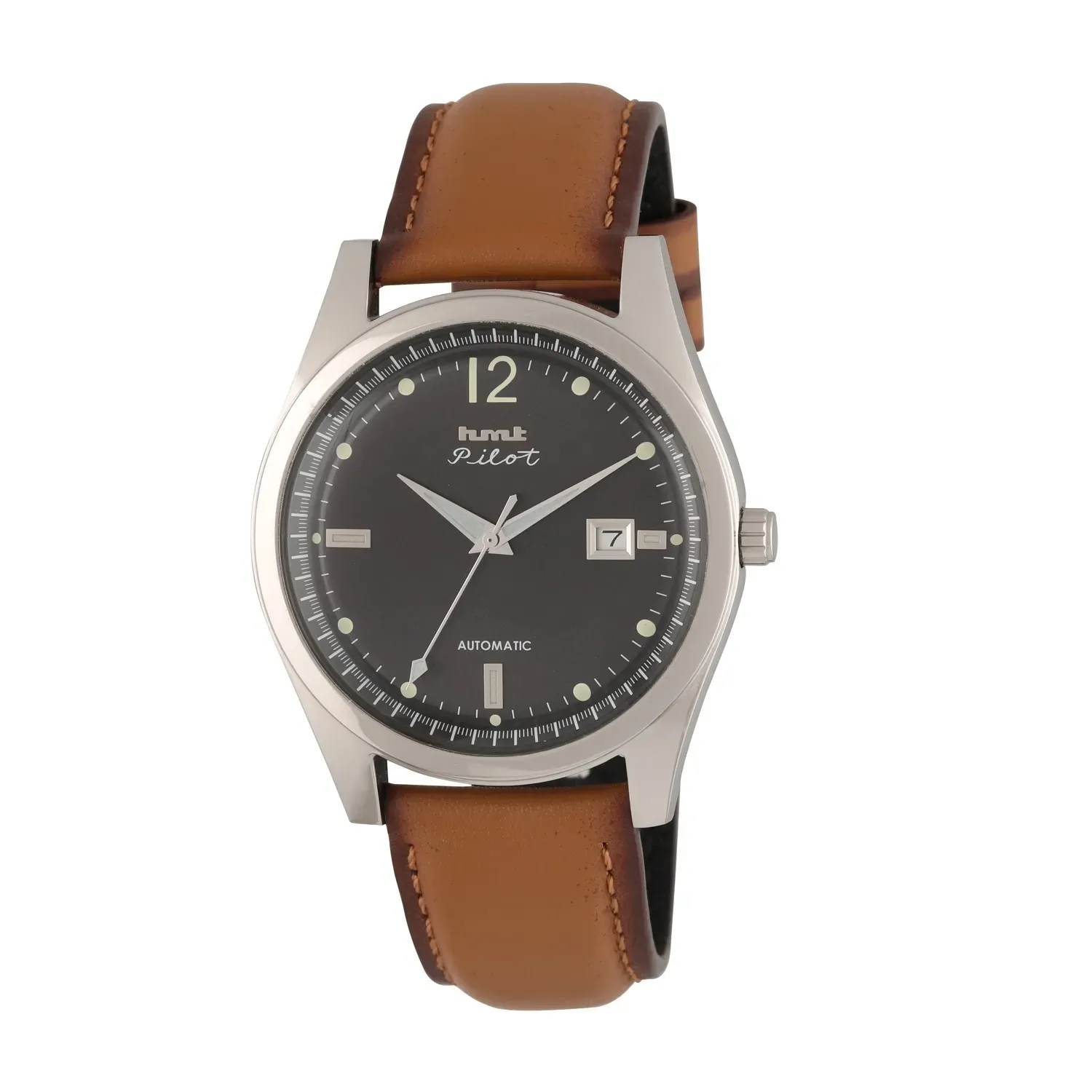
India’s modern watchmaking journey began not with private luxury houses but with public institutions. The establishment of Hindustan Machine Tools (HMT) in the early 1960s laid the foundation for domestic horology, bringing mechanical watch production to the country on an industrial scale. Supported by the Government of India, HMT became synonymous with reliability and craftsmanship, introducing generations of Indians to mechanical watches while nurturing the technical expertise that would eventually shape the nation’s broader watchmaking ecosystem. Even today, vintage HMT timepieces remain highly collectible among enthusiasts.
Also Read: Interview: Gaurav Mehta Unveils Jaipur Watch Company’s Latest Timepiece Collection
Making Mechanical Watches Accessible To Millions

Unlike many luxury markets where mechanical watches were reserved for wealthy collectors, India’s watch industry developed around accessibility. Brands such as HMT, Titan and later numerous domestic manufacturers introduced affordable automatic and hand wound timepieces that allowed ordinary consumers to experience traditional mechanical watchmaking without prohibitive prices. This democratisation created one of the world’s largest communities of first time mechanical watch owners, helping preserve appreciation for traditional horology in the age of quartz.
Manufacturing At An Extraordinary Scale
India is today home to one of the world’s largest watch manufacturing infrastructures. Companies such as Titan have demonstrated that world class production can exist outside Switzerland and Japan, producing millions of watches annually through highly integrated facilities that handle everything from movement assembly to case manufacturing and quality control. This industrial capability provides an important foundation for future luxury brands, proving that India possesses not only creative talent but also the manufacturing expertise required to support an expanding horological industry.
The Rise Of Independent Indian Microbrands
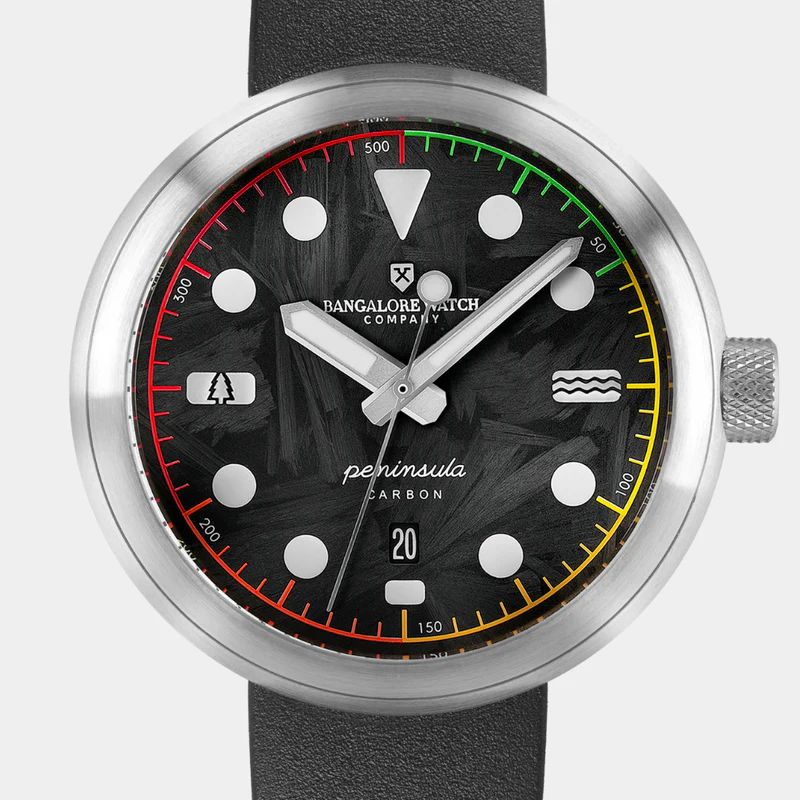
Perhaps the most exciting development has been the emergence of independent Indian watchmakers. Brands such as Jaipur Watch Company, Bangalore Watch Company, Ajwain, DWC (Delhi Watch Company), Argos, Horpa and others are producing thoughtfully designed mechanical watches in limited numbers, often combining global manufacturing standards with uniquely Indian perspectives. These independent makers have cultivated passionate collector communities by focusing on originality, transparency and storytelling rather than simply competing on price, demonstrating that Indian horology is developing its own distinctive voice.
Also Read: Cosmic Craftsmanship: Timepieces With Astronomical Complications
Designing Watches Around India’s Stories
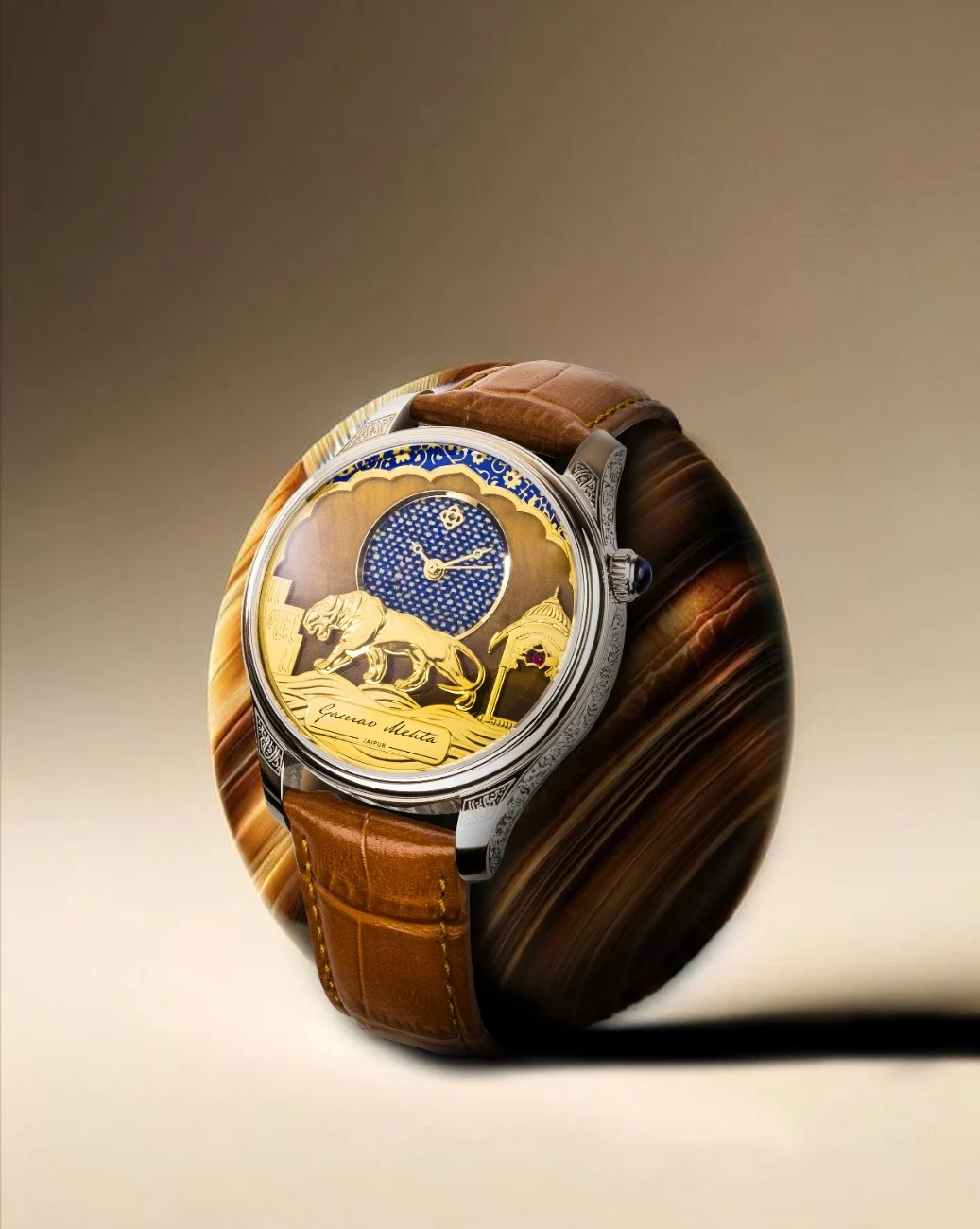
Rather than imitating European design language, many Indian brands are embracing the country’s extraordinary cultural heritage as a source of inspiration. Dials inspired by Mughal architecture, miniature paintings, ancient temples, Indian Railways, military aviation, regional craftsmanship, classical astronomy and national history have become defining characteristics of contemporary Indian watchmaking. By weaving local narratives into modern mechanical timepieces, these brands are creating watches that celebrate identity as much as engineering, offering collectors something that cannot be replicated anywhere else in the world.
India’s Horological Future Has Only Just Begun
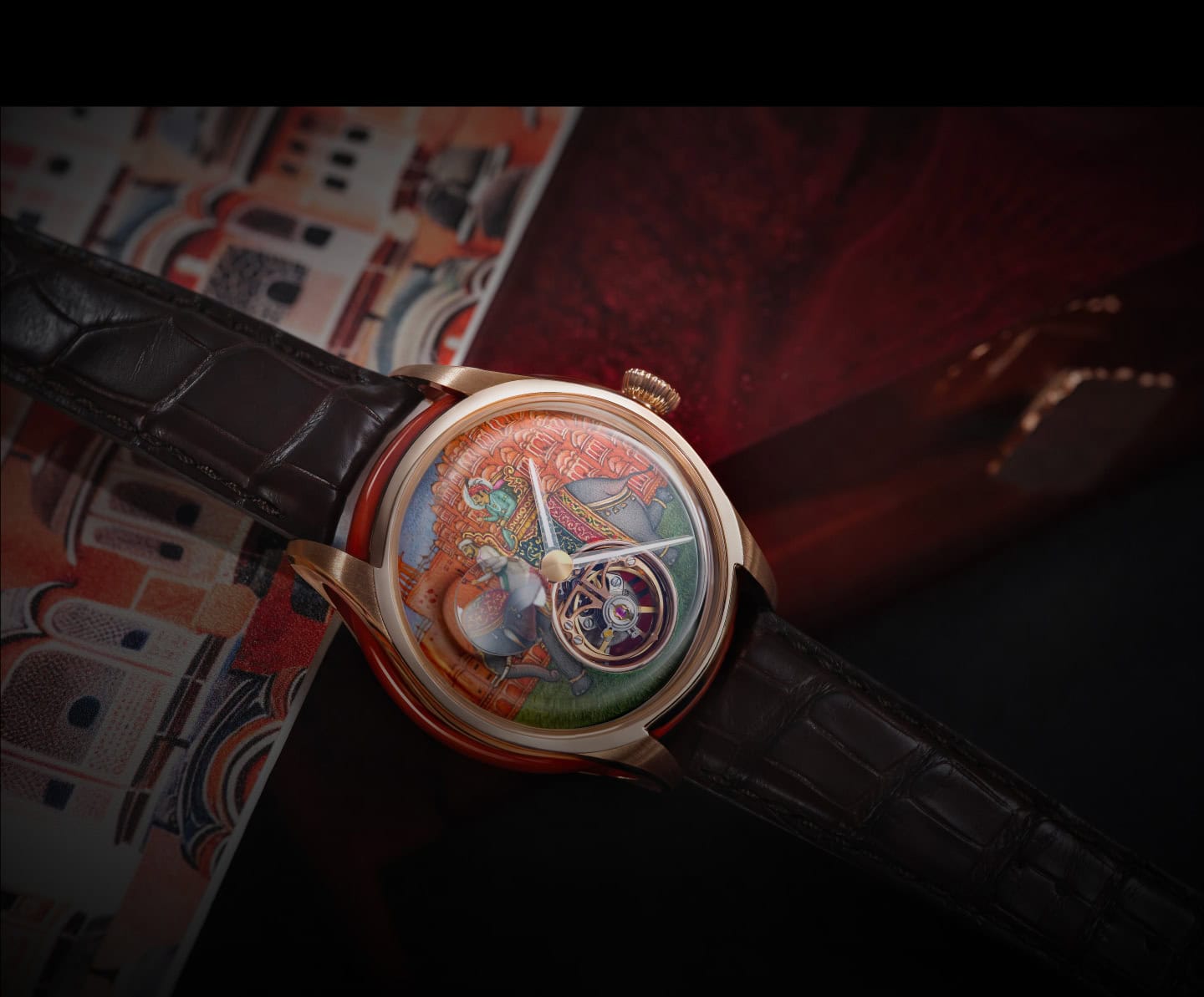
The next chapter of Indian watchmaking will not be written through imitation but through originality. With a strong manufacturing base, growing collector culture, accessible mechanical craftsmanship and an increasingly confident generation of independent brands, India is steadily carving out its own place in global horology. The country’s greatest strength lies in its ability to tell stories unlike any other nation. As those stories continue to find expression through exceptional mechanical watches, Indian luxury watchmaking may well become one of the industry’s most compelling success stories in the years ahead.